

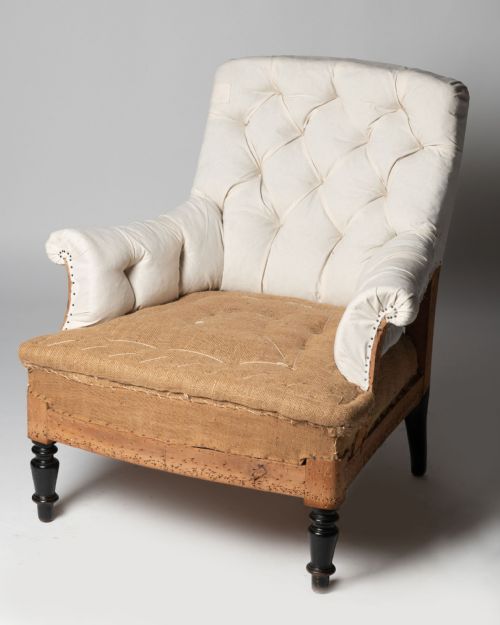
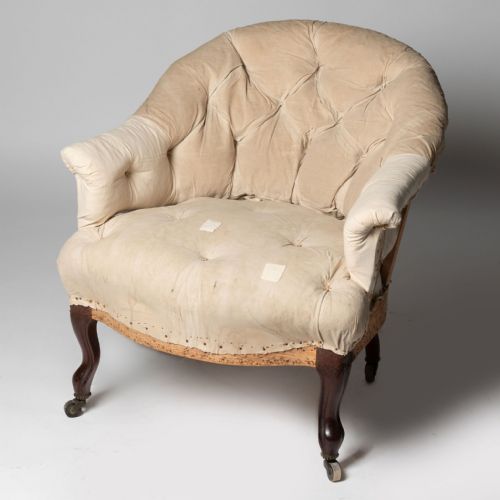
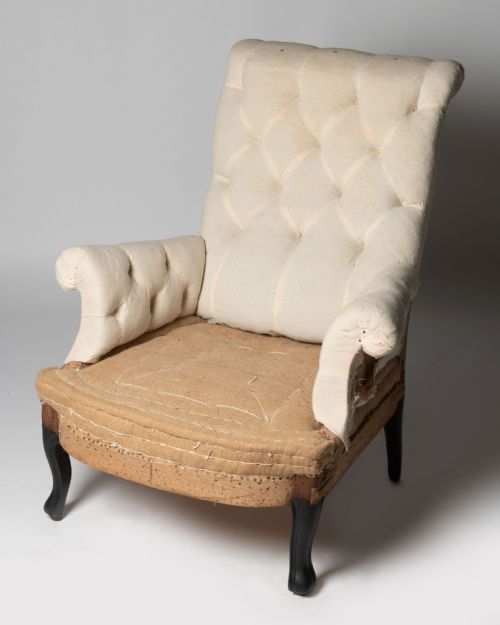
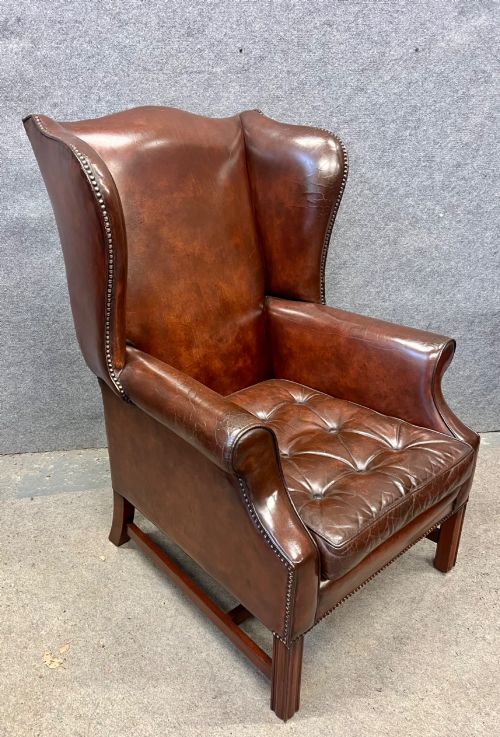

Vintage Tufted Armchair
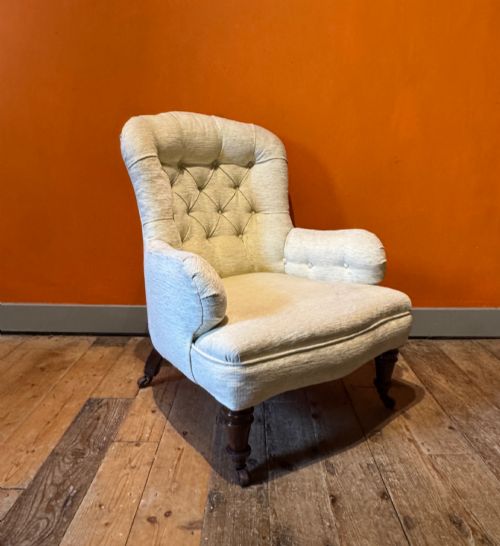
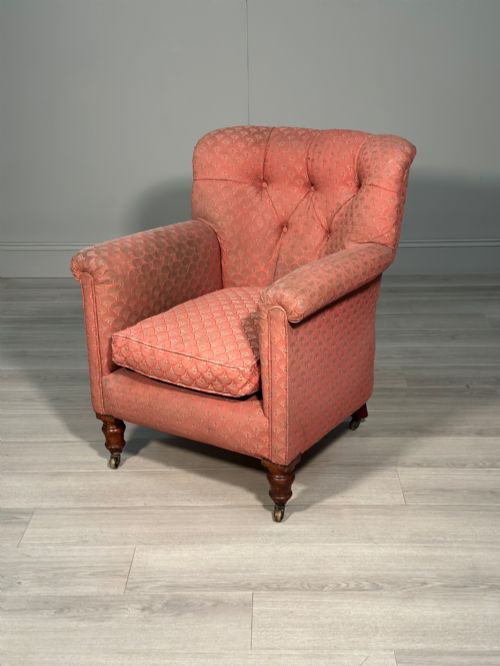
A vintage tufted armchair brings deep buttoning and sturdy timber frames into a room, offering immediate comfort and historic character.
Vintage Tufted Armchair
When you search for a vintage tufted armchair, you encounter seating built primarily during the nineteenth and early twentieth centuries, spanning Victorian, Edwardian, and revival aesthetics.
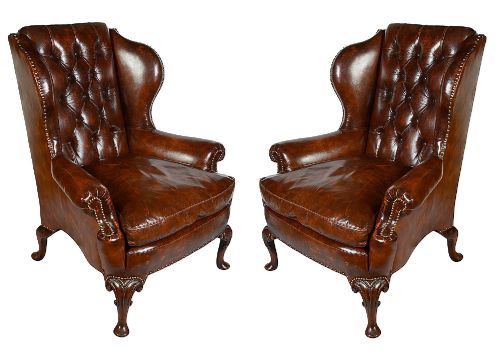
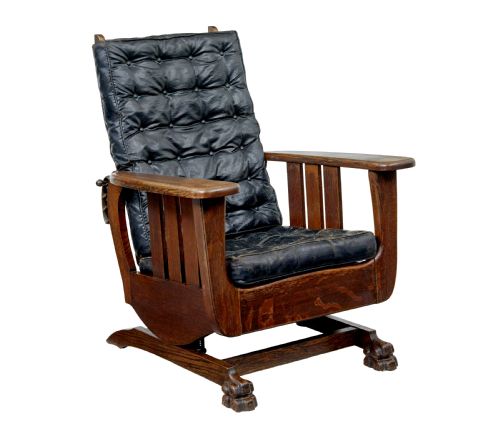
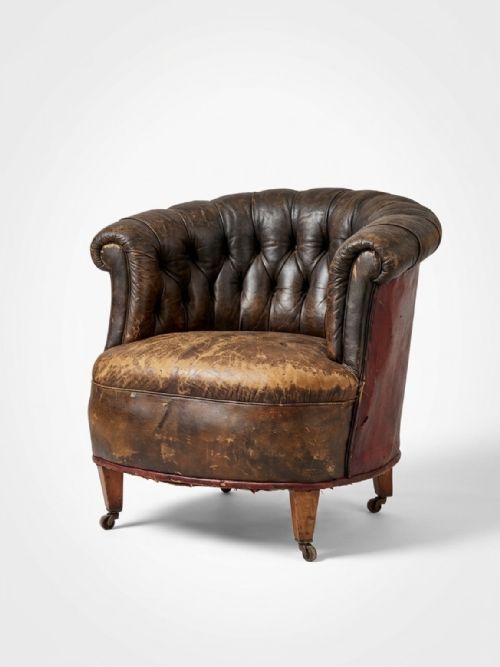
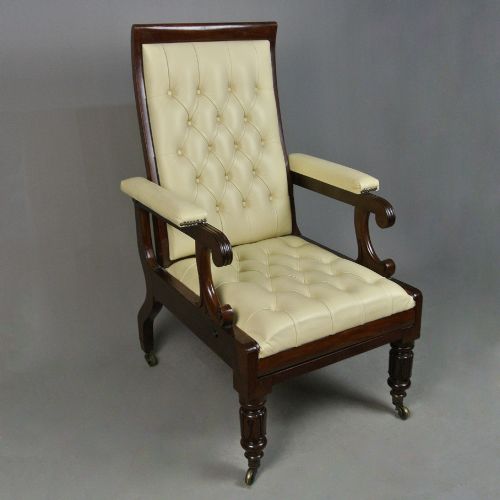
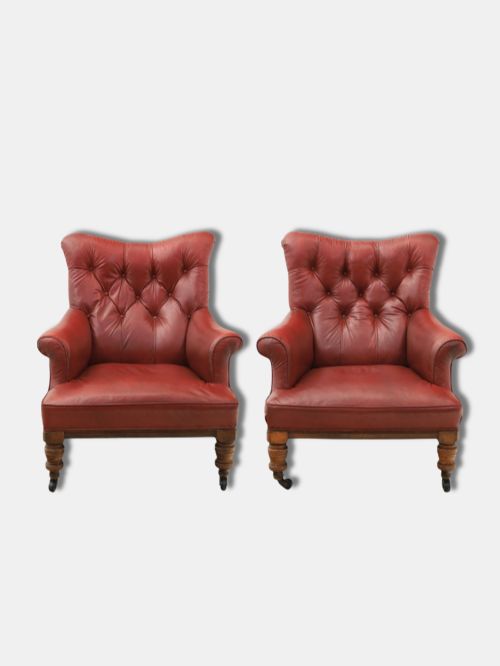
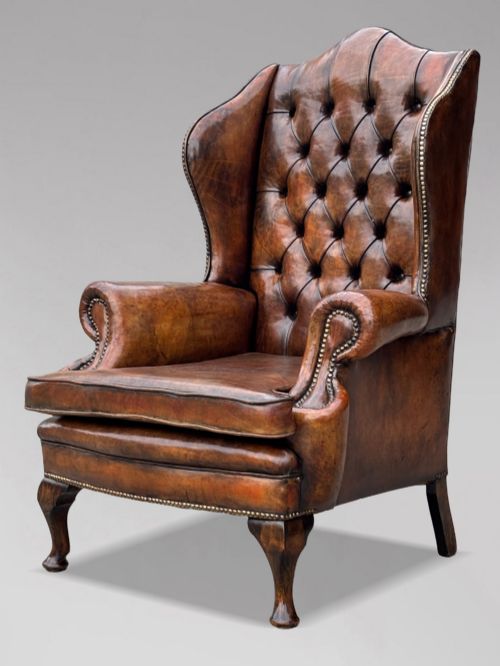
The most common versions on this page are substantial leather wing chairs, club chairs, and low library seats featuring traditional buttoning across the backrest.
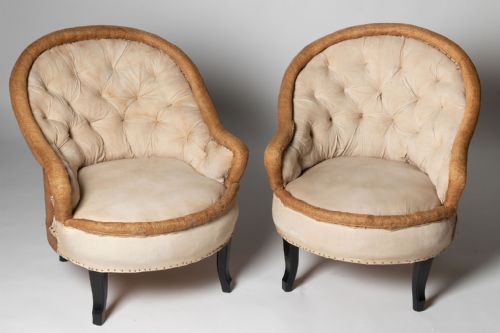
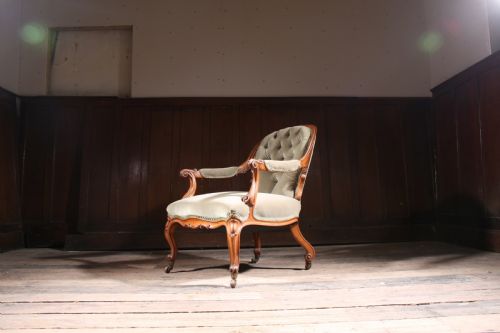
Makers often drew inspiration from earlier periods, producing Georgian and Regency style pieces alongside French Napoleon III and Louis XVI revival models.
Materials and construction
Frames rely on dense timbers such as mahogany, walnut, oak, and rosewood, providing the structural skeleton necessary to support deep upholstery.
Upholstery materials combine supple leather, velvet, and caning with brass detailing, securing the iconic tufted patterns through careful hand stitching.
Vintage Tufted Armchair Retail Price Guide 2026
Typical asking prices for vintage tufted armchair among the pieces listed under this phrase on Sellingantiques today, from the lower quarter to the upper quarter. They describe what is for sale here now, not the wider market.
Available chair forms include wing armchairs, club chairs, rocking chairs, slipper chairs, and library armchairs.
Assessing quality and craftsmanship
Quality rests upon the integrity of the timber frame and the depth of the joinery beneath the upholstery, separating robust examples from lighter decorative pieces.
The execution of the tufting and the choice of hide or fabric dictate the tactile appeal, where skilled buttoning creates lasting tension and sculptural form.
Howard and Sons
The Vintage Tufted Armchair Glossary
- Button back
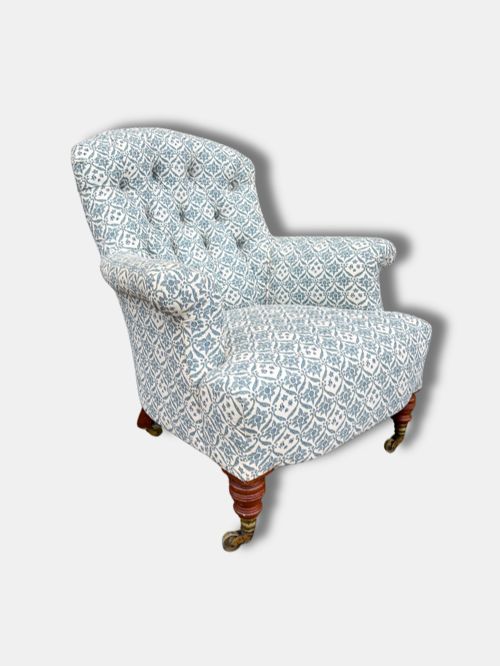
- An upholstery technique where indentations are formed by pulling twine or thread through the padding and securing it with buttons. This creates a diamond pattern across the leather or fabric.
- Wing armchair
- A high backed seat featuring projecting side panels designed to shield the sitter from draughts. Early examples frequently utilise leather and deep buttoning.
- Club chair
- A deep, low slung seat traditionally upholstered in leather. These pieces prioritise comfort and sturdy domestic utility.
- Slipper chair
- A low seated chair originally designed for bedrooms to assist with footwear. They often feature exposed timber frames and refined upholstery.
- Caning
- A woven plant material used for panels in chair backs and seats. It introduces lighter textures to mahogany and oak frameworks.
Vintage Tufted Armchair: Frequently Asked Questions
How do I identify a Victorian tufted armchair?
Victorian examples typically feature dark timber frames made from walnut or mahogany, paired with rich leather or velvet upholstery. Look for robust construction and traditional buttoning that defines the period style.
Inspect the woodwork for hand-carved details and examine the seating proportions, which generally prioritise substantial comfort and weight.
Where should I place a leather wing armchair?
A leather wing armchair suits studies, libraries, and living rooms where its high back and side panels can anchor the space. Pairing it with a reading lamp creates a functional focal point.
Ensure the piece has adequate clearance around it so the arms and wings remain fully visible within the room arrangement.
Are Edwardian tufted chairs different from Victorian ones?
Edwardian chairs often lighter frames and incorporate alternative materials like caning alongside traditional leather and oak. The overall aesthetic tends towards slightly brighter wood tones and varied revival influences.
Both periods utilise buttoning, but Edwardian pieces frequently reflect a shift towards less sombre domestic interiors.
How do I care for antique leather upholstery?
Maintain antique leather by keeping it away from direct heat sources and strong sunlight, which can dry and crack the hide. Gentle cleaning with appropriate conditioners preserves the surface.
Allow the natural patina to develop over time rather than attempting heavy restoration, as surface wear records the history of the chair.