



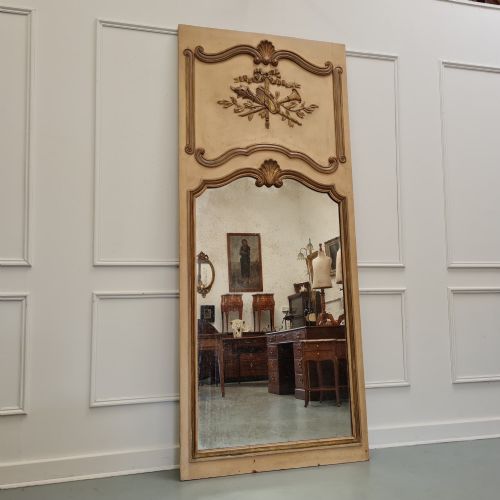
Vintage Trumeau
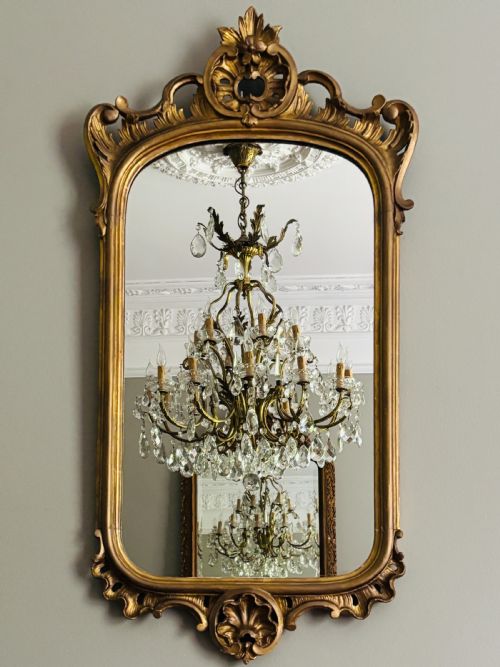
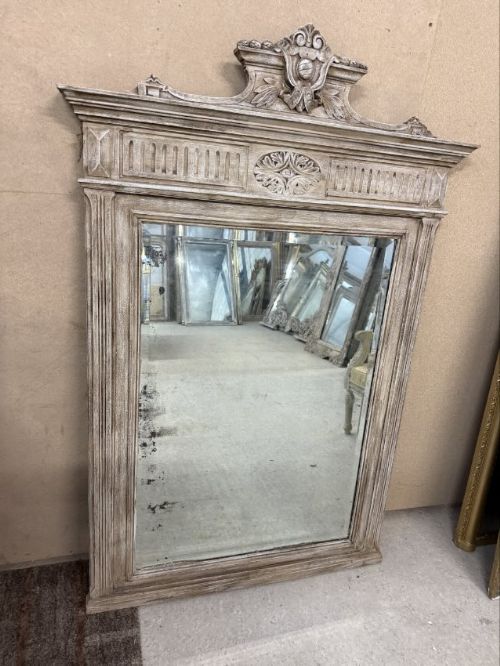
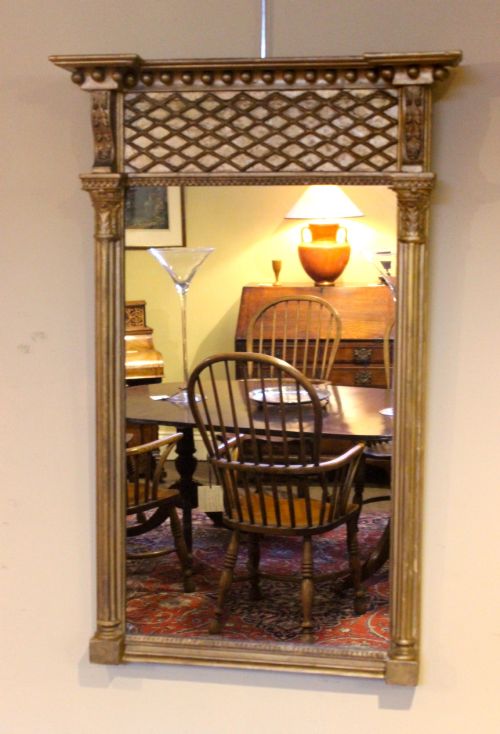
Vintage trumeau mirrors bring architectural presence to a room, combining painted or gilded woodwork with classic panels.
Vintage Trumeau
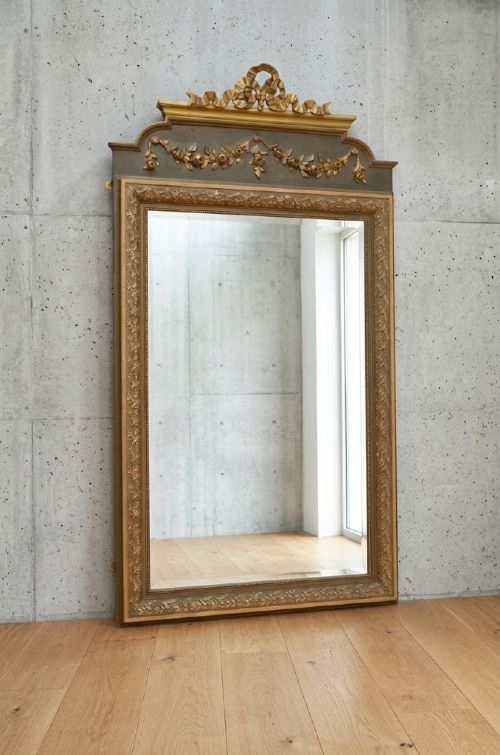
A vintage trumeau is essentially a wall mirror set beneath an integral decorative panel, frequently designed to mount above a fireplace or between windows. When buyers search for a vintage trumeau, they encounter large French country and chateau wall mirrors dating from the nineteenth century alongside eighteenth-century architectural examples.
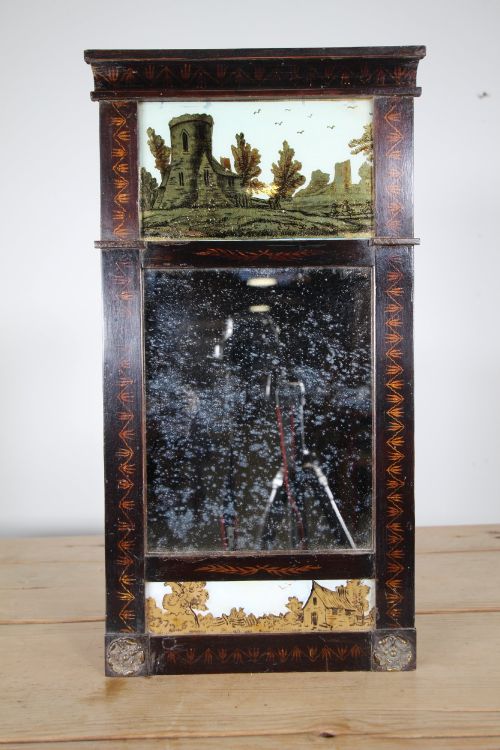
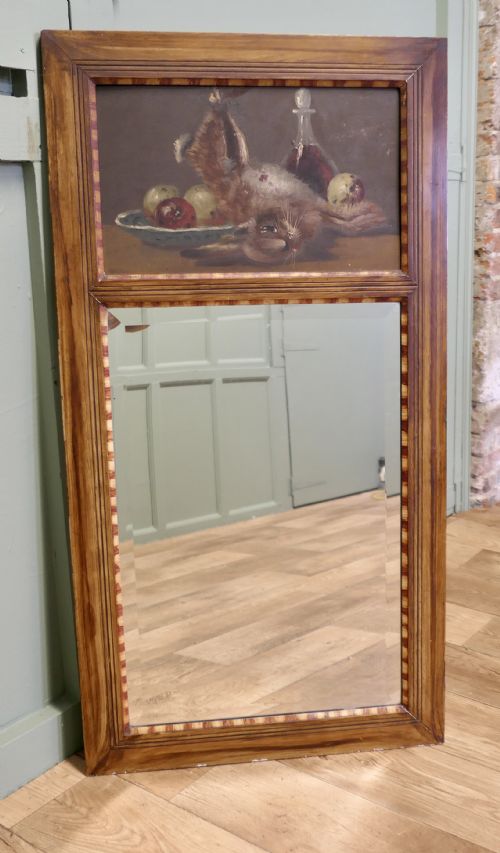
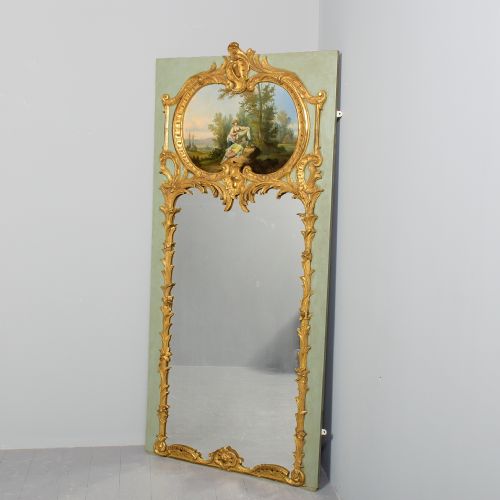
The form typically pairs a lower glass plate with an upper section containing oil paintings, reverse glass prints, or carved wood motifs. Painted wood surfaces, parcel gilding, and gesso details define the prevailing aesthetic across the selections.
Most items on offer originate from French workshops adhering to styles such as Louis XVI, Empire, or provincial country traditions. These pieces function primarily as tall pier mirrors or overmantle fixtures designed to amplify light in reception rooms.
How they were made
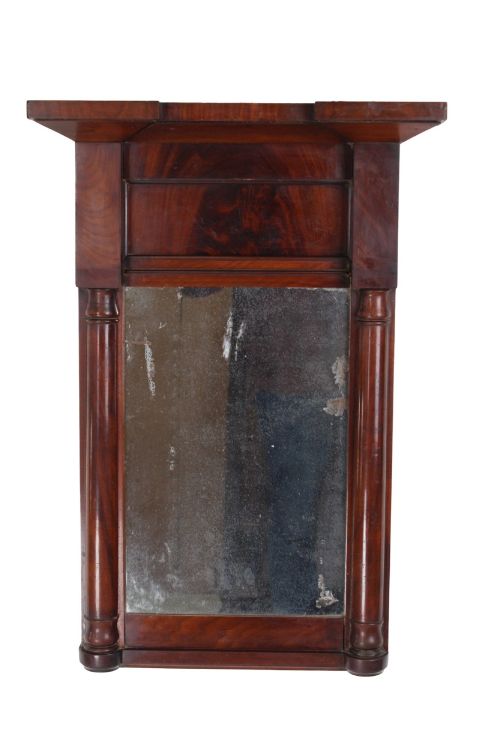
Cabinetmakers constructed the primary frames using solid timbers such as mahogany, walnut, maple, and painted softwoods. Elaborate surface decoration relied upon applied gesso, which artisans carved and burnished before receiving layers of gold leaf or oil paint.
Upper panels frequently incorporated canvas oil paintings or religious scenes integrated directly into the wooden framework. Glazing methods involved silvered glass plates secured behind timber rabbets, occasionally divided into multi-section configurations.
Vintage Trumeau Retail Price Guide 2026
Typical asking prices for vintage trumeau among the pieces listed under this phrase on Sellingantiques today, from the lower quarter to the upper quarter. They describe what is for sale here now, not the wider market.
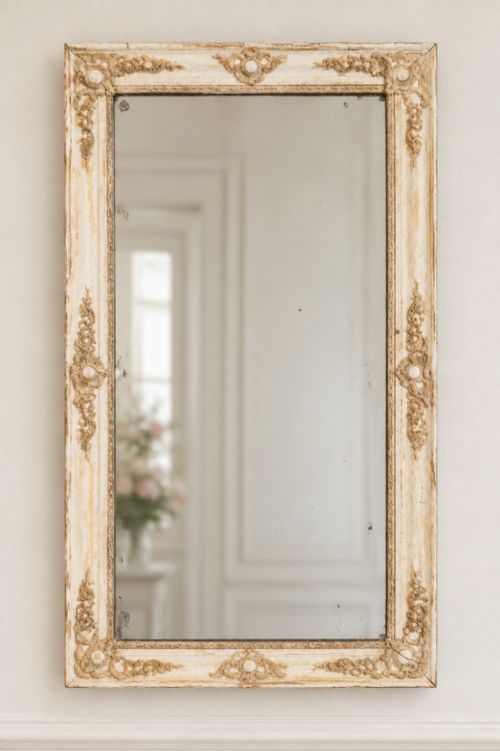
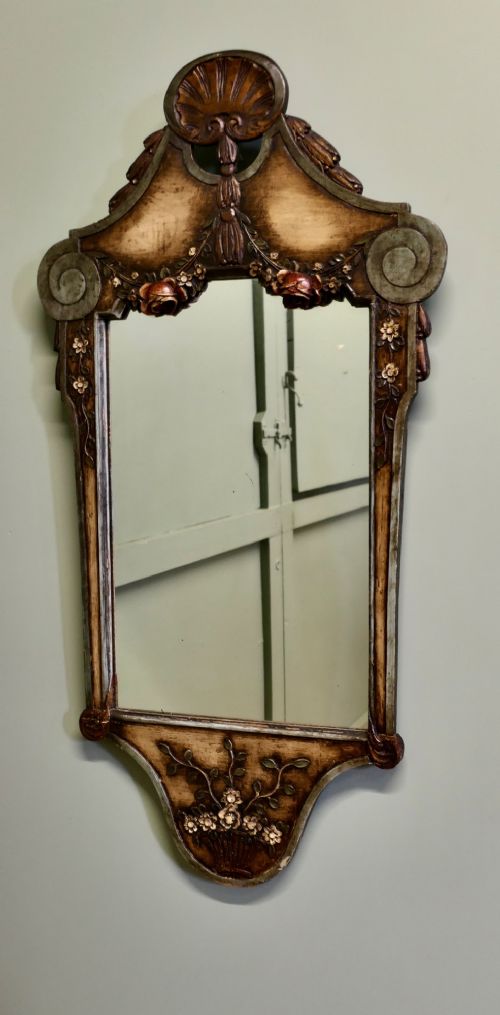
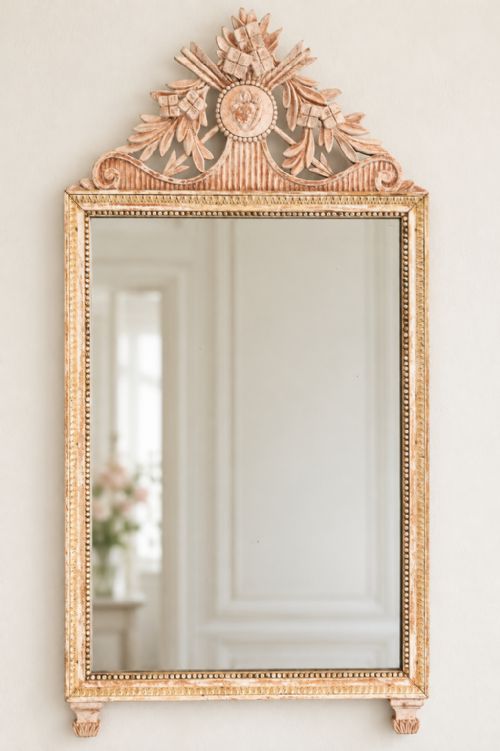
Listings feature nineteenth-century French country and Empire styles constructed from walnut, mahogany, and painted wood with gesso ornamentation.
What varies in quality
The standard of a vintage trumeau depends upon the crispness of the hand-carved gesso ornamentation and the integrity of the original painted finishes. Superior examples retain their original gilding and integrated upper artworks without extensive overpainting or later replacement.
Proportion and scale dictate desirability, particularly in tall pier mirrors where the balance between the glass plate and the upper decorative panel creates architectural harmony. Finer pieces demonstrate careful joinery and period-correct mirror plate oxidation rather than modern glass replacements.
The Vintage Trumeau Glossary
- Trumeau
- An architectural wall mirror featuring an upper decorative panel containing a painting, print, or carving above the glass plate. These fixtures originated to fill wall space between windows.
- Pier glass
- A tall mirror designed specifically to hang on the narrow wall pier between two windows. They often incorporate narrow wooden frames to suit restricted wall spaces.
- Gesso
- A plaster-like mixture applied to wooden frames to provide a smooth surface for gilding or carving relief details. Artisans modeled the compound while pliable to create intricate ornamentation.
- Parcel gilt
- A finishing technique where select portions of a painted or stained wooden surface receive gold leaf highlights. This method accentuates carved details without entirely gilding the frame.
- Reverse glass print
- An image painted or transferred directly onto the back of a glass panel so it is viewed through the front. These panels frequently occupy the upper section of nineteenth-century trumeau mirrors.
Vintage Trumeau: Frequently Asked Questions
What is a vintage trumeau mirror?
A vintage trumeau mirror is a traditional wall-hanging glass plate paired with an upper decorative panel of wood, paint, or canvas art. They originated as permanent architectural wall fixtures in European drawing rooms.
Today, these mirrors serve as decorative overmantle pieces or standalone wall focal points that reflect natural light across a room.
How do I hang a heavy trumeau mirror?
Because these pieces combine solid timber frames with glass and gesso, they require secure wall anchoring into structural studs or masonry. Professional mirror hangers utilise heavy-duty brackets suited to the weight of the specific frame.
Positioning the base at or slightly above mantel height ensures the proportions balance correctly with surrounding furniture.
Are the upper panels always painted?
While many trumeau mirrors feature oil paintings or religious scenes in the upper section, others display carved wooden reliefs, gilt motifs, or reverse glass prints. The upper panel design varies according to the regional workshop and the specific period style.
Some examples simply utilise decorative gesso moulding and painted wood panels without figurative artwork.
How do I clean the mirror plate?
Cleaning antique mirror plates requires gentle maintenance to protect the silvering and the surrounding painted or gilded wood frame. Apply a mild glass cleaner to a soft cloth rather than spraying the surface directly.
Keep moisture away from the edges of the glass and the wooden joints to prevent water damage to the historic materials.