




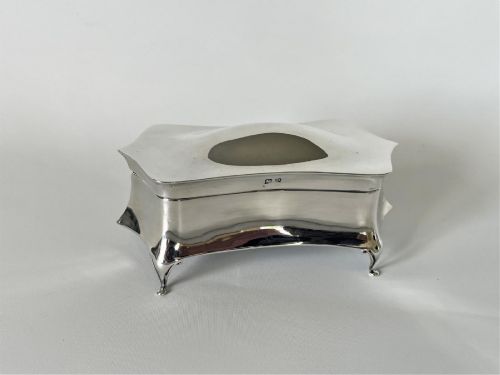
Vintage Trinket Container
These vintage trinket containers span George V sterling silver to carved wood snuff boxes, offering small-scale storage with distinct period character.
Vintage Trinket Container
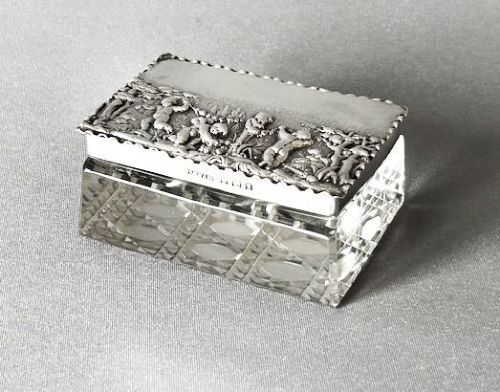
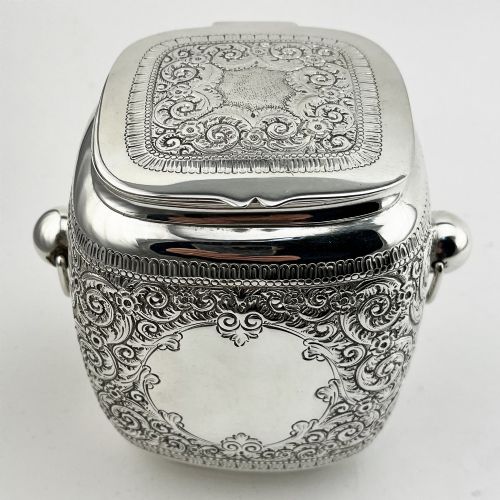
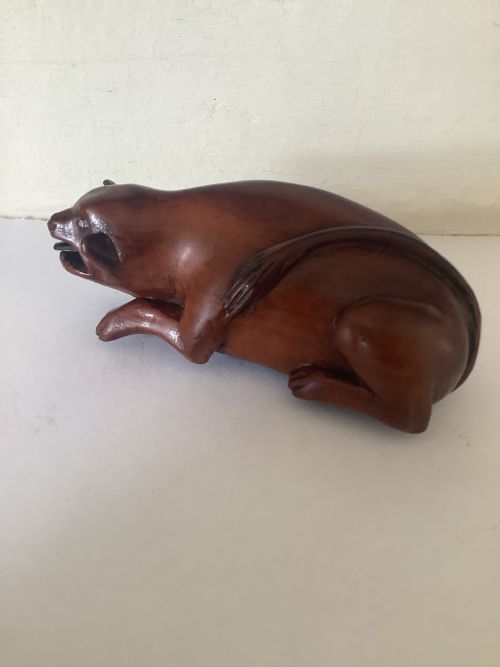
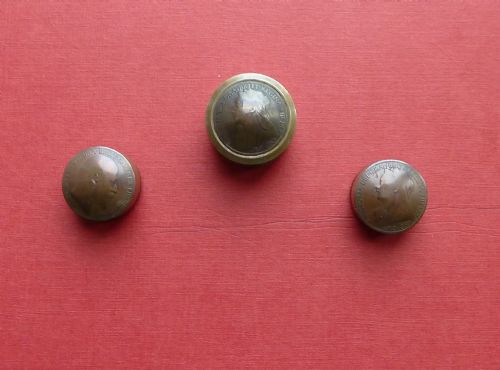
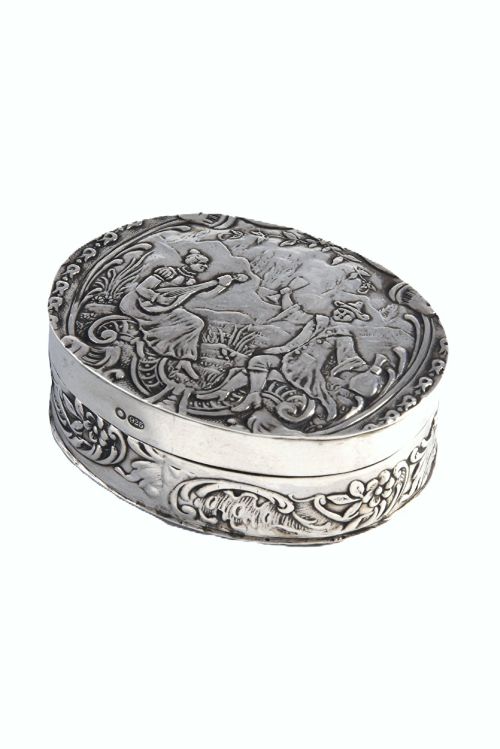
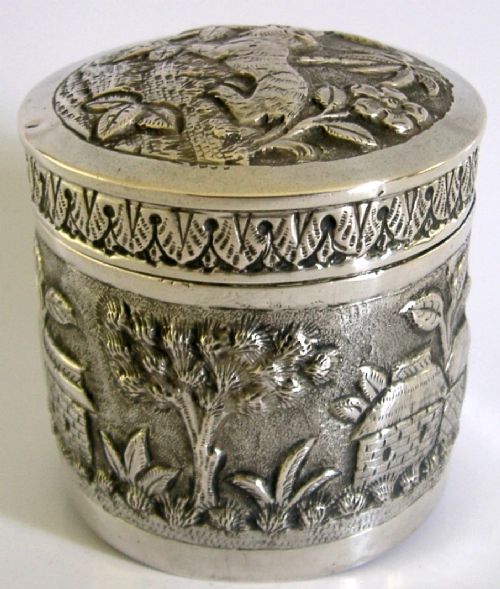
A vintage trinket container encompasses everything from small pill boxes and snuff boxes to larger dressing table jewellery boxes and tea caddies. The selection on this page ranges across centuries, moving from 18th century walnut and teak spice boxes to Edwardian silver novelties and Art Deco guilloche enamel jars.
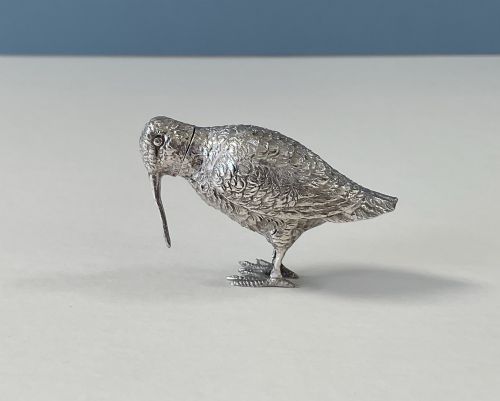
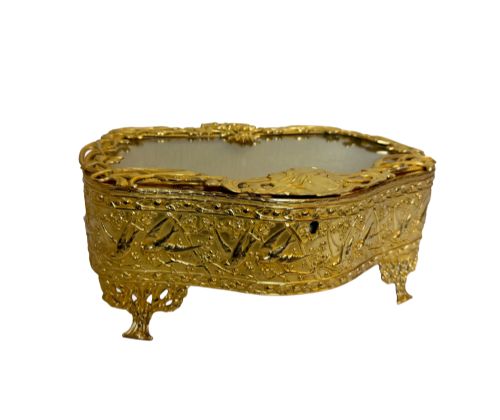
Buyers encounter distinct regional and stylistic variations, including Anglo-Indian silver work, French boxes, and novelty shapes such as birds or hearts. Functional forms include compacts, rouge pots, and crystal powder boxes designed for dressing tables and pockets alike.
Materials and Construction
Makers utilised a diverse palette of materials, pairing sterling silver and brass with organic elements such as mother of pearl, abalone shell, walnut, teak, and crystal glass. Metal pieces frequently feature engine turned patterns or enamel work, while wooden examples display naive carving or Tunbridge ware marquetry.
Construction techniques range from cast and chased silver mounts to hand-carved exotic hardwoods and gilt bronze frames holding glass panels. Precision hinged lids and fitted interior compartments mark the standard of manufacture across these varied forms.
Vintage Trinket Container Retail Price Guide 2026
Typical asking prices for vintage trinket container among the pieces listed under this phrase on Sellingantiques today, from the lower quarter to the upper quarter. They describe what is for sale here now, not the wider market.
Materials span sterling silver, brass, walnut, teak, abalone shell, crystal glass, and gilt bronze across the 18th, 19th, and 20th centuries.
Judgements of Quality
Quality rests in the crispness of surface decoration, such as the depth of engine turning on silver or the precision of carved detail in wood and shell. Maker attribution and documented assay marks provide a clear indicator of standing, distinguishing workshop pieces from standard commercial output.
The integrity of hinges, the snug fit of lids, and the preservation of delicate elements like glass panels or enamel coatings determine the standing of each piece. Superior examples maintain their original gilding, clear hallmarks, and uncompromised structural joins.
Martin Hall & Co·George Adam Scheid·Sigvard Bernadotte·Georg Jensen·Hermes Paris·Elkington & Co
The Vintage Trinket Container Glossary
- Engine turned
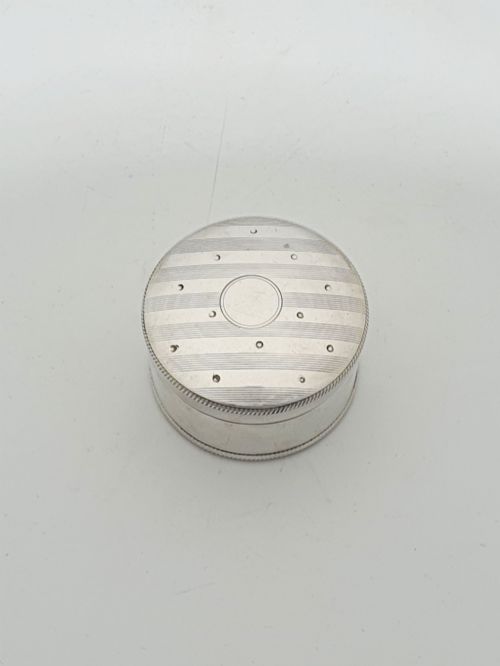
- A mechanical method of engraving precise geometric patterns onto metal surfaces. It creates a textured background that catches the light.
- Guilloche
- An ornamental technique where a precise repeating pattern is engraved into metal beneath a translucent layer of enamel. This adds depth and colour to small boxes and compacts.
- Navette
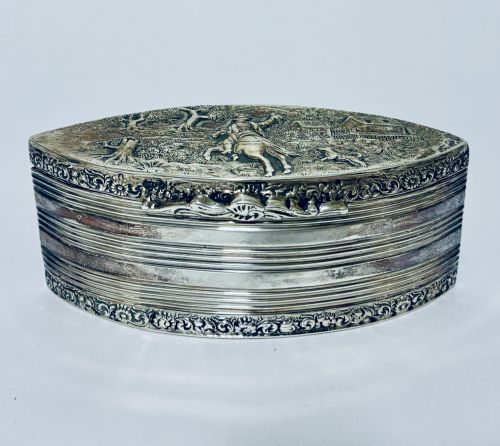
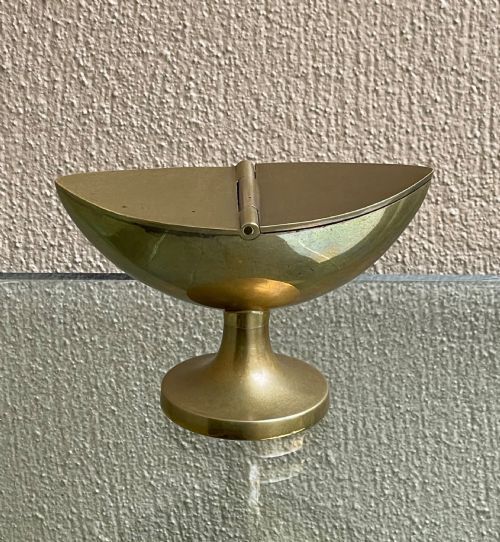
- A boat-shaped decorative form with pointed ends, popular for Georgian and later table snuff boxes. The silhouette offers an elongated oval profile.
- Castle top
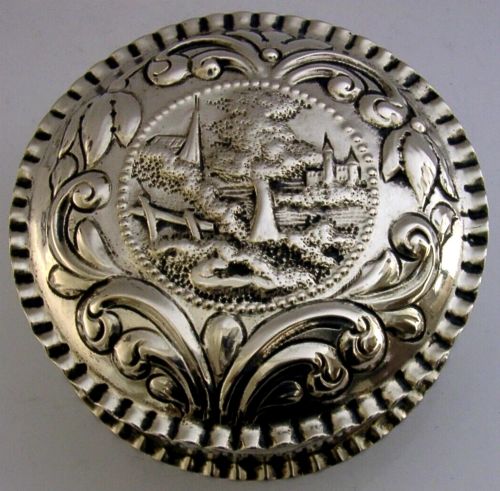
- A descriptive term for silver boxes featuring a high-relief engraving of a famous building or stately home on the lid. These date predominantly to the 19th century.
- Tunbridge ware
- A type of intricate woodwork characterised by tiny mosaic tiles made from different coloured woods to form pictorial or geometric motifs. It originates from Kent.
Vintage Trinket Container: Frequently Asked Questions
What is a vintage trinket container used for?
These small vessels served various historical functions depending on their scale, from holding dry snuff or medicinal pills to storing stamps, cufflinks, and fine jewellery. Today, they function primarily as decorative desk accessories or secure receptacles for small personal items.
Their compact dimensions make them suitable for display on dressing tables, mantelpieces, or side cabinets, where their varied materials add textural interest to an interior.
How do I date a silver trinket box?
Dating silver pieces relies heavily on hallmarks stamped into the metal, which indicate the assay office, the maker, and a specific date letter corresponding to the year of manufacture. Stylistic markers such as Art Deco geometric lines or Edwardian motifs provide a secondary guide when hallmarks are absent or rubbed.
Examining the construction of the hinge and the type of closure can also offer clues regarding the era in which the box was produced.
How should I clean antique metal boxes?
Silver and brass containers require gentle maintenance to preserve their patination and any delicate surface engraving. Utilising a soft, dry microfibre cloth removes surface dust without abrasive wear.
Avoid harsh chemical dips, particularly on pieces with enamel, glass panels, or wooden inserts, as moisture and strong agents can cause permanent damage to non-metal components.
Are wooden snuff boxes durable for daily use?
Wooden and shell snuff boxes from the 18th and 19th centuries survive well with sensible handling, though organic materials remain sensitive to drastic changes in humidity. Keeping them away from direct sunlight and extreme heat prevents the wood from warping or splitting.
Fitted hinges on wooden boxes should be operated with care to maintain the alignment of the lid and base.