





Vintage Tribal Kilim
When you handle vintage tribal kilim pieces, you touch flatwoven wool and natural dyes that carry the practical hand of nomadic weavers across centuries.
Vintage Tribal Kilim
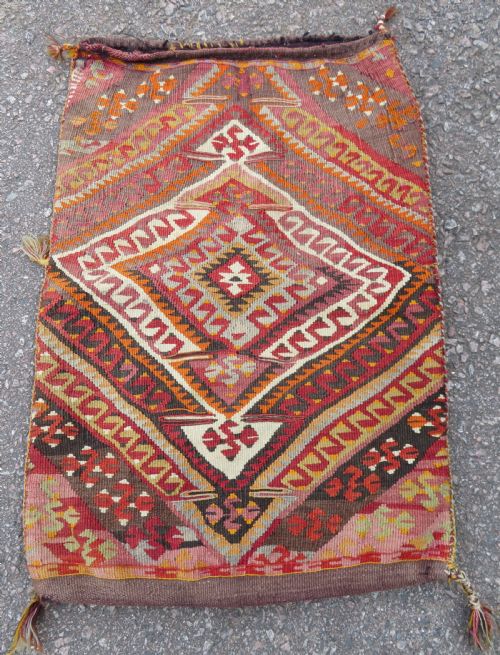
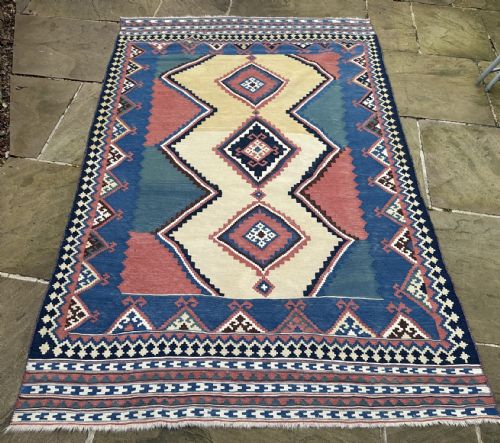
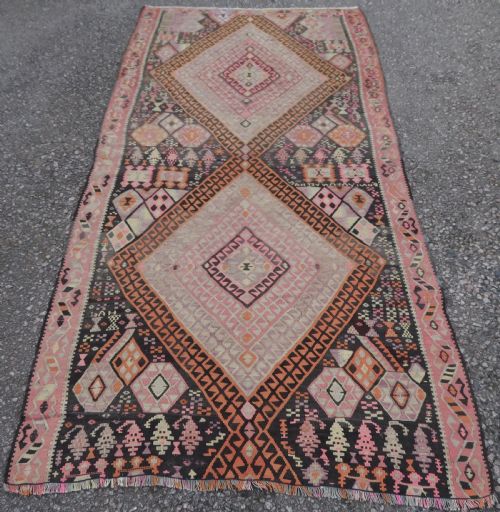
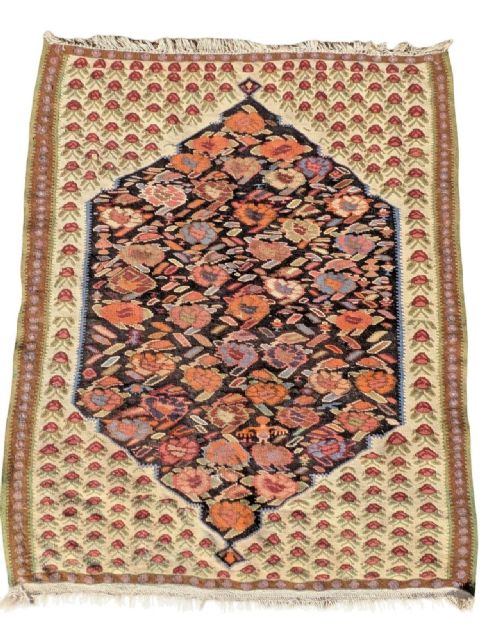
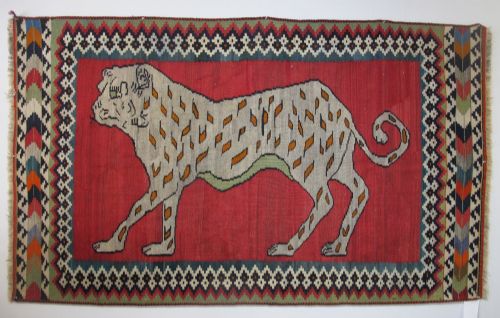
A vintage tribal kilim represents a flatwoven textile created by nomadic and village weavers across Persia, Anatolia, the Caucasus, and Central Asia. These items were woven for daily utility inside tents and homes, functioning as floor coverings, blankets, storage bags, or dining cloths.
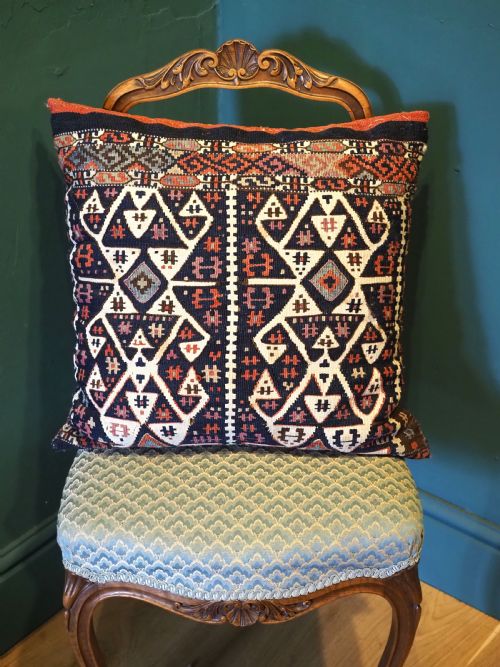
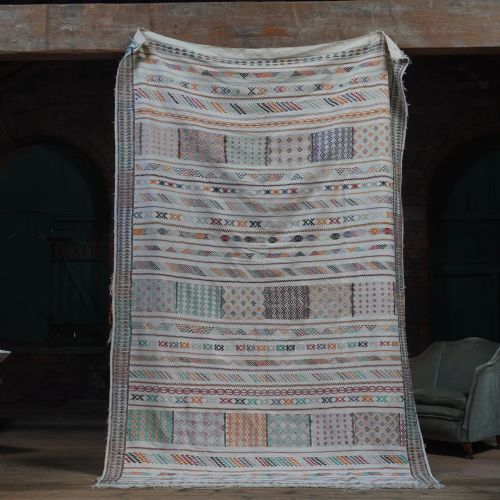
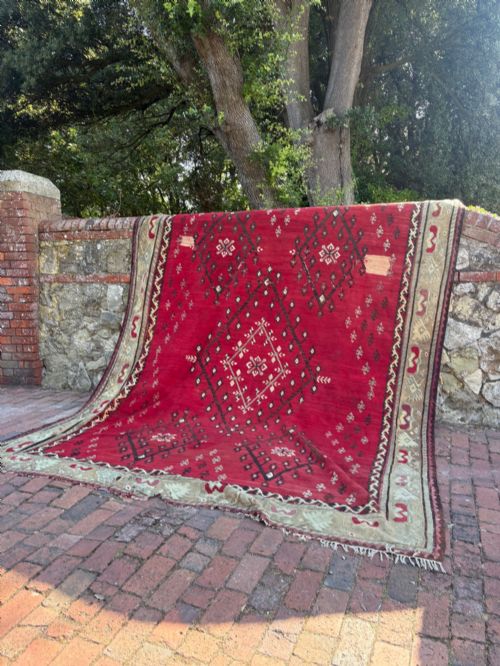
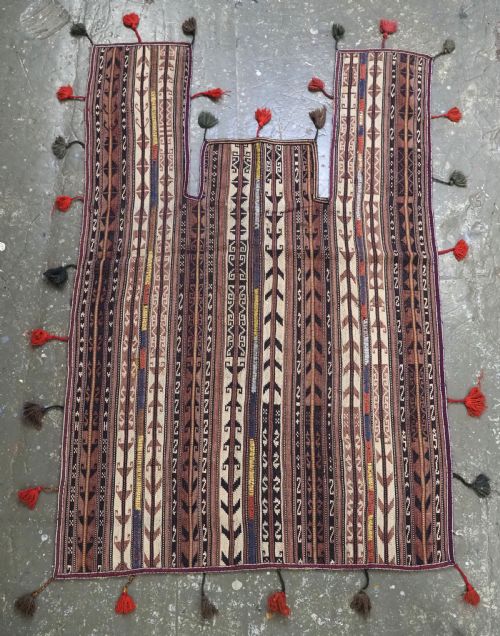
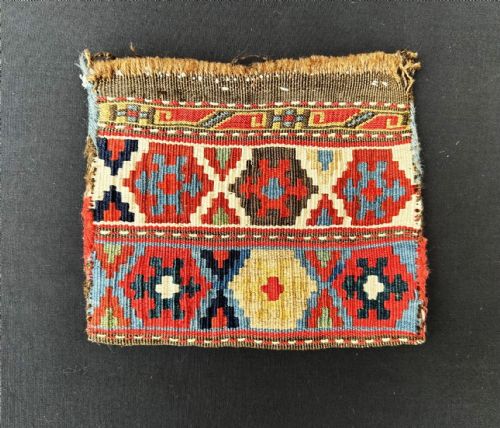
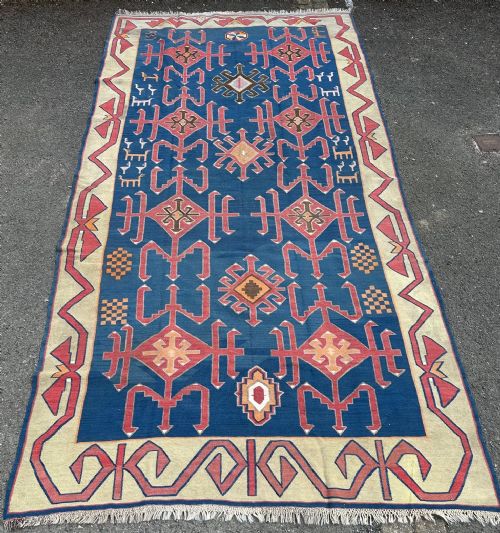
On this page, you are most likely to meet practical household forms ranging from large rugs and runner rugs to smaller cushions, pillows, saddle bags, and bread sofreh cloths. Their origins trace back through diverse tribal groups including the Qashqai, Luri-Bakhtiari, Shahsevan, and Afshar.
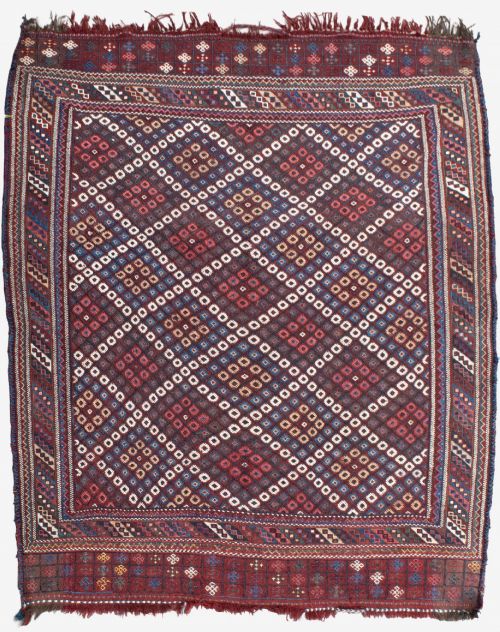
The visual language of these textiles relies on geometric motifs, banded designs, and traditional tribal symbols passed down through generations. Each piece captures a specific regional aesthetic rooted in the material culture of nineteenth and early twentieth-century nomadic life.
How they were made
The primary materials recorded in these textiles are hand-spun wool, cotton, goat hair, and occasional cactus silk or sabra fibre. Weavers utilised slit-taproot weaving techniques and banded flatweave structures to create durable, pileless fabrics without a knotted surface.
Colour comes from natural dyes derived from regional plants and minerals, yielding soft tones that mellow gracefully over decades of exposure and use. The foundation warp and weft threads were beaten tightly together during construction to ensure structural strength for nomadic living.
Vintage Tribal Kilim Retail Price Guide 2026
Typical asking prices for vintage tribal kilim among the pieces listed under this phrase on Sellingantiques today, from the lower quarter to the upper quarter. They describe what is for sale here now, not the wider market.
Listings span wool, cotton, and natural dyes across periods from the eighteen-fifties through the nineteen-forties.
What varies in quality
Quality in these flatweaves rests upon the fineness of the weave, the tightness of the tension, and the purity of the wool used in the construction. Pieces with dense, even beating and crisp geometric delineation display a higher standard of nomadic craftsmanship.
The complexity and nuance of the natural dye palette also dictate the aesthetic standing of a piece, with harmonious, shifting colour gradients elevating the visual depth. Preservation of the original edge finishes and structural integrity without heavy modern alterations distinguishes the finer examples.
Luri Tribes Luristan·Lori-Bakhtiari Nomads·Shahsevan Nomads·Qashqai Tribes·Yomut Turkmen
The Vintage Tribal Kilim Glossary
- Kilim
- A flatwoven textile or rug produced without a pile by tightly interweaving warp and weft strands. This technique creates a lightweight, reversible fabric traditionally used for floor coverings and wall hangings.
- Sofreh
- A ceremonial or practical eating cloth and spread woven by tribal communities for serving meals or handling bread. These textiles often feature specific regional iconography and elongated rectangular proportions.
- Sumak
- A supplementary weft-wrapping technique that produces a textured surface resembling embroidery on the reverse side. It adds structural weight and intricate detail to Caucasian and tribal flatweaves.
- Mafrash
- A large rectangular storage bag or travel chest face woven in flatweave or sumak techniques by nomadic groups. They were used to transport household belongings during seasonal migrations.
- Warp
- The stationary vertical threads stretched rigidly on a loom before weaving begins. The horizontal weft threads are passed over and under these foundational lines.
Vintage Tribal Kilim: Frequently Asked Questions
What is a kilim?
A kilim is a flatwoven textile made without any pile, created by tightly interlocking horizontal weft threads through vertical warp threads. This method produces a thin, durable fabric used traditionally for rugs, blankets, and storage bags.
These pieces differ from knotted carpets because their surface is smooth and reversible. Nomadic weavers prized this construction for its lightweight strength during seasonal migrations.
How were sofreh cloths used?
Sofreh cloths served as clean surfaces placed on the ground for communal dining, preparing dough, or wrapping bread within nomadic tents. Different tribes wove specific formats for daily meals or ceremonial gatherings.
Their rectangular proportions and geometric borders reflect the practical domestic routines of Persian and Central Asian village life. Today, they function primarily as decorative wall hangings or floor accents.
How do I care for a vintage kilim?
Care for these flatweaves requires gentle regular vacuuming without a rotating brush head to protect the hand-spun wool and flatwoven structure. Professional textile cleaning is recommended when deeper maintenance becomes necessary.
Keeping them out of direct, harsh sunlight helps preserve the natural dyes from fading over time. Using an appropriate underlay prevents slipping and reduces friction against hard floors.
How can I tell regions apart?
Regional identity appears through distinct colour palettes, wool characteristics, and specific geometric symbol arrangements unique to each tribe. Caucasian pieces often show crisp, bold iconography while Persian tribal works display softer, organic tonalities.
Examining the structural edge finishes and specific weaving techniques also points toward the workshop or nomadic group responsible. Each producing area maintained strict adherence to its own local design vocabulary.