




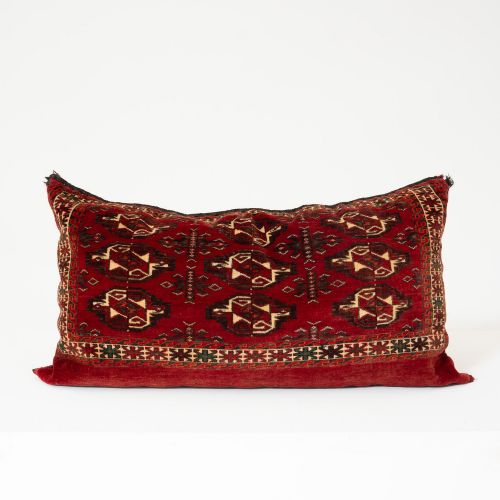
Vintage Tribal Bag
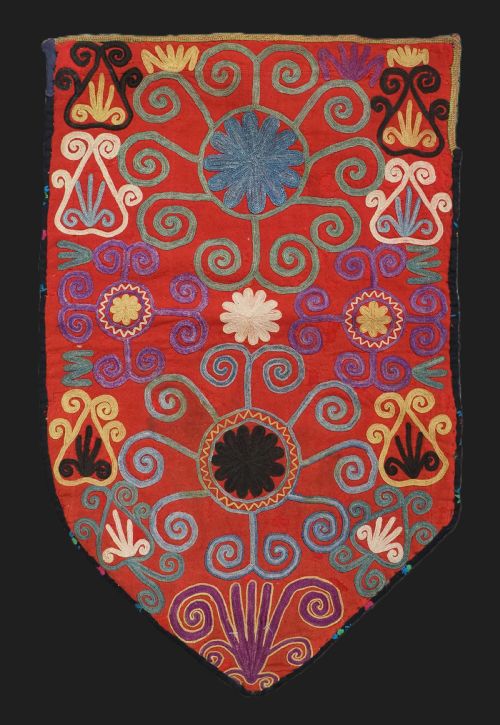
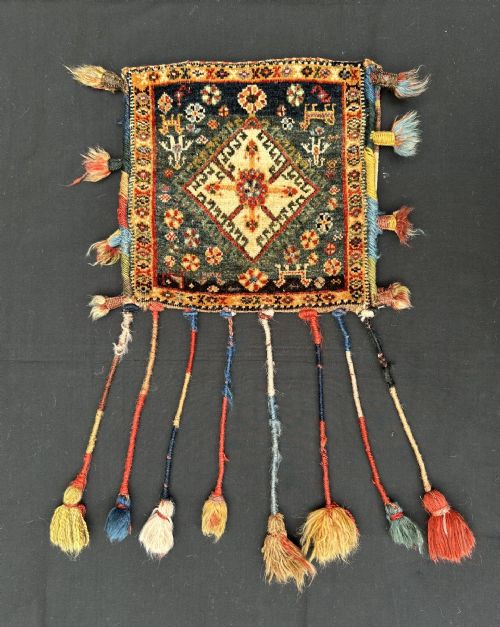
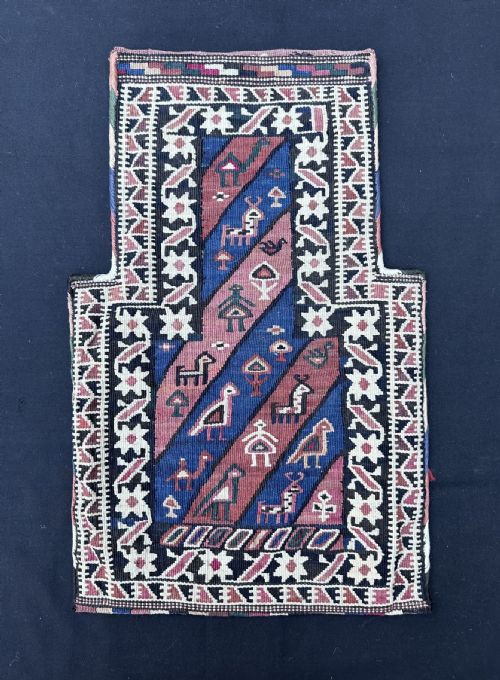
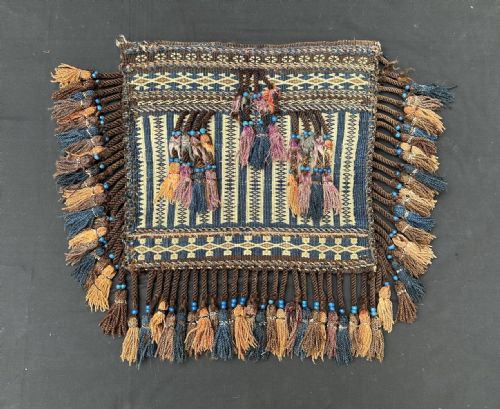
A vintage tribal bag brings tactile nomadic heritage into a room through rich wool textures and geometric designs.
Vintage Tribal Bag
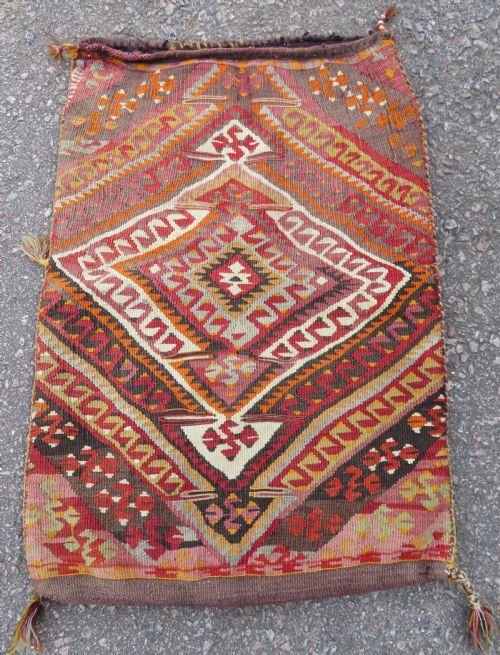
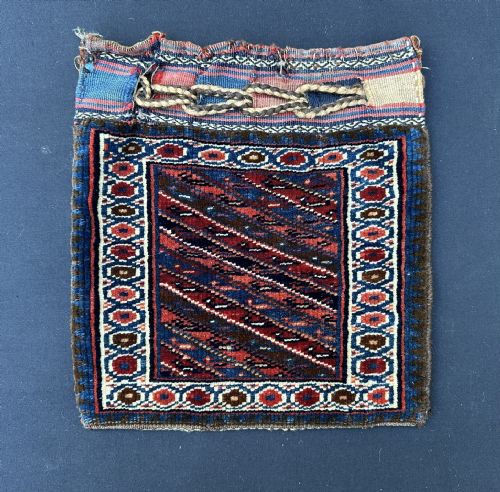
When you search for a vintage tribal bag, you encounter utilitarian items created by nomadic and village weavers across Persia, Central Asia, and Anatolia. These textiles served practical purposes within tribal camps, functioning as grain sacks, storage pouches, salt bags, and saddle bags before finding new life as decorative objects.
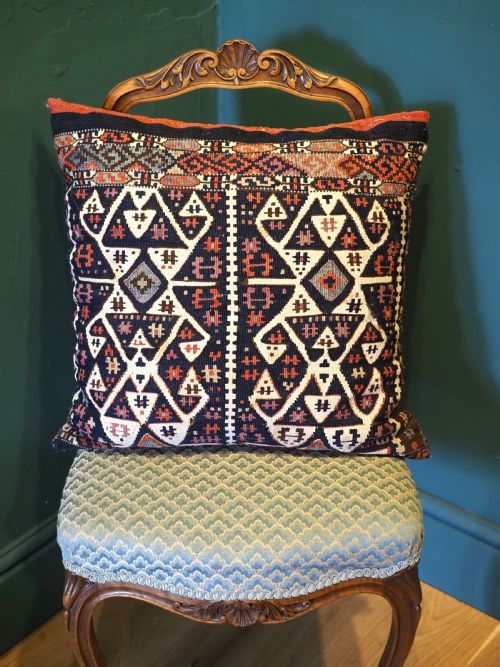
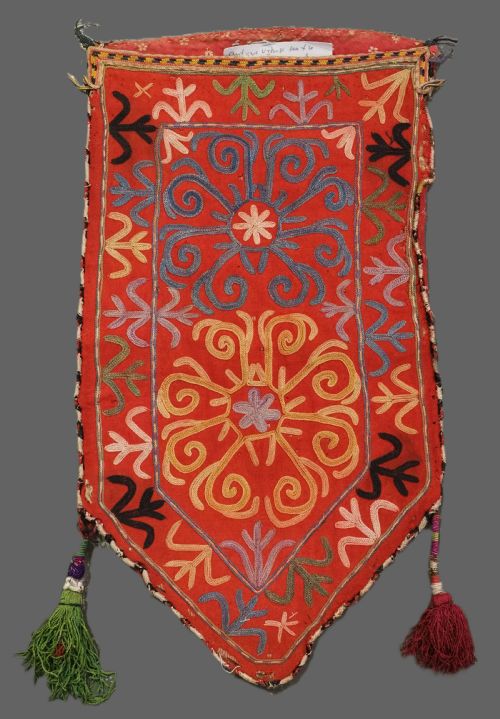
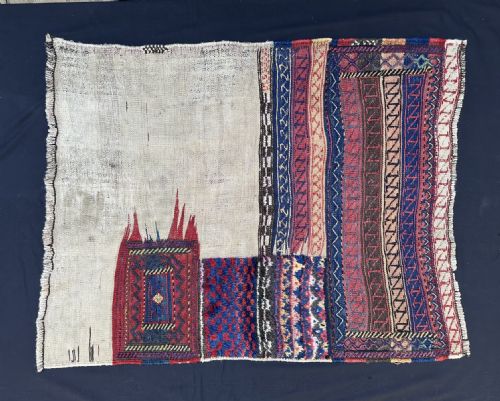
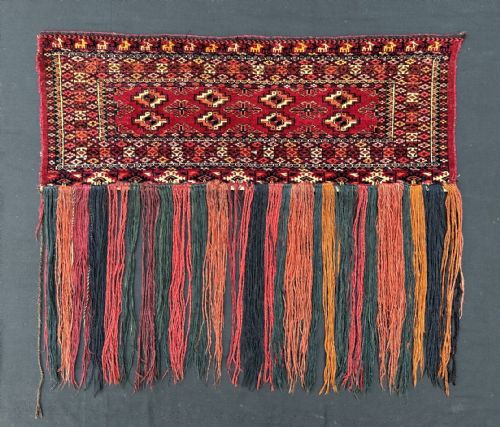
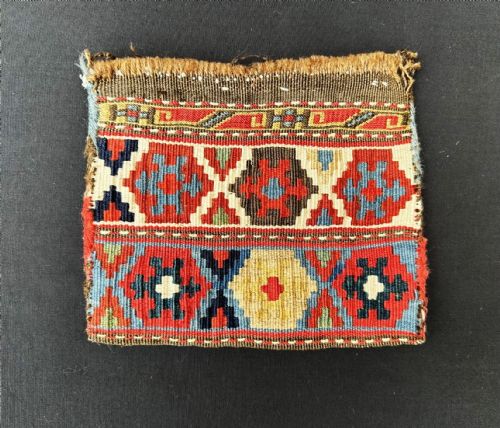
The selections on this page span the nineteenth and early twentieth centuries, capturing traditional regional patterns tied to specific groups such as the Turkmen, Qashqai, Baluch, Shahsavan, and Uzbek Lakai tribes. Common formats include complete face pairs, smaller vanity bags, and repurposed cushions that retain their original woven character.
Materials and construction
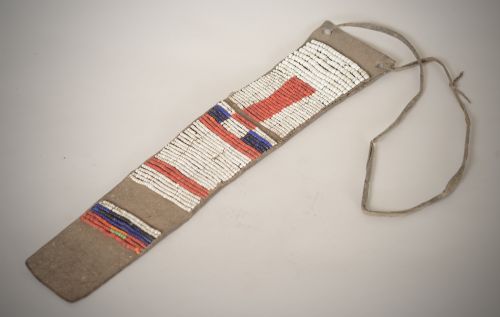
Weavers relied principally on hand-spun wool and cotton foundations, often incorporating goat hair for structural durability and highlights of silk or glass beads for specific decorative motifs. Natural dyes derived from local plants and minerals provided the deep reds, indigos, and ivory grounds characteristic of these pieces.
Techniques varied from pile weaving to flatweave structures such as kilim and sumac, allowing artisans to produce both dense storage faces and flexible utilitarian sacks. Many surviving examples combine pile fronts with plain-weave wool backs designed to withstand the wear of nomadic transit.
Vintage Tribal Bag Retail Price Guide 2026
Typical asking prices for vintage tribal bag among the pieces listed under this phrase on Sellingantiques today, from the lower quarter to the upper quarter. They describe what is for sale here now, not the wider market.
Materials documented across the inventory include hand-spun wool, cotton, silk, goat hair, hide, and glass beads.
Assessing craftsmanship
Quality in these textiles rests upon the fineness of the knotting or weave density, the precision of the geometric layout, and the depth achieved through natural dyeing methods. Superior examples display crisp tribal motifs and harmonious colour saturation that has mellowed gracefully over decades.
The integrity of the remaining structure and the survival of original side cords or plain-weave backs further distinguish exceptional survivals from heavily altered fragments. Pieces demonstrating regional design clarity and uncompromised structural authenticity command greater appreciation.
Tekke Tribes·Yomut Tribes·Ersari Tribes·Shahsavan Nomads·Lakai Tribe·Baluch Tribes·Afshar Tribes
The Vintage Tribal Bag Glossary
- Torba
- A small Turkmen wall-hanging storage bag traditionally used inside a yurt. These wide rectangular pouches often feature distinct tribal gul patterns.
- Gul
- A medallion motif repeated across Turkmen and Central Asian weaving. Each pattern identifies a specific tribe or clan grouping.
- Khorjin
- A traditional double-sided saddle bag woven to carry belongings during nomadic migrations. Surviving pieces are frequently separated into individual bag faces.
- Sumac
- A warp-wrapping flatweave technique that produces a textured, durable surface without pile. This method allows for sharp diagonal lines in geometric designs.
- Uut kap
- A large storage bag created by Uzbek and Lakai groups in Central Asia. They frequently incorporate silk embroidery on wool grounds.
Vintage Tribal Bag: Frequently Asked Questions
What were tribal bags used for?
Nomadic groups utilised these woven containers for practical storage and transport during seasonal migrations across Persia and Central Asia. They held grain, salt, bedding, and personal possessions inside tents and upon pack animals.
Over time, many of these utilitarian sacks were separated from their original pairs or backing textiles to serve as decorative wall hangings, small carpets, and floor cushions in domestic interiors.
How do I tell different tribal designs apart?
Weaving traditions express themselves through specific colour palettes, geometric structures, and repeating motifs unique to each regional group. Turkmen pieces frequently feature octagonal gul medallions on deep red fields, while Persian examples by Qashqai or Afshar weavers lean towards indigo grounds and varied animal or floral abstractions.
Studying the handling of borders, flatweave finishes, and secondary wool colours helps connect a textile to its specific geographic and cultural origin.
How should I clean and care for antique textiles?
Maintenance requires gentle handling, avoiding direct and prolonged exposure to strong sunlight that can fade natural dyes. Regular light vacuuming with a low suction attachment protects the wool fibres from accumulated dust.
Professional textile conservators should handle any deep cleaning or structural repairs to preserve the original hand-spun materials and prevent further deterioration of the weave.
Are these pieces complete or cut down?
Many surviving examples represent bag faces rather than complete three-dimensional sacks, as the decorative front panels were historically preserved when the utilitarian backs wore out. Some items retain their original plain-weave wool backs, while others have been mounted or converted into cushions.
Checking the listings for descriptions of complete construction, original side cords, or added backing materials clarifies the physical state of each individual textile.