



Vintage Tribal Bag Face
A vintage tribal bag face represents the woven front of a nomadic storage pouch, offering bold geometric motifs and rich textile history.
Vintage Tribal Bag Face
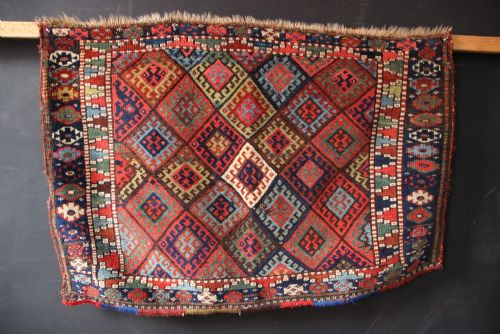
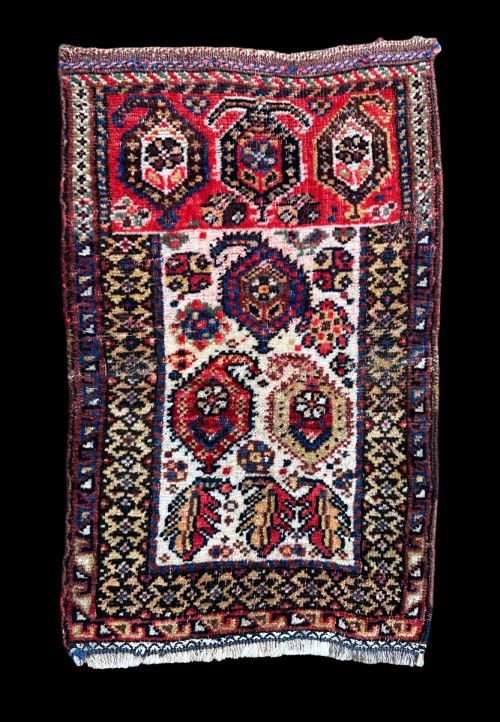
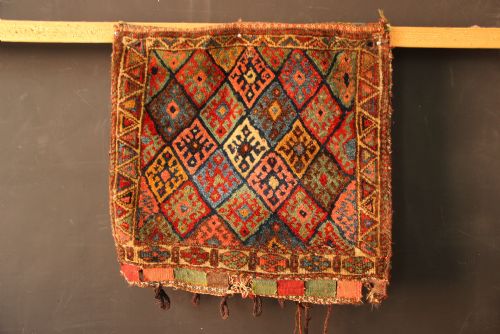
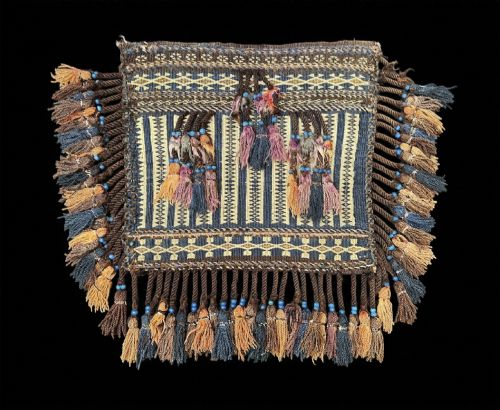
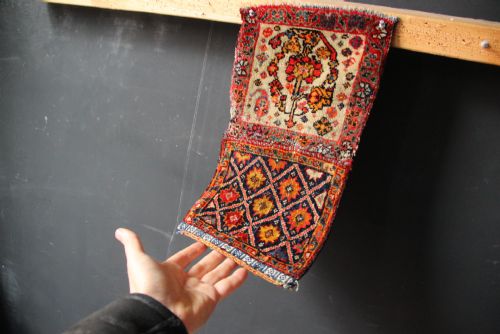
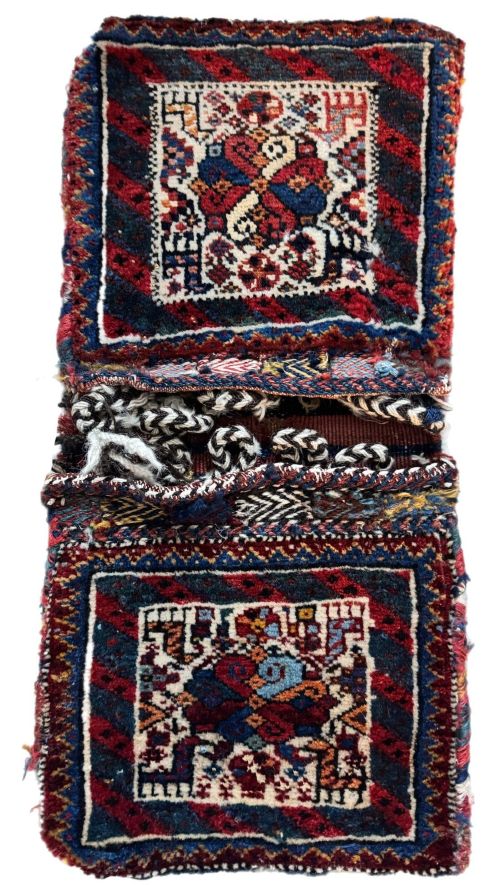
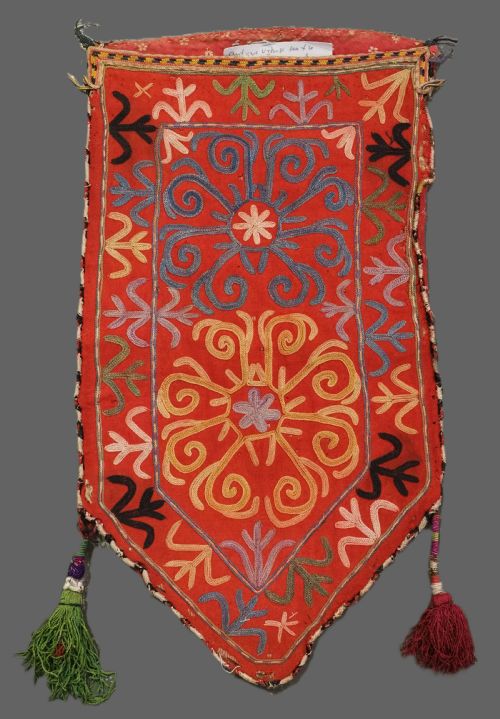
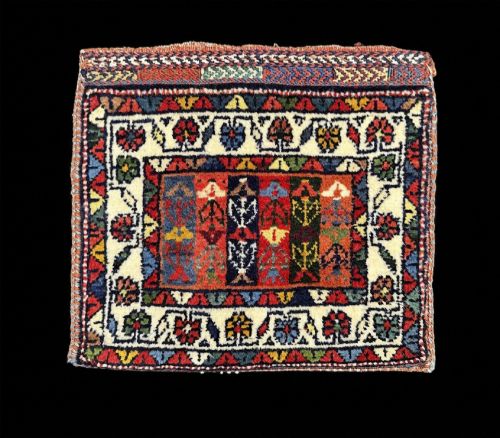
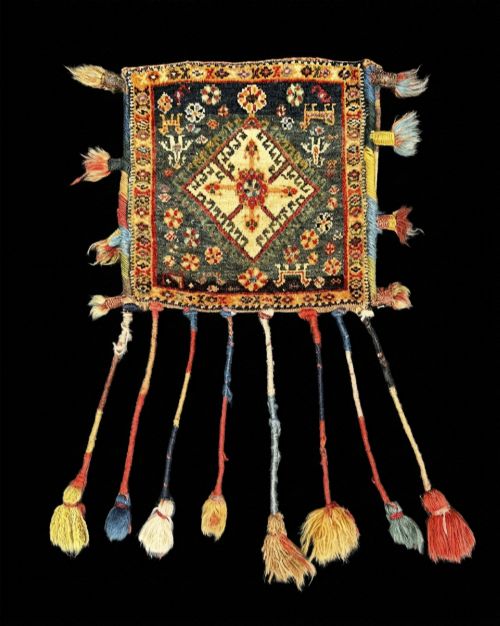
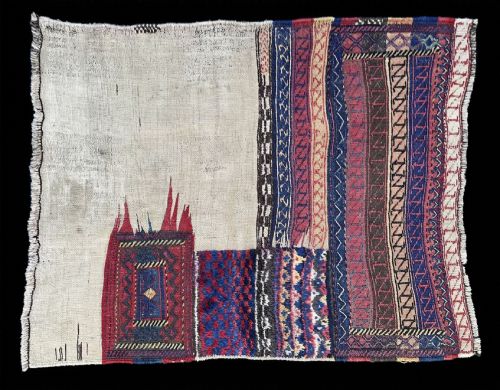
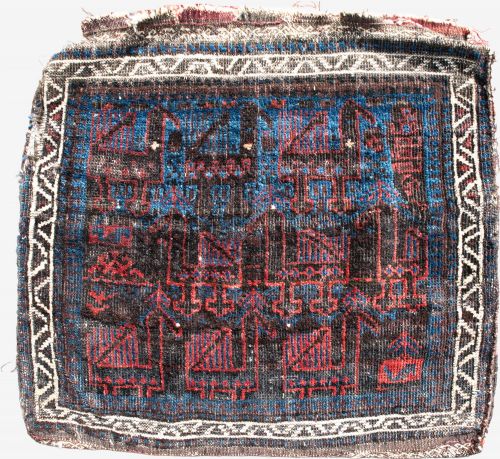
A vintage tribal bag face originates from the functional textiles woven by nomadic and village groups across Persia, Central Asia, and the surrounding regions. These fragments are the surviving front panels of larger utility sacks, such as saddle bags, storage pouches, and tent bags, which were separated from their original backs over time. On this page, buyers encounter various tribal formats including torbas, chuvals, and khorjins from weaving groups like the Tekke, Yomut, Qashqai, and Baluch.
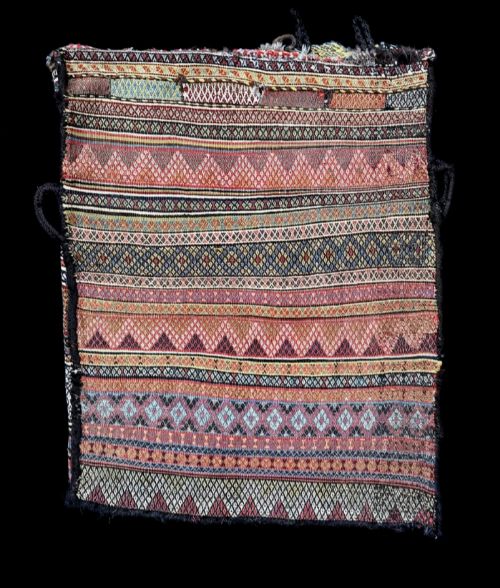
The format of a vintage tribal bag face typically showcases a dense field of repeating tribal motifs, primary guls, or banded flatweave designs intended to display the weaver's identity and clan affiliation. Many examples stem from the nineteenth and early twentieth centuries, reflecting traditional nomadic life through utilitarian objects transformed into decorative wall hangings or cushions. Collectors value these textiles for their authentic connection to regional weaving traditions that preceded modern commercial production.
Assessing quality
Quality in a vintage tribal bag face depends on the tightness and density of the weave, which dictates the clarity and definition of the design motifs. Finer knot counts and precise execution of primary guls distinguish the most accomplished nomadic weaving from standard utility pieces.
The depth, complexity, and saturation of the natural dye palette also determine distinction, alongside the survival of crisp geometric lines and original structural edges such as hanging loops or complete borders.
Vintage Tribal Bag Face Retail Price Guide 2026
Typical asking prices for vintage tribal bag face among the pieces listed under this phrase on Sellingantiques today, from the lower quarter to the upper quarter. They describe what is for sale here now, not the wider market.
Some Yomut bag faces retain their original spindle bag origins, reminding us that nomadic spinners worked on the move.
The Vintage Tribal Bag Face Glossary
- Gul
- A primary octagonal or medallion-like motif used repeatedly in Turkmen and other Central Asian tribal weaving. Each pattern often signifies a specific tribe or clan.
- Torba
- A small rectangular storage bag traditionally used inside a nomadic tent for holding household goods or personal items. These pieces frequently feature a wide main field and a patterned lower border.
- Chuval
- A large tent storage bag produced by Turkmen tribes, designed to hold bedding and heavy clothing. Surviving faces show the rich primary design field detached from the plain wool back.
- Khorjin
- A traditional double saddle bag used for transport on animals during nomadic migrations. The bag face represents one side of this paired utility format.
- Sumac
- A versatile flatweave technique involving wrapped weft threads that create a durable, textured surface without a pile. This method provides crisp geometric pattern definition.
Vintage Tribal Bag Face: Frequently Asked Questions
What is a vintage tribal bag face?
A vintage tribal bag face is the decorative front panel of a nomadic storage sack, saddle bag, or tent pouch that has been separated from its original backing.
These textile fragments preserve the traditional geometric designs, clan symbols, and weaving techniques of tribal groups from Persia and Central Asia.
How were these bags originally used?
Nomadic groups utilised these bags for storing household goods, bedding, clothing, and personal items inside tents or for transporting possessions across landscapes on pack animals.
Over decades of use, worn backing materials were removed, leaving the durable woven face to survive as a decorative textile.
How do I display a bag face at home?
Many collectors mount these textile panels directly onto the wall as flat art pieces or frame them to protect the wool pile from dust and physical wear.
Smaller formats also find new life converted into decorative cushions and pillows for interiors.
How can I tell different tribal designs apart?
Tribal attribution relies on identifying specific design vocabulary, such as the repeating octagonal guls of Tekke and Yomut weavers or the boteh motifs of Afshar groups.
Palette choices, knotting structure, and regional border patterns further indicate the specific nomadic confederation or geographic origin.