



Vintage Trench Art
Vintage trench art pieces are handcrafted wartime objects made by soldiers and prisoners, offering collectors tangible connections to early twentieth-century history.
Vintage Trench Art
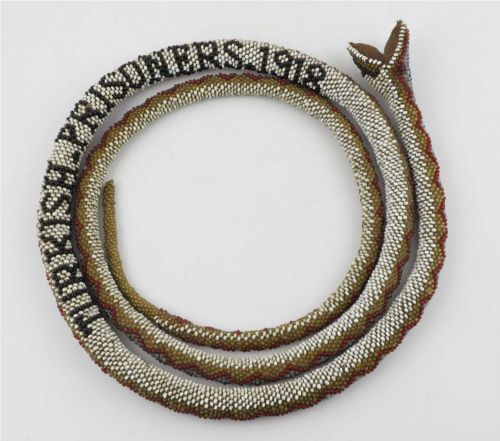
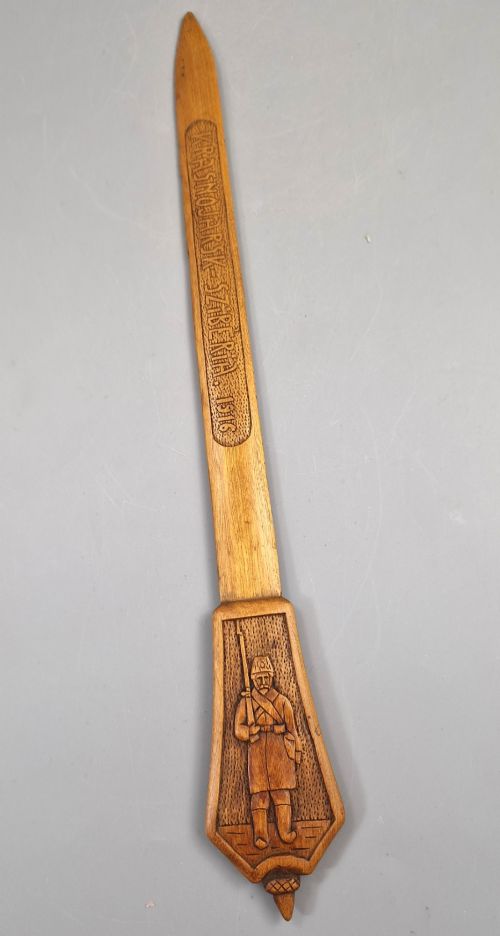
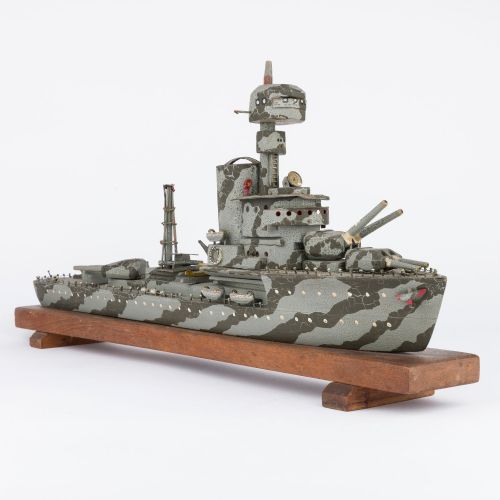
When you search for vintage trench art, you are looking at items fashioned by military personnel and prisoners of war during conflict periods, most commonly from the 1900s through the 1930s. These pieces range from brass shell cases and carved wooden letter openers to framed watercolour paintings and scale models of warships.
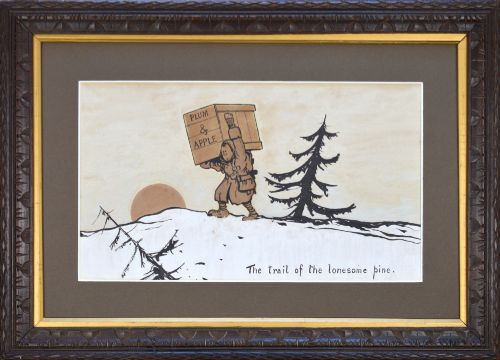
On this page, you are most likely to meet First World War trench art, alongside related early twentieth-century military objects and Edwardian items. The selection encompasses practical desk items, commemorative vessels, and personal battlefield drawings created in places such as Arras and Siberia.
How they were made
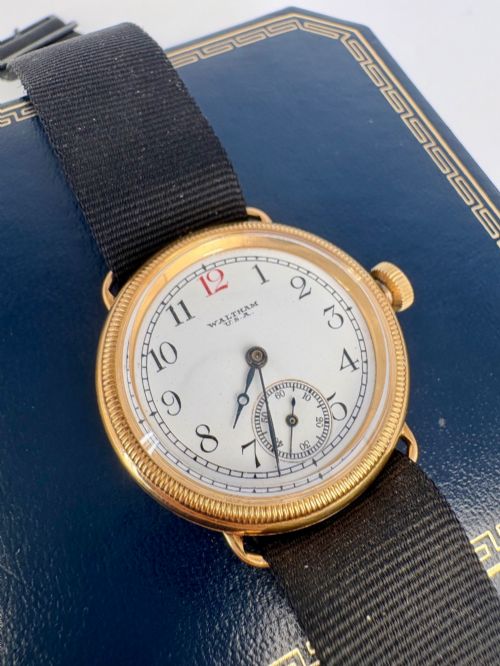
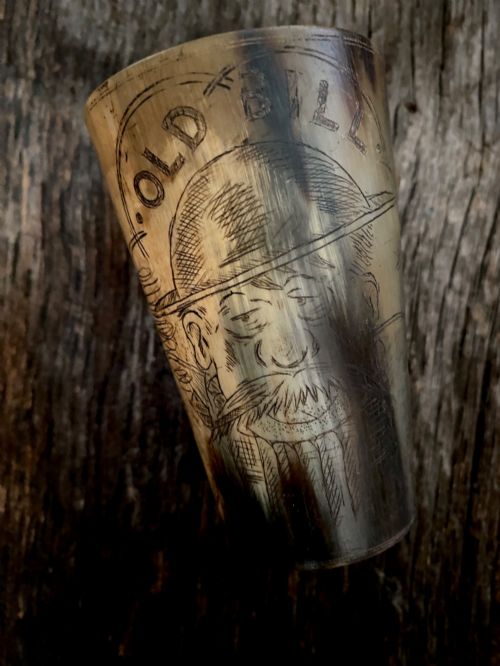
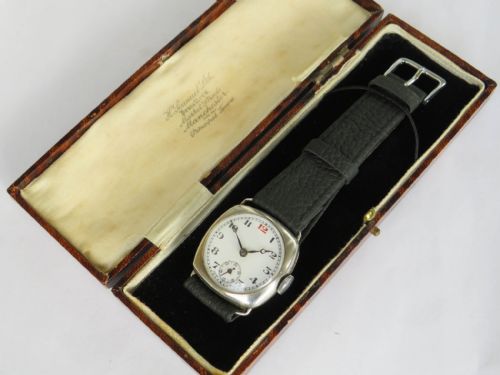
Makers utilised available battlefield and camp materials, transforming empty brass shell cases, carved wood, horn, and discarded metal into decorative and functional items. Artisans also employed paper, glass, and sterling silver for detailed watercolours, drawings, and timepieces.
Techniques relied on hand-tooling, carving, and illustration rather than industrial mass production, reflecting the resourcefulness of soldiers and prisoners during the First World War era. Metalworking and detailed woodworking dominate the physical forms seen across these listings.
Vintage Trench Art Retail Price Guide 2026
Typical asking prices for vintage trench art among the pieces listed under this phrase on Sellingantiques today, from the lower quarter to the upper quarter. They describe what is for sale here now, not the wider market.
Some soldiers whittled horn and wood into satirical propaganda pipes while waiting out the conflict.
What varies in quality
The degree of intricate hand-carving and the clarity of provenance separate standard examples from finer works, particularly in items involving detailed woodwork or horn propaganda pipes. Attribution to specific makers or known historical locations adds substantial context to individual pieces.
Condition and medium also dictate overall standard, with original framed watercolours and charcoal battlefield drawings requiring careful preservation of paper and pigment. Scale models and brass vessels maintain their appeal through structural integrity and surface patination.
Bruce Bairnsfather·Leopold Halvoet
The Vintage Trench Art Glossary
- Trench art
- Objects made by soldiers, prisoners of war, or civilians from war debris and military materials. These items served as keepsakes, practical tools, or trade goods.
- Shell case
- A hollow brass or metal cylinder left over from artillery ammunition. Makers frequently hammered, engraved, or shaped these into vases and candlesticks.
- Propaganda pipe
- A smoking pipe carved with satirical, political, or military motifs. They often incorporate carved wood and horn.
- Edwardian
- Pertaining to the reign of King Edward VII from 1901 to 1910. This period heavily influences the earlier items found in these military collections.
Vintage Trench Art: Frequently Asked Questions
How were trench art items used?
Many trench art pieces served daily functional roles in camps or at home, such as letter openers, mantle clocks, candlesticks, and smoking pipes. Others functioned as personal keepsakes, commemorative vessels, or artwork designed to record wartime experiences.
Soldiers also traded or sold these handmade objects to secure extra provisions or materials while stationed near the front lines.
How do I date trench art?
Dating these items relies on identifying inscribed dates, military campaigns, stylistic markers, and the specific periods of manufacture represented in the materials. Pieces often align with the First World War and the Edwardian era through the nineteen-thirties.
Contextual clues such as prisoner of war camp locations or specific artist signatures help narrow down the exact timeframe of creation.
How should I display trench art?
Displaying these objects involves placing brass vessels, carved wood, and metal models in stable environments away from excessive moisture and direct sunlight. Framed watercolours and charcoal drawings require conservation-grade framing to protect fragile paper surfaces.
Grouping complementary items like desk accessories or shell cases together highlights their shared historical origins and material qualities.