

Vintage Treen
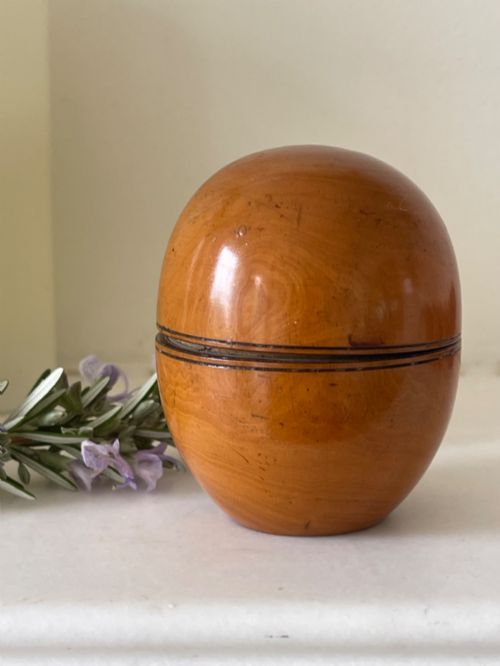
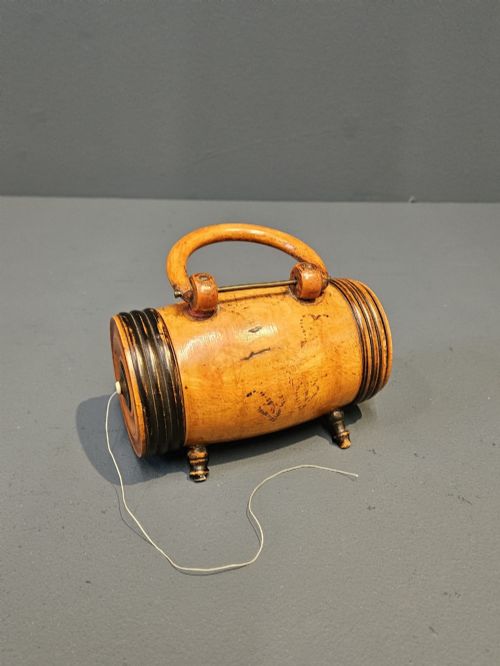
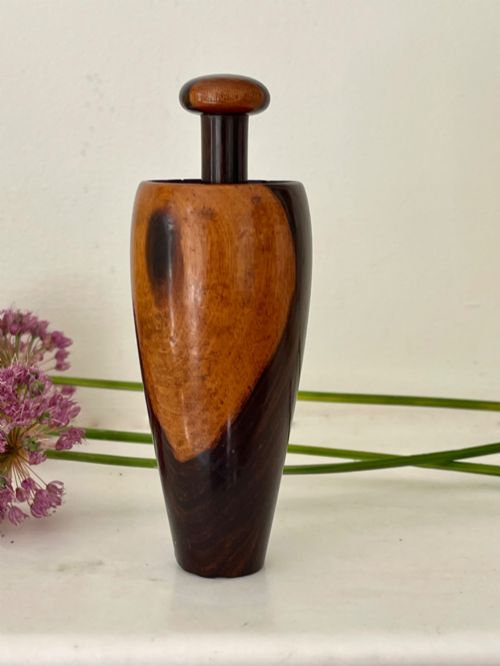
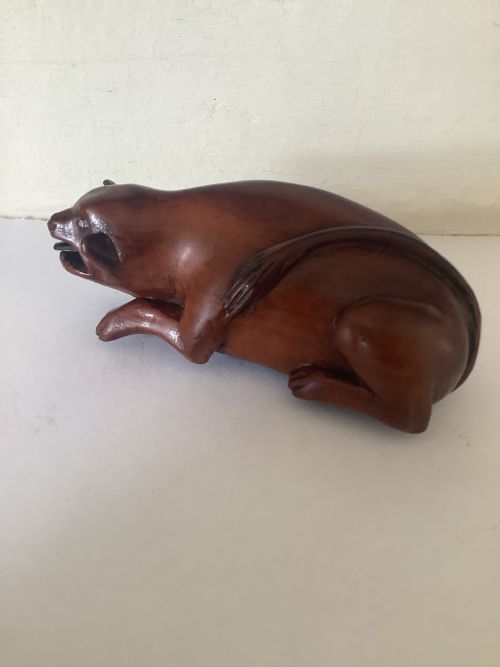
Vintage treen items are small wooden domestic and utilitarian objects that collectors prize for their functional history and tactile domestic charm.
Vintage Treen
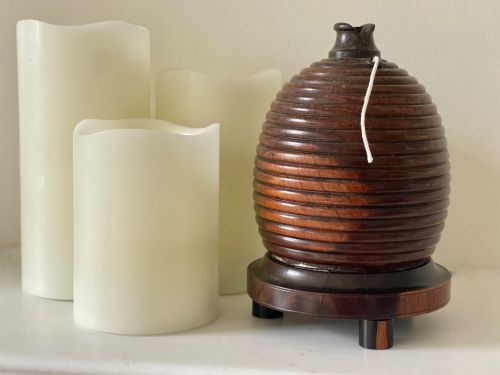
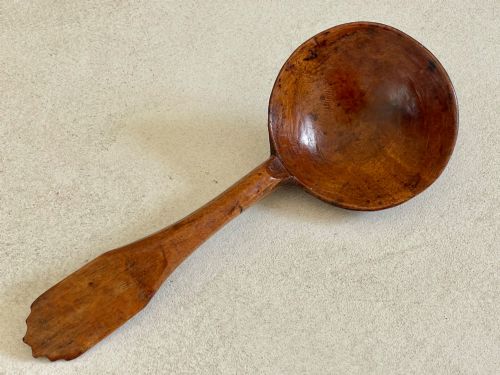
Vintage treen encompasses a wide variety of small wooden household objects, utilitarian kitchenalia, and personal accessories shaped by hand or lathe across multiple centuries. When searching for vintage treen, buyers most commonly encounter domestic items produced in dairy, kitchen, and parlour settings.
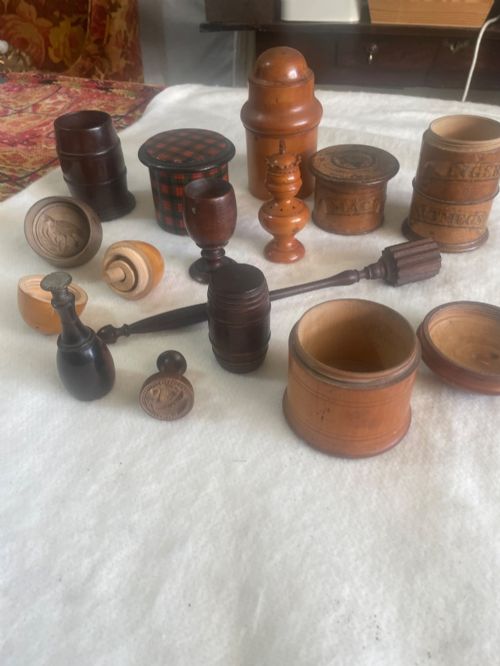
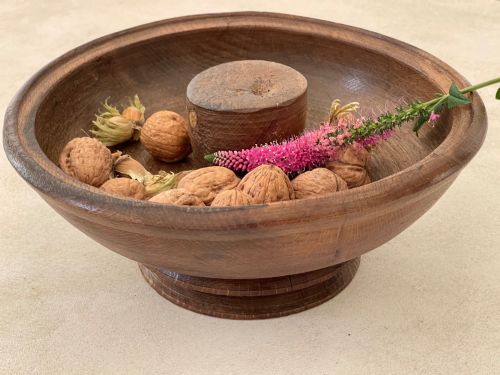
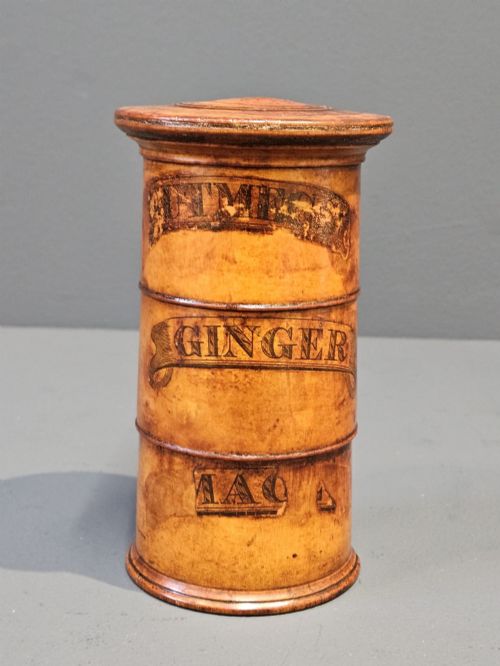
The material record spans centuries from the seventeenth through the early twentieth century, showing periods such as Georgian, Victorian, and seventeenth-century folk art. Forms range from utilitarian dairy bowls and spice towers to knitting sheaths, tobacco jars, and snuff boxes.
Geographic origins in the selection include English, Scottish, Welsh, and Scandinavian pieces, reflecting diverse regional wood-turning traditions and domestic needs. These objects served everyday domestic functions before surviving as decorative and collectible items.
Materials and construction
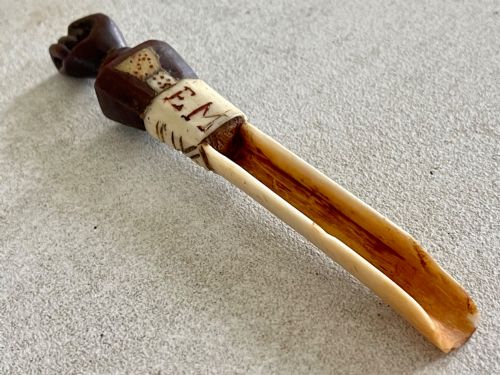
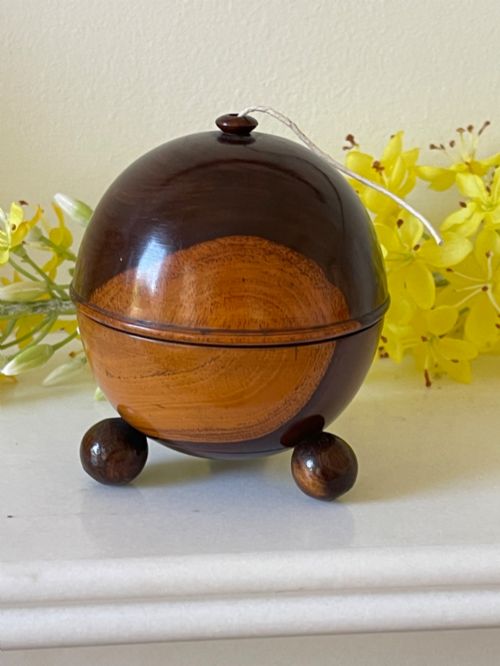
Makers utilised native hardwoods and fruitwoods including sycamore, boxwood, walnut, beech, and lignum vitae, selected for their density and grain structure. Turning on a lathe formed hollowware vessels, pedestal goblets, and string boxes, while hand carving shaped figurative nutcrackers and knitting sheaths.
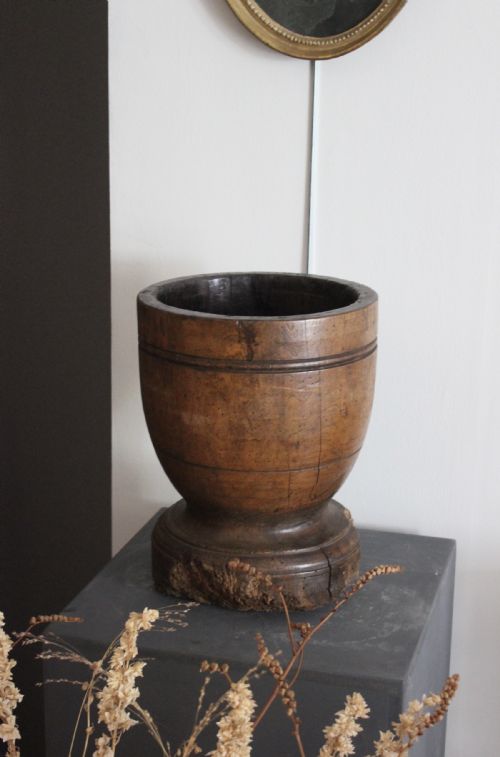
Surface finishing relied on natural wear, repeated handling, and simple polishing rather than applied varnishes, allowing the underlying wood grain to show clearly. Joinery and construction methods varied from pegged or threaded two-part spice grinders to hollowed-out solid blocks for mortars and bowls.
Vintage Treen Retail Price Guide 2026
Typical asking prices for vintage treen among the pieces listed under this phrase on Sellingantiques today, from the lower quarter to the upper quarter. They describe what is for sale here now, not the wider market.
Listings feature hard and soft woods including sycamore, boxwood, and walnut across Georgian, Victorian, and seventeenth-century periods.
Judging quality and character
Quality in these wooden objects rests on the crispness of the original turning or carving and the depth of the surface patina developed through sustained handling. Pieces retaining distinct tool marks, original operational elements like cutters or silver linings, and clear structural integrity stand apart from lesser examples.
The Vintage Treen Glossary
- Treen
- Small handmade wooden domestic objects. The term derives from the old English word for tree.
- Kitchenalia
- Utilitarian culinary equipment used in food preparation and dairy work. These items were designed strictly for domestic labour.
- Knitting sheath
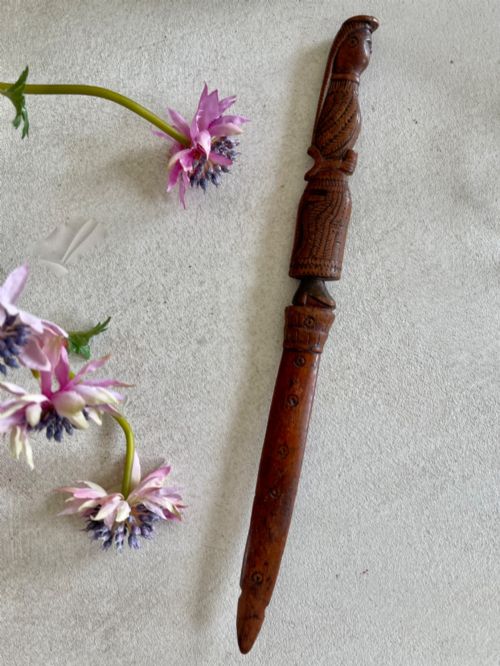
- A small carved wooden sleeve tucked into a belt to hold a knitting needle steady. They often served as tokens of affection in rural communities.
- Lignum vitae
- An extremely dense and heavy imported hardwood. Turners utilised this durable timber for items requiring high resistance to wear, such as goblets and mortars.
- Spice tower
- A multi-tiered turned wooden vessel used for storing distinct culinary spices. Individual sections threaded or stacked together securely.
Vintage Treen: Frequently Asked Questions
What is vintage treen?
Vintage treen comprises small functional wooden objects made for domestic, agricultural, and personal use before the widespread adoption of plastics and modern manufacturing.
These items range from kitchen bowls and spice towers to snuff boxes and knitting sheaths, shaped by turners and rural craftspeople.
How were treen bowls used?
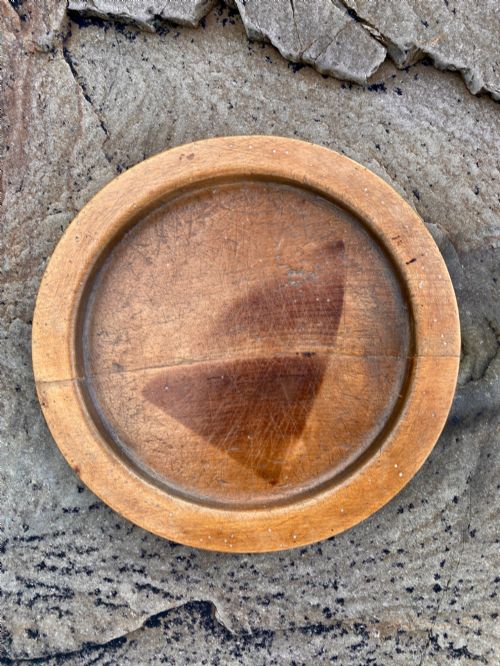
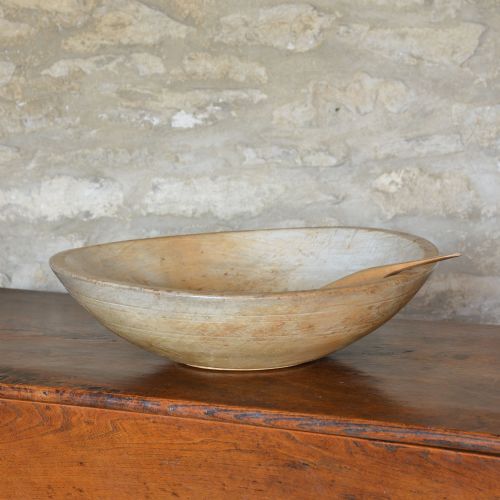
Large sycamore bowls served primarily in dairies for skimming milk and churning butter, where wood resisted the action of lactic acid.
Smaller turned wooden bowls functioned at the dining table for serving provisions or holding household dry goods.
How should I care for treen?
Keep wooden objects away from direct heat sources and sudden temperature fluctuations to prevent the timber from drying out or splitting.
Apply occasional neutral wax or mineral oil sparingly if the wood appears dry, avoiding harsh liquid cleaners.
How do I identify seventeenth-century treen?
Early pieces often display heavier proportions, tool marks from pole-lathes, and dense timbers like lignum vitae or early fruitwoods.
Construction details such as hand-cut threads on spice grinders and simple, utilitarian profiles help distinguish seventeenth-century work from later Victorian revivals.