





Vintage Treen Carving
Vintage treen carving brings domestic wooden implements and folk art objects from past centuries into daily use.
Vintage Treen Carving
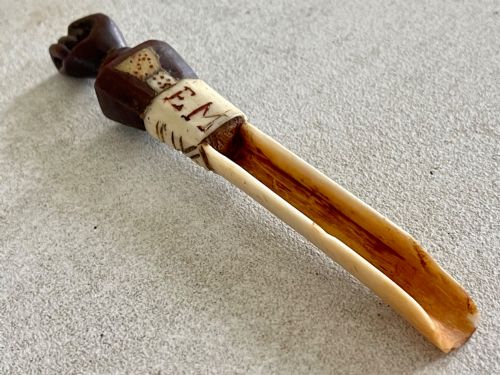
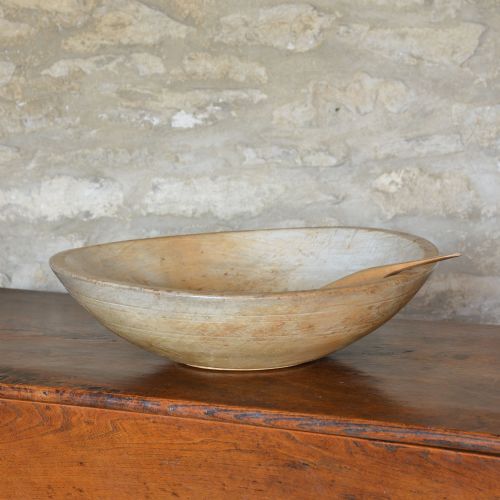
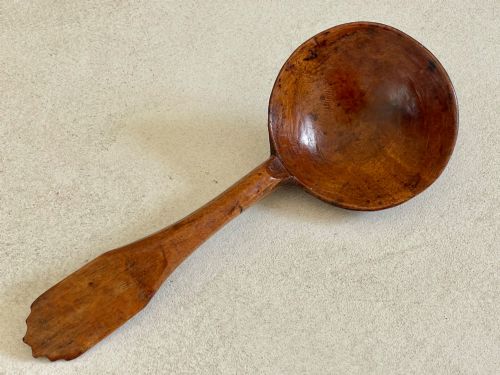
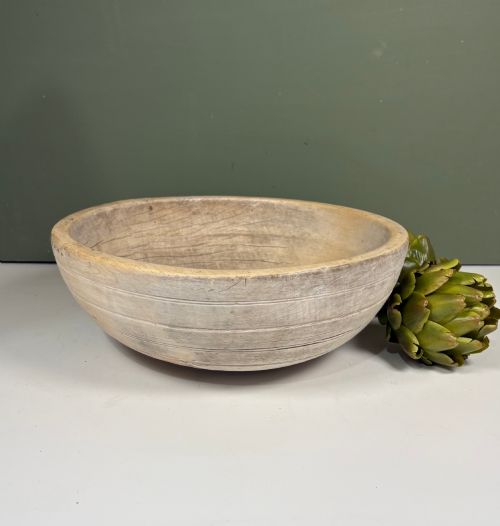
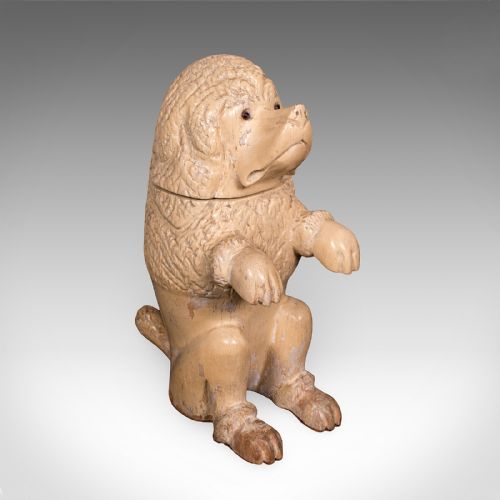
Vintage treen carving encompasses small wooden household objects and utilitarian items produced across the seventeenth, eighteenth, and nineteenth centuries. These pieces range from utilitarian kitchenalia like dairy bowls and ladles to decorative objects including snuff boxes, nutcrackers, and lovespoons.
A buyer examining this page encounters regional folk art traditions alongside formal turned items. English, Welsh, and Scandinavian origins appear frequently among the listings, showing both domestic utility and decorative craftsmanship.
The objects serve as tangible evidence of historical domestic life, fashioned from native timbers for specific daily tasks. Their survival reflects the enduring utility and tactile appeal of carved wood.
How they were made
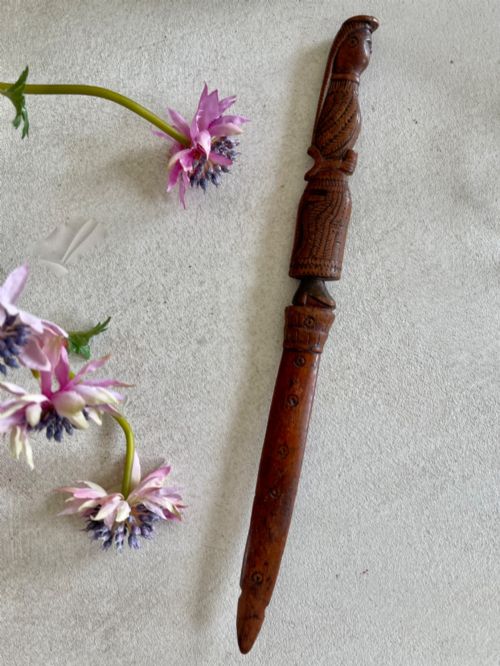
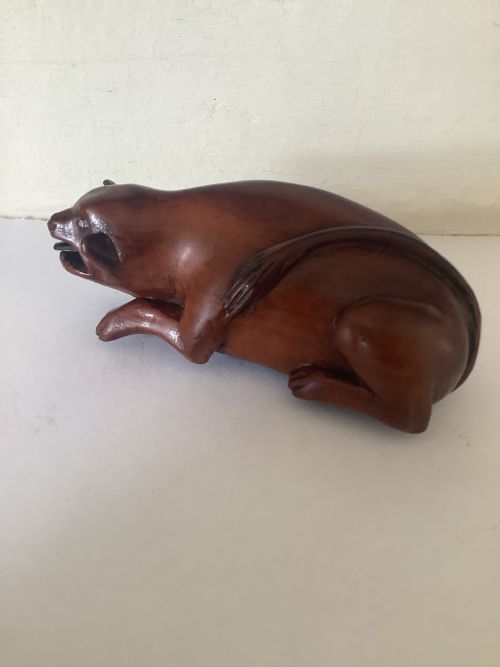
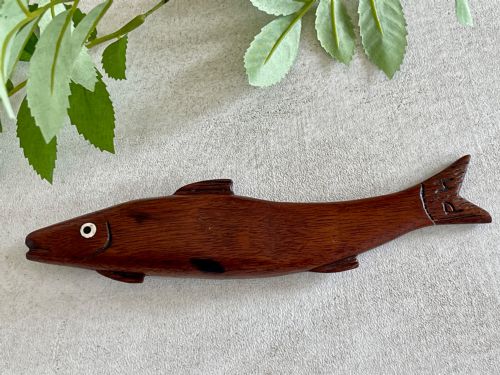
Makers utilised native hardwoods such as fruitwood, sycamore, walnut, and lignum vitae, selected for density and grain pattern. Turning on a lathe formed circular vessels and candlesticks, while hand carving shaped intricate details on knitting sheaths and nutcrackers.
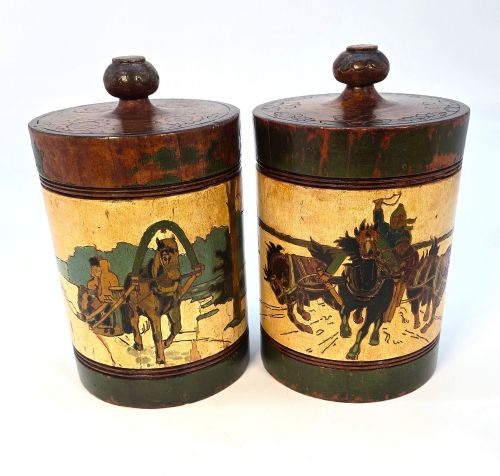
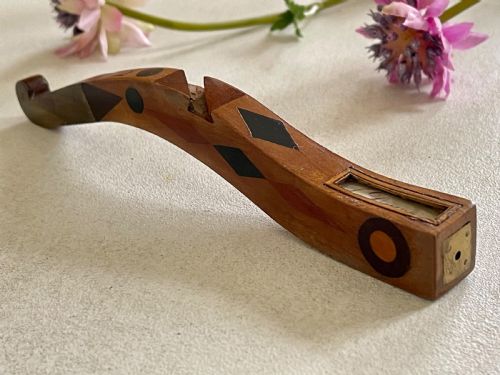
Decoration relied on direct modification of the material, employing punchwork, engraving, and inlay with geometric motifs like diamonds and circles. Some pieces incorporated applied paint or gilt highlights alongside the natural timber surface.
Vintage Treen Carving Retail Price Guide 2026
Typical asking prices for vintage treen carving among the pieces listed under this phrase on Sellingantiques today, from the lower quarter to the upper quarter. They describe what is for sale here now, not the wider market.
Listings span from the seventeenth century through the Edwardian period, featuring timber, sycamore, and fruitwood.
What varies in quality
The standard of a vintage treen carving rests upon the crispness of the hand carving and the dexterity of the lathe work. Pieces displaying purposeful tool marks and confident shaping demonstrate superior craftsmanship compared to hesitant or plain executions.
Surface character influences desirability, with well-handled timber developing a deep patina and warm colour over generations of use. The integration of decorative elements, such as punchwork or inlaid geometric patterns, separates standard utility items from more ambitious folk art.
The Vintage Treen Carving Glossary
- Treen
- Small handmade wooden domestic objects. The term derives from the old English word for tree.
- Knitting sheath
- A carved wooden holder tucked into a belt or apron to secure a single knitting needle. These items frequently display regional folk art carving and punchwork decoration.
- Lovespoon
- A traditionally decorative wooden spoon carved as a token of affection. Welsh examples often feature intricate cut-out links and symbolic motifs.
- Dairy bowl
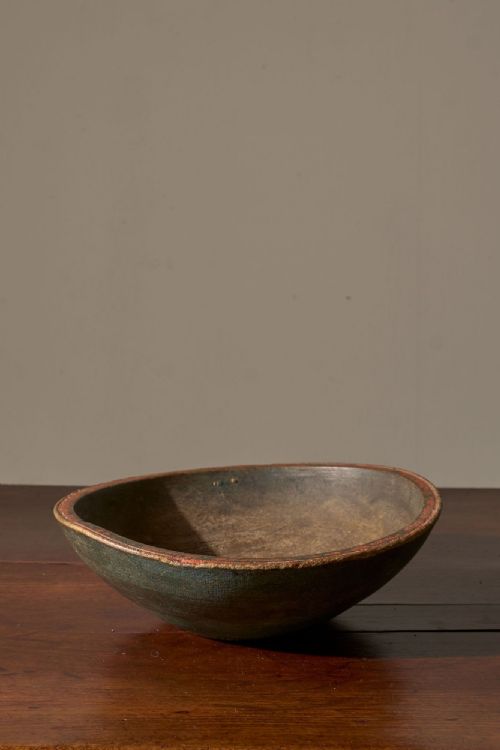
- A large wooden vessel utilised in cheesemaking and milk setting. Sycamore served as the traditional timber due to its non-porous and taint-free qualities.
- Mortar
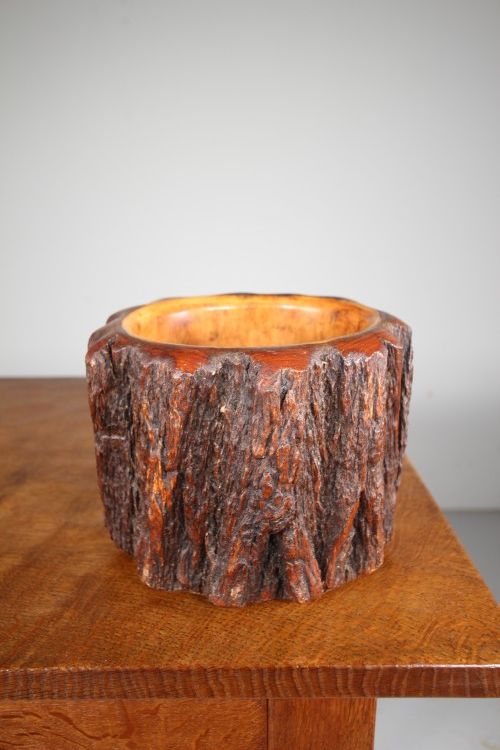
- A heavy turned vessel used with a pestle for crushing spices or medicinal ingredients. Early examples employ dense hardwoods like lignum vitae and fruitwood.
Vintage Treen Carving: Frequently Asked Questions
How were these wooden items used?
These objects served practical daily functions in homes, kitchens, and dairies. Items like ladles, spice grinders, and dairy bowls aided in food preparation and storage.
Personal objects such as snuff boxes, knitting sheaths, and tobacco jars accompanied individuals during daily tasks and leisure hours.
How do I care for wooden treen?
Wooden objects require stable environmental conditions away from direct heat sources and dramatic humidity fluctuations. Excessive dryness causes timber to split.
Gentle cleaning with a dry cloth maintains the surface. Avoid harsh chemical cleaners that strip the historic patina from the wood.
How do I identify earlier pieces?
Earlier pieces from the seventeenth and eighteenth centuries often display heavier turnings in dense timbers like lignum vitae and fruitwood. Tool marks reveal manual lathe work rather than modern production methods.
Stylistic conventions and regional folk art motifs provide further clues to dating, alongside the natural wear and patina accumulated over centuries.