



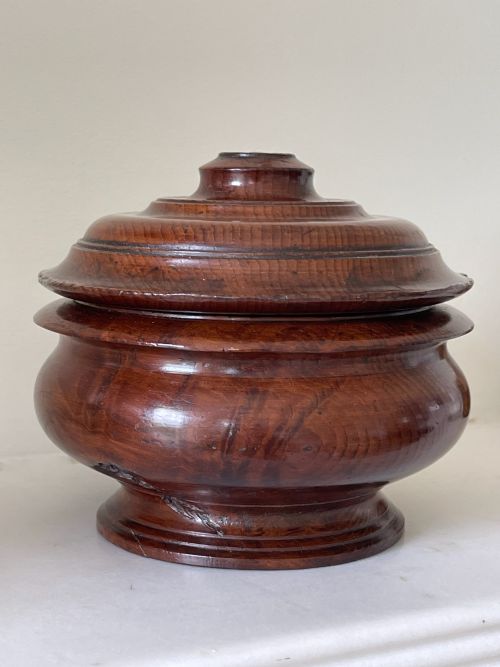


Vintage Treen Bowl
A vintage treen bowl brings honest wooden utility into a modern room, shaped by hands that worked centuries ago.
Vintage Treen Bowl
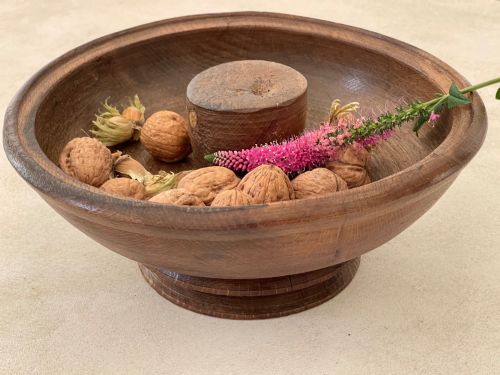
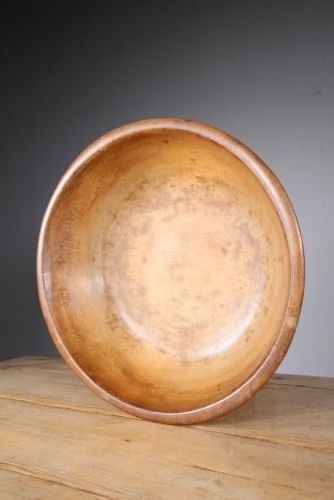
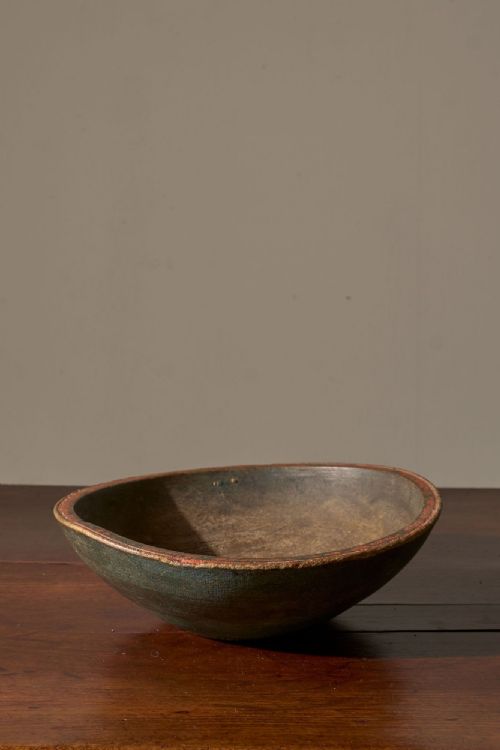
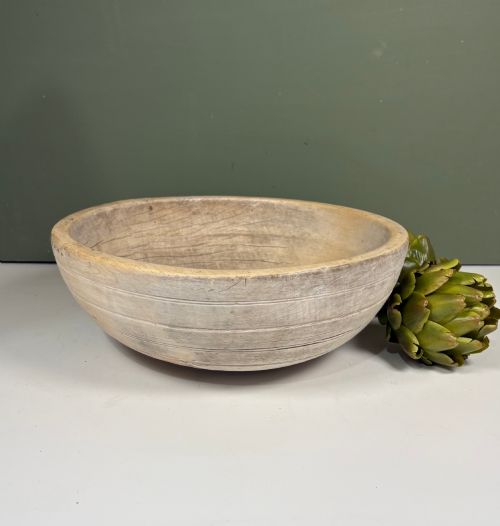
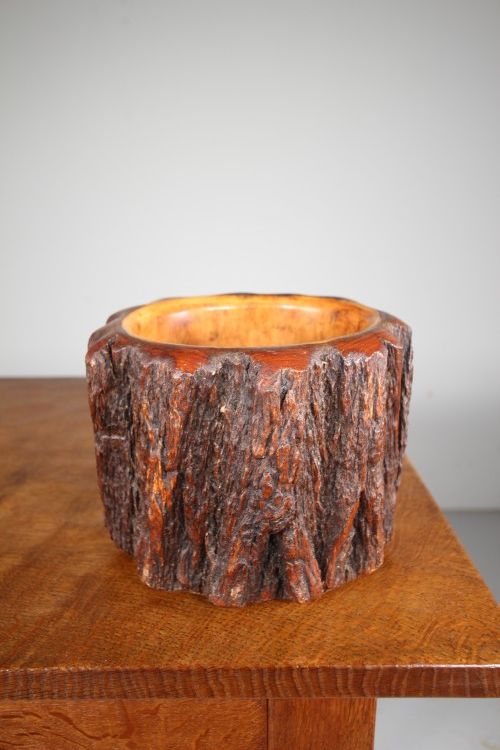
A vintage treen bowl covers turned and carved wooden vessels created for domestic and rural life across the centuries. When you search for this phrase, you will find items ranging from large dairy bowls to small scoops and spice pots.
The pieces on this page span several distinct periods, drawing heavily from 19th-century and Georgian workshops. You are most likely to encounter sycamore dairy bowls and turned wooden vessels originating from English, Welsh, and Swedish traditions.
Function governed form in these utilitarian objects, leading to deep vessels designed for milk, fruit, or storage. Their survival relies entirely on the durability of dense hardwoods and the practical demands of historic households.
Methods and materials in early woodturning
Wood selection was the primary decision for the turner, relying on pale domestic timbers like sycamore and ash alongside denser exotic woods such as walnut and lignum-vitae. These materials were chosen for their resistance to splitting and their stable behaviour when worked green on a lathe.
Makers utilised pole lathes and hand tools to turn vessels to an even wall thickness while the wood was still workable. Marks left by gouges and turning chisels often remain visible beneath the surface wear of generations.
Vintage Treen Bowl Retail Price Guide 2026
Typical asking prices for vintage treen bowl among the pieces listed under this phrase on Sellingantiques today, from the lower quarter to the upper quarter. They describe what is for sale here now, not the wider market.
Listings span from the 17th century through the early 20th century, featuring timbers like sycamore, ash, walnut, and lignum-vitae.
Judging the character of early treen
Quality rests in the balance of the walls and the integrity of the timber selection. A well-turned vessel shows consistent thickness and an understanding of the grain that prevents warping beyond natural movement.
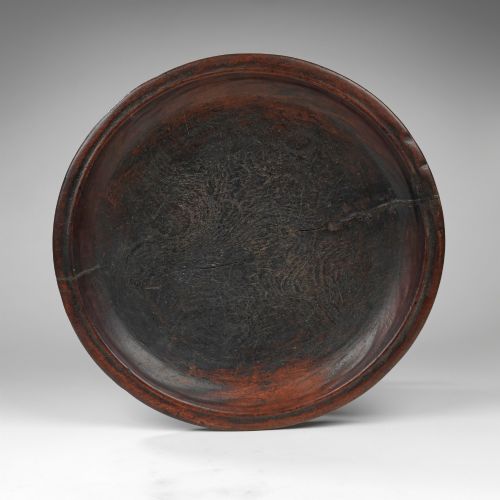
Surface character defines the upper tier of these pieces, where decades of handling build a warm patina. The distinction between a utilitarian object and a superior surviving example lies in the crispness of the original turning lines and the depth of that accumulated sheen.
The Vintage Treen Bowl Glossary
- Treen
- Small handmade wooden household objects. The word stems from the old term for tree and covers everything from bowls to spoons.
- Dairy bowl
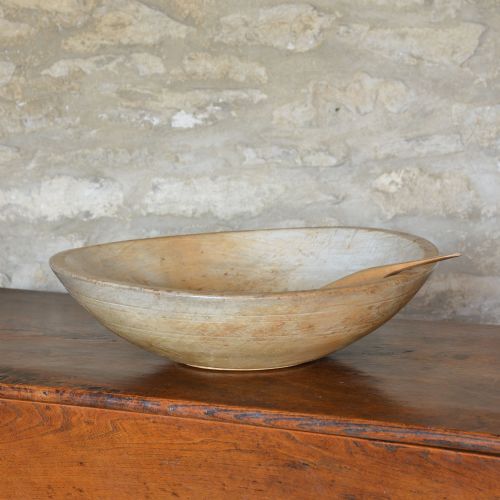
- A wide, shallow wooden vessel used historically for setting milk and skimming cream. These often feature pale sycamore to maintain hygiene.
- Lignum-vitae
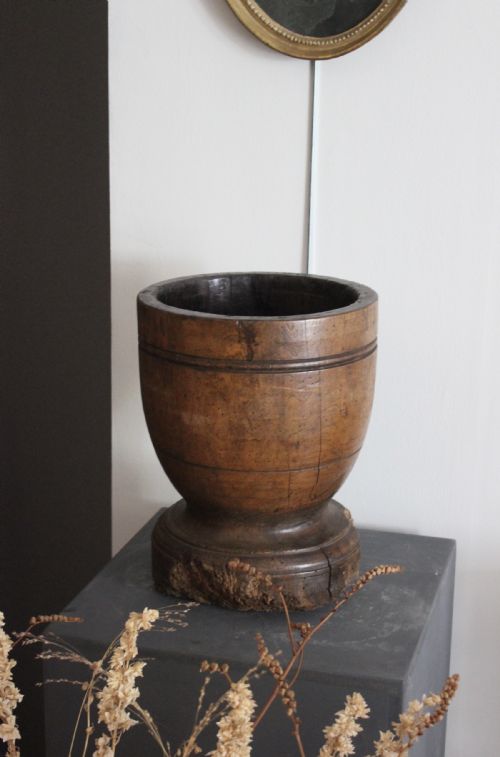
- A dense, heavy tropical hardwood used for mortars and pestles. Its natural oils made it exceptionally resistant to splitting under impact.
- Patina
- The deep surface sheen developed through decades of use and polishing. It marks the passage of time on exposed timber.
- Turned
- Shaped on a lathe by rotating the timber against a sharp cutting tool. Most circular treen relies on this method for its symmetry.
Vintage Treen Bowl: Frequently Asked Questions
Can I use these bowls for food today?
Most historic treen works best for dry foods like fruit, nuts, or bread rather than wet dishes. The porous nature of old wood absorbs liquids and modern detergents.
Examine the interior surface to ensure no historic treatments or paints remain before placing edibles inside.
What wood is most common in these pieces?
Sycamore dominates the selection, especially in dairy and egg bowls, due to its pale colour and clean properties. Turners also utilised ash, walnut, and fruitwoods depending on local availability.
Denser foreign timbers like lignum-vitae appear in specialised items such as mortars.
How do I tell a Georgian bowl from a later one?
Georgian and 18th-century vessels often display deeper tool marks and distinct foot rings shaped by older lathe techniques. Sycamore dairy bowls from this era show specific wear patterns from skimming cream with wooden paddles.
Later 19th-century pieces tend to feature more uniform turning and smoother exterior finishes from improved workshop machinery.