

Vintage Travelling Chest
A vintage travelling chest is a sturdy portable container for journeys, offering robust storage and historic character that anchors a modern room.
Vintage Travelling Chest
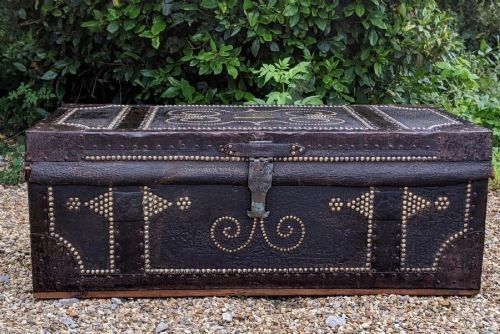
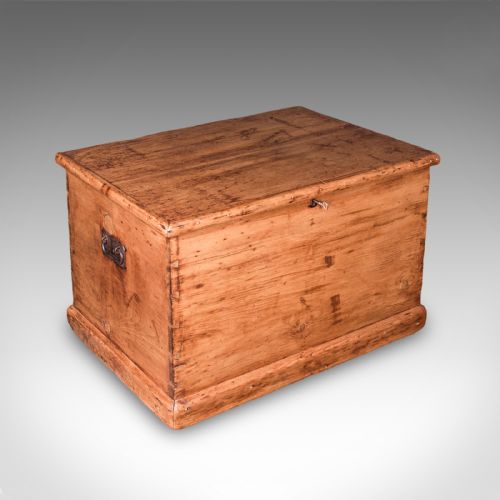
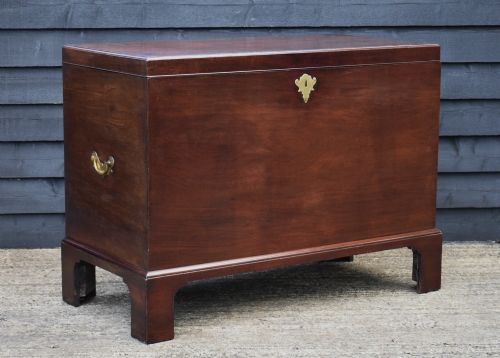
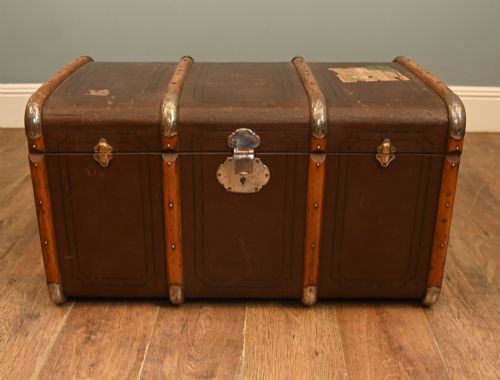
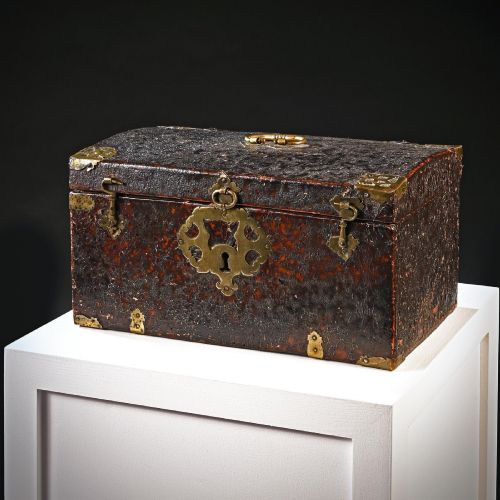
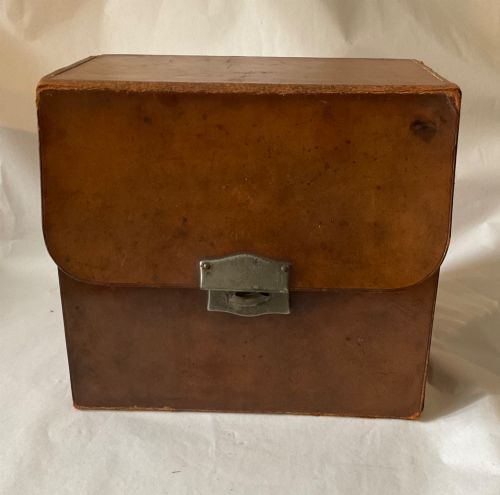
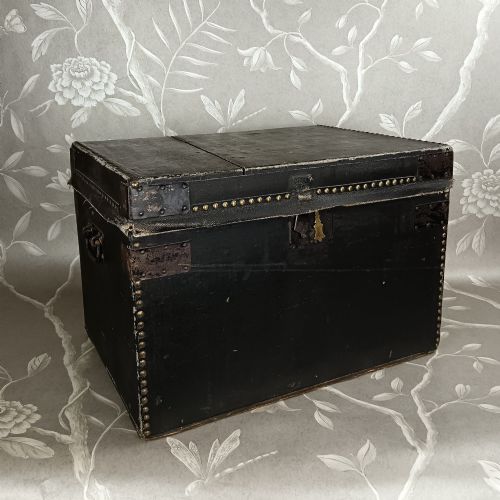
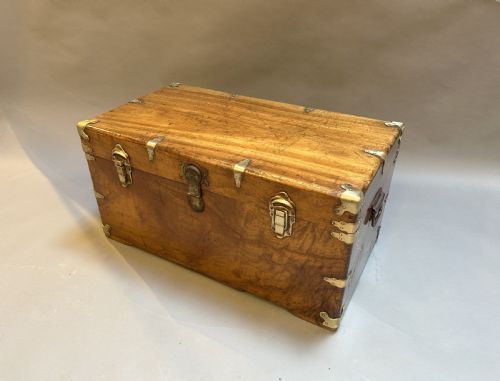
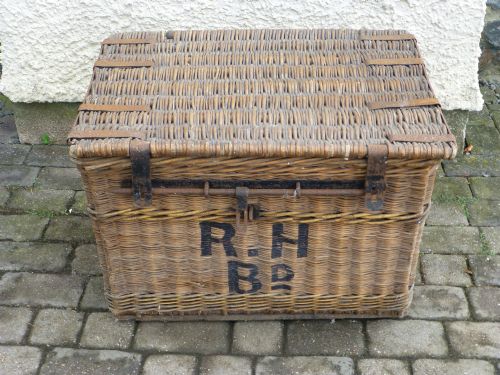
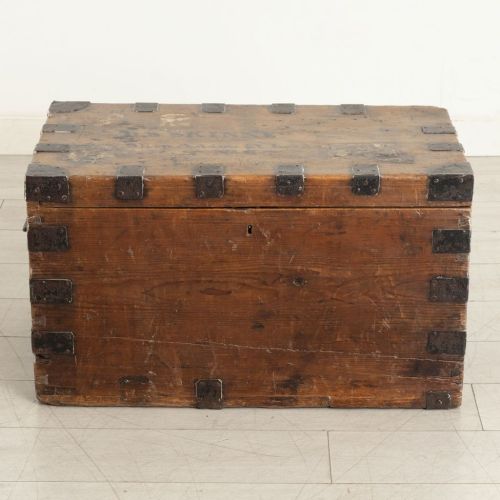
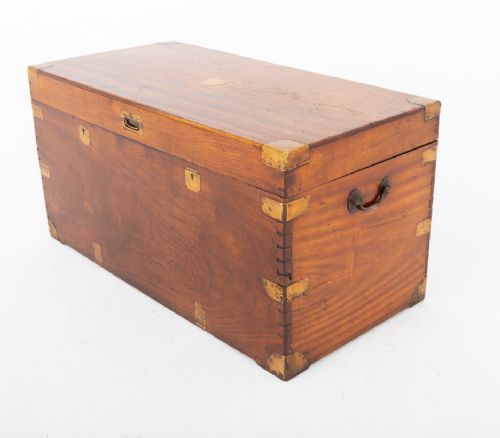
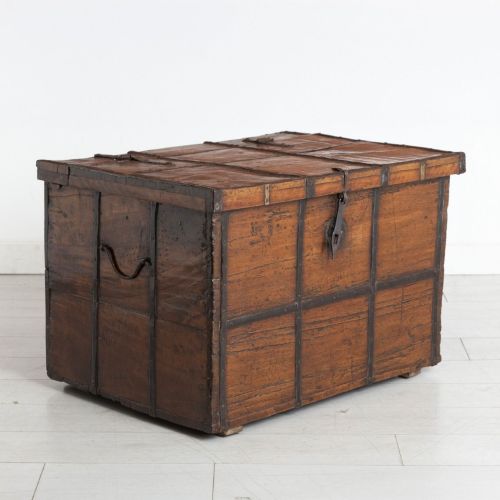
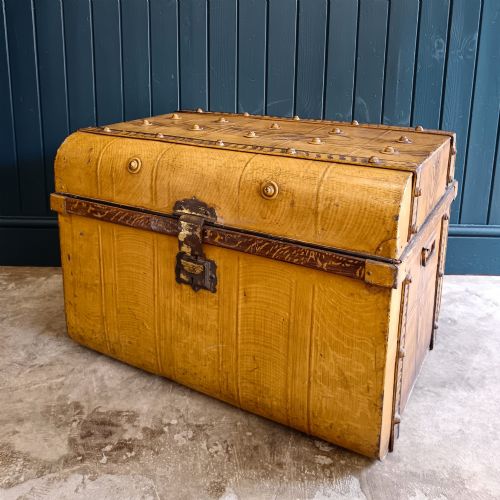
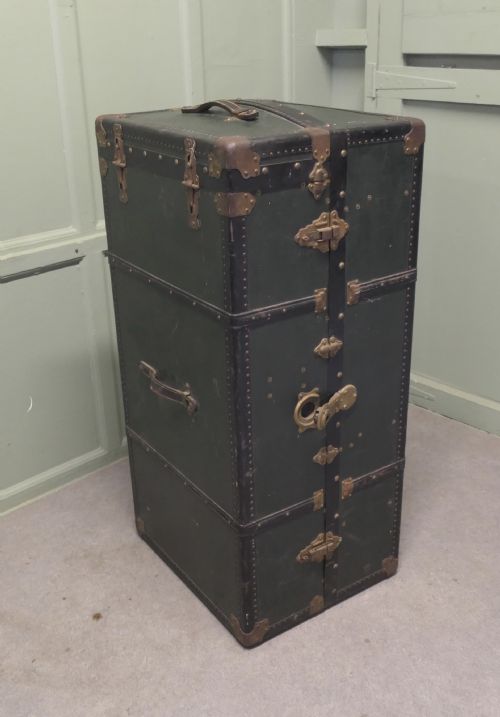
When you search for a vintage travelling chest, you encounter a wide variety of robust storage pieces designed for motion, from sturdy domestic pine travel trunks to specialised campaign furniture. These items range from late seventeenth-century leather boxes to early twentieth-century steamer trunks and fitted cabin wardrobes used in transit.
The versions you are most likely to meet on this page span the Victorian and Edwardian eras, alongside earlier Georgian and Regency specimens and later 1920s luggage. They appear in materials like wood, leather, canvas and metal, often bearing the marks of extensive journeys across land and sea.
Materials and construction
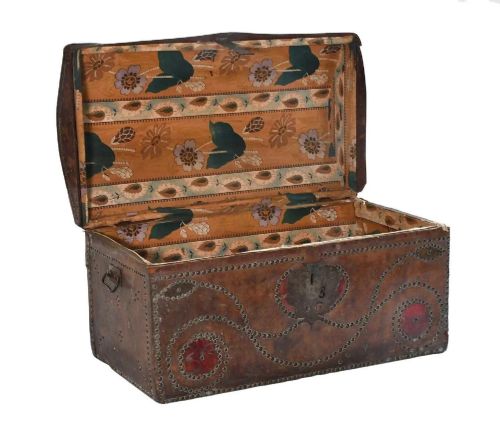
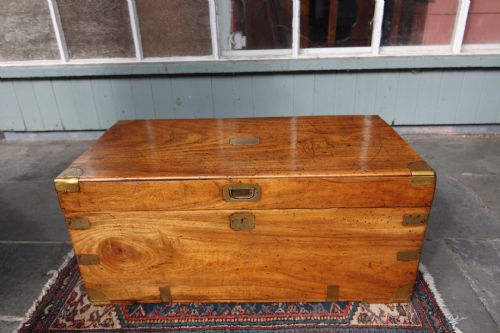
Makers built these pieces to withstand rigorous transit using durable timbers such as mahogany, camphor wood, teak and pine, frequently reinforced with iron or brass bands. Protective exterior layers of leather, hide, or painted canvas shielded the contents from moisture and rough handling.
Joinery and hardware were chosen for maximum resilience, utilising studded brass work, robust locks, and specialised transport handles. Interior fittings often included compartment trays, drawers, or wardrobe sections tailored for specific travel needs.
Vintage Travelling Chest Retail Price Guide 2026
Typical asking prices for vintage travelling chest among the pieces listed under this phrase on Sellingantiques today, from the lower quarter to the upper quarter. They describe what is for sale here now, not the wider market.
At least one pine chest recorded a past life belonging to Jessie Degan Cole of Dawn House in Winchester.
Assessing quality and origin
The distinction between standard utility luggage and finer pieces often lies in the integrity of the materials and the sophistication of the internal fittings. Superior examples exhibit substantial hardwood construction, meticulous brass studwork, and specialised departmental organisation rather than basic pine boards.
Maker attribution elevates a piece significantly, with signed examples from noted makers or historic shipping lines commanding particular interest. The survival of original hardware, internal compartments, and uncompromised surface patination further separates exceptional items from heavily altered ones.
Samuel Pratt·Wm Insall of Bristol·Arthur Wannop·Seaward
The Vintage Travelling Chest Glossary
- Campaign chest
- A portable set of drawers or a trunk designed to be easily dismantled or transported for military use. These pieces often feature recessed brass handles and corner brackets to prevent damage during transit.
- Steamer trunk
- A low-profile luggage trunk specifically built to fit beneath the cabin berth of an ocean liner. They emerged prominently in the late nineteenth and early twentieth centuries.
- Camphor wood
- An aromatic timber frequently utilised for campaign trunks and chests due to its natural insect-repellent properties. It protected stored clothing from moths during long sea voyages.
- Apothecary case
- A specialised travelling box fitted with internal glass bottles and small drawers for medicines. These portable chests were essential for doctors and travellers on extended journeys.
- Portmanteau
- A large travelling case or hinged trunk that opens into two distinct compartments. They functioned essentially as portable wardrobes for formal attire.
Vintage Travelling Chest: Frequently Asked Questions
What is a vintage travelling chest?
A vintage travelling chest is a portable storage container constructed to transport belongings securely across land or sea during earlier centuries.
These pieces encompass everything from sturdy pine travel trunks and leather steamer luggage to specialised camphor wood campaign boxes.
How were these chests used?
Owners utilised them to pack clothing, equipment, and personal valuables for long journeys by coach, ship, or train.
Upon arrival at a destination, they served as reliable storage units in hotels, country houses, or military encampments.
How do I date a travelling chest?
Dating relies on examining the construction materials, lock mechanisms, hardware styles, and any maker marks or shipping labels present.
Earlier eighteenth-century pieces often feature studded leather over timber frames, while twentieth-century examples frequently incorporate metal bindings and canvas.
How can I live with a vintage chest?
These chests function exceptionally well as living room coffee tables, end-of-bed blanket storage, or striking hallway decorative statements.
Their robust construction allows them to endure daily domestic use while providing concealed storage for household items.