

Vintage Trading Sign
A vintage trading sign brings the graphic history of the high street straight into a room.
Vintage Trading Sign
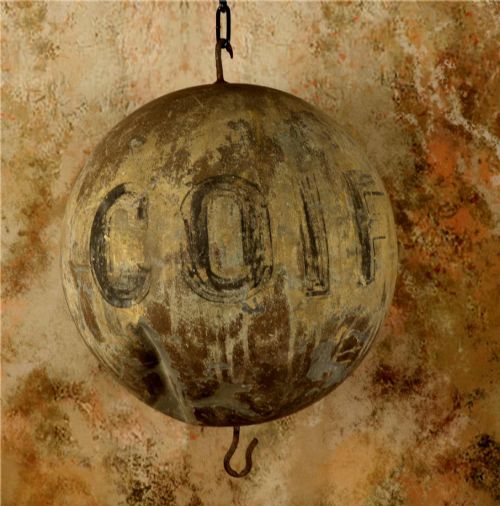
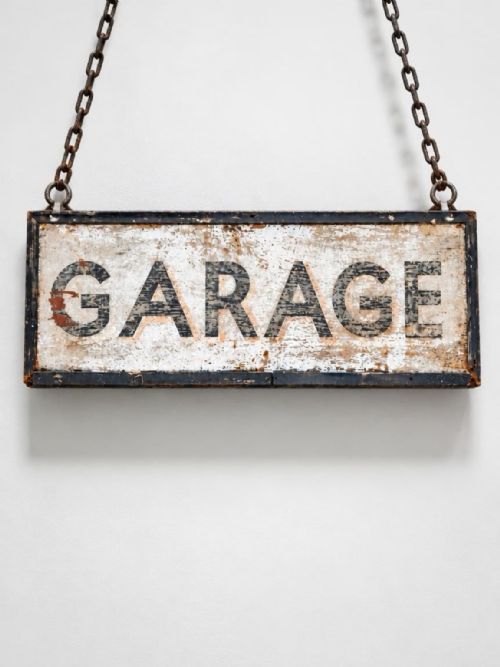
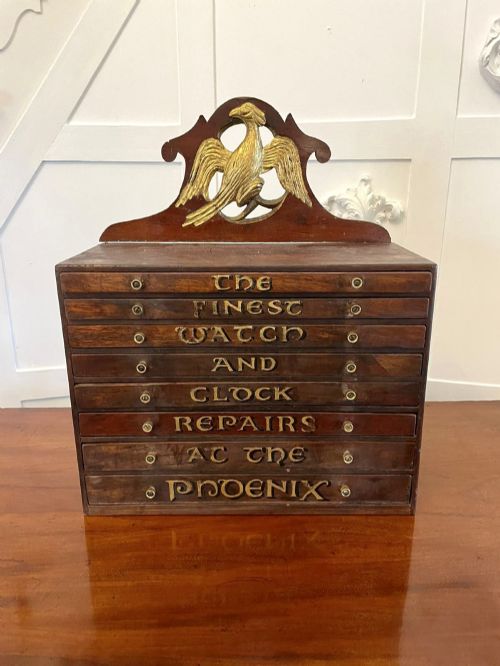
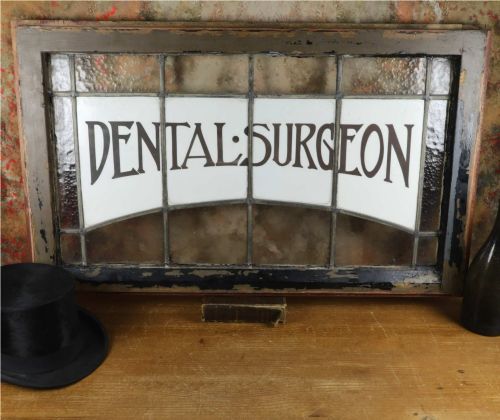
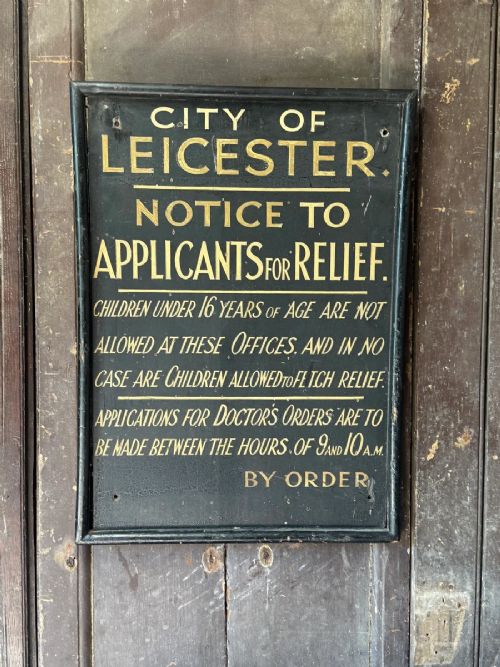
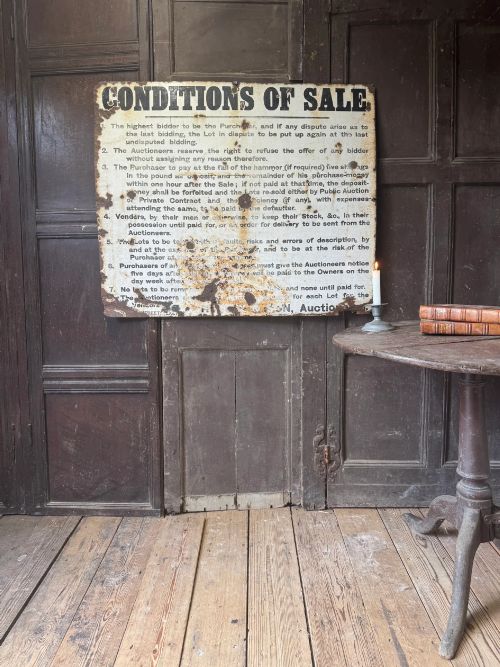
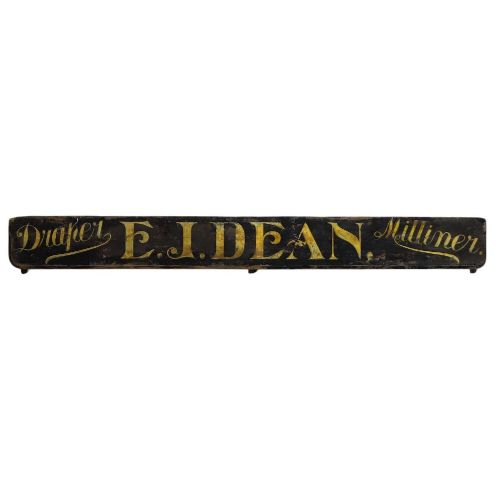
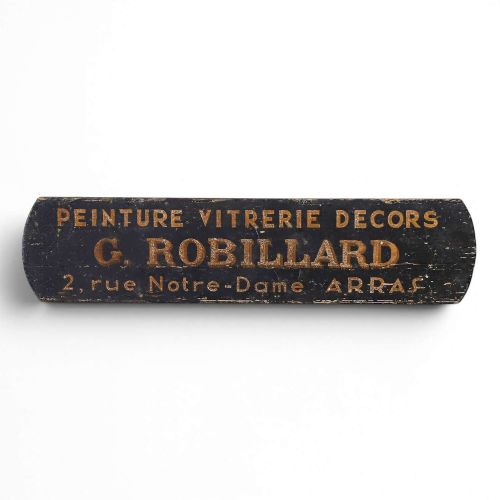
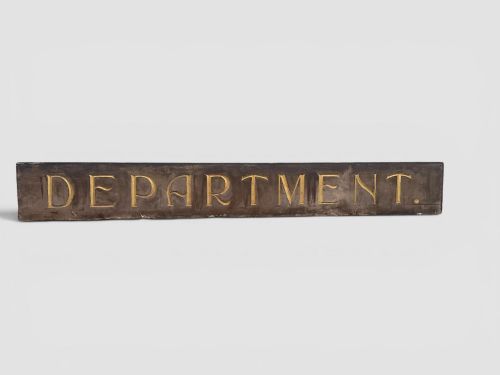
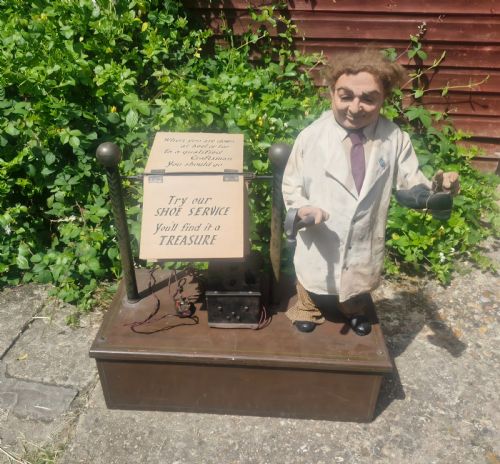
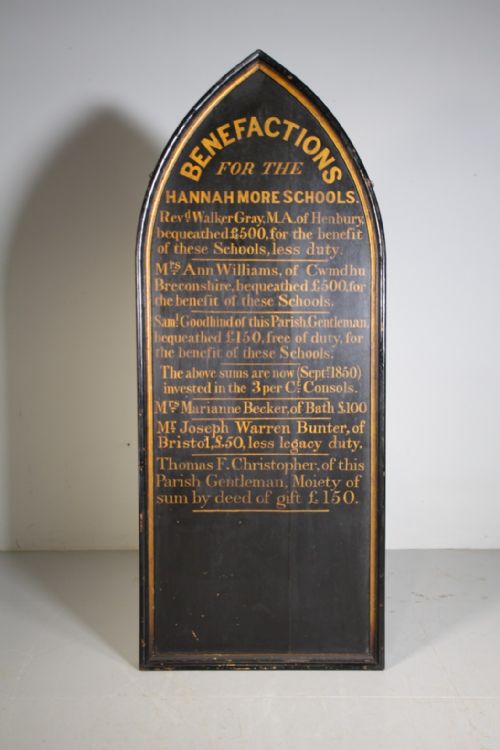
When you search for a vintage trading sign, you are looking at functional boards, figures and glass panels that once advertised tradesmen, merchants and local businesses. These objects range from Victorian timber boards and Edwardian glass windows to painted metal panels from the early twentieth century.
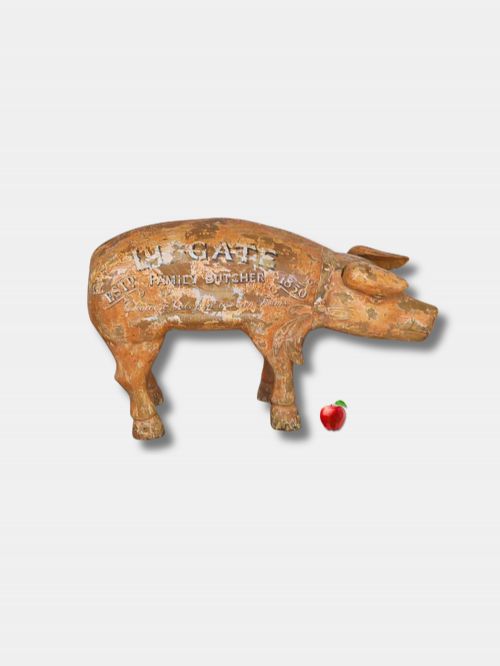
The versions you are most likely to meet on this page span the nineteenth century through to the nineteen-thirties, taking the form of wall signs, hanging trade signs and shop display models. They originate from British, French and American workshops, marking butchers, pawnbrokers, dentists and draperies.
How they were made
These pieces rely on durable traditional materials such as pine, wrought iron, copper and glass, chosen to withstand outdoor conditions on the street. Makers applied oil paint, gold leaf and enamel directly to timber boards or cast metals to ensure the lettering and symbols remained legible to passers-by.
Techniques varied from hand-painted lettering and reverse glass painting to beaten copper embossing and carved wooden figures. Many examples show layered paint surfaces that record decades of commercial repainting and exposure to the weather.
Vintage Trading Sign Retail Price Guide 2026
Typical asking prices for vintage trading sign among the pieces listed under this phrase on Sellingantiques today, from the lower quarter to the upper quarter. They describe what is for sale here now, not the wider market.
A life-size composition fox terrier once stood outside an English shop as a silent, steadfast canine sales assistant.
What varies in quality
The distinction between ordinary commercial markers and exceptional pieces lies in the strength of the graphic design and the authenticity of the surface. A sign with bold, well-proportioned typography carries more visual authority than a plain utility board.
Gerwin & Co Birmingham
The Vintage Trading Sign Glossary
- Reverse-painted glass
- A technique where paint is applied to the rear side of a glass panel so that the front presents a glossy, protected finish. This method was frequently used for Victorian and Edwardian shop windows.
- Toleware
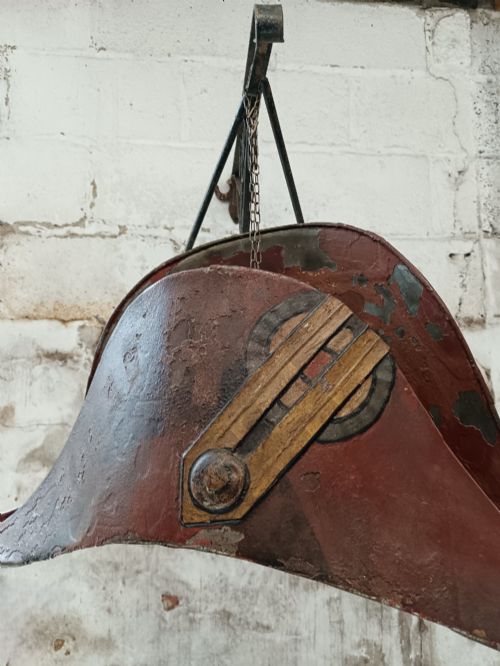
- Painted or enamelled metalware, typically tin-plated steel, shaped into decorative or commercial objects. It was often utilised for hanging trade signs and bicorn hat markers in the nineteenth century.
- Gold leaf
- Extremely thin sheets of beaten gold applied to wooden or glass signs to highlight lettering and ornamentation. This material caught the light on busy nineteenth-century streets to draw the eye of customers.
- Shop display model
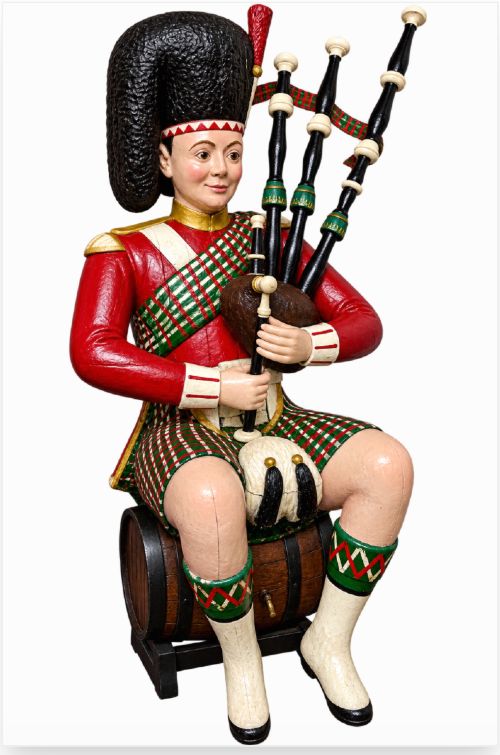
- A three-dimensional trade object, such as a carved wooden loaf of bread or an animal figure, designed to advertise goods inside or outside a retail premises. These figures functioned as visual symbols for customers who could not read.
- Enamel sign
- A metal panel fused with powdered glass at high temperatures to create a hard, glossy advertising surface. These signs were introduced to withstand industrial pollution and weather without fading.
Vintage Trading Sign: Frequently Asked Questions
What is a vintage trading sign?
A vintage trading sign is an original commercial marker or display piece used by a shop, merchant or tradesman to advertise their profession to the public.
These objects include painted wooden boards, glass window panels, metal advertisements and carved trade figures created between the nineteenth century and the mid-twentieth century.
Where were these signs displayed?
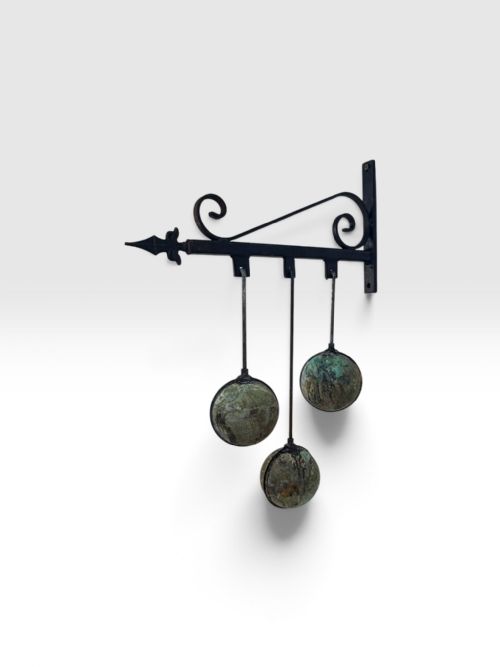
Most of these signs hung outside high street shops, mounted above doorways, or stood inside windows to attract passing foot traffic. Hanging iron brackets held heavy pub and pawnbroker signs perpendicular to the building.
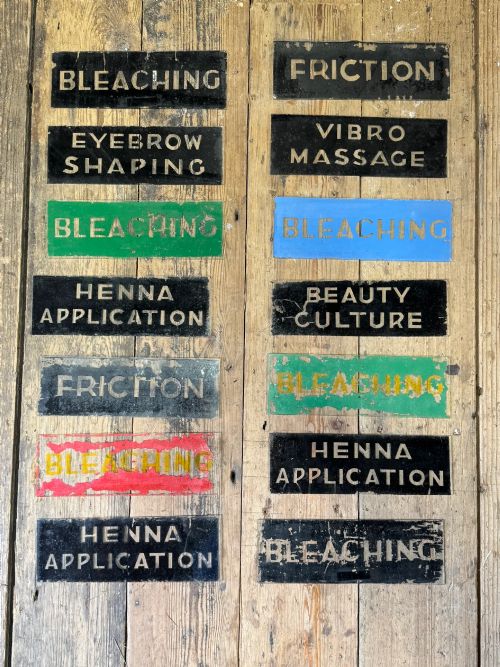
Smaller glass panels and sample boards were fitted directly into shopfront windows or displayed on interior counters to show customers available hardware or medical services.
How do I date a trading sign?
Dating relies on the materials, typeface styles and the construction methods used in the board or frame. Victorian pieces often feature hand-carved timber and hand-painted lettering, while later twentieth-century examples introduce vitreous enamel and stamped metal.
Specific trade references, painter signatures, and the wear patterns on the paint layers also help narrow down the period of manufacture.