




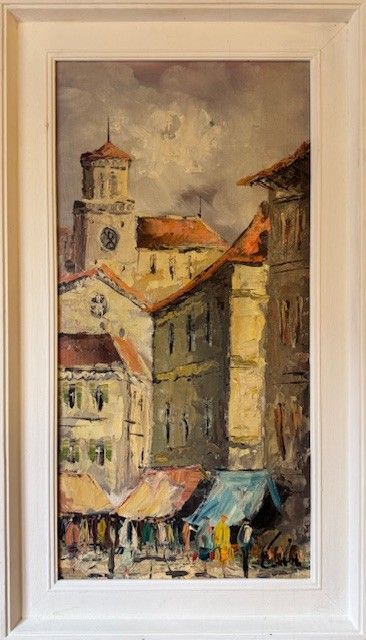


Vintage Townscape Artwork
These vintage townscape artwork pieces capture historic streets and squares through the eyes of earlier artists, bringing period character directly into your rooms.
Vintage Townscape Artwork
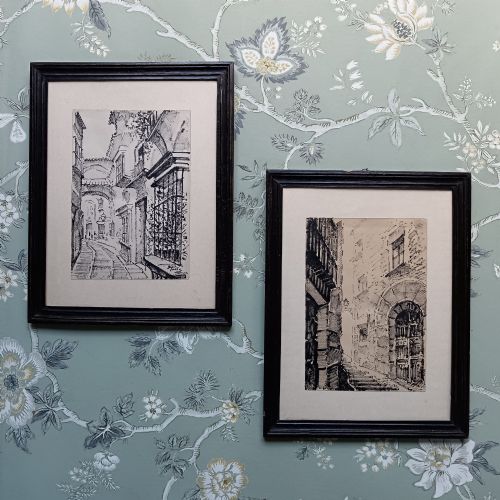
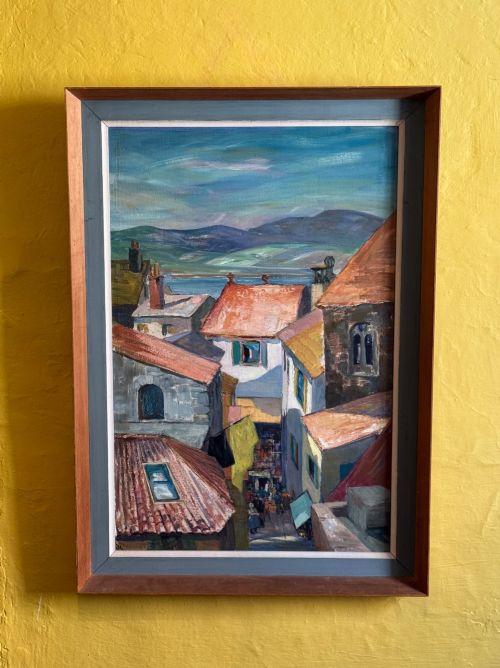
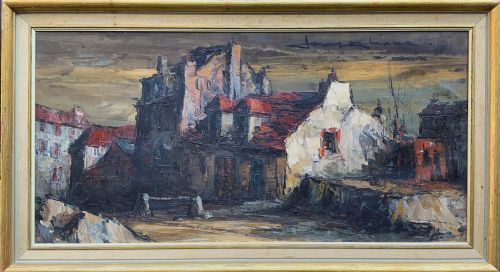
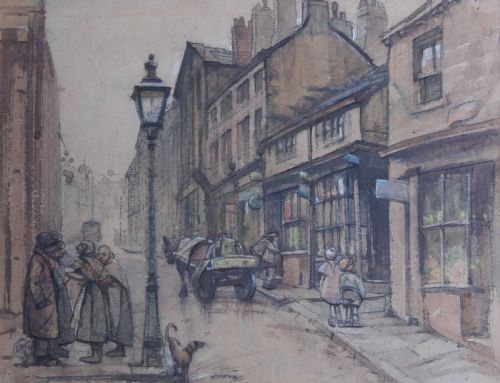
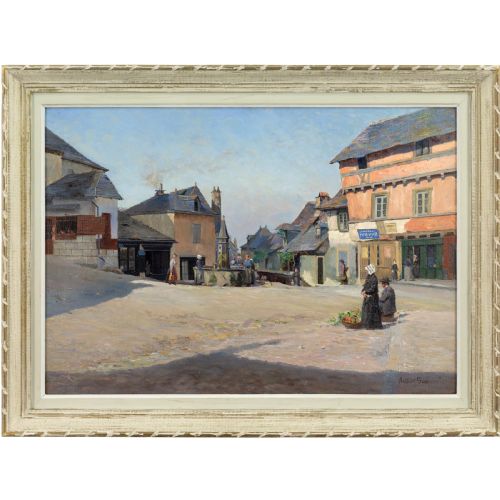
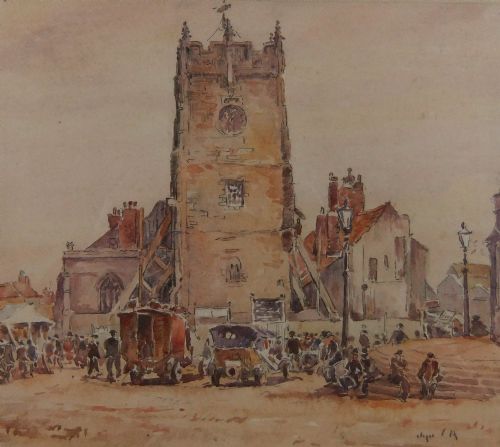
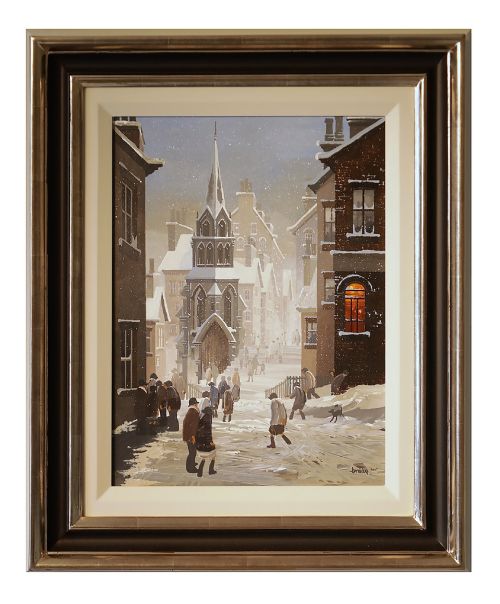
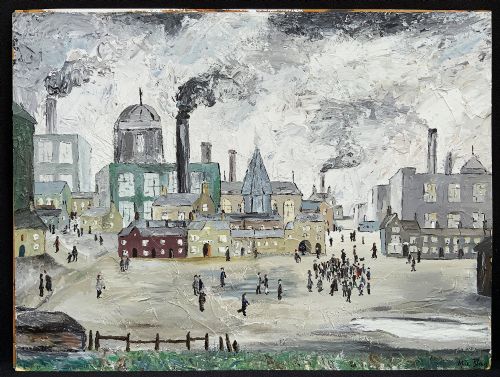
When you search for vintage townscape artwork, you encounter framed watercolours, oil paintings, and charcoal sketches depicting urban views, market squares, and industrial streets. These works range from late nineteenth-century depictions to mid-century modern British and continental scenes.
You are most likely to meet watercolours on paper and oil paintings on canvas or board dating from the Edwardian era through to the nineteen-sixties. Subject matter stretches from Yorkshire market towns and Yorkshire coastal ports like Whitby to French market squares in Donzenac, Arles, and Cannes.
The form embraces both finished gallery pieces and intimate preparatory drawings executed by regional artists and continental painters alike. Each composition records specific buildings, bridges, and thoroughfares as they appeared decades ago.
How they were made
Artists deployed watercolour paints on paper, applying fluid washes and pencil underdrawing to map out architectural perspectives in urban scenes. Other works utilise oil paint laid onto stretched canvas, wooden panels, or rigid board to build up heavier textures.
Support materials varied according to the medium and period, with heavier card and canvas providing durable bases for oils while lighter papers suited rapid topographical watercolours.
Vintage Townscape Artwork Retail Price Guide 2026
Typical asking prices for vintage townscape artwork among the pieces listed under this phrase on Sellingantiques today, from the lower quarter to the upper quarter. They describe what is for sale here now, not the wider market.
Represented locations include Yorkshire coastal towns, French market squares, and northern industrial settlements.
What varies in quality
Quality rests upon the artist's command of perspective, light, and atmospheric depth within the urban setting rather than the mere age of the piece. Stronger examples demonstrate confident brushwork or precise pen and pencil control that bring bustling market squares and quiet alleyways to life.
The sensitivity of the colour palette and the fidelity of the architectural depiction separate standard topographical records from more accomplished artistic interpretations of townscapes.
Arthur Gué·John Smith Atherton·Brian Shields Braaq·Paul Élie Gernez·William Manners·Joseph W Milliken·Edward Henry Holder·John Sanderson Wells·Angus Rands·Walter Emsley·Fred Lawson·Ludwig Hermann·Annie L Lee·Donald Wood·Augustus William Enness·Letitia Marion Hamilton
The Vintage Townscape Artwork Glossary
- Watercolour
- A paint consisting of pigment suspended in a water-soluble vehicle, commonly applied to paper to create translucent washes of colour.
- Oil on canvas
- Pigment mixed with an oil medium and applied to a woven fabric stretched across a wooden frame, allowing for rich colour blending and textured surfaces.
- Post-Impressionism
- An art movement extending beyond impressionism that prioritised symbolic content and expressive use of paint over mere visual naturalism.
- Topographical
- Representing specific real-world locations, buildings, and towns with an emphasis on accurate geographical and architectural detail.
Vintage Townscape Artwork: Frequently Asked Questions
What periods do these townscapes cover?
The available selection spans from the late nineteenth century through the Edwardian period and into the mid-twentieth century, with works dated across the decades up to nineteen sixty.
Most pieces originate from the early decades of the twentieth century, reflecting both British regional views and continental European street scenes.
Are these works signed by the artists?
Many examples bear the signature or attribution of named artists, ranging from regional British painters to continental European practitioners.
Certain works remain attributed in the manner of specific painters or are recorded as being by unknown hands while retaining strong period characteristics.
What materials were used for these paintings?
Artists utilised traditional mediums including watercolour on paper, pencil drawings, and oil paint applied to canvas, wood panels, or board.
Support materials were chosen to suit the specific demands of urban sketching or studio painting.
How do I choose a townscape for my room?
Consider the palette and medium that best complements your interior space, choosing between the soft transparency of watercolour or the richer texture of oil on canvas.
Selecting a location with personal significance or an appealing architectural style ensures the artwork integrates naturally into your home.