



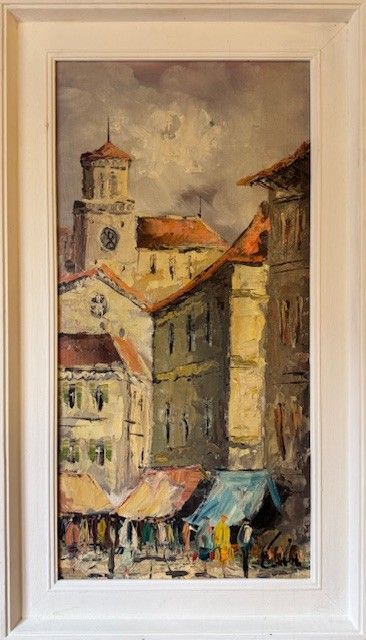


Vintage Townscape Art
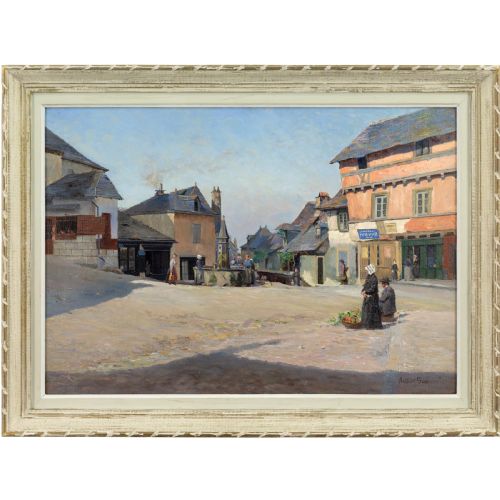
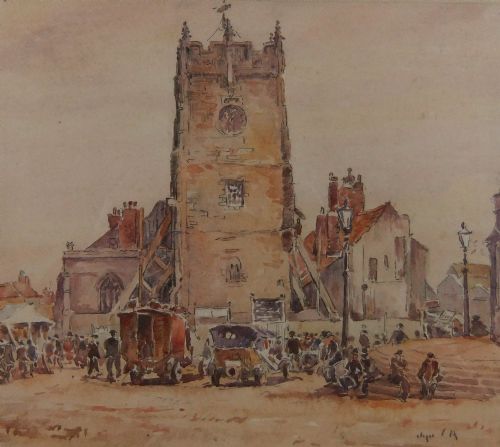
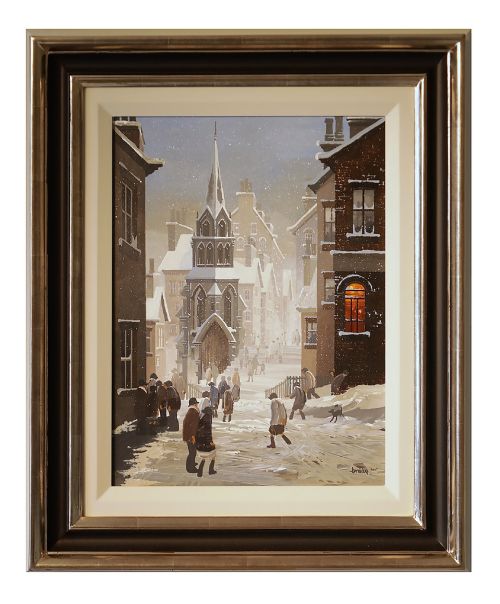
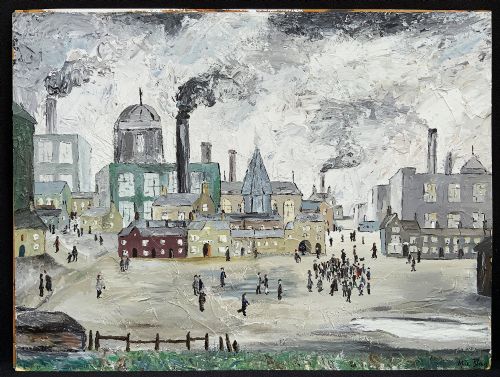
These vintage townscape art pieces capture urban and street views across Britain and Europe, offering an authentic window into past community life.
Vintage Townscape Art
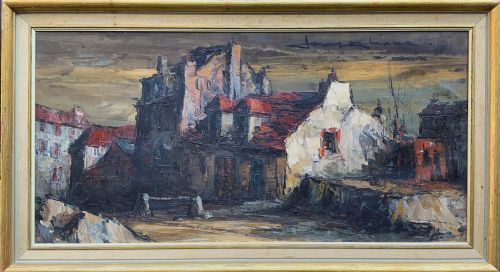
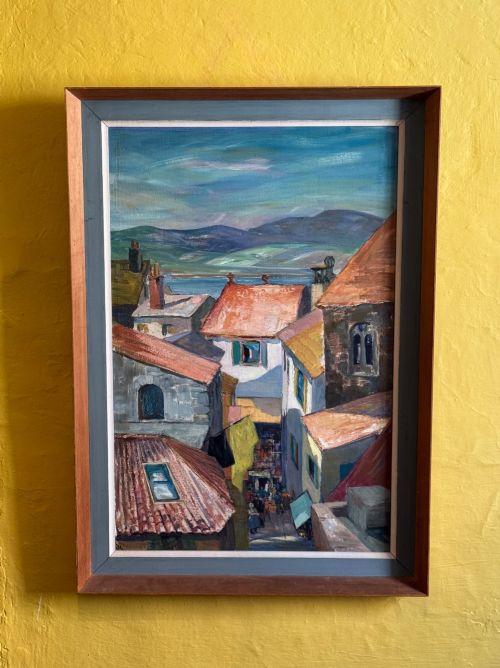
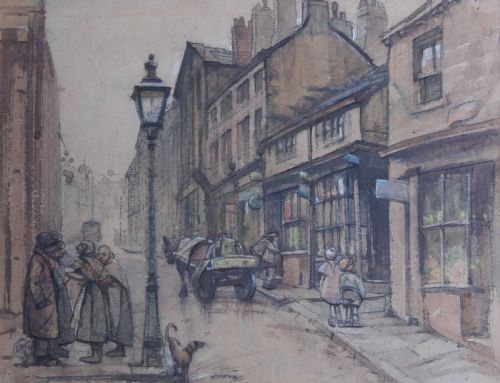
Vintage townscape art encompasses framed watercolours, oil paintings, and drawings depicting streets, market squares, and industrial hubs. These works document architectural changes and daily life from the nineteenth century through the mid-twentieth century.
Buyers will encounter British scenes from Yorkshire, Lancashire, and the Home Counties alongside continental views from France. The selection spans distinct regional periods including Victorian realism, Edwardian views, and mid-century modern British interpretations.
Compositions range from detailed architectural watercolours of bridges and inns to broader oil paintings of quaysides and market squares. Each piece offers a specific topographical record created by artists working on location or in the studio.
Materials and techniques
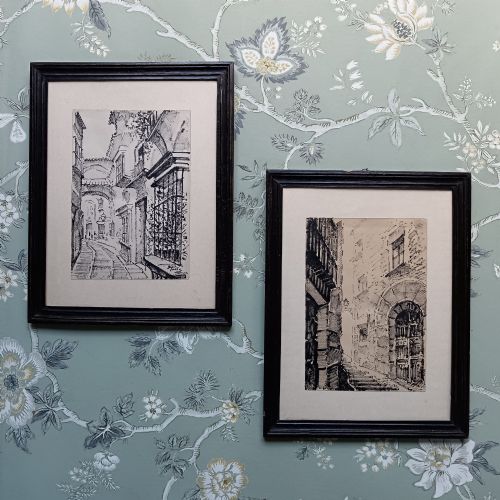
Artists relied primarily on watercolour on paper and oil paint applied to canvas, board, or panel. Ink, pencil, and charcoal also appear in preparatory sketches and finished drawings that map out street layouts and building facades.
Support materials varied according to the medium and period, with heavier canvas and wooden panels used for robust oil paintings. Watercolour works utilised fine paper stocks, often combined with pencil outlines to define urban structures.
Vintage Townscape Art Retail Price Guide 2026
Typical asking prices for vintage townscape art among the pieces listed under this phrase on Sellingantiques today, from the lower quarter to the upper quarter. They describe what is for sale here now, not the wider market.
Materials recorded across the selection include canvas, paper, wood panels, oil paint, watercolour, and charcoal.
Qualities of execution
Quality rests upon the artist's command of perspective, light, and topographical accuracy within the urban setting. Stronger works convey the atmosphere of a specific street or market square through confident brushwork and balanced composition.
The handling of medium distinguishes accomplished examples from simpler decorative works. Skilled watercolour washes and precise oil applications give depth to architectural details and human activity without losing the spontaneity of the scene.
Brian Shields Braaq·Paul Elie Gernez·William Manners·Joseph W Milliken·Fred Lawson·George Willis Pryce·Letitia Marion Hamilton
The Vintage Townscape Art Glossary
- Townscape
- A painting, drawing, or print depicting a city or town view. These works focus on streets, buildings, and public spaces rather than open rural landscapes.
- Watercolour
- A paint consisting of pigment suspended in a water-based solution. Artists apply it in translucent washes on paper to achieve luminous effects.
- Oil on panel
- A painting executed on a flat wooden board rather than stretched canvas. This rigid support was common in nineteenth and early twentieth-century sketching.
- Post-Impressionism
- An art movement developing from the late nineteenth century that rejected naturalistic depiction in favour of expressive colours and forms. Artists emphasised symbolic content and distinct brushstrokes.
Vintage Townscape Art: Frequently Asked Questions
How do I date a townscape painting?
Dating relies on architectural clues, clothing styles of figures in the street, and the framing or stretcher materials used on the back. Signatures and artist records also help narrow the decade of creation.
Paintings executed on wooden panels or specific paper weights often point towards particular nineteenth or twentieth-century manufacturing periods.
Where should I hang a townscape artwork?
These works suit studies, living rooms, and hallways where natural light enhances the painted details. Pairing them with traditional or mid-century interiors creates a complementary aesthetic.
Keep pieces away from direct sunlight to protect watercolours and oils from fading over time.
What is the difference between an oil and a watercolour townscape?
Oils offer rich textures and heavier layers of pigment, usually presented on canvas or wooden boards. Watercolours provide lighter, transparent effects on paper under glass.
Both mediums were used extensively across the nineteenth and twentieth centuries to record urban street scenes.
How do I identify a continental townscape?
Continental scenes often feature distinct regional architecture, such as French market squares, quaysides, and specific roof pitches uncommon in Britain. Inscriptions on the reverse or within the title usually name the foreign town or region.
Artists frequently travelled to France and other European locations to paint local street life.