
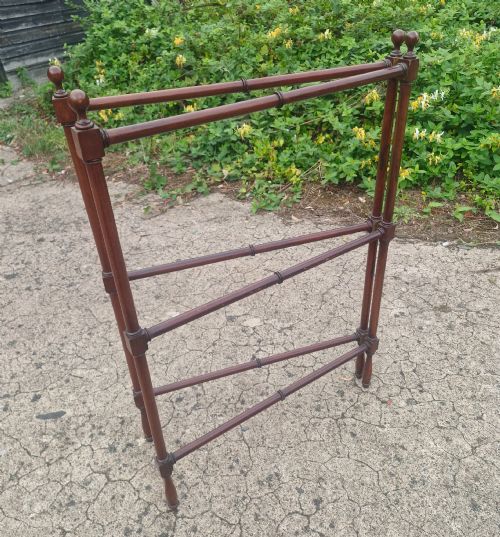
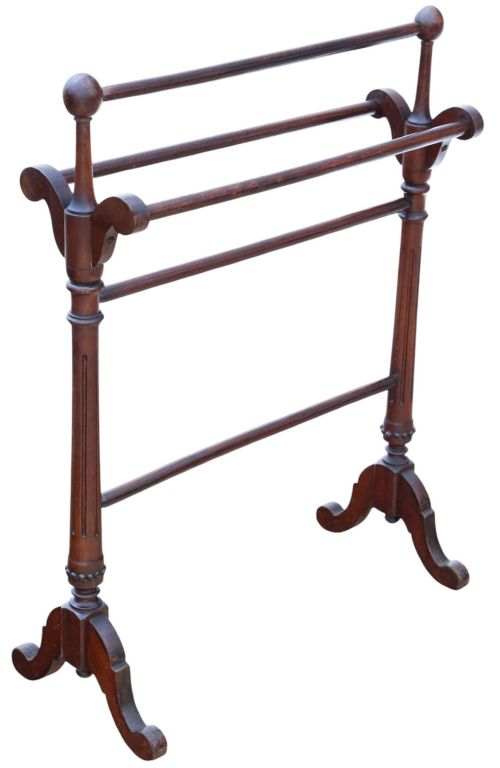
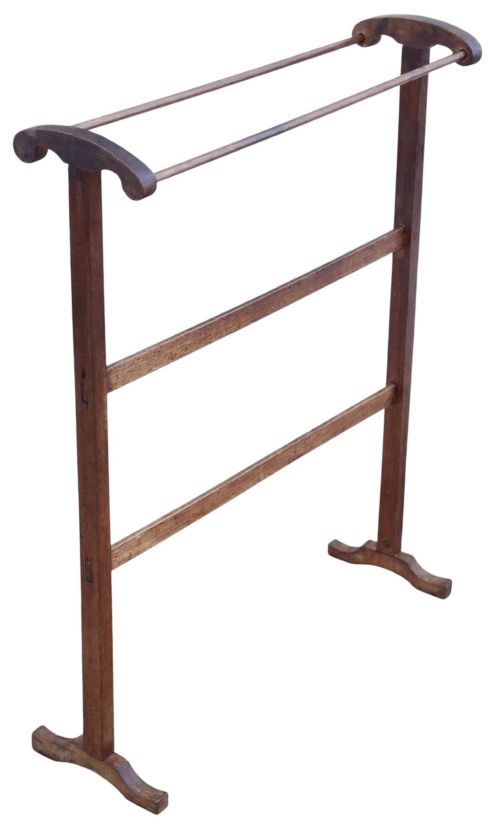
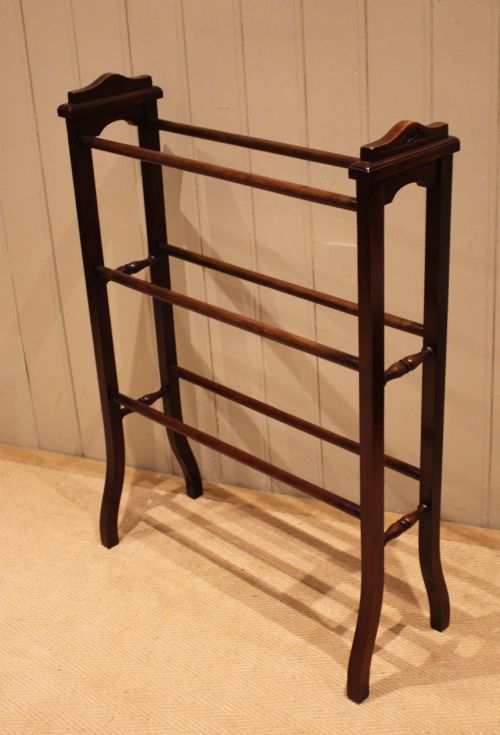




Vintage Towel Horse
A vintage towel horse is a practical wooden stand designed for drying linens, offering tactile warmth and period character to a room.
Vintage Towel Horse
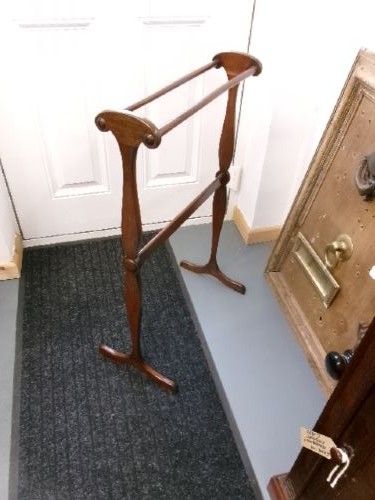
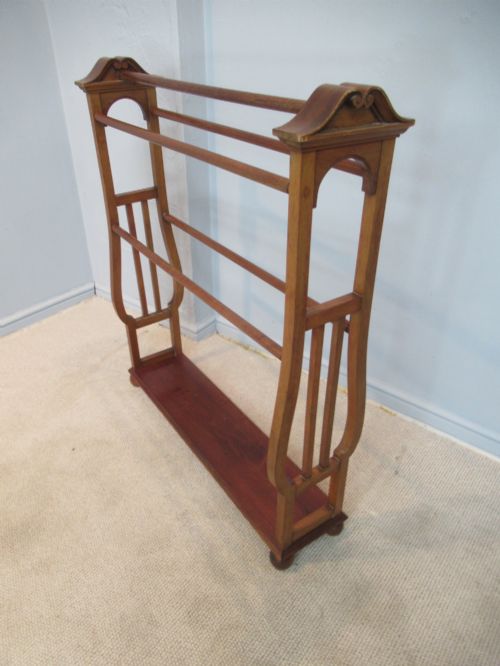
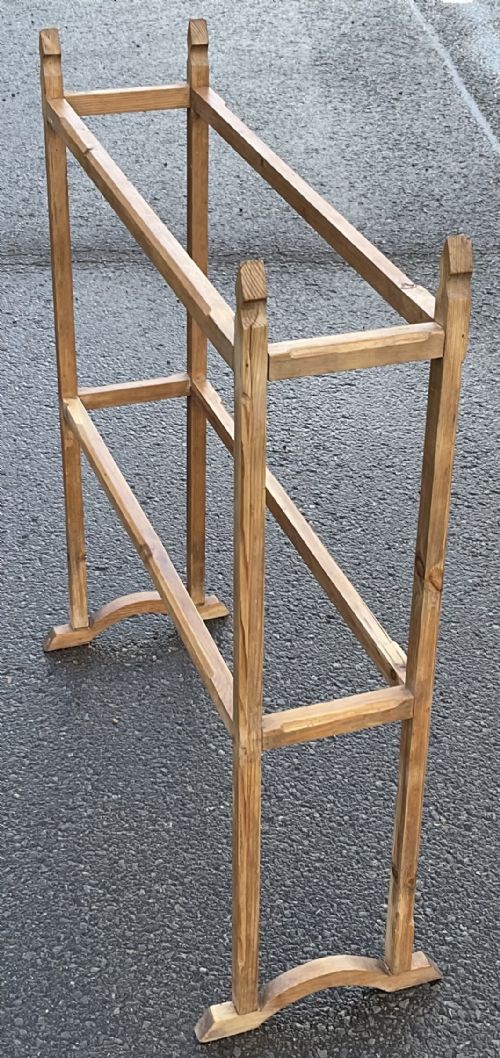
A vintage towel horse is a functional piece of wooden furniture designed for hanging and drying household linens in bedrooms and bathrooms. When searching this phrase, buyers encounter standing frames built to hold multiple rails across various heights.
The pieces available span the nineteenth century through the Edwardian period, with numerous examples originating from the Victorian era. Mahogany stands dominate the selection, appearing alongside pine, oak, and walnut configurations.
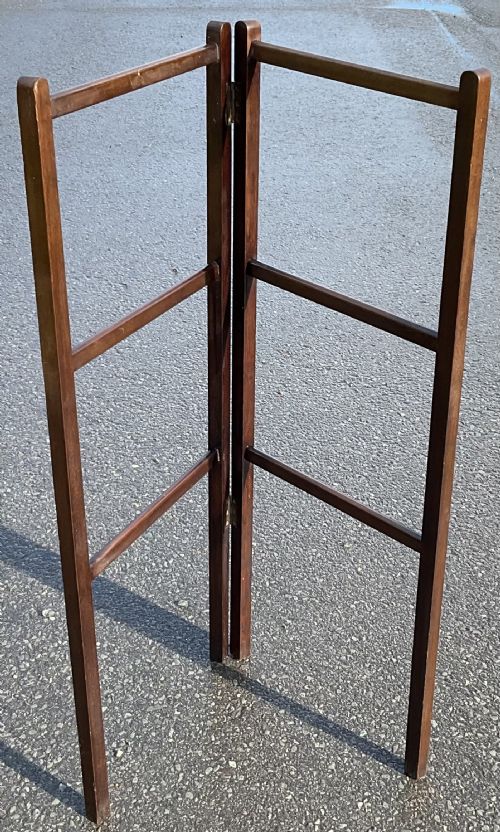
Common formats include folding cheval designs, multi-bar airers, and larger clothes racks. Origin styles stretch from simple country house pieces to ornate revival designs and occasional cross-cultural imports.
How they were made
Cabinetmakers constructed these towel rails primarily in solid timbers such as mahogany, oak, and pine, occasionally incorporating walnut, satinwood inlay, and ebonised wood for decorative contrast.
Joints and hinges were engineered to allow multi-fold movement or sturdy standing support, utilising traditional carpentry methods to sustain the weight of damp textiles over repeated daily use.
A towering five-bar rail gives your bathsheets an aristocratic bearing they frankly haven't earned.
What varies in quality
The standard of timber selection and joinery distinguishes simpler utilitarian airers from refined pieces. Dense hardwoods like mahogany and figured walnut indicate superior workshop execution compared to basic pine utilities.
Decorative elements such as contrasting satinwood inlay, fine turning on upright supports, and balanced folding proportions elevate a standard utility item into a decorative interior furnishing.
The Vintage Towel Horse Glossary
- Cheval towel rail
- A freestanding pivoting frame that swings independently on vertical supports, allowing adjusted positioning for airing laundry. This configuration provides dual-sided hanging space in larger rooms.
- Ebonised wood
- Timber treated with a dark stain or finish to imitate expensive ebony. This technique was frequently utilised during the Victorian period for decorative contrast.
- Satinwood inlay
- Contrasting blonde timber inserted into a darker wood surface to form decorative bands or motifs. It appears on select Edwardian and nineteenth-century pieces.
- Arts and Crafts
- A design movement prioritising honest construction and visible material qualities over applied ornamentation. Pieces from this tradition favour sturdy oak construction.
- Gothic Revival
- An architectural and decorative style drawing on medieval motifs. Walnut examples from this movement often display pointed arches or ecclesiastical detailing.
Vintage Towel Horse: Frequently Asked Questions
Where should I put a towel horse?
These stands fit naturally in bathrooms, bedrooms, or dressing rooms where damp textiles require everyday drying space.
They also serve as decorative display rails for quilts or blankets in living areas.
How do I date a towel rail?
Dating relies on timber choices, construction techniques, and stylistic markers such as Victorian turning or Edwardian inlay.
Heavier mahogany and walnut frames generally point to nineteenth-century origins, while lighter pine and inlaid Edwardian stands suggest later decades.
Are folding towel horses sturdy?
Most folding designs utilise multi-hinged panels that distribute weight evenly across several wooden bars.
Heavier hardwood versions remain stable during daily use, while lighter pine or multi-fold pieces suit standard domestic textiles.
What woods were used?
Makers predominantly worked with mahogany, oak, pine, and walnut depending on the period and intended domestic setting.
Some pieces incorporate satinwood inlay, brass fittings, or ebonised wood surfaces for added visual contrast.