






Vintage Torchere Lamp Stand
A vintage torchere lamp stand brings height and sculptural presence to a room, lifting illumination or display well above ordinary furniture.
Vintage Torchere Lamp Stand
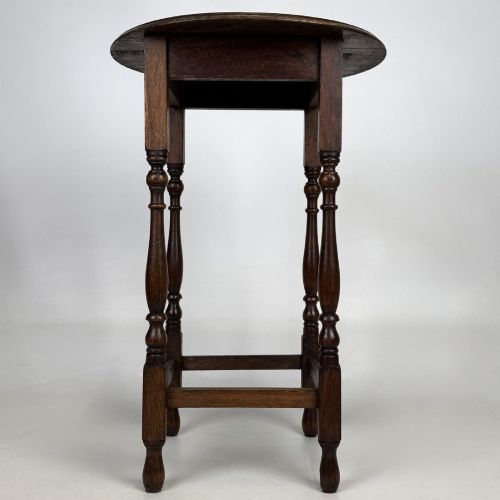
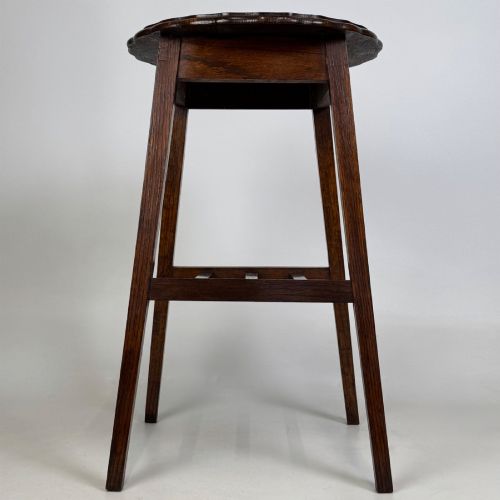
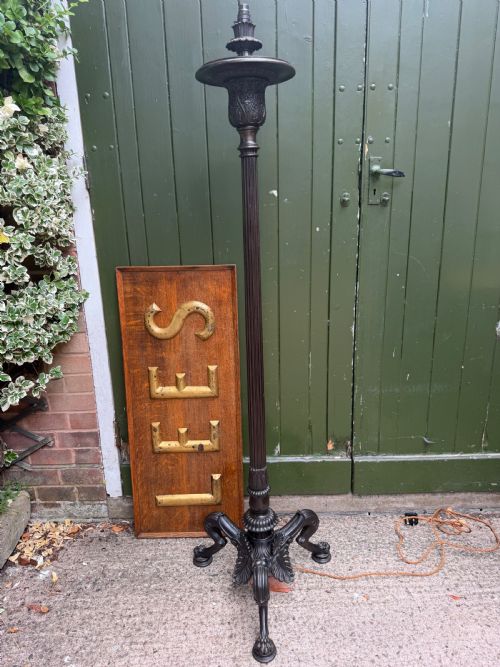
A vintage torchere lamp stand is a tall, slender support historically used for holding candles, figures, or plants, which now frequently serves as a floor lamp or standard lamp. The pieces on this page draw from periods spanning the eighteenth century through to the Art Deco era, encompassing Edwardian, Victorian, and Regency Revival aesthetics.
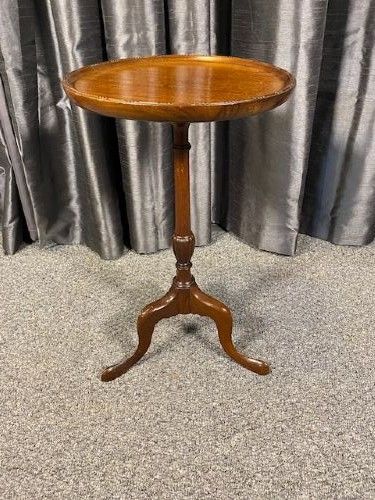
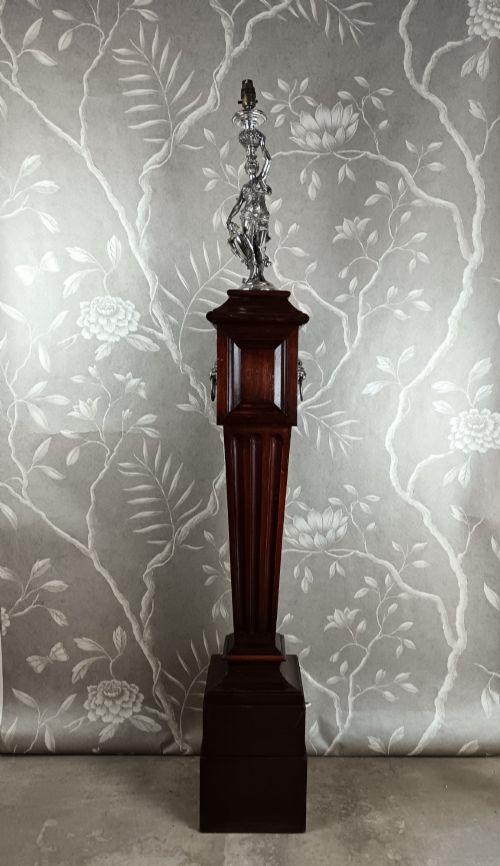
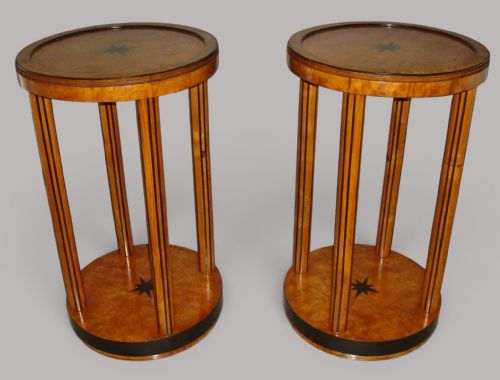
Forms vary from classic carved wood and gesso standards to occasional tables, side tables, and plant stands that double as lamp bases. You will encounter tall wooden pedestals alongside figural examples incorporating metal or silver-plated statues.
Origins stretch across British, French, and Italian workshops, reflecting diverse regional tastes in domestic lighting and display furniture.
How they were made
Construction relies heavily on timber framing, utilising mahogany, oak, burr elm, and ebony, often shaped with carved wood details or finished with gesso and gilt. Metal elements appear in brass, wrought iron, and silver-plated components, frequently paired with glass or marble tops.
Joinery and carving techniques define the period manufacture, from Georgian and Regency revival cabinet-making to the distinct geometric and figural styling of Art Deco and Edwardian pieces.
Vintage Torchere Lamp Stand Retail Price Guide 2026
Typical asking prices for vintage torchere lamp stand among the pieces listed under this phrase on Sellingantiques today, from the lower quarter to the upper quarter. They describe what is for sale here now, not the wider market.
Listings feature materials spanning solid mahogany, burr oak, brass, marble, and gesso across Edwardian, Victorian, and Art Deco periods.
What varies in quality
Quality separates through the crispness of the carving, the choice of timber such as burr oak or figured mahogany, and the integrity of applied gesso and gilding. Finer examples display harmonious proportions, integrated figural elements, and substantial bases that ensure stability for tall lighting.
The sophistication of the design, whether following Louis XVI style curves or clean Art Deco lines, dictates the visual weight and craftsmanship of the finished standard.
WMF
The Vintage Torchere Lamp Stand Glossary
- Torchere
- A tall stand or pedestal originally designed to carry a torch or candle, now commonly adapted as a lamp standard. The form emphasises verticality and decorative carving.
- Gesso
- A plaster-like material applied to wood surfaces and carved or moulded before being gilded or painted. It provides a smooth base for ornate decorative finishes.
- Standard Lamp
- A floor-standing lamp designed to illuminate a room from a raised light source. These pieces often share the slender profile of traditional pedestals.
- Jardiniere
- An ornamental pot or stand for plants and flowers. In this context, it frequently combines with a pedestal or table base.
- Uplighter
- A lighting fixture directed upward to wash the ceiling and upper walls with indirect illumination. This form gained popularity during the Art Deco period.
Vintage Torchere Lamp Stand: Frequently Asked Questions
What is a vintage torchere lamp stand?
A vintage torchere lamp stand is a tall, slender furniture piece originally built to hold a light source or decorative object, now adapted to function as a floor lamp.
They combine height with compact floor footprints, making them practical for corners and tight spaces.
How were torchere stands used historically?
Historically, these tall stands held candles or torches to illuminate large rooms and grand halls before electric lighting became common.
Over time, their primary function shifted toward displaying plants, urns, sculptures, and eventually electrical lamps.
How do I identify the period of a torchere?
Dating relies on observing the combination of materials, such as early oak versus Edwardian inlaid mahogany, alongside stylistic cues like Art Deco geometry or Louis XVI carving.
Construction methods and surface finishes also provide clear indicators of manufacturing era.