
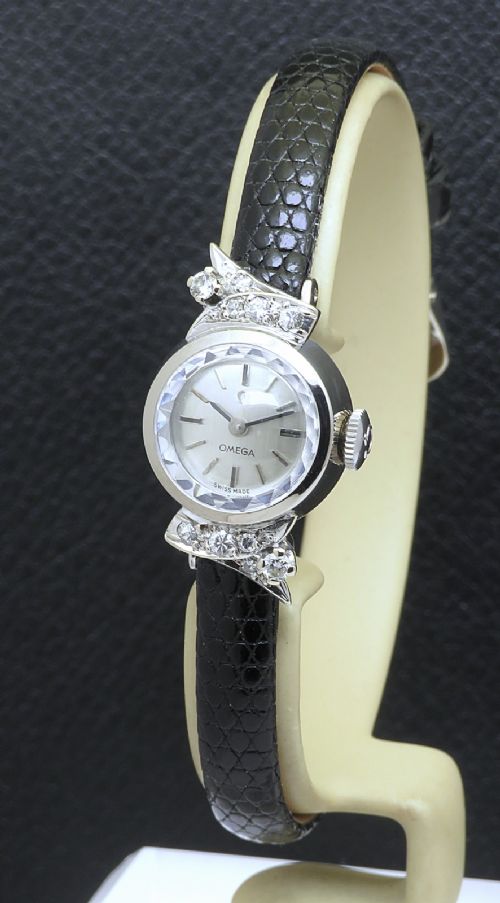
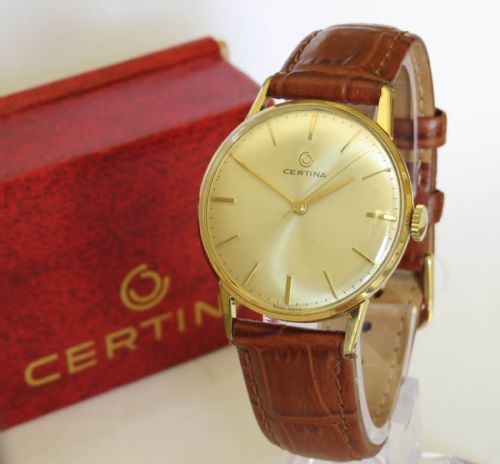

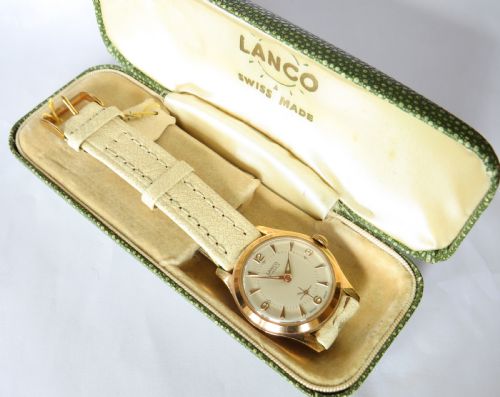


Vintage Timepiece in Box
A vintage timepiece in box brings together precision engineering and original fitted housing from periods spanning the nineteenth century to the late twentieth.
Vintage Timepiece in Box
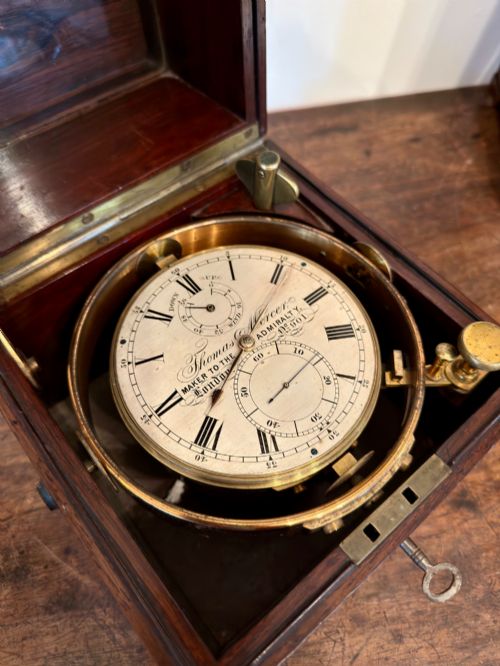
A vintage timepiece in box encompasses a wide selection of portable and domestic horological items preserved in their original fitted containers. The inventory spans straightforward wristwatches and pocket watches alongside heavier marine chronometers, carriage clocks, and wall clocks.
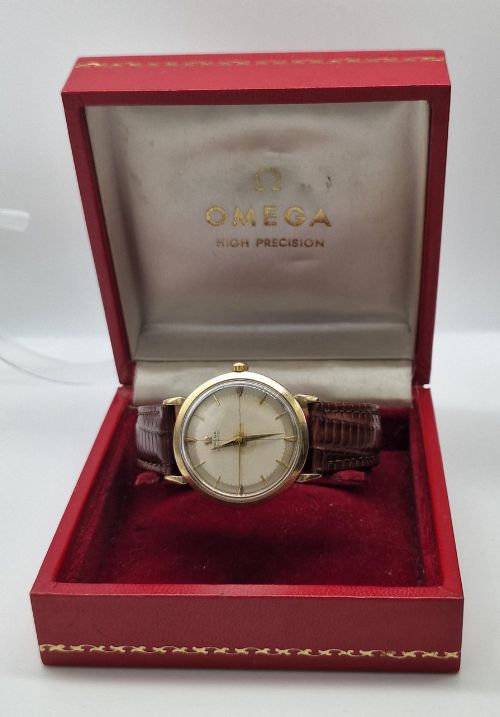
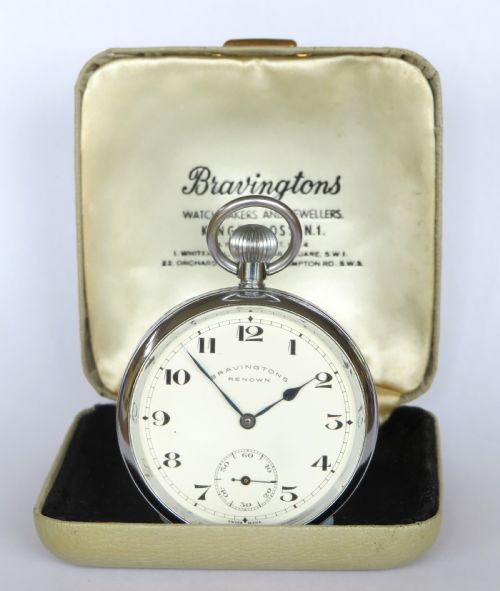
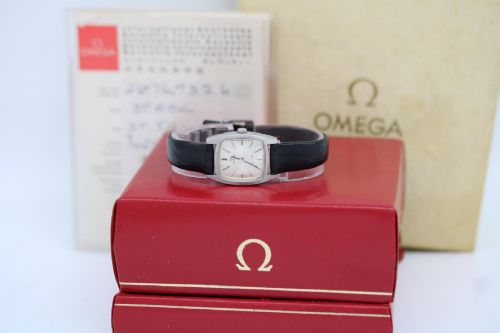
Buyers meet examples originating from the Victorian and Edwardian eras as well as mid-century decades, including 1920s Art Deco designs and 1950s or 1960s modernist pieces. Wristwatches and pocket watches frequently retain fitted leather or card presentation boxes, while larger desk and marine instruments arrive in specialised timber cases.
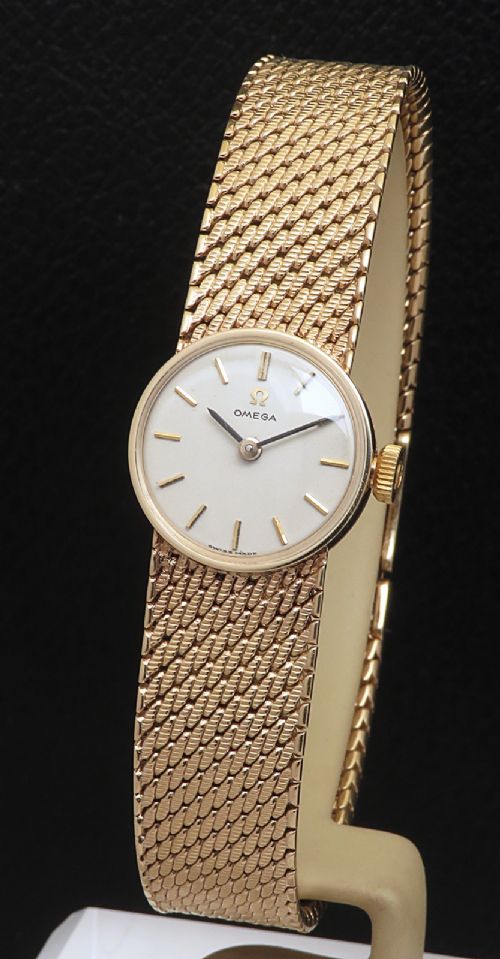
The assortment reflects diverse domestic and professional applications, from ladies' gold cocktail watches to gentleman's chronometers and robust deck watches. Many incorporate original paperwork alongside their fitted boxes, documenting their heritage and operational history.
How they were made
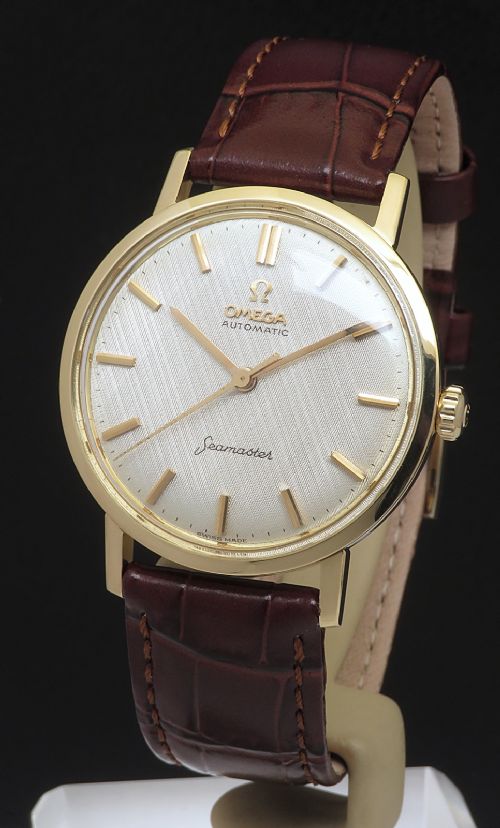
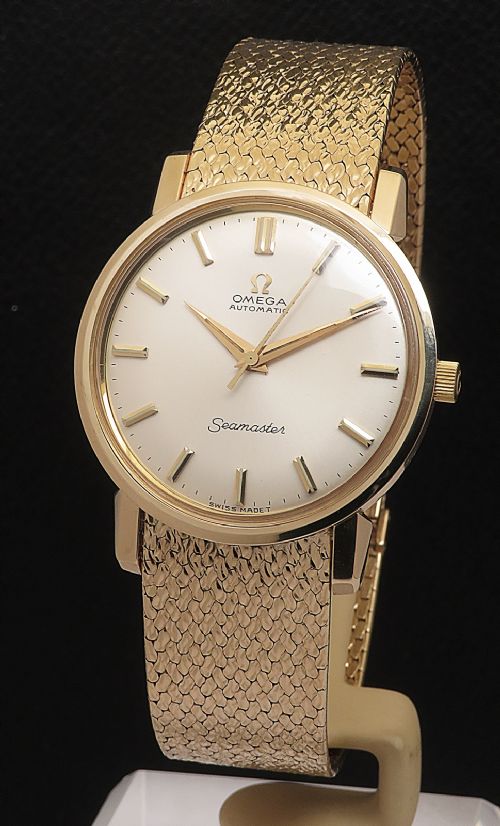
Construction relies upon traditional metalworking techniques, utilising brass, stainless steel, and precious metals such as 9ct and 18ct gold for the casings and internal movements. Dials feature enamel, glass covers, and occasionally timber elements, matched with fitted leather cases that protect the mechanism during transport and storage.
Master horologists and established workshops employed precise mechanical assemblies, fusee movements, and specialised escapements driven by springs and gear trains. Presentation boxes were hand-finished in leather, mahogany, and velvet linings to secure each specific instrument.
One robust carriage clock arrives with paperwork so devoted it clearly outlived several owners' patience.
What varies in quality
Quality rests upon the pedigree of the maker, the purity of the housing materials, and the survival of matching original documentation. Pieces housing solid gold cases or complex chronometer movements command distinction over plated or standard utility equivalents.
The completeness and preservation of the accompanying presentation box and associated paperwork significantly elevate the standing of any horological piece. Intricate dial decoration, precious stone settings, and uncompromised mechanical integrity further separate standard items from superior specimens.
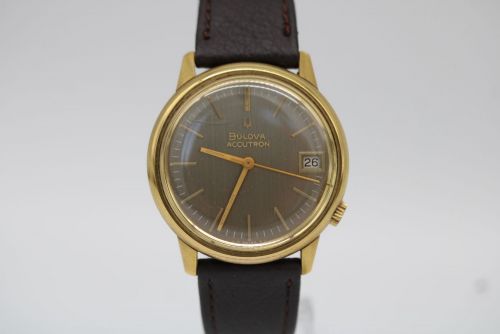
Mercer of London·Omega·Bravingtons·Bulova Accutron·Certina·L Epee·Jaeger LeCoultre·Tissot·John Thwaites·Longines
The Vintage Timepiece in Box Glossary
- Chronometer
- A high-precision timepiece capable of maintaining extreme accuracy under varied conditions. These instruments were essential for maritime navigation and scientific observation.
- Fusee movement
- A conical pulley device used in older clocks and watches to equalize the declining power of the mainspring as it unwinds. This mechanism ensures consistent force is delivered to the gear train.
- Carriage clock
- A small, spring-driven clock designed for travellers during the nineteenth and twentieth centuries. They typically feature glass panels and a carrying handle on top.
- Deck watch
- A portable precision timekeeper utilised by naval officers for navigation and timing observations on ship decks. They bridge the functional gap between pocket watches and full marine chronometers.
- Drop-dial clock
- A wall clock featuring an extended case below the dial to accommodate a longer pendulum swing. This style became popular in English public and domestic spaces during the nineteenth century.
Vintage Timepiece in Box: Frequently Asked Questions
Why do these watches have original boxes?
Original presentation boxes served to protect delicate mechanisms during transport and retail display, often surviving because owners treated them as secure storage.
Today, these fitted containers provide historical context and confirm the item's completeness for collectors.
How do I identify a Victorian timepiece?
Victorian pieces often display heavier proportions, ornate casing decorations, and traditional hand-engraved dial details characteristic of nineteenth-century manufacturing.
Signatures or movement types associated with makers from that era further authenticate the period of origin.
Are carriage clocks meant to travel?
Carriage clocks were originally built with robust folding handles and protective brass frames specifically for nineteenth-century travellers.
Modern handling requires care, but their original engineering was intended to withstand the motion of stagecoaches and trains.
What is a marine chronometer used for?
Marine chronometers served as exceptionally accurate portable time standards used aboard ships to determine longitude at sea.
Their gimbals allowed the instrument to remain level despite the rolling motion of a vessel.
Do these items include paperwork?
Certain pieces retain their original documentation, instruction manuals, or guarantee papers issued at the time of purchase.
Such paperwork provides verifiable dates and provenance that add significant depth to the historical record of the object.