






Vintage Timekeeper Clock
A vintage timekeeper clock keeps domestic or institutional time with mechanical precision, offering tangible heritage and traditional craftsmanship for any room.
Vintage Timekeeper Clock
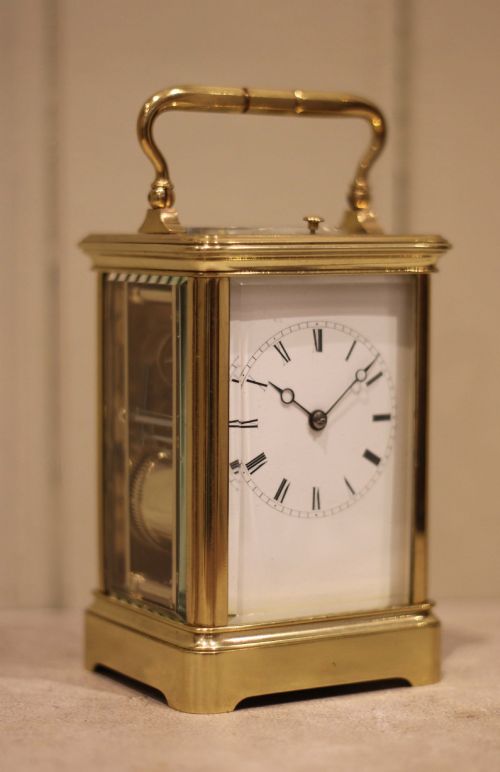
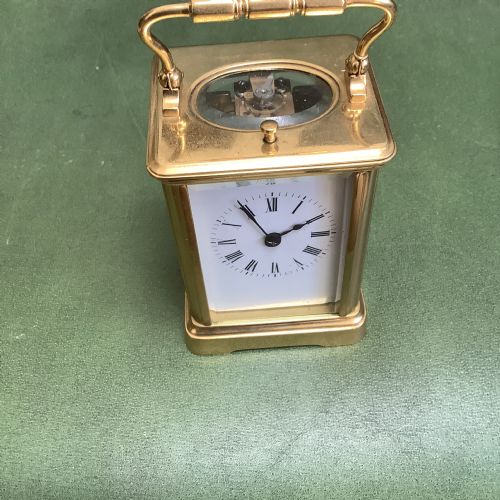
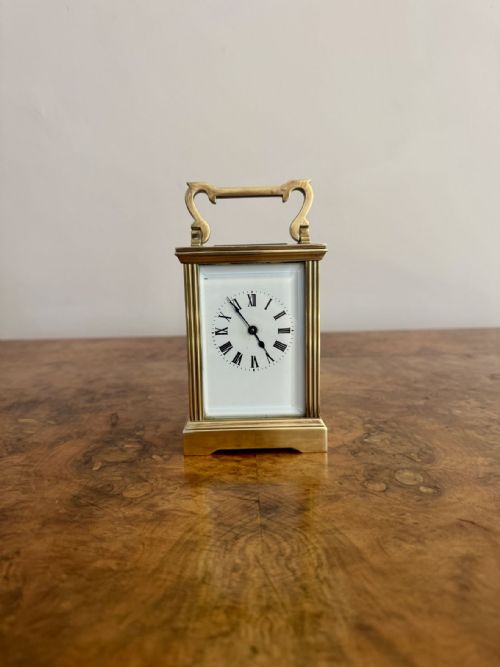
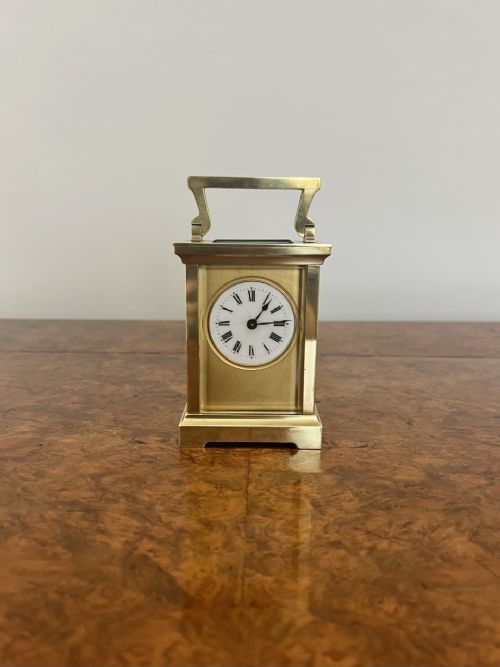
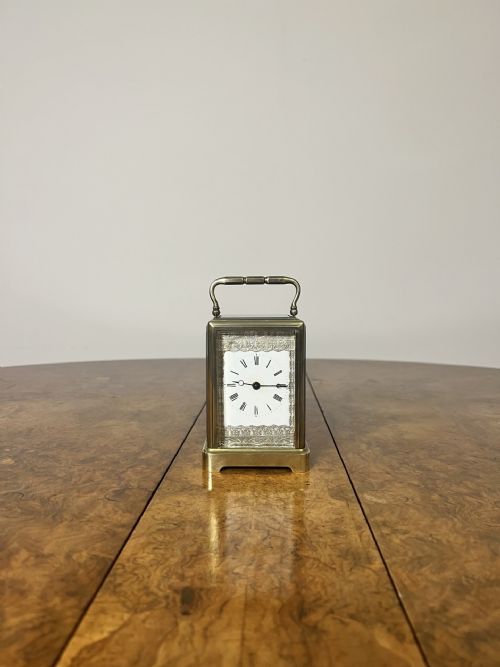
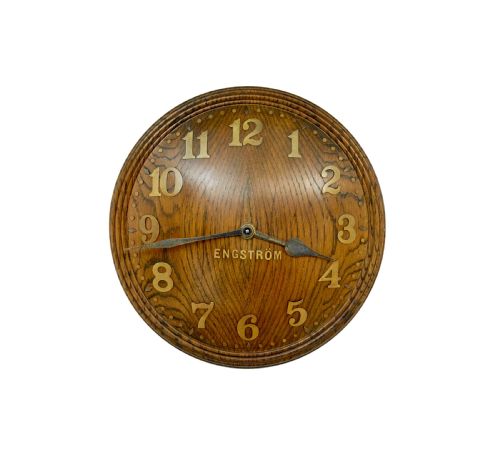
A vintage timekeeper clock encompasses diverse horological forms spanning multiple centuries, ranging from portable carriage models to large wall and longcase installations. Buyers exploring this category frequently encounter pieces originating in the Victorian, Edwardian, and Art Deco eras alongside earlier nineteenth-century examples.
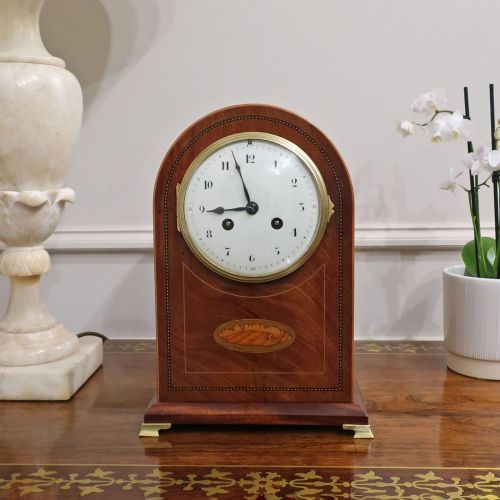
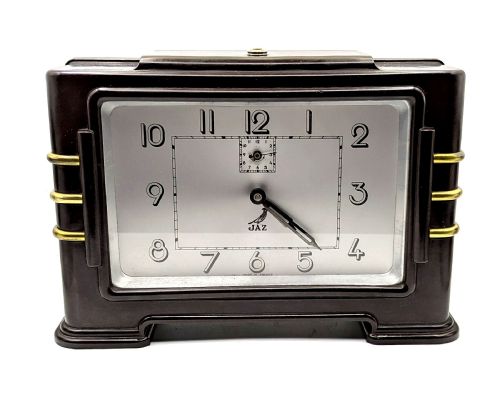
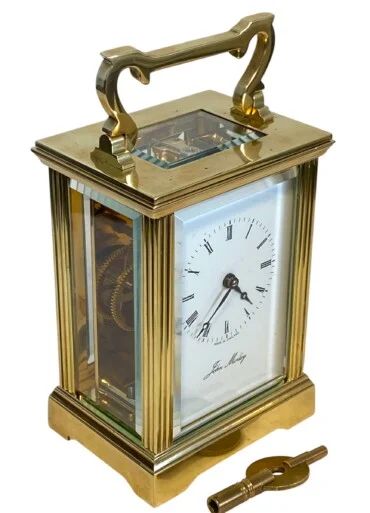
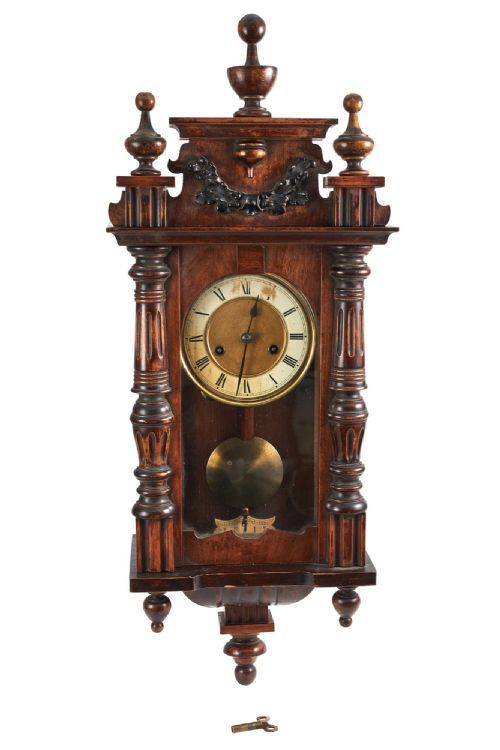
Mantel clocks and carriage clocks dominate the selection, often housed in brass, mahogany, or oak cases. These domestic timepieces reflect the changing tastes of past decades, moving from ornate nineteenth-century designs to the streamlined aesthetics of the 1920s and 1930s.
Materials and construction
Horological makers utilised durable metals such as brass, gilt brass, and chrome alongside traditional cabinet timbers including mahogany, walnut, satinwood, and oak. Glass panels frequently protect delicate movements, while enamel dials provide clear legibility for roman or arabic numerals.
Movements rely on complex brass gear trains, escapements, and springs, housed within meticulously joined wooden or cast metal chassis. Cases feature decorative techniques such as marquetry inlay, engraving, and polished finishes that highlight the natural grain of the timber.
Standards of craftsmanship
The distinction between standard production items and superior horology lies in the precision of the mechanical movement and the fineness of the case detailing. Master clockmakers integrated intricate complications like striking and repeating mechanisms, executed with hand-finished components that ensure reliable timekeeping.
Cabinetwork quality separates ordinary examples from exceptional pieces through the selection of choice veneers, crisp dial engraving, and balanced proportions. Signed movements by notable makers and workshops further elevate a clock's historical and horological standing.
Pickford of London·John Morley·Brunelot·Duverdrey & Bloquel·J Batson & Son·W. Burton·Piggin Norwich·Zenith·Jaz
The Vintage Timekeeper Clock Glossary
- Carriage clock
- A small, portable spring-driven timepiece designed for travelling, typically featuring a brass frame with glass panels.
- Fusee
- A conical pulley used in mechanical clocks to maintain even tension on the gear train as the mainspring unwinds.
- Mantel clock
- A domestic timepiece intended to sit on the shelf above a fireplace, constructed in various wood and metal styles.
- Striking clock
- A timepiece that sounds the hours or fractions thereof on a bell or gong using an internal mechanism.
- Enamel dial
- A clock face created by fusing powdered glass to a metal substrate at high heat, yielding a smooth, durable surface.
Vintage Timekeeper Clock: Frequently Asked Questions
How do I wind a mechanical clock?
Wind the clock using the designated key inserted into the dial or rear arbor, turning gently until you feel resistance.
Avoid over-winding the spring, as this can damage the internal mechanism and prevent proper operation.
Where should I place a carriage clock?
Place your carriage clock on a stable, level surface away from direct sunlight, moisture, and draughts.
Mantels and desks provide secure locations where the delicate brass and glass case remains safe from accidental knocks.
What does an 8-day movement mean?
An 8-day movement indicates that the clock requires winding approximately once a week to maintain continuous operation.
This convenience became popular in nineteenth and twentieth-century timepieces for domestic and office use.
How do I identify an Art Deco clock?
Art Deco clocks feature geometric forms, streamlined silhouettes, and materials such as bakelite, chrome, and oak.
These pieces typically date from the 1920s and 1930s, reflecting modern industrial design trends of the period.