


Vintage Time Clock
These vintage time clock examples bring genuine mechanical character to any room, offering traditional timekeeping alongside striking period design.
Vintage Time Clock
A vintage time clock encompasses various mechanical and decorative timepieces spanning from the Georgian era through the mid-twentieth century. Buyers searching for a vintage time clock will encounter diverse forms including mantel clocks, desk tables, wall-mounted time recorders, and grander longcase clocks.
Origins stretch from early nineteenth-century fusee wall clocks to 1950s electro-mechanical desk pieces and specialised world time instruments. Each form reflects the functional demands and domestic tastes of its specific era.
Materials and construction
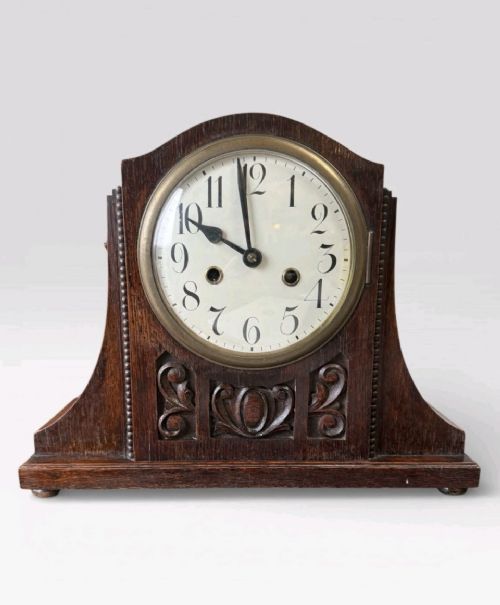
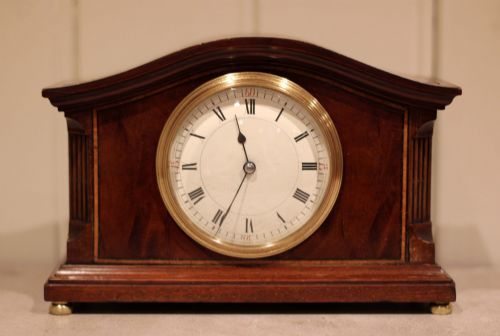
Cabinetmakers and horologists utilised solid timbers such as mahogany and oak, frequently shaping them into traditional balloon forms or architectural cases. Metal elements in brass, nickel plating, and enamel provide structural contrast and functional durability.
Visual depth comes from secondary materials like glass viewing panels, paper dials, and polished green onyx mounts. Mechanical movements rely on precise metal gear trains, fusee mechanisms, and mechanical wind assemblies.
Industrial time recorders carry the quiet ghost of factory shifts, reminding everyone that even minutes once punched in with heavy iron.
Assessing quality and execution
Superior examples demonstrate meticulous cabinetwork, evident in tight wood joints, fine mahogany inlay work, and robust brass fittings. Finer pieces balance decorative ambition, such as shaped onyx or tortoiseshell detailing, with reliable mechanical integrity.
The execution of the dial and movement separates standard production from exceptional work. Maker attribution and original mechanical components elevate the overall standard of the piece significantly.
Timby·Gledhill Brook·Elliott·Garrards·Kienzle
The Vintage Time Clock Glossary
- Fusee
- A conical pulley used in older clock movements to maintain even driving tension as the mainspring unwinds. This mechanism ensures more accurate timekeeping throughout the power reserve.
- Mantel clock
- A decorative clock designed to sit upon the shelf or mantel above a fireplace. These domestic pieces often feature substantial wooden or stone cases.
- Longcase clock
- A tall, free-standing pendulum clock housed in a wooden tower or case. They are also frequently referred to as grandfather clocks.
- Time recorder
- A specialised mechanical clock used in industrial or commercial settings to record staff working hours. These utilitarian devices often feature distinct clocking-in mechanisms.
Vintage Time Clock: Frequently Asked Questions
How do I wind a mechanical desk clock?
Most mechanical wind clocks require a key or built-in key mechanism to tension the mainspring gently. Care must be taken not to overwind the movement.
Consult the specific winding instructions for the era of the clock to ensure the internal gear train remains undamaged.
Where should I place a mantel clock?
Mantel clocks suit stable, flat surfaces such as fireplace mantels, sideboards, or heavy bookshelves. Placement should avoid damp areas and direct sunlight.
Ensuring the surface is level helps the pendulum or escapement mechanism operate with consistent accuracy.
How do I identify an Art Deco clock?
Art Deco clocks typically feature geometric forms, symmetrical lines, and modern industrial materials like green onyx or chrome. Stylized numerals and streamlined silhouettes are common.
These pieces reflect design trends from the interwar decades, particularly the 1920s and 1930s.
What is a world time clock?
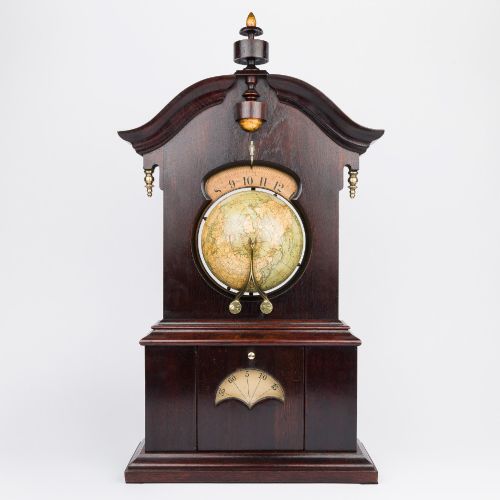
A world time clock displays the time across multiple international time zones simultaneously, often utilising rotating dials or specialised outer rings.
These functional instruments gained popularity for international business and travel during the mid-twentieth century.