


Vintage Timber Sideboard
A vintage timber sideboard provides both robust utility and characterful storage, bridging dining rooms and kitchens with practical elegance.
Vintage Timber Sideboard
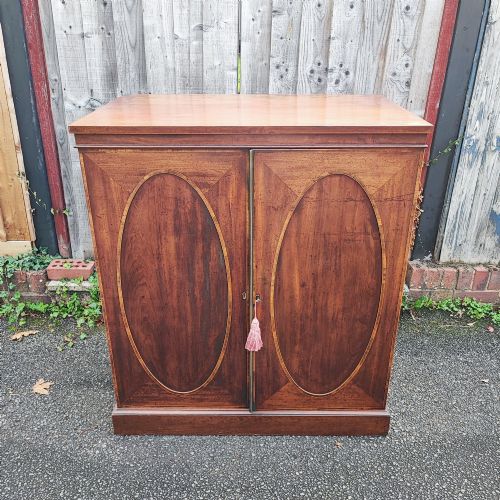
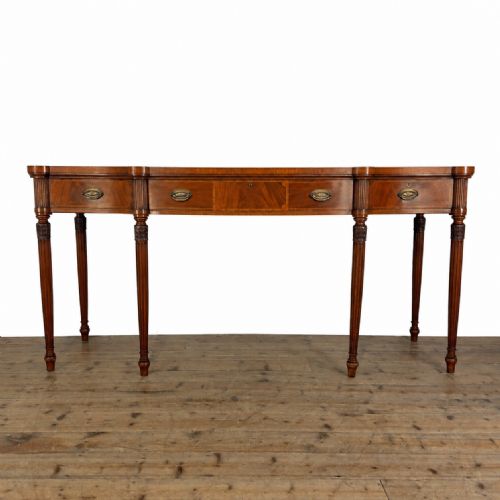
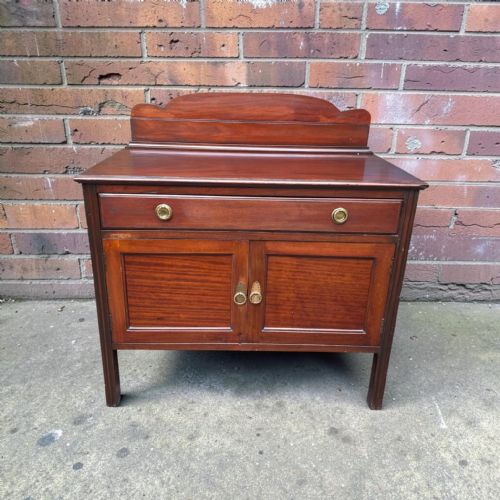
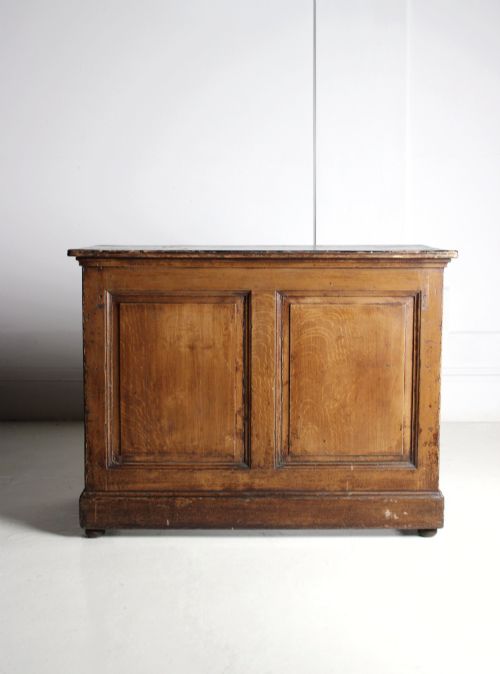
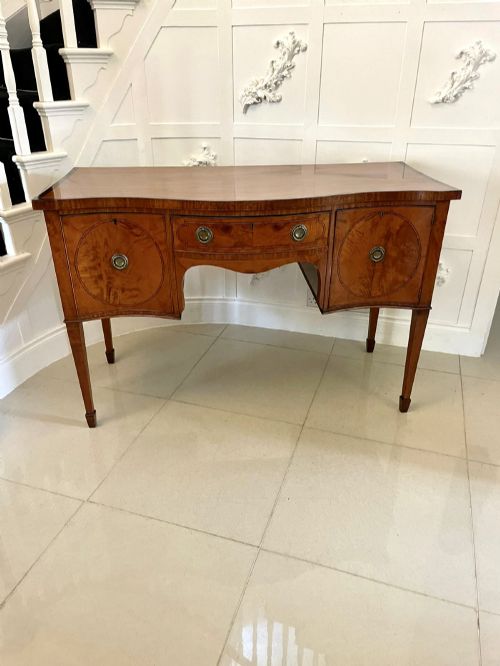
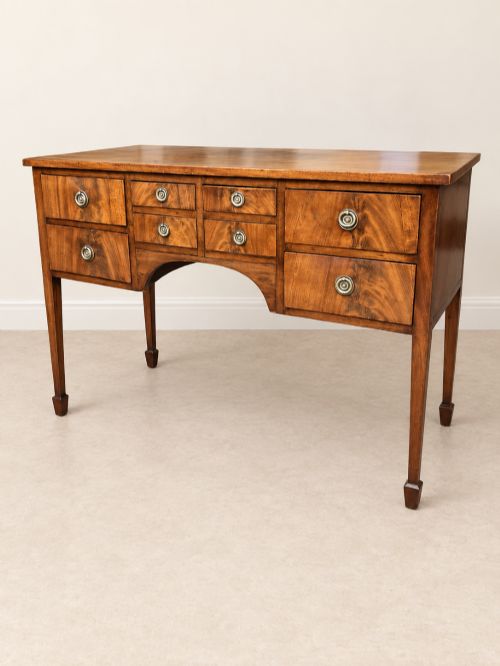
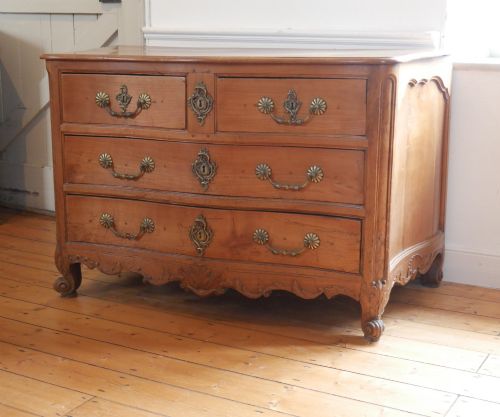
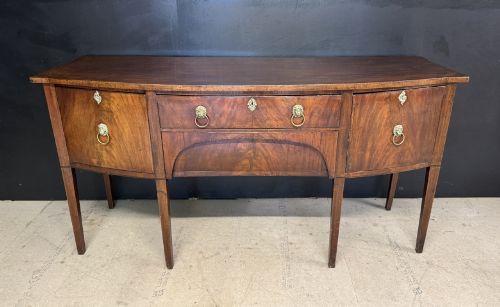
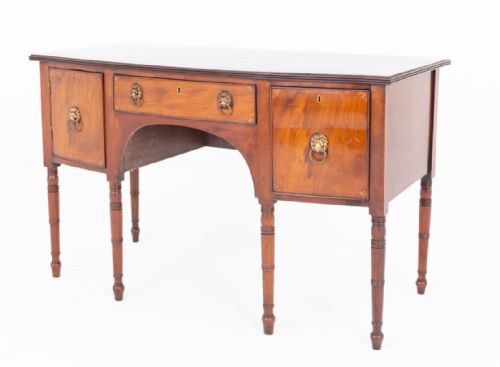
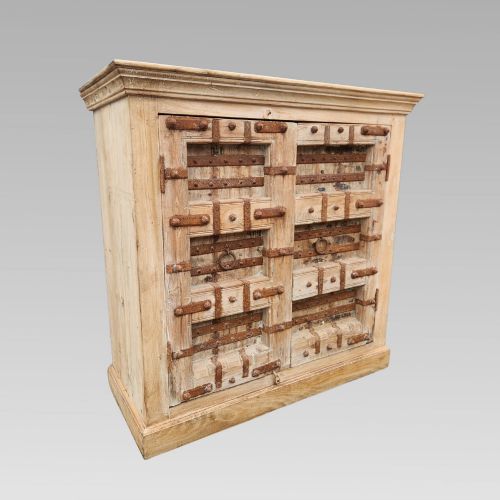
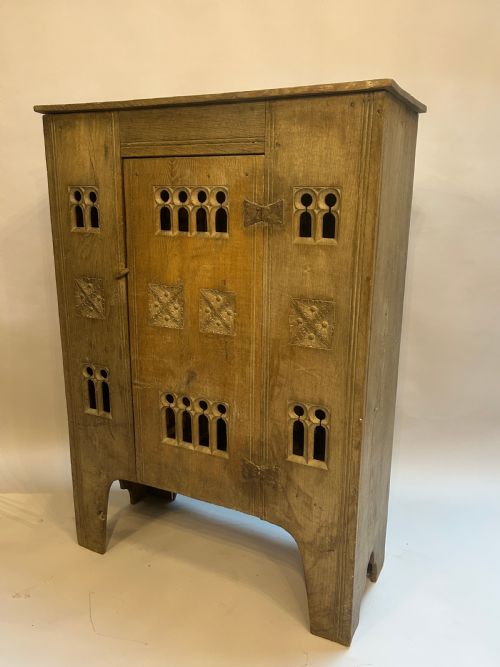
A vintage timber sideboard encompasses a varied group of heavy storage furniture, ranging from formal mahogany dining room pieces to robust pine and oak country house dresser bases and shop counters. When searching for a vintage timber sideboard, buyers typically encounter pieces built from the eighteenth century onwards, with nineteenth-century examples forming a large portion of the selection.
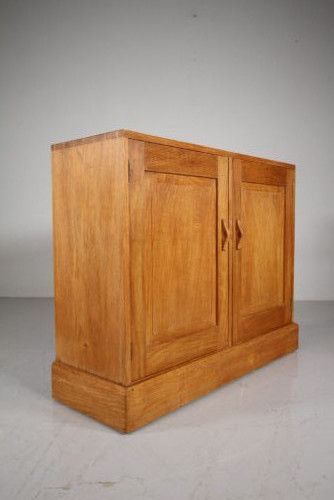
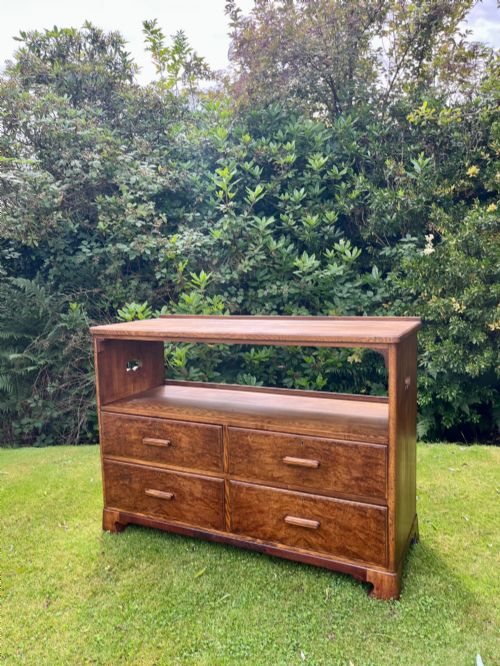
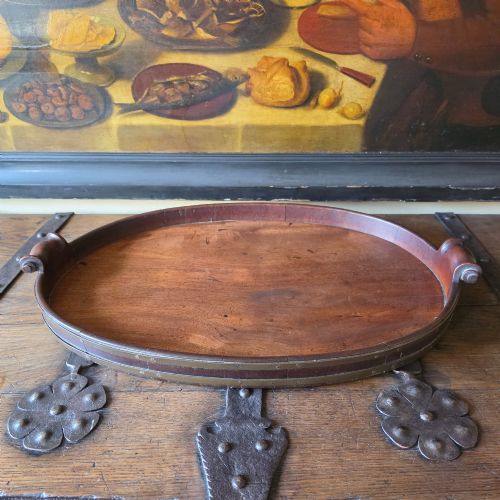
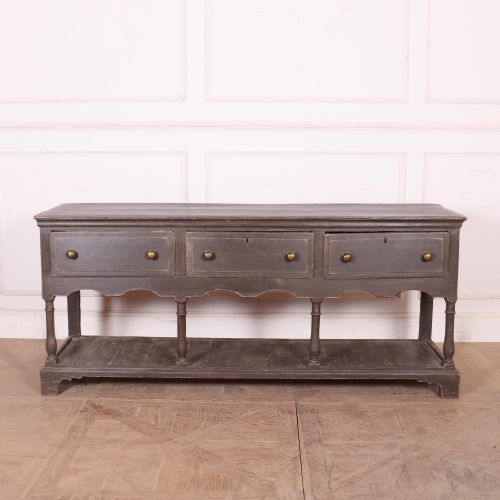
The objects recorded under this search phrase stretch beyond conventional dining room sideboards to include enfilades, potboard dresser bases, side cabinets, and sturdy workbenches adapted for domestic use. Materials span native hardwoods like oak, mahogany, walnut, and ash alongside softer pine and imported teak.
Regional styles include English country pieces, French provincial designs, and Arts and Crafts examples, demonstrating how functional storage took different forms across Europe and beyond. Buyers find items finished in natural polished wood grains as well as those retaining original or later painted surfaces.
How they were made
Construction relies heavily on solid timber construction, utilising dense hardwoods such as mahogany, oak, walnut, and teak for structural framing and primary surfaces, alongside pine for secondary carcases. Joinery techniques observed across the period include traditional dovetailing for drawer construction and mortise and tenon joints for frames.
Surface treatments vary significantly between eras and regions, encompassing hand-polished timber finishes that highlight grain patterns, alongside layers of traditional paint applied to pine and regional woods. Brass and iron hardware, including drop handles, hinges, and occasional vices on workbench adaptations, provide functional mechanical detailing.
Vintage Timber Sideboard Retail Price Guide 2026
Typical asking prices for vintage timber sideboard among the pieces listed under this phrase on Sellingantiques today, from the lower quarter to the upper quarter. They describe what is for sale here now, not the wider market.
Listings feature eighteenth-century pieces through to twentieth-century designs, spanning mahogany, oak, pine, teak, and painted wood.
What varies in quality
Originality of surface finish strongly influences the standing of an item, distinguishing pieces that retain their earliest paint or polish from those stripped or heavily altered later. The refinement of decorative details, such as fine inlay work or panel moulding, separates standard workshop production from exceptional cabinet-making.
Gillows·Whytock and Reid
The Vintage Timber Sideboard Glossary
- Dresser base
- A low wooden storage unit featuring drawers and cupboards below an open top surface, frequently found in country kitchens. These pieces served as primary workspace and storage before fitted kitchens became standard.
- Enfilade
- A long low storage cabinet originating in France, typically featuring a sequence of doors in a single unbroken line. They were designed for formal dining rooms to store serving dishes and linen.
- Potboard
- An open slatted lower shelf incorporated into the base of traditional dressers or serving tables. Originally intended for storing heavy earthenware pots and kitchen utensils.
- Serpentine
- A furniture front characterised by a gentle undulating curve that bulges outward in the centre and recesses at the sides. This technique requires advanced woodworking skill to execute cleanly.
- Washstand
- A dedicated piece of bedroom furniture designed to hold a washbowl and jug, often incorporating marble tops and small cupboards. Later examples frequently find new utility as compact sideboards.
Vintage Timber Sideboard: Frequently Asked Questions
How do I choose the right size sideboard?
Measure your available wall space carefully, keeping in mind the clearance required for opening drawers and cabinet doors fully. Consider the depth of the piece to ensure it does not obstruct walking routes in dining rooms or hallways.
Take note of the height as well, since proportions vary greatly between low Georgian serving tables and taller Victorian or Edwardian kitchen pieces.
Can I use a workbench as a sideboard?
Many buyers repurpose nineteenth-century French and Swedish wooden workbenches as sideboards in kitchens and living spaces. Their deep timber tops and built-in drawers provide substantial surface area and practical storage.
Retained vices and tool wells add industrial character while maintaining everyday utility for modern homes.
What is the difference between a sideboard and a dresser base?
A sideboard is typically a formal dining room cabinet designed specifically for storing tableware, linen, and serving dishes. They often feature refined veneers and decorative inlay work.
A dresser base originates from the working kitchen, built from heavier timbers like pine or oak with a focus on robust utility rather than formal display.
How do I care for antique timber surfaces?
Maintain wooden surfaces by dusting regularly with a soft dry cloth and applying natural beeswax periodically to nourish the grain. Avoid placing timber furniture in direct sunlight or close to heat sources to prevent warping and splitting.
Protect polished tops from moisture by using coasters and placemats during daily use.