

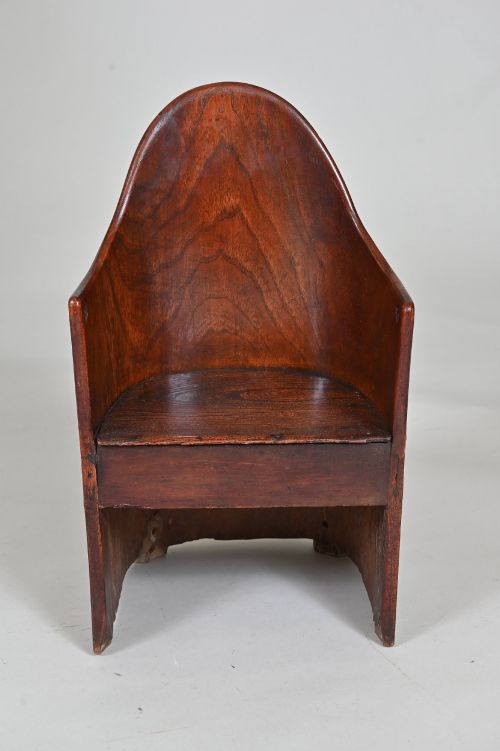
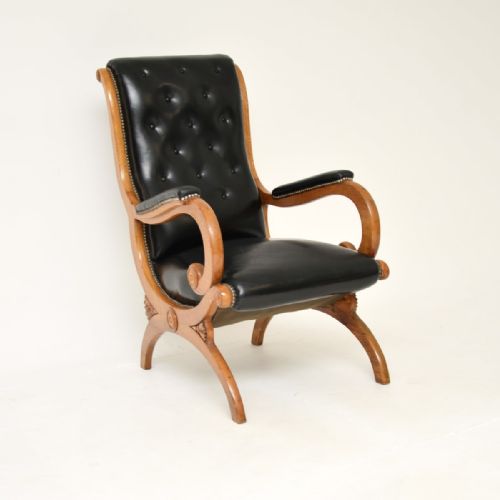
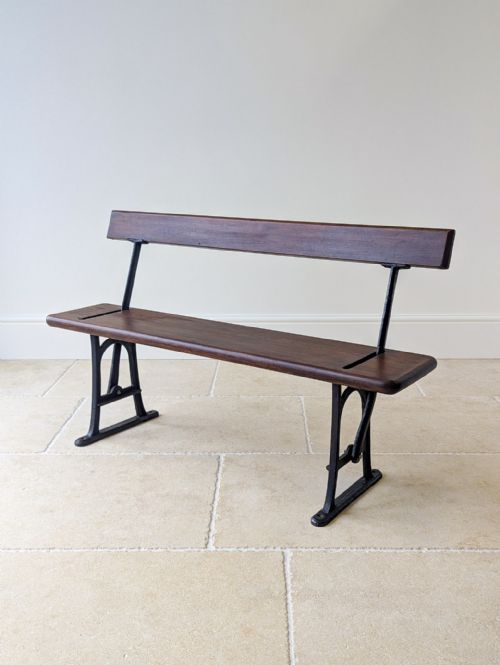
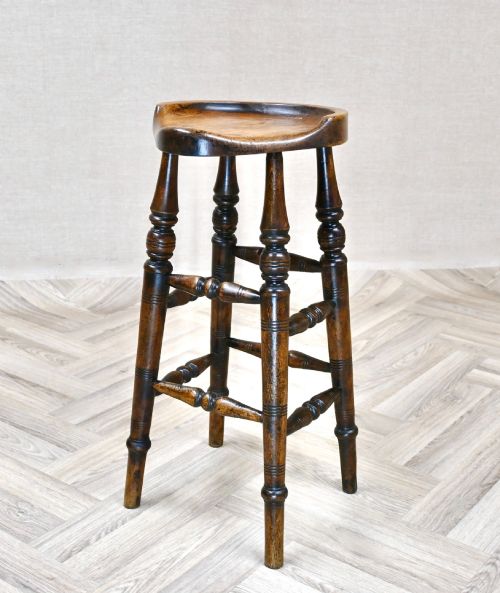
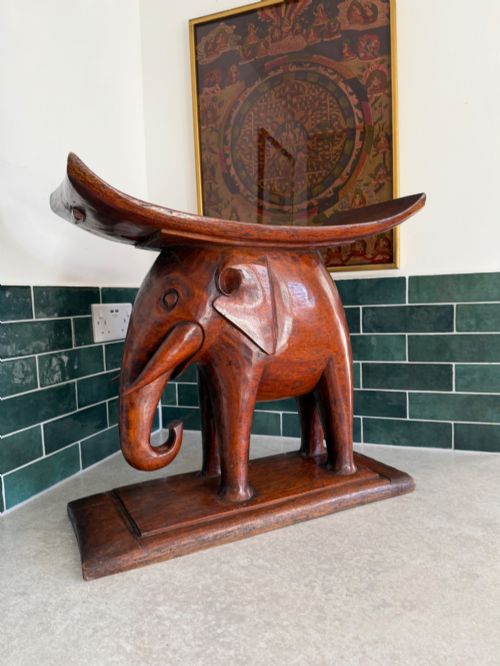
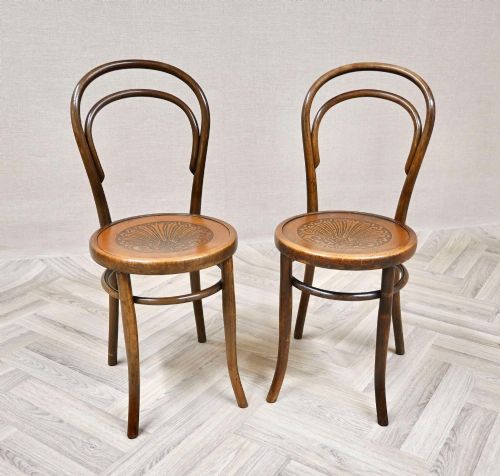
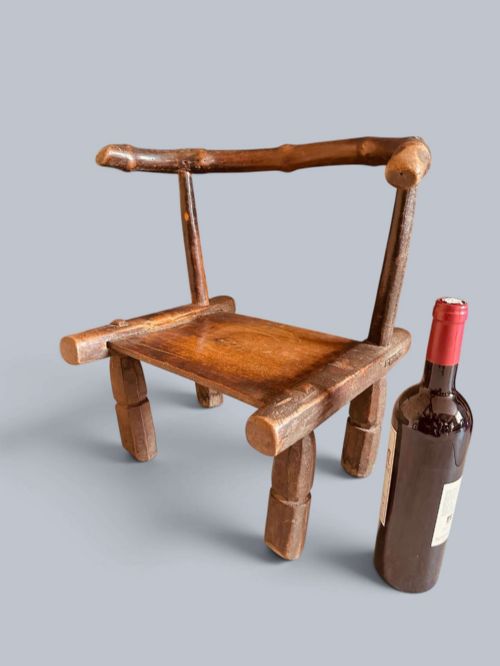
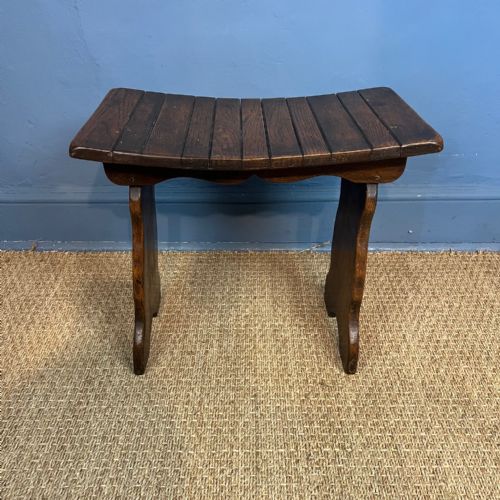
Vintage Timber Seating
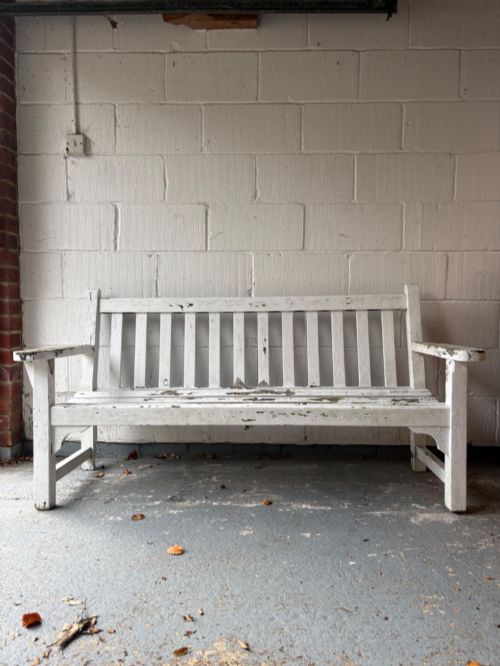
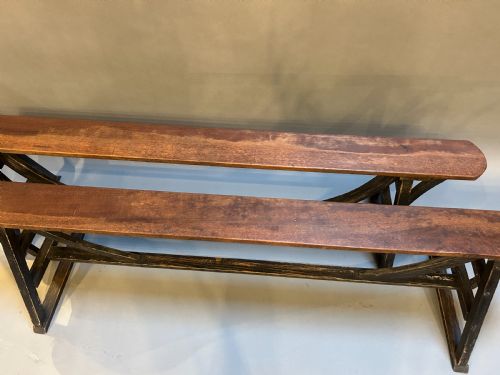
These vintage timber seating examples bring honest workshop construction and rich natural grain directly into daily domestic use.
Vintage Timber Seating
Vintage timber seating encompasses a broad functional range from sturdy oak hall benches and elm kitchen chairs to utilitarian workshop stools and garden seats. These pieces emerge from the nineteenth and early twentieth centuries, spanning periods like the Victorian, Edwardian, and Regency eras.
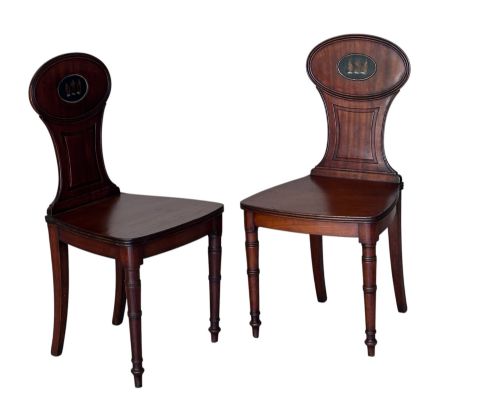
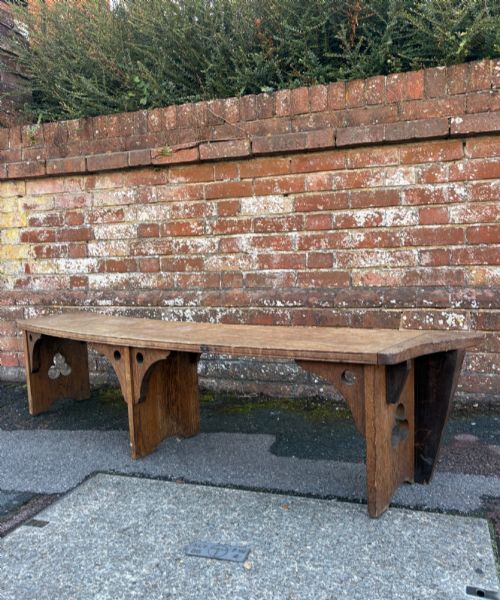
Buyers encounter numerous regional variations, including Scottish baronial stools, Irish mahogany hall chairs, and rustic country settles. Forms range from simple three-legged milking stools to expansive curved Gothic oak benches and deep-seated country house sofas.
Domestic and commercial contexts define much of this seating, with items originating from English country houses, Welsh farmhouses, and European village taverns. Everyday utility guided their initial production, resulting in robust forms designed for heavy continuous service.
Materials and construction methods
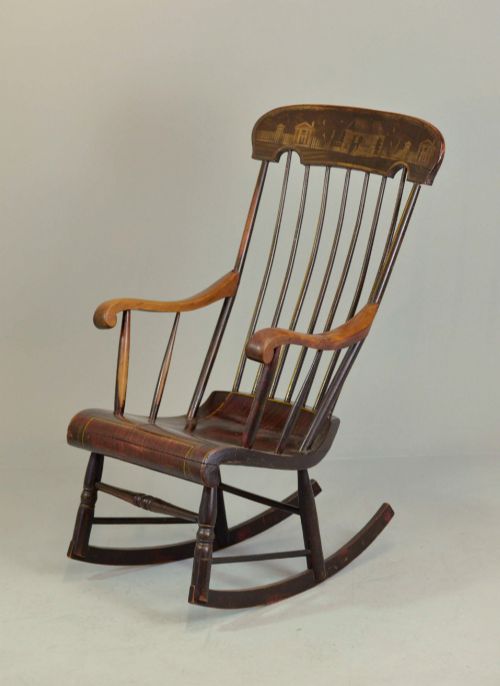
Makers relied heavily on native hardwoods such as oak, elm, walnut, beech, and pine, selecting timber for strength and local availability. Heavy plank construction, pegged mortise and tenon joints, and turned spindles provide structural integrity without complex metal hardware.
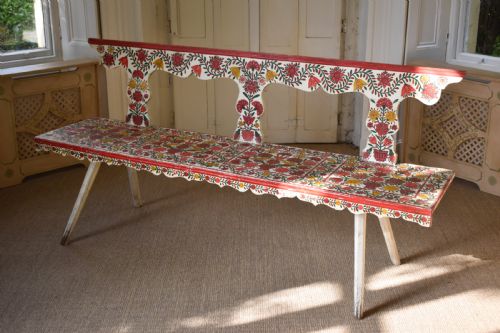
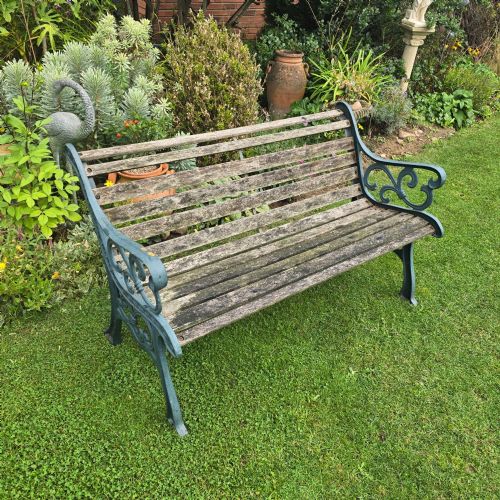
Surface treatments range from waxed honey-brown patinas on pine settlers to original ochre and green paint layers on European milking stools. Cast iron elements frequently appear on garden benches and industrial workshop seating alongside carved wood details like trefoils and foliate motifs.
Vintage Timber Seating Retail Price Guide 2026
Typical asking prices for vintage timber seating among the pieces listed under this phrase on Sellingantiques today, from the lower quarter to the upper quarter. They describe what is for sale here now, not the wider market.
Listings feature robust nineteenth-century oak, elm, and pine seating alongside cast iron garden benches spanning multiple stylistic revivals.
Factors determining quality
Superior examples display genuine original surface patination, untouched paint layers, and intact maker labels or foundry stamps that confirm provenance. Substantial timber thickness in seats and sturdy joint construction elevate a piece far above utilitarian replacements.
Refinement of carving and proportion separates standard commercial seating from bespoke commissions, such as intricate Gothic tracery or specialised artisan stools. The integrity of the wood grain and minimal replacement timber maintain the historical value of each chair or bench.
Strahan And Co·Falkirk Foundry
The Vintage Timber Seating Glossary
- Patina
- The deep surface sheen and colour developed by wood through age, handling, and regular polishing over decades. This quality indicates authenticity and continuous use.
- Settle
- A high-backed wooden bench with solid arms and a closed base designed to block cold drafts in domestic halls and kitchens. Early examples often feature panelled backs and box storage beneath the seat.
- Windsor
- A chair style featuring a solid sculpted wooden seat into which the legs and spindled back are independently wedged and pegged. Elm and beech commonly form these traditional country seats.
- Milking stool
- A simple low three-legged stool traditionally used by agricultural workers for dairy tasks. These items often showcase rustic peg construction and remains of original coloured paint.
- Gothic Revival
- An architectural and decorative style utilising pointed arches, trefoils, and heavy vertical proportions inspired by medieval buildings. This aesthetic appears frequently on nineteenth-century oak benches and church-style chairs.
Vintage Timber Seating: Frequently Asked Questions
How do I identify a Victorian hall bench?
Victorian hall benches typically feature heavy carved oak or mahogany frames, high panelled backs, and architectural details like trefoils or shaped trestle ends. They were built to stand in entranceways for practical use.
Examine the timber underneath and the joinery for hand-cut peg fixings. Many incorporate coat hooks or hinged seat storage which helps confirm their original domestic purpose.
Where should I place a vintage wooden stool?
These compact items suit small spaces as occasional side tables, bedside stands, or extra seating in kitchens and living rooms. Their varied heights allow for versatile placement around the home.
Keep them away from direct heat sources such as radiators to prevent the dry timber from splitting. Regular waxing maintains the natural surface sheen.
What is a Windsor wheelback chair?
A Windsor wheelback chair uses a central pierced splat shaped like a cartwheel framed by vertical spindles radiating from a thick elm seat. This construction style developed across English rural workshops.
The combination of flexible beech spindles and rigid elm seats provides durable support. Check the joints beneath the seat to ensure the wedged legs remain secure.
How do I care for antique painted furniture?
Original painted surfaces on items like milking stools require gentle dry dusting rather than wet cleaning to preserve the pigment and finish. Avoid harsh chemical polishes that can lift old layers.
Store these pieces in stable indoor humidity conditions to protect the underlying timber from movement. Minimal handling preserves the fragile historical paint.