



Vintage Timber Rack
A vintage timber rack organises coats, hats, luggage and umbrellas with practical British utility.
Vintage Timber Rack
A vintage timber rack encompasses a broad functional group of hallway furniture, wall hooks, luggage stands and umbrella holders spanning several centuries. Buyers searching for a vintage timber rack most frequently encounter Victorian and Edwardian examples made for hallways, boot rooms and domestic service areas.
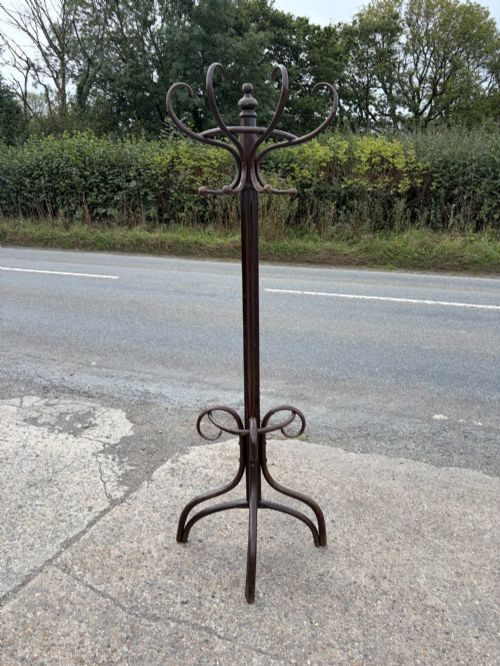
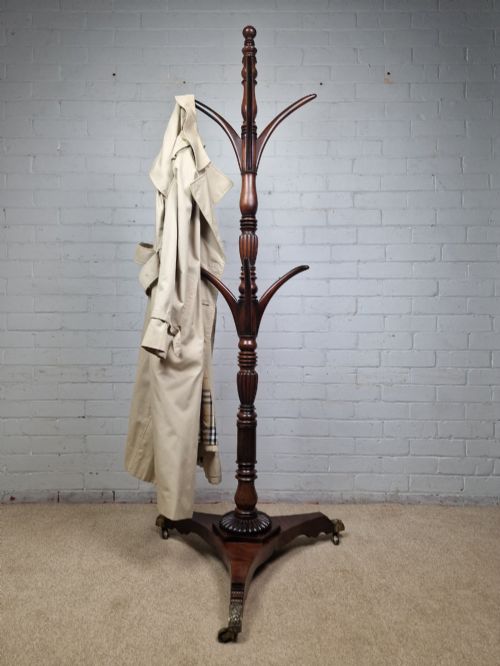
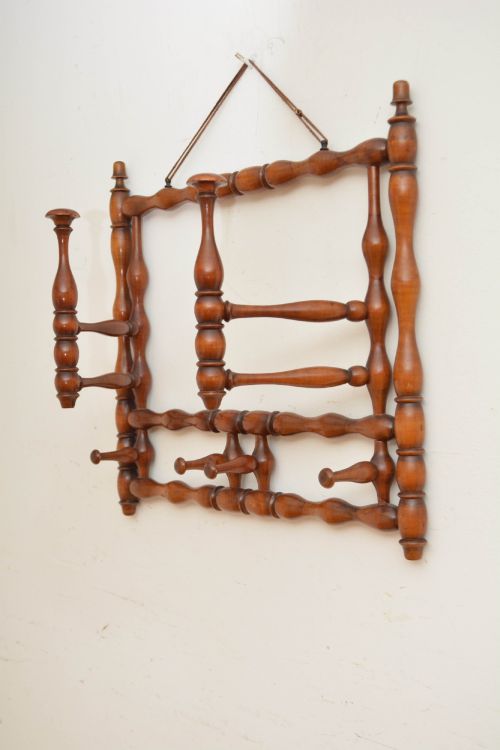
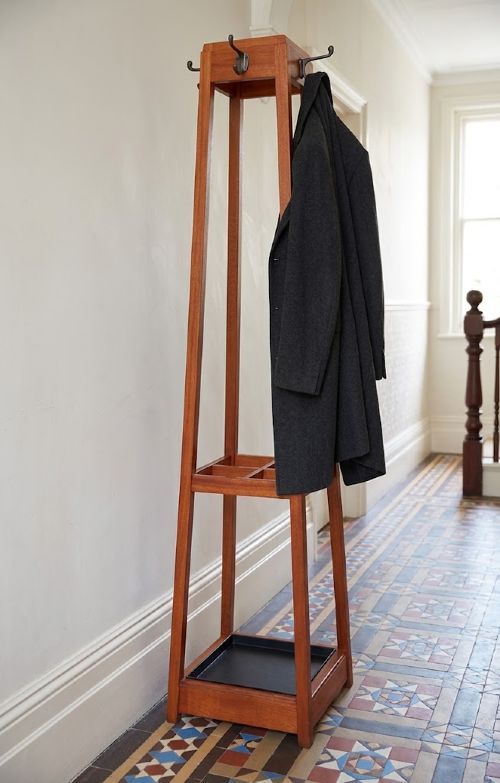
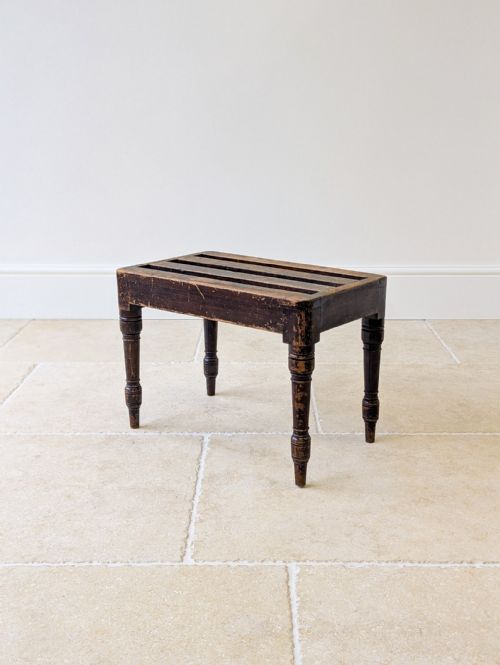
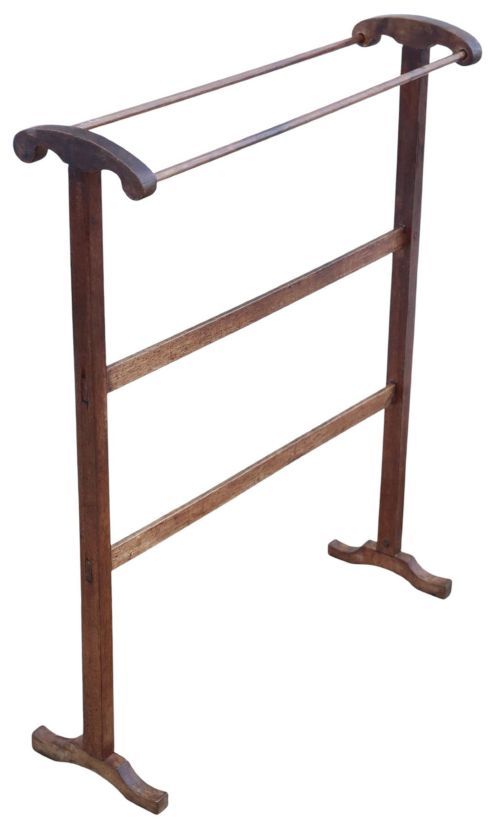
The selections range from robust oak and mahogany wall-mounted coat hooks to freestanding bentwood hat stands, pitch pine umbrella holders and folding luggage carriers. These pieces served practical domestic roles in country houses, railway stations and town residences before finding a place in modern interiors.
How they were made
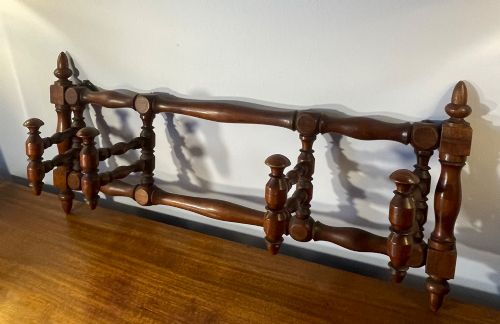
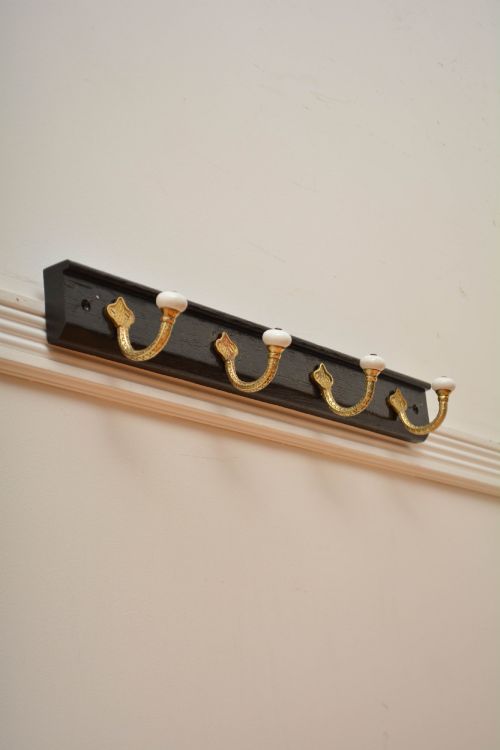
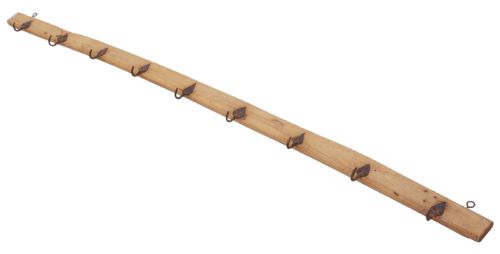
Carpenters and cabinetmakers utilised solid hardwoods including mahogany, oak, walnut, beech, pine and elm, often combining them with brass, iron and ceramic elements. Wall racks typically feature mounted boards fitted with heavy metal hooks, whilst freestanding items employ turned timber columns and steam-bent components.
Joinery techniques varied from traditional mortise and tenon construction in earlier pieces to steam-bent wood technology popular by the turn of the twentieth century. Surfaces were finished with polished waxes or ebonised treatments to highlight the natural grain of the timber.
Vintage Timber Rack Retail Price Guide 2026
Typical asking prices for vintage timber rack among the pieces listed under this phrase on Sellingantiques today, from the lower quarter to the upper quarter. They describe what is for sale here now, not the wider market.
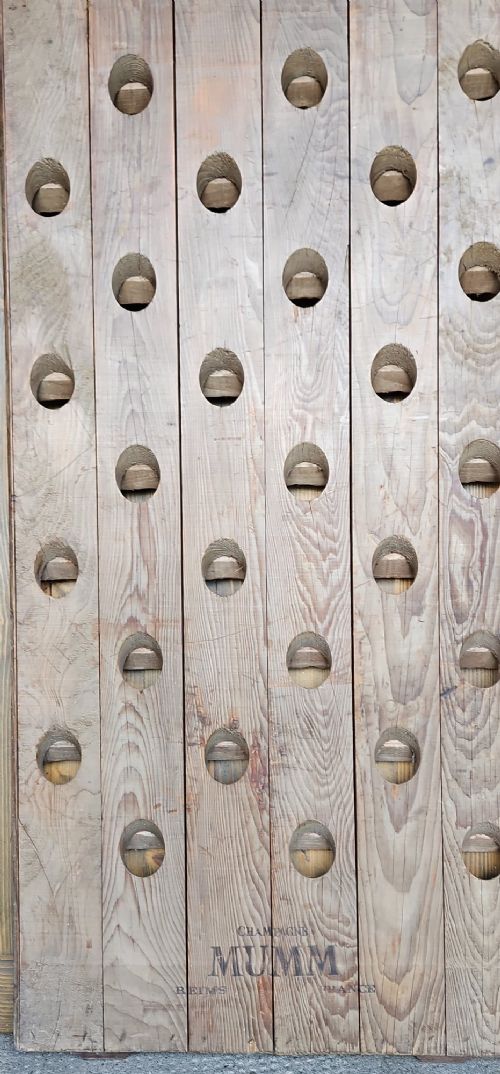
Several racks include dedicated slots for riding crops and whips alongside traditional hat and coat hooks.
What varies in quality
The grade of timber and the complexity of the construction distinguish standard utilitarian pieces from finer decorative examples. Solid mahogany and figured walnut display superior cabinetmaking, whilst regional country pieces in pine or elm rely on robust simplicity rather than refined finish.
Original hardware such as heavy brass coat hooks, ceramic inserts and maker stamps elevate the standing of a piece. The integrity of the original structure, from tightened joints to unaltered surfaces, dictates the standing of each rack within its period.
Brown and Lamont·J. Parker of Woodstock
The Vintage Timber Rack Glossary
- Bentwood
- Timber shaped through the application of steam, commonly utilised for lightweight and curving coat stands.
- Hall Stand
- A large freestanding piece of hallway furniture combining a mirror, umbrella wells, glove drawers and coat hooks.
- Luggage Stand
- A low folding or rigid wooden frame designed to support trunks and cases at a convenient height.
- Ebonised
- Wood treated with a dark finish to imitate expensive ebony, frequently seen on Victorian coat hook boards.
- Canterbury
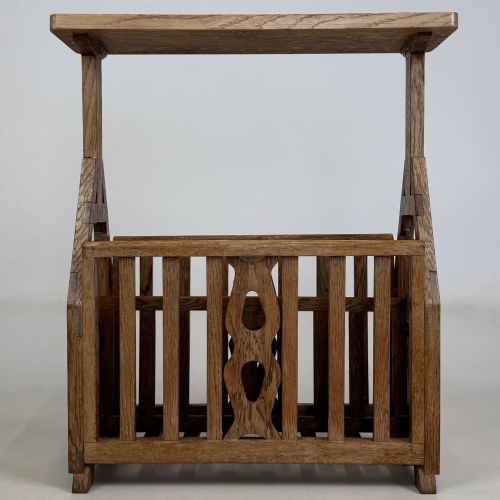
- A partitioned wooden stand originally designed for holding sheet music, newspapers or books.
Vintage Timber Rack: Frequently Asked Questions
What is a vintage timber rack used for?
These racks served specific domestic duties like holding hats, coats, umbrellas, boots and luggage in entryways and bedrooms. Today they fulfil the same organisational roles in modern hallways and boot rooms.
Their practical design allows them to store everyday items whilst displaying the rich grain of historical woods like oak, mahogany and pine.
Where should I place a coat rack?
Wall-mounted coat and hat racks suit narrow hallways, kitchens and utility rooms where floor space is limited. Freestanding coat stands and umbrella holders work best in spacious entryways and porches.
Ensure that wall-mounted versions are secured directly into studs or solid masonry to safely bear the weight of heavy winter garments.
Are these racks sturdy enough for daily use?
Most pieces were built from solid hardwoods like oak, mahogany, elm and beech specifically to withstand heavy daily wear in busy households. Their durable construction means they remain fully functional for hanging coats and storing umbrellas.
Gentle maintenance with appropriate wood wax keeps the timber nourished and preserves the structural integrity of the joints over time.