




Vintage Timber Credenza
A vintage timber credenza offers substantial storage and architectural presence, bridging traditional dining room joinery and mid-century utility.
Vintage Timber Credenza
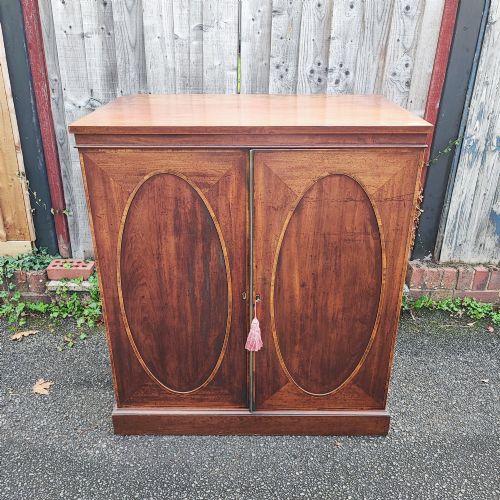
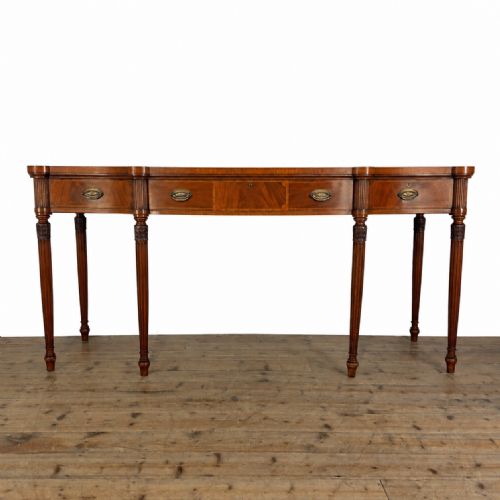
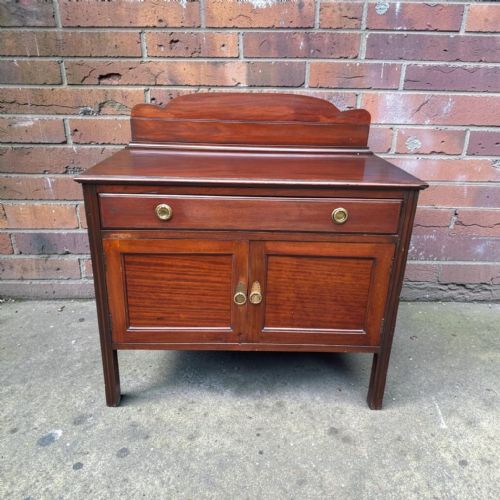
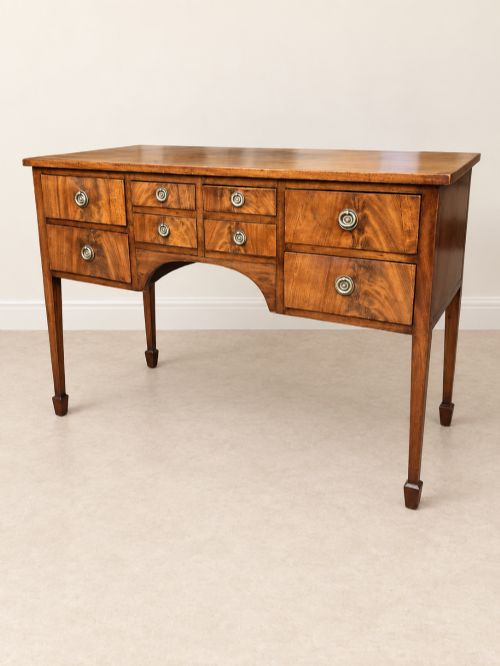
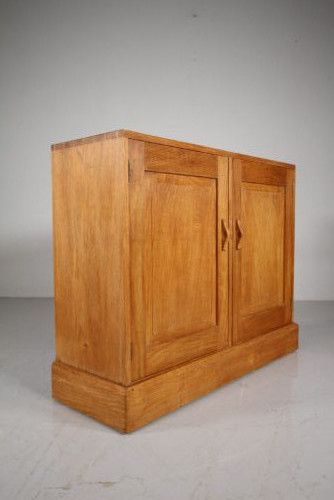
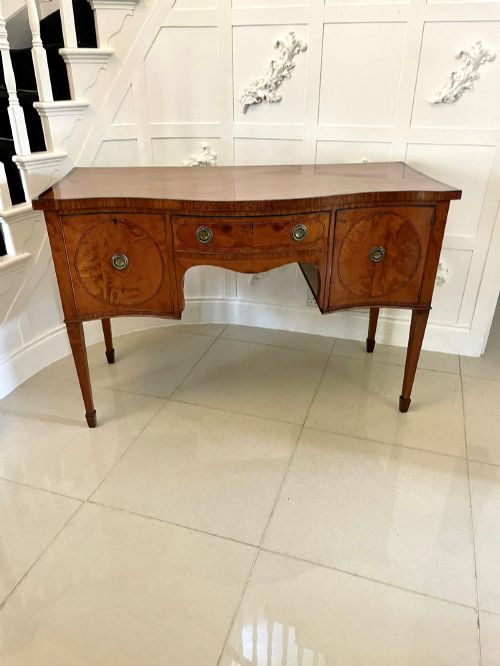
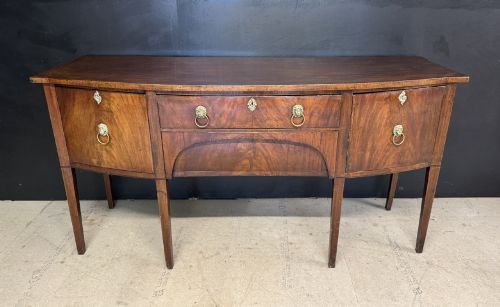
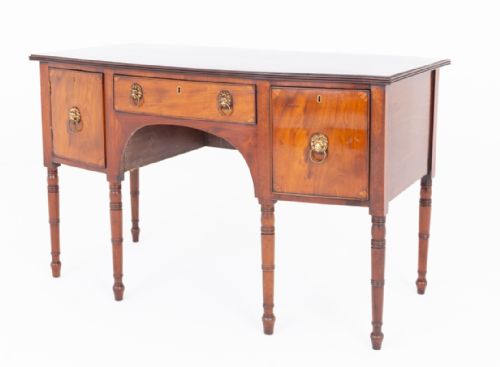
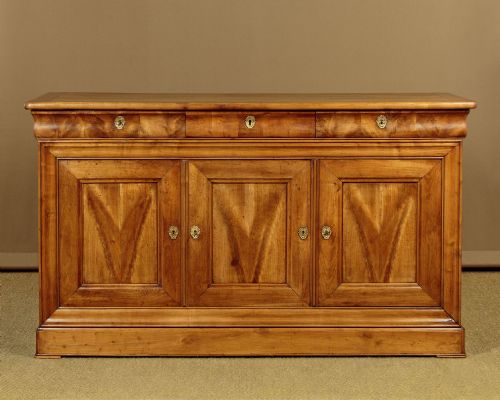
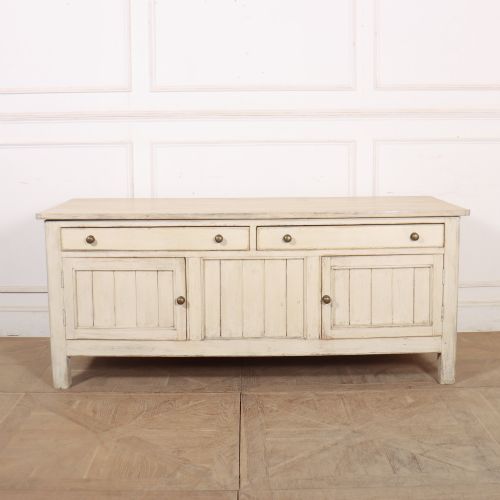
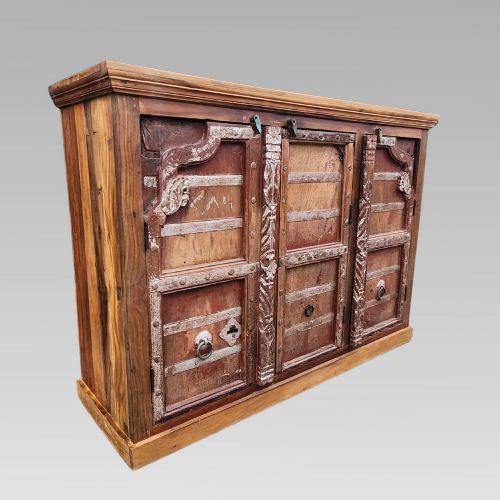
When buyers search for a vintage timber credenza, they encounter a diverse selection of large storage furniture, predominantly sideboards, side cabinets, and dresser bases dating from the Georgian period through to the 1930s. These pieces serve primarily as dining room or hallway storage, offering generous cupboard space and surface area.
The items listed under this description span numerous regional styles and aesthetic movements, including Victorian mahogany designs, English country painted pieces, Arts and Crafts oak cabinets, and French cherrywood enfilades. Mahogany and pine appear frequently alongside less common timbers such as satinwood, elm, cedar, and gonçalo-alvez.
Buyers are most likely to encounter 19th-century mahogany or painted pine sideboard forms on this page, reflecting the heavier representation of Victorian and Georgian case furniture in the current selection. These functional storage units demonstrate the enduring utility of traditional timber construction across various historical eras.
Construction and materials
Cabinet makers utilised solid hardwoods and softwoods, frequently applying decorative veneers such as flame mahogany or boxwood inlay to primary surfaces. Carcase construction relied on traditional joinery methods to house shelving and panelled doors.
Secondary treatments range from original paint finishes on kitchen dressers and pine sideboards to polished mahogany and satinwood surfaces. Brass hardware, including handles and key escutcheons, provides functional and decorative accents across multiple periods.
Vintage Timber Credenza Retail Price Guide 2026
Typical asking prices for vintage timber credenza among the pieces listed under this phrase on Sellingantiques today, from the lower quarter to the upper quarter. They describe what is for sale here now, not the wider market.
Materials represented across the current selection include flame mahogany veneer, satinwood, Hungarian ash, pine, cedar, and painted surfaces.
Judging quality and execution
Quality in these storage pieces rests upon the selection of timber and the precision of the cabinetmaker's joinery. Superior items display well-figured veneers, balanced proportions, and integrated decorative elements such as fine boxwood inlay or serpentine shaping.
The integrity of the original surface finish, whether polished mahogany or untouched historic paint, distinguishes finer examples from heavily restored or altered pieces. Substantial hardware and robust internal shelving further indicate higher standards of manufacture.
Whytock and Reid·Gillows
The Vintage Timber Credenza Glossary
- Serpentine front
- A furniture front characterised by a gentle convex curve flanked by two concave curves, creating a fluid undulating line. This treatment requires advanced woodworking skill and typically appears on finer dining room sideboards.
- Dresser base
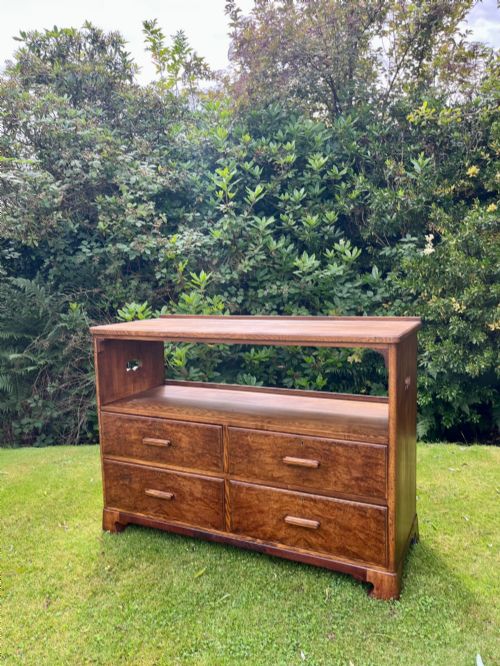
- A low cabinet featuring cupboards or drawers, originally designed for kitchen or dining room utility without the upper plate rack. These sturdy timber units provide generous surface area and enclosed storage.
- Enfilade
- A long cabinet or sideboard of continental European origin, often fitted with multiple doors for extensive storage. The term also describes a suite of rooms aligned in a straight row.
- Gonçalo-alvez
- A dense exotic hardwood with striking contrasting dark brown and golden-brown figuring, sometimes called zebrawood. Makers utilised this timber for high-status Regency and 19th-century side cabinets.
- Washstand
- A small timber cabinet or table originally designed to hold washbasins and pitchers, frequently featuring marble tops or splashbacks. These pieces adapt well as compact side cabinets in modern interiors.
Vintage Timber Credenza: Frequently Asked Questions
What is a credenza?
A credenza is a low storage cabinet traditionally used in dining spaces for serving food and storing tableware. The term frequently encompasses related forms such as sideboards, side cabinets, and dresser bases.
These pieces provide substantial interior cupboard space while offering a flat surface top for display or serving purposes.
How do I date a timber cabinet?
Dating involves examining the timber species, construction techniques, hardware, and stylistic details present in the piece. Georgian and Victorian items display different joinery methods and decorative vocabularies compared to 1930s designs.
Secondary woods used inside drawers and back panels also offer clues regarding the period and region of manufacture.
Can I use a sideboard in a hallway?
Sideboards and side cabinets function effectively in hallways and living rooms to provide concealed storage for everyday items. Their shallow depth relative to height suits narrow circulation spaces while maintaining surface display area.
Consider the clearance required for opening cupboard doors or drawers when placing these items in tighter corridors.
How do I care for antique timber?
Maintain antique timber furniture by keeping it away from direct heat sources and fluctuating humidity levels to prevent wood movement. Regular dusting with a soft, dry cloth preserves the polished surface without chemical buildup.
Avoid placing damp items directly onto historic wood or painted finishes to protect the integrity of the material.