
Vintage Timber Chairs
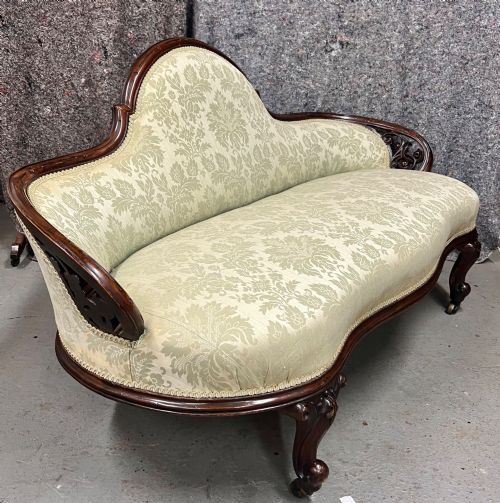
Vintage timber chairs bring character to a room through varied woods like elm, oak and mahogany.
Vintage Timber Chairs
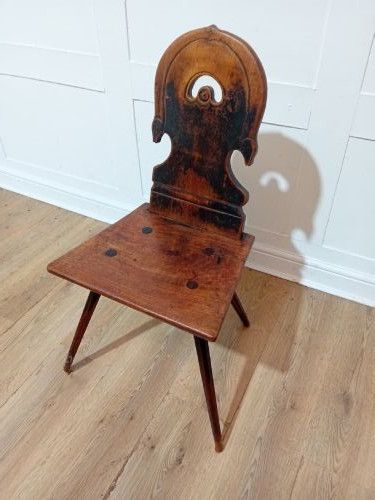
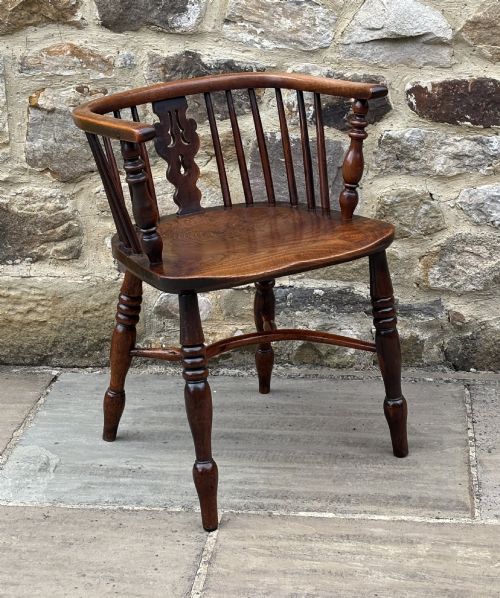
Vintage timber chairs encompass seating pieces shaped from materials such as elm, oak, beech and mahogany across the nineteenth and twentieth centuries. When searching for vintage timber chairs, buyers encounter forms ranging from kitchen wheelbacks and Windsor armchairs to hall chairs and dining sets.
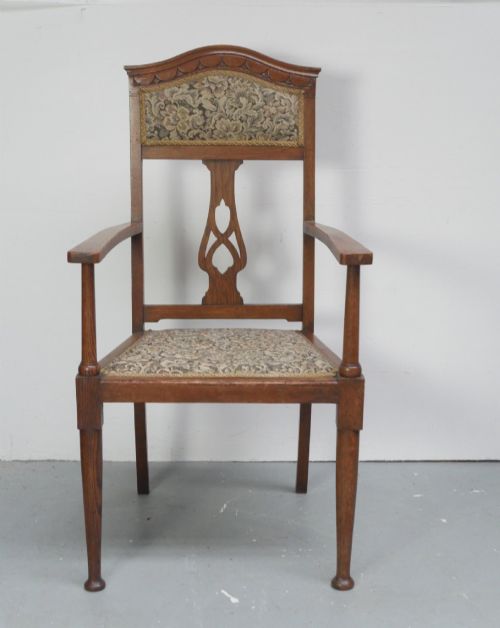
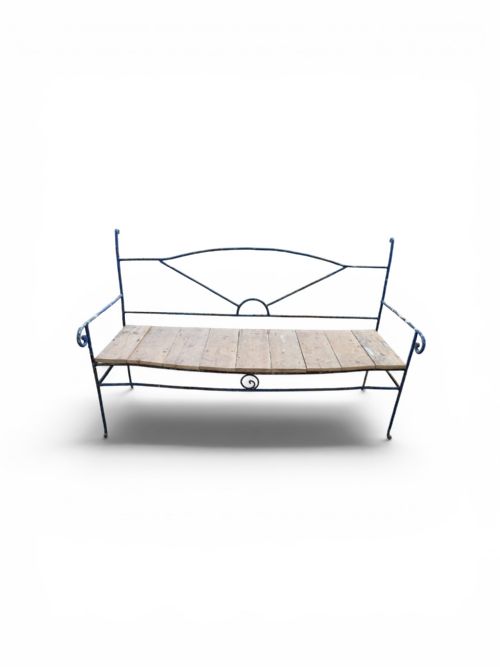
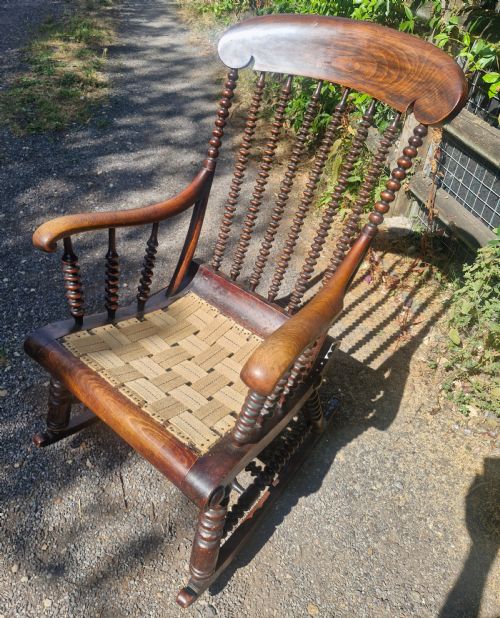
The selections span distinct periods including Victorian, Edwardian and Art Deco, alongside regional styles like Scottish, French and Scandinavian country designs. Side chairs, carvers, benches and rocking chairs populate the listings alongside specialised seating such as high chairs and spinning chairs.
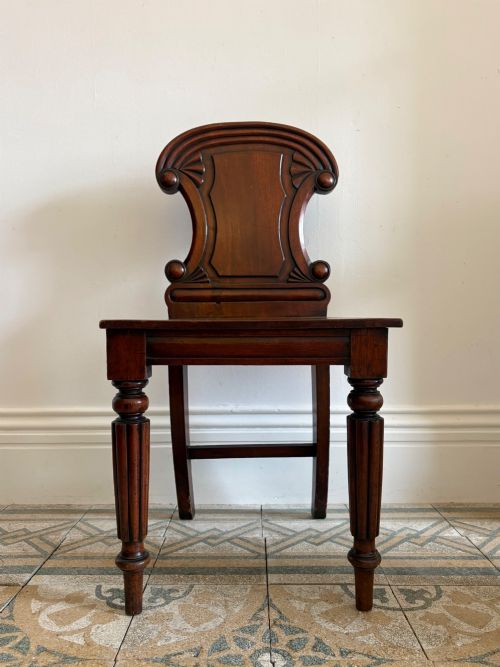
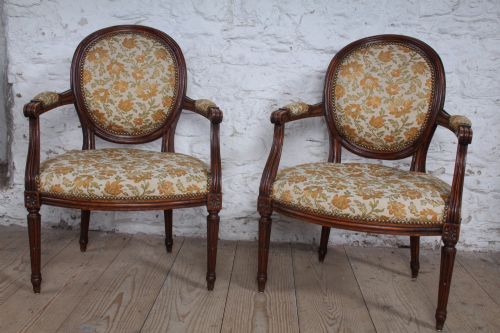
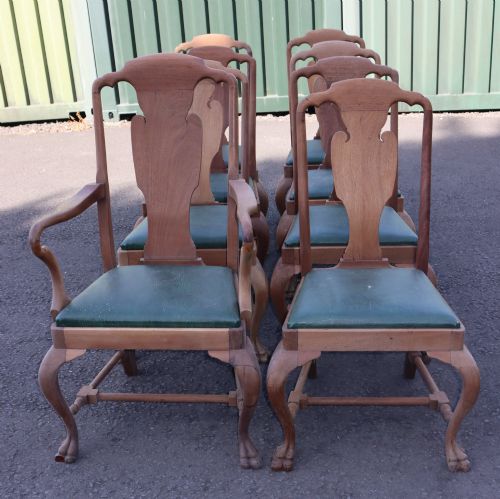
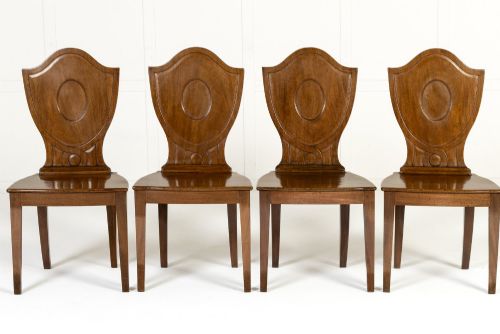
Kitchen and dining seating forms the backbone of these listings, often featuring elm seats combined with beech framing. Formal rooms are represented by mahogany hall chairs and carved armchairs displaying stylistic influences from Gothic Revival to Louis styles.
What varies in quality
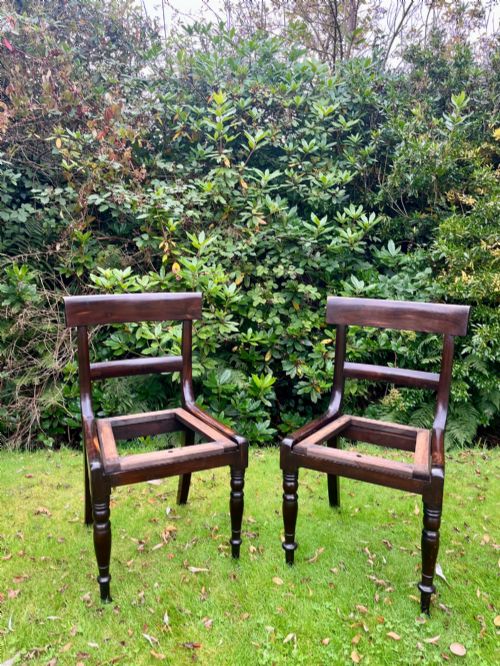
The integrity of the timber selection dictates structural longevity, with dense grain hardwoods holding up better than softer pines. Matching sets demonstrate higher initial craftsmanship and careful timber selection compared to assembled pairs or single survivors.
Carving definition and joinery tightness separate standard utility furniture from pieces produced by notable makers or specialised workshops. Original surface patination and minimal structural alteration maintain the integrity of period seating.
Falkirk Foundry·Howard & Sons·Strahan & Co
The Vintage Timber Chairs Glossary
- Windsor chair
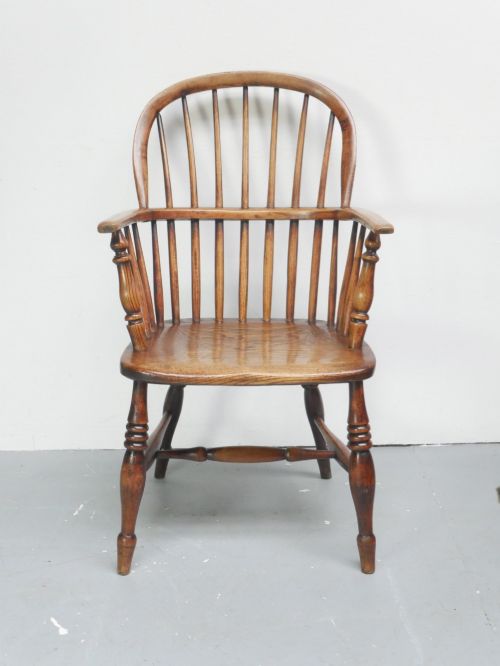
- A wooden chair built with a solid sculpted seat into which the back and legs are wedged directly. This form developed deep regional variations across England, Scotland and America.
- Hall chair
- A rigid wooden seat placed in an entrance hall, usually featuring a solid panel back carved or painted with a family crest. These pieces prioritised architectural presence over comfort.
- Wheelback
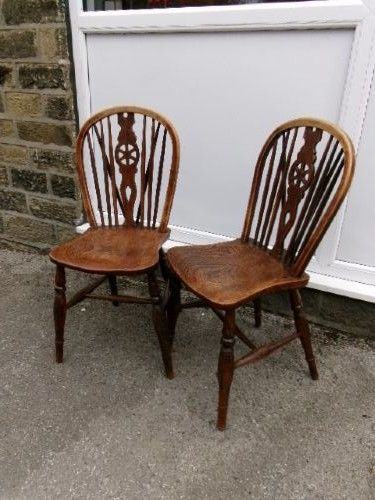
- A Windsor chair variation featuring a pierced splat shaped like the hub and spokes of a cart wheel. This design became common in nineteenth-century English kitchen seating.
- Stick back
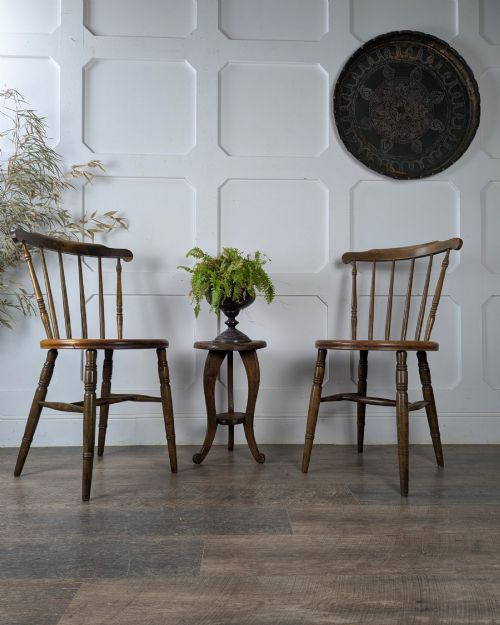
- A chair construction method utilising plain turned spindles inserted into the seat and top rail without a central splat. Thames Valley makers frequently employed this layout.
- Faux bois
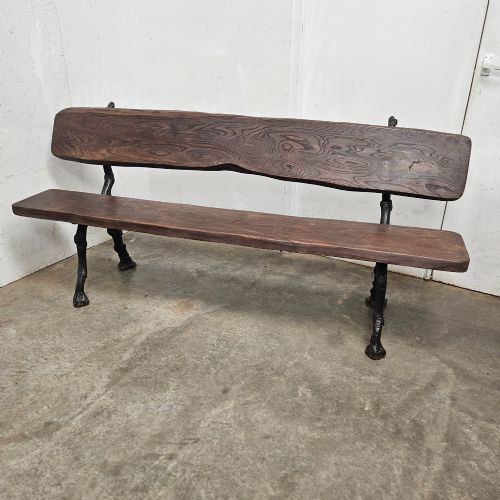
- A technique imitating wood grain and natural branches using concrete, iron or plaster. French garden benches often adopted this rustic style.
Vintage Timber Chairs: Frequently Asked Questions
How do I identify a Windsor chair?
Windsor chairs feature distinct construction where legs and back spindles fit directly into a thick, scooped wooden seat rather than a conventional frame.
Look for turned components and a central back splat or bow top that gives the chair its characteristic profile.
What is a hall chair used for?
Hall chairs served as decorative, formal seating in entranceways and corridors rather than for long periods of relaxation.
They often display family crests, carved wooden panels or painted heraldry suited to greeting visitors.
Are vintage timber chairs sturdy enough for daily dining?
Most solid hardwood chairs built from oak, elm or mahogany remain robust enough for regular household use.
Traditional mortise and tenon joinery provides lasting strength, though older joints benefit from occasional inspection.
How do I distinguish Victorian from Edwardian chairs?
Victorian chairs tend to feature heavier timbers, darker finishes and ornate carving influenced by Gothic or Jacobean revivals.
Edwardian pieces generally present lighter proportions, simpler lines and brighter polished surfaces reflecting changing domestic tastes.