





Vintage Timber Carver
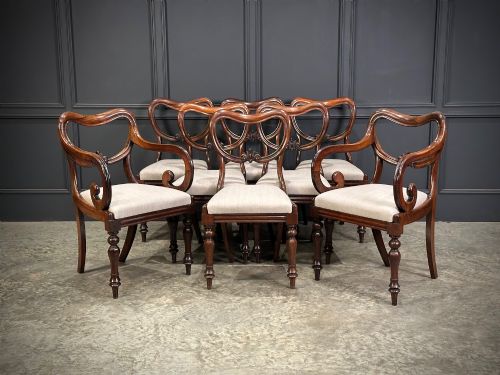
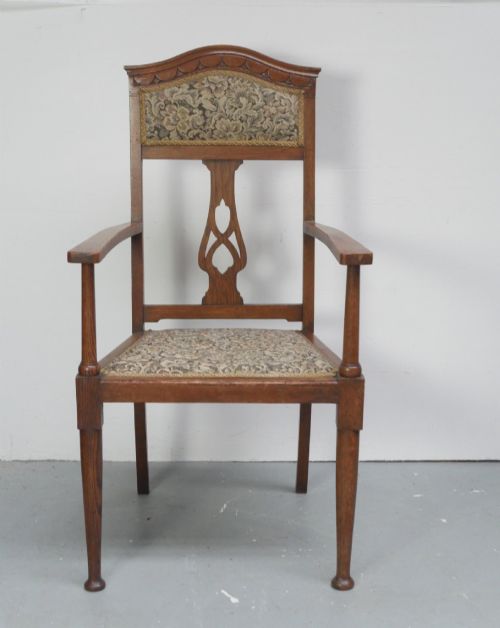
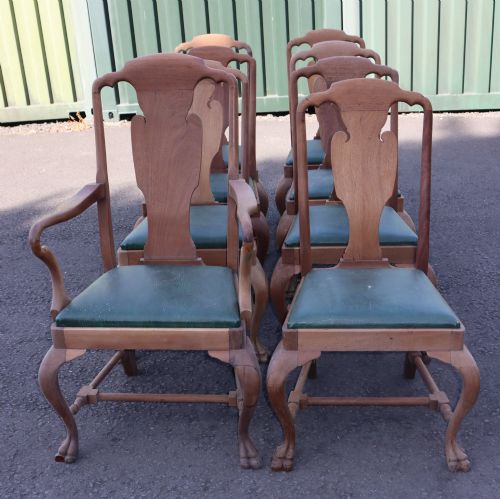
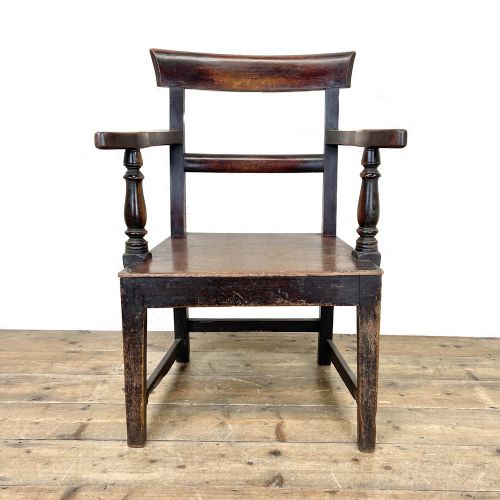
These vintage timber carver chairs bring robust craftsmanship and timeless seating to a room, offering sturdy frames and distinct period character.
Vintage Timber Carver
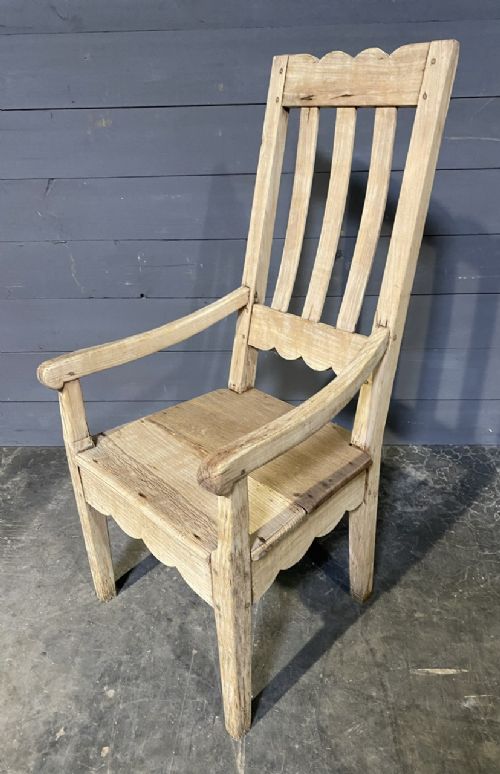
When you search for a vintage timber carver, you are looking at substantial seating designed with supportive armrests, originating from periods spanning the Georgian era through to the early 20th century. These pieces encompass armchairs, elbow chairs, and dining chairs constructed from durable woods, often serving as prominent single seats or as part of larger dining sets.
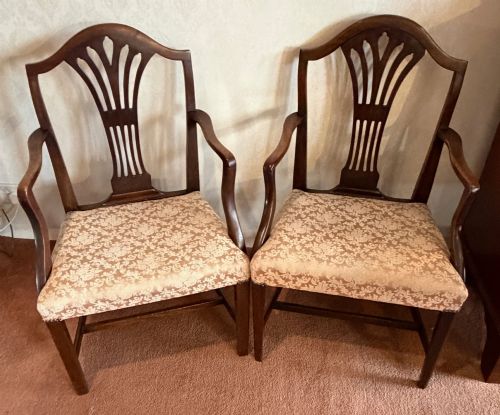
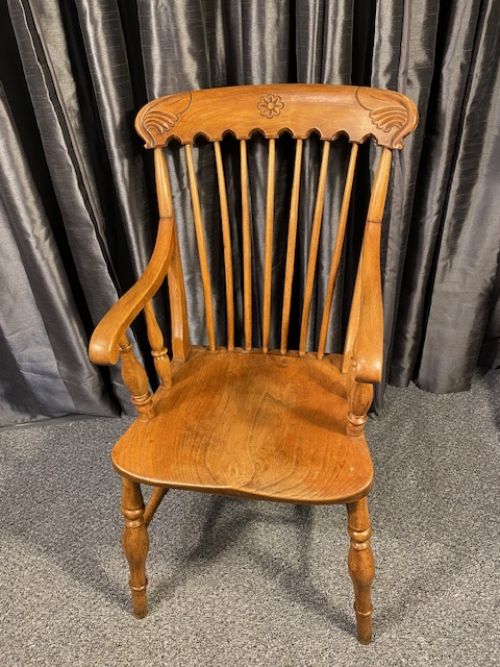
On this page, you are most likely to meet Victorian and 19th-century examples alongside Edwardian and English Country variations. The selection includes specific regional types like the Windsor chair from Nottinghamshire, as well as distinct stylistic revivals such as Hepplewhite and George II styles.
How they were made
The construction of these pieces relies heavily on traditional hardwoods such as oak, mahogany, walnut, beech, elm, and rosewood. Craftsmen shaped these timbers using manual turning and joinery techniques to create stable frames, Windsor structures, and decorative elements like spiral turnings.
Upholstery and fabric additions frequently complement the wooden frames, particularly in dining chairs and armchairs from the Victorian and Edwardian periods. Satinwood and rosewood were also utilised to provide refined surface finishes on specific formal seating.
Vintage Timber Carver Retail Price Guide 2026
Typical asking prices for vintage timber carver among the pieces listed under this phrase on Sellingantiques today, from the lower quarter to the upper quarter. They describe what is for sale here now, not the wider market.
Some turned timber carvers abandoned seating altogether to moonlight as spiral candlesticks.
What varies in quality
The standard of a vintage timber carver is defined by the selection of timber and the precision of its joinery. Dense hardwoods like mahogany, walnut, and rosewood indicate a higher grade of manufacture compared to more utilitarian woods utilised in simpler kitchen chairs.
Design fidelity also distinguishes the pieces, seen in the proportion of Hepplewhite and George II style revivals or the intricate execution of turned elements. Furthermore, the integration of original fabric and the preservation of the timber's natural grain contribute to the overall integrity of the piece.
The Vintage Timber Carver Glossary
- Carver
- A dining chair featuring arms, traditionally placed at the head of a table for the host. These chairs offer wider proportions and supportive armrests.
- Windsor
- A traditional wooden chair constructed with a solid saddle-shaped seat into which the back and legs are wedged. Nottinghamshire examples represent notable regional variations of this form.
- Hepplewhite Style
- A refined furniture design tradition characterised by slender tapered legs and shield or oval-shaped backs. Pieces in this style reflect the elegant proportions popular in the 18th and 19th centuries.
- Turned
- A method of shaping wood on a lathe to create symmetrical, cylindrical, or spiral decorative components. This technique appears on both furniture legs and decorative candlesticks.
Vintage Timber Carver: Frequently Asked Questions
How do I date a timber chair?
Dating a timber chair involves examining the wood species, construction methods, and stylistic details such as Hepplewhite or Victorian revivals. Tool marks and joinery techniques provide clear clues to the period of manufacture.
Reference points like Georgian turnings or Edwardian satinwood accents help narrow down the decade in which the piece was produced.
Where were Windsor chairs made?
Windsor chairs were produced across various English regions, with specific areas like Nottinghamshire developing distinct local characteristics in their spindle backs and seat shaping. These regional differences reflect the local availability of timber and workshop traditions.
Makers utilised woods such as elm and beech to construct these robust, utilitarian forms.
Can I use a carver in a kitchen?
Kitchen chairs and sturdy timber carvers are well suited to everyday utility in domestic spaces. Their durable hardwood construction handles daily use effectively.
Placing an antique armchair in a kitchen or dining area adds practical seating combined with traditional period craftsmanship.