



Vintage Timber Bureau
A vintage timber bureau offers a solid writing space paired with concealed storage, bringing traditional craftsmanship directly into a modern study.
Vintage Timber Bureau
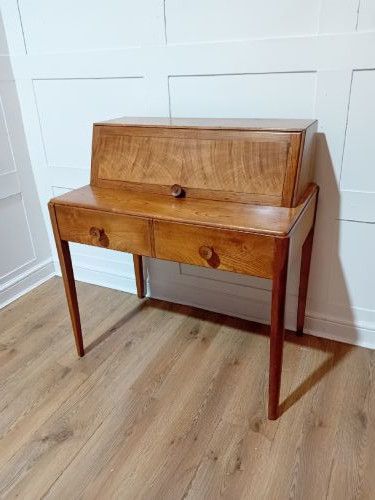
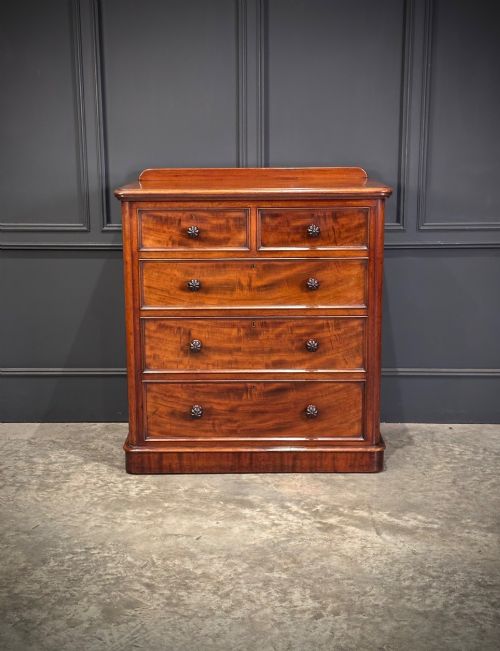
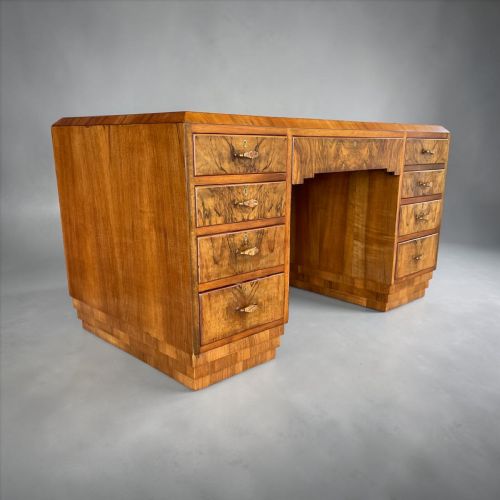
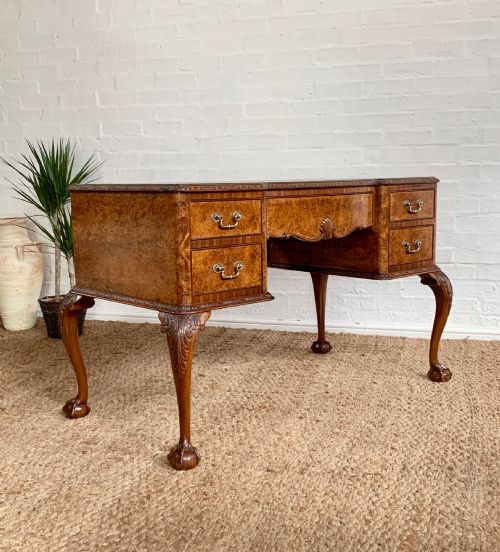
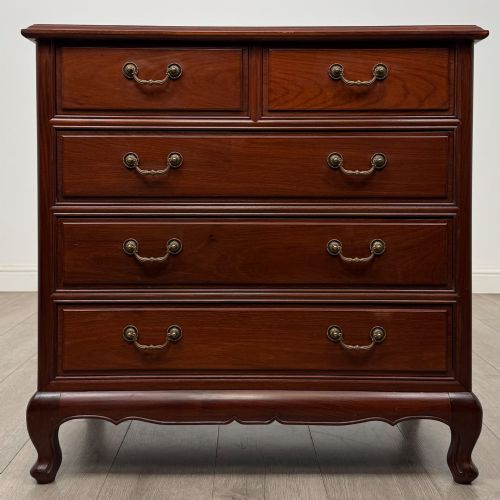
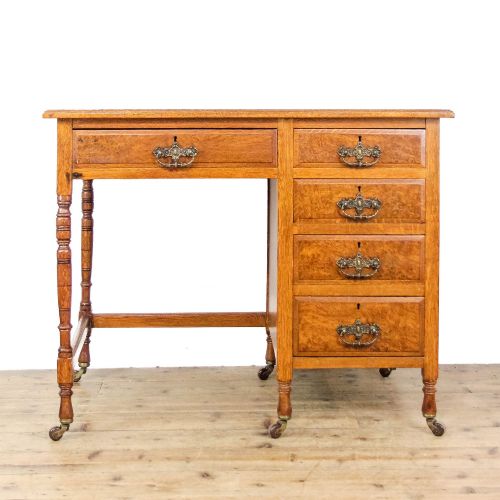
When you search for a vintage timber bureau, you encounter a variety of practical wooden writing furniture spanning multiple periods and styles. These pieces range from simple Edwardian writing desks to substantial nineteenth-century desks and specialised workstations.
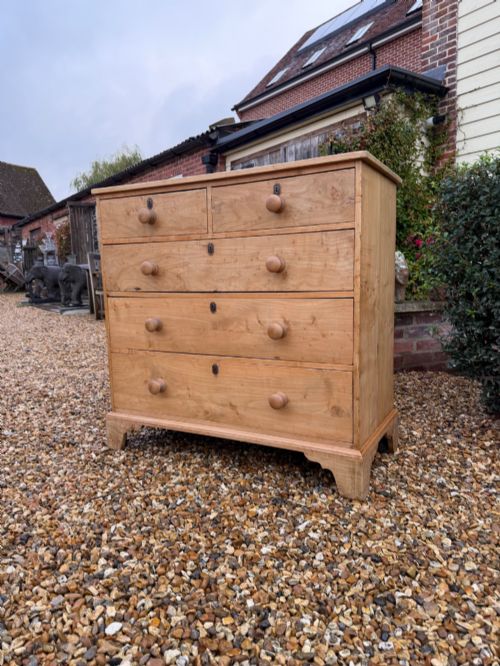
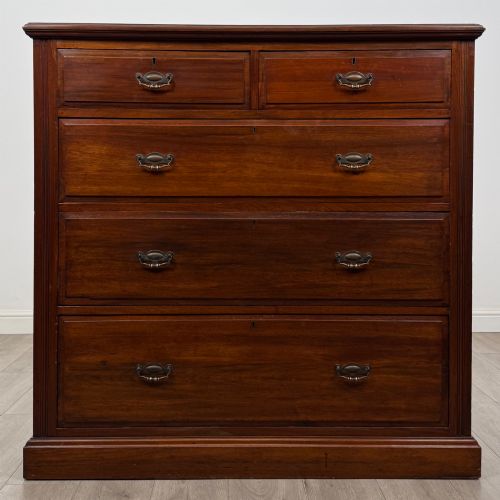
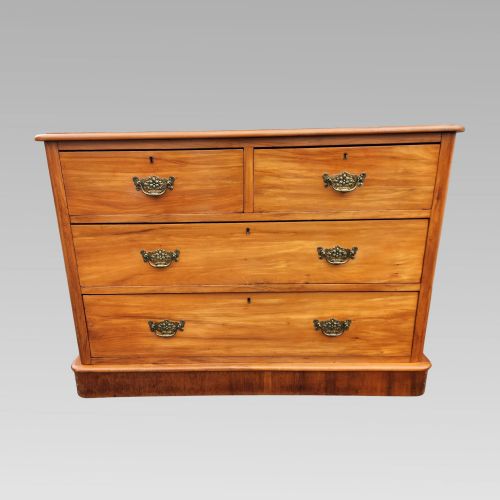
The selection on this page leans heavily toward Edwardian and nineteenth-century examples, alongside chests of drawers and writing tables. You will also find distinct regional interpretations, including Anglo-Indian hardwood forms and Dutch marquetry dressing tables.
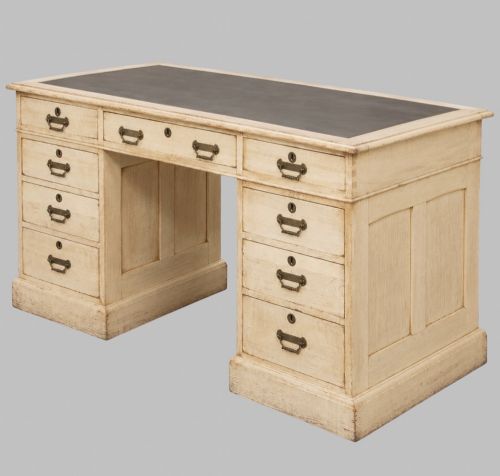
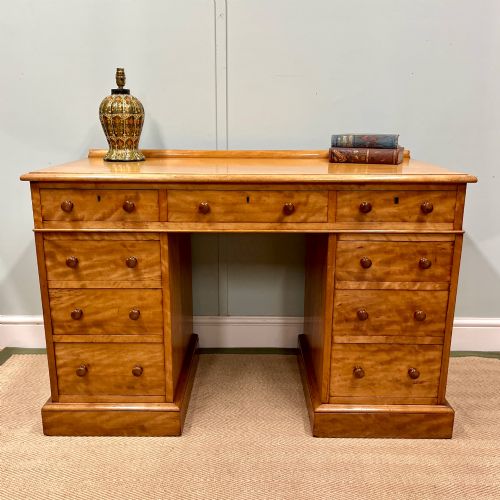
Most entries function as traditional desks or multi-drawer chests that incorporate writing surfaces. Whether you need a compact writing desk for a corner or a larger pedestal desk, the variety reflects traditional British and continental woodworking.
How they were made
Cabinet makers utilised a range of dense timbers including mahogany, walnut, oak, satinwood, burr walnut, pine, and satin birch. These woods were chosen for both their durability and their rich grain patterns.
Metal hardware such as brass handles and leather inserts, notably green tooled leather writing surfaces, were integrated into desks and writing tables for daily utility. Specialised schools of design also employed specific joining and surface carving techniques characteristic of the Arts and Crafts movement.
Vintage Timber Bureau Retail Price Guide 2026
Typical asking prices for vintage timber bureau among the pieces listed under this phrase on Sellingantiques today, from the lower quarter to the upper quarter. They describe what is for sale here now, not the wider market.
The listings span the Victorian, Edwardian, Georgian, and Art Deco periods, showcasing materials from mahogany and walnut to satinwood and pine.
What varies in quality
The tier of a piece depends heavily on the selection of timber veneers and solid woods, such as burr walnut versus standard pine. Superior examples demonstrate careful matching of wood grains and retention of original handles.
Construction methods and detailing set finer pieces apart, from the execution of serpentine drawer fronts to the quality of leather inserts and brass fittings. Pieces originating from recognised makers or specific stylistic schools command attention through disciplined execution rather than mere ornamentation.
Arthur Basil Reynolds·Heal and son
The Vintage Timber Bureau Glossary
- Bureau
- A desk with a sloping lid that folds down to reveal a writing surface and small pigeonholes or drawers. This form combines storage with a dedicated writing space.
- Pedestal desk
- A heavy freestanding desk supported by two pedestals of drawers on either side of a central kneehole. It provides substantial surface area and storage.
- Kneehole desk
- A compact desk featuring a central recess for the user's legs, flanked by banks of small drawers. It is designed for smaller studies or parlours.
- Marquetry
- The art and craft of applying pieces of veneer to a structure to form decorative designs. It is often seen on continental dressing tables and writing furniture.
- Serpentine
- A furniture front characterised by a wavy shape, curving outward at the centre and inward at the sides. This contour requires advanced woodworking skill.
Vintage Timber Bureau: Frequently Asked Questions
What is a bureau?
A bureau is a piece of furniture that typically incorporates a hinged writing flap dropping down to create a desk surface. Inside, small compartments organise correspondence and writing materials.
Beneath the writing area, these pieces frequently include drawers for general storage. This dual function made them essential household items through the nineteenth and early twentieth centuries.
How do I date a timber bureau?
Dating relies on examining the timber species, construction methods, and prevailing style of the period. For instance, Edwardian pieces often utilise satinwood or lighter oak, while Victorian examples lean toward heavier mahogany and walnut.
Hardware styles, dovetail joints, and secondary woods inside the drawers also provide clear chronological markers. Comparing these details against known historical periods narrows the date of manufacture.
Where should I place a vintage bureau?
These pieces suit home offices, studies, or quiet corners of a living room where their writing surfaces remain accessible. Their compact footprints allow them to function well without dominating a smaller floor plan.
Keep them away from direct heat sources and strong sunlight to protect the timber and leather writing inserts. Adequate natural or task lighting enhances both their utility and their visual appeal.
How do I care for timber furniture?
Maintain the wood by dusting regularly with a soft, dry cloth and applying appropriate wax polish sparingly. Avoid chemical cleaners that can strip historical finishes and dry out the grain.
Leather writing surfaces benefit from gentle cleaning and occasional conditioning to prevent cracking. Consistent indoor humidity levels prevent the timber from warping over time.