



Vintage Timber Box
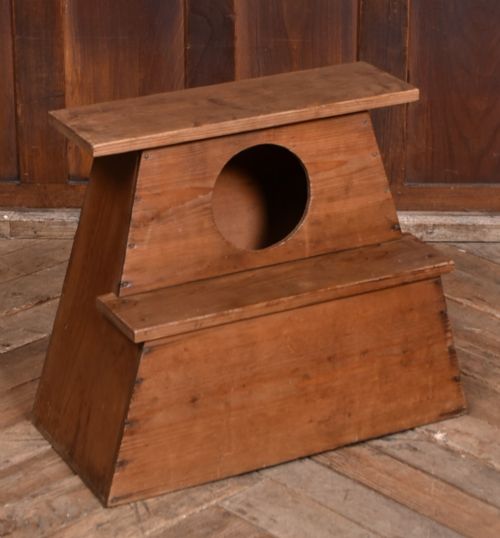
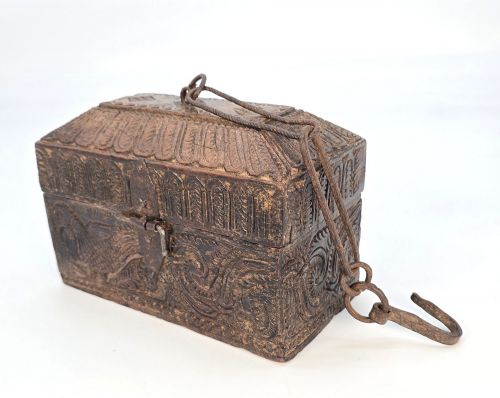
A vintage timber box brings utility and character to a room, offering solid construction in pine, mahogany, teak, and camphor wood.
Vintage Timber Box
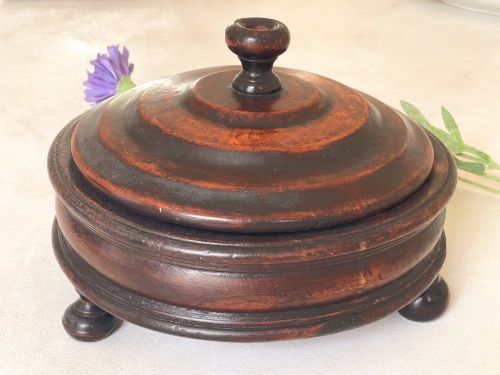
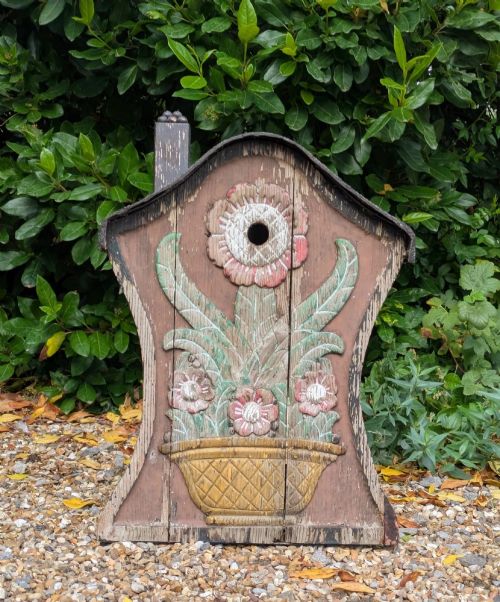
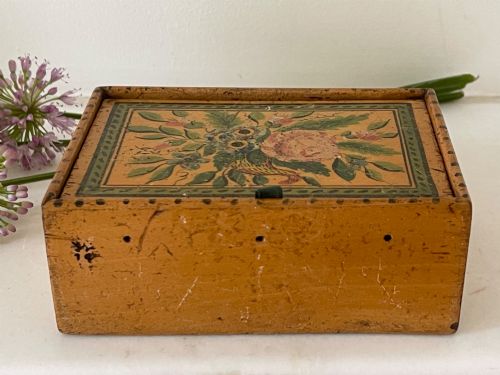
A vintage timber box encompasses practical containers designed for storage, transport, and specialised daily use across past centuries. Buyers searching for a vintage timber box encounter everything from small tea caddies and snuff boxes to large dowry chests, blanket boxes, and military campaign chests.
The pieces originating on this page span the 17th, 18th, 19th, and 20th centuries, reflecting diverse regional practices including Scandinavian country, Anglo-Indian, and Victorian maritime styles. Pine blanket boxes, camphor wood trunks, and mahogany stationary boxes dominate the everyday selections.
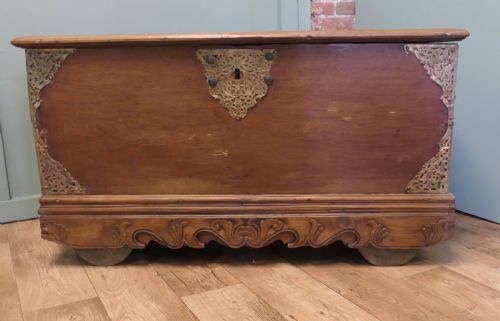
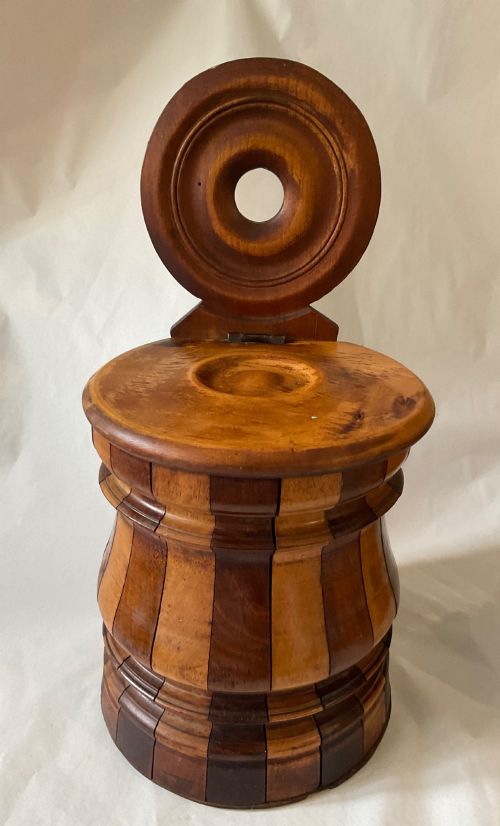
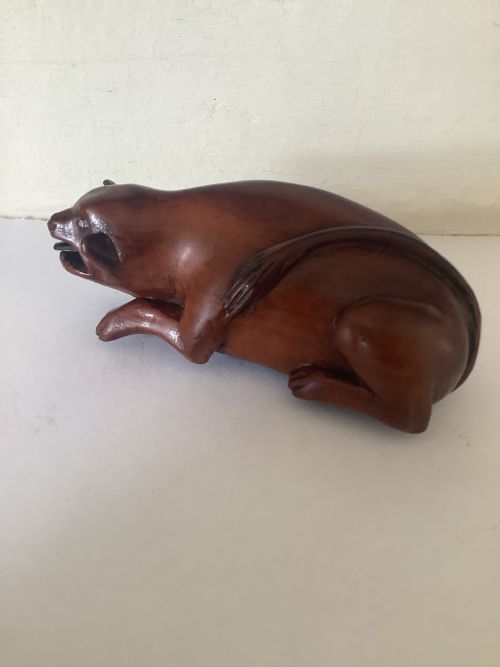
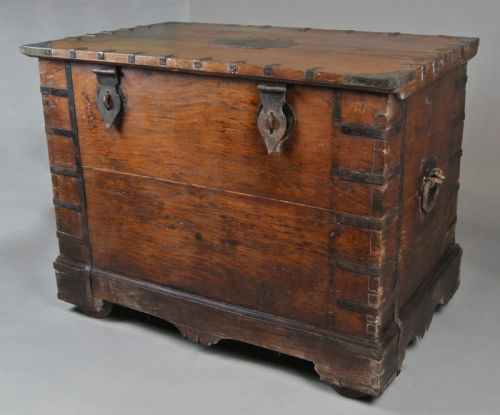
Forms range widely in scale, from miniature carved wood snuff boxes and treen nutmeg graters to monumental teak and iron bound storage chests. Each piece demonstrates the specific domestic or travel requirements of its era, whether for holding spices, legal papers, or personal garments.
How they were made
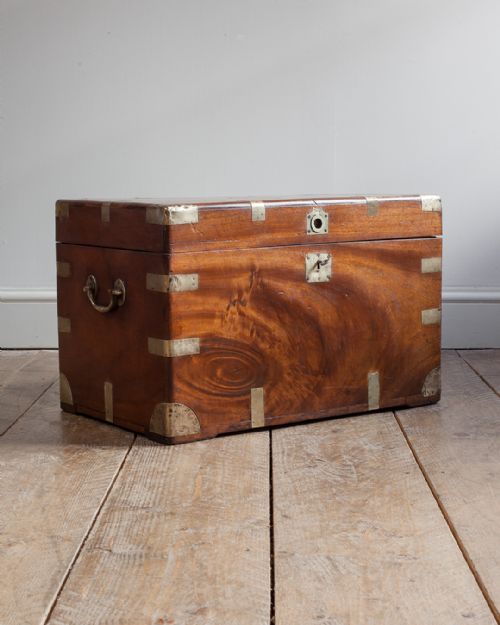
Carpenters and cabinetmakers utilised dense native and exotic woods, selecting mahogany, oak, pine, teak, and fragrant camphor wood depending on the intended destination and function. Metal reinforcement frequently arrived via brass corners, straps, and heavy iron bindings designed to withstand transit.
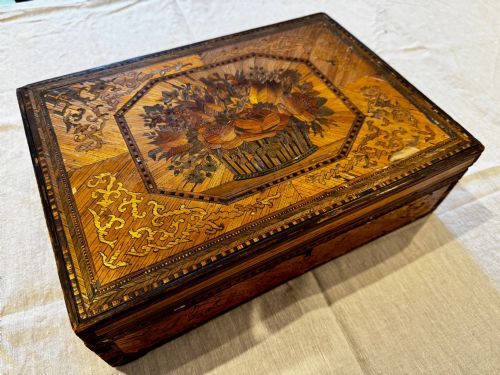
Construction techniques balanced straightforward joinery for utility items with intricate hand carving and decorative inlays for luxury caddies and work boxes. Surface treatments varied from natural wax finishes and grain painting to elaborate Tunbridge ware mosaic work and folk art carving.
Vintage Timber Box Retail Price Guide 2026
Typical asking prices for vintage timber box among the pieces listed under this phrase on Sellingantiques today, from the lower quarter to the upper quarter. They describe what is for sale here now, not the wider market.
Origin styles range from Victorian maritime and campaign pieces to Scandinavian country folk art and Anglo-Indian spice boxes.
What varies in quality
The quality of a timber box rests upon the selection of the wood, the precision of the joinery, and the integrity of the hardware. Superior examples display well-figured grains, tight dovetail joints, and original brass or iron mounts that fit the structure harmoniously.
Artisanal execution distinguishes standard utility containers from finer decorative works. Hand-carved detailing, well-fitted internal compartments, and surviving original finishes elevate pieces from simple storage items to accomplished examples of period craftsmanship.
The Vintage Timber Box Glossary
- Campaign chest
- A modular storage chest built in two or more sections with recessed brass handles, designed for British military officers on the move.
- Tea caddy
- A lidded box created to hold tea leaves securely, often featuring internal compartments and a lock to protect an expensive household commodity.
- Dovetail
- A type of interlocking corner joint formed by interlocking wedge-shaped fingers, providing durable construction for drawers and boxes.
- Camphor wood
- A fragrant tropical hardwood valued historically for its insect-repellent properties, frequently utilised for maritime chests and blanket boxes.
Vintage Timber Box: Frequently Asked Questions
What is a campaign box?
A campaign box is a portable storage piece constructed for military travel. These items incorporate recessed brass hardware to prevent damage during transit.
They divide into modular sections for ease of movement, reflecting the practical demands of officers on assignment.
How were tea caddies used?
Tea caddies served to store precious tea leaves safely under lock and key. In past centuries, tea carried substantial financial value.
Containers often featured internal lidded canisters to separate different varieties of tea within the same box.
What is treen?
Treen describes small functional wooden objects produced for domestic utility. Examples include spice towers, nutmeg graters, and small turned containers.
These items highlight everyday turning and carving skills applied to various hardwoods.
How do I identify camphor wood?
Camphor wood is recognised by its distinctive aromatic scent and pale to reddish-brown grain. It resists pests effectively.
Cabinetmakers utilised this timber extensively for maritime trunks and blanket storage boxes transported across tropical routes.
Are these boxes waterproof?
These boxes are constructed primarily of solid timber and metal hardware for storage and transport, not waterproofing. While tightly fitted lids and heavy duty iron or brass bindings protected contents from dust and rough handling during travel, they are not sealed containers for wet environments.