


Vintage Timber Benches
These vintage timber benches bring honest utility and weathered warmth into a modern hallway or garden.
Vintage Timber Benches
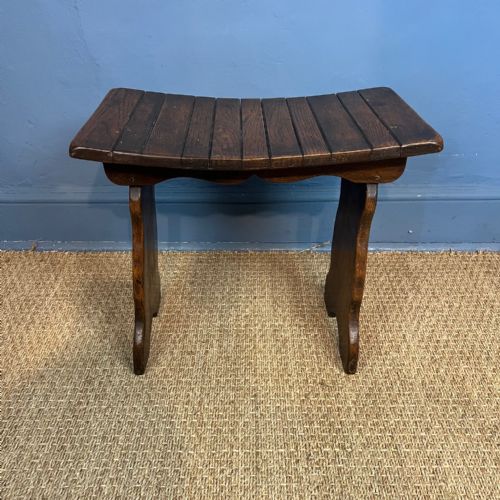
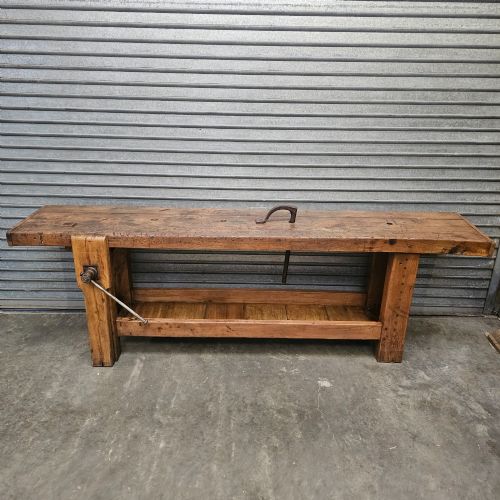
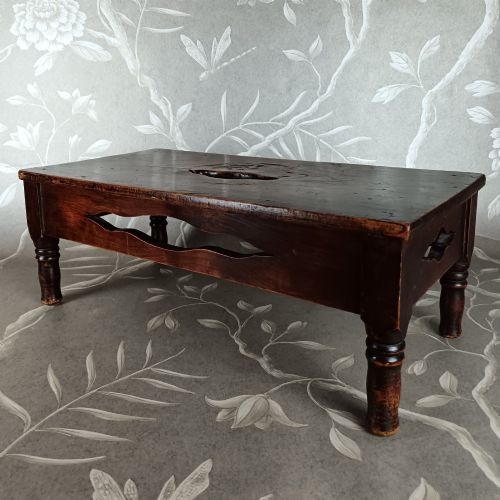
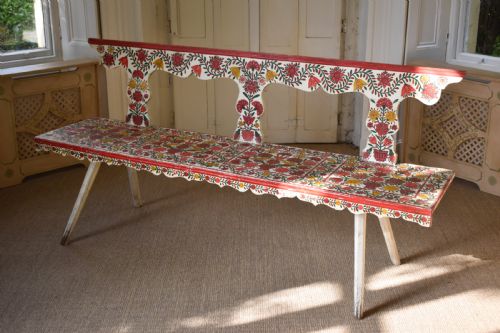
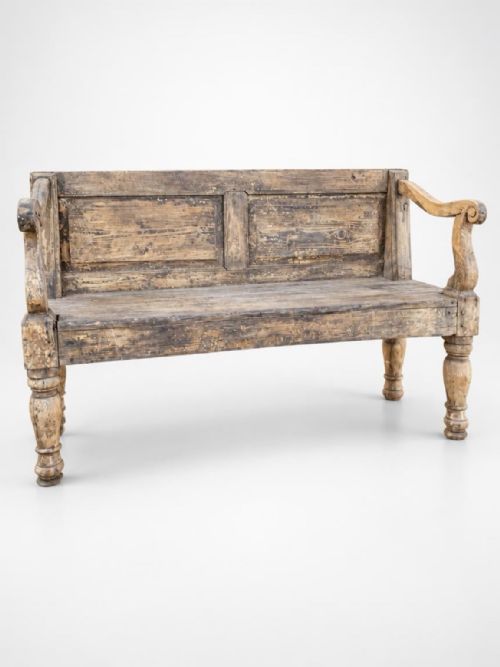
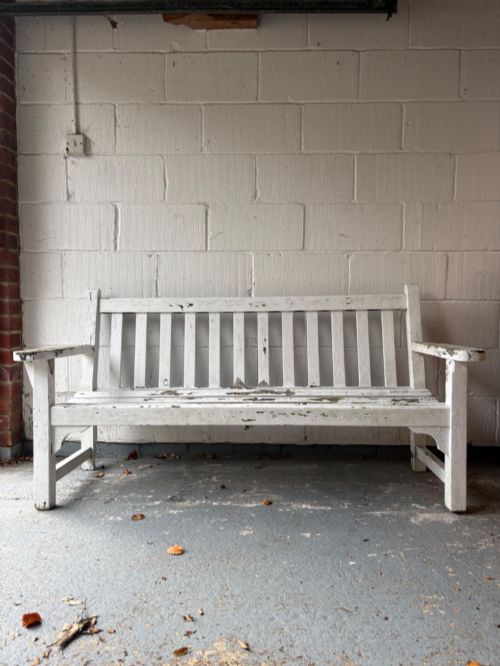
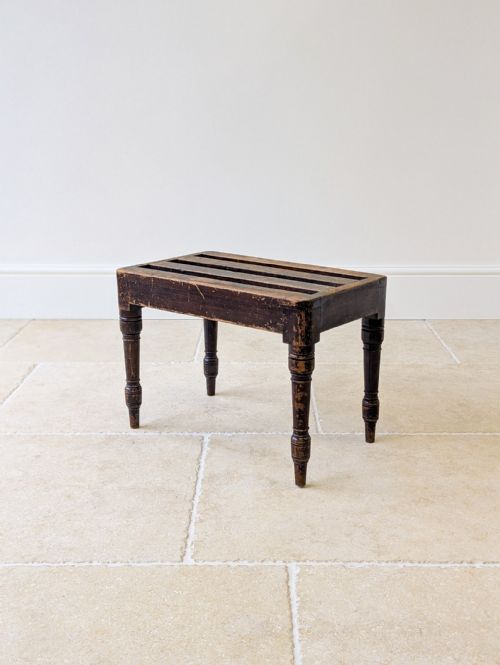
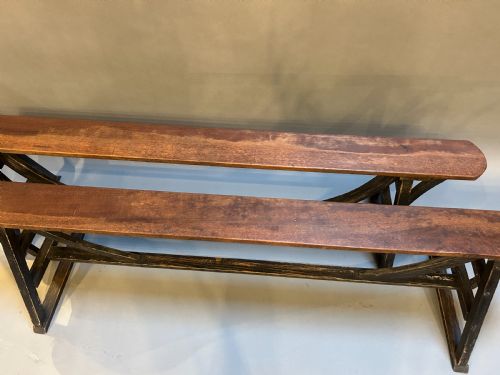
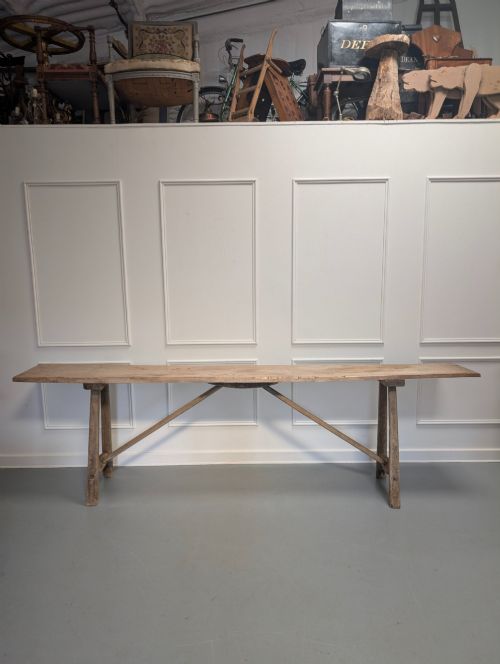
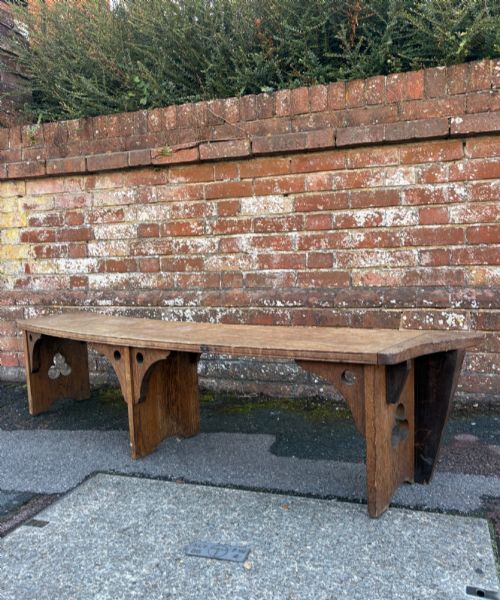
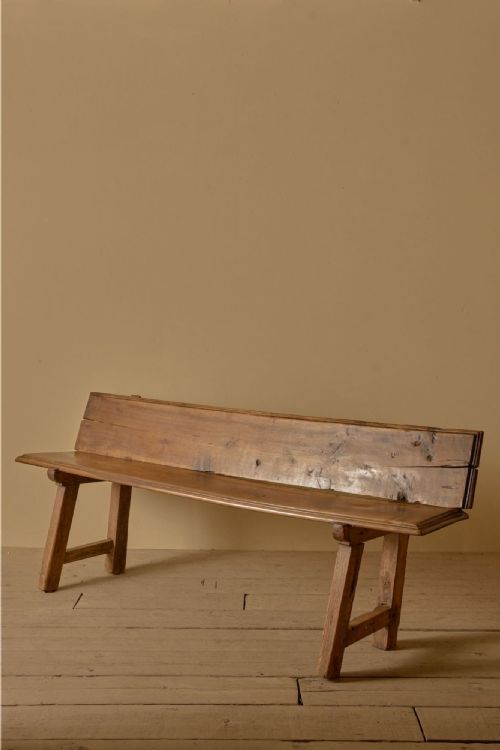
Vintage timber benches encompass everything from rustic pine settle seats and oak hall benches to slatted teak garden furniture spanning the eighteenth to the twentieth centuries. Buyers seeking vintage timber benches look for solid construction, practical seating, and the rich patina that comes from decades of daily use.
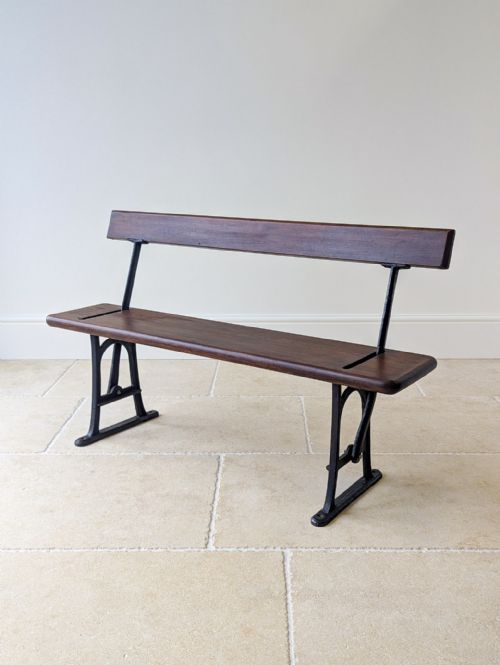
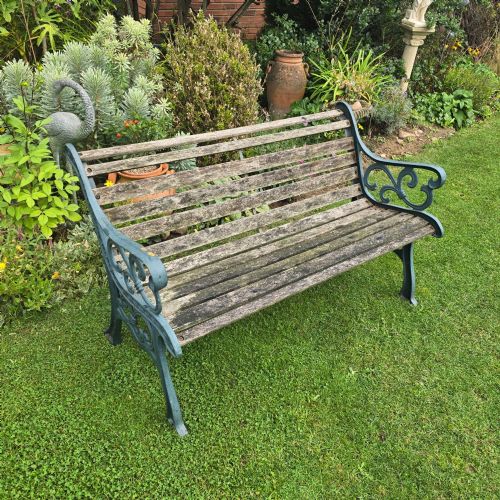
The pieces on this page lean heavily towards nineteenth-century examples and early twentieth-century designs, featuring regional British styles, French country seating, and heavy garden benches combining timber slats with cast iron frames.
How they were made
Carpenters and joiners built these seats using robust hardwoods like oak, elm, and walnut alongside softer timbers such as pine and beech, often pairing them with durable cast iron supports for outdoor use. Traditional mortise and tenon joinery held the heavy planks together, while primitive forms relied on pegged joints and wedged legs.
Surfaces finished with natural waxes, oils, or early paints aged through exposure, developing the characteristic silvered tones on exterior teak and the warm honey patinas found on interior pine.
Vintage Timber Benches Retail Price Guide 2026
Typical asking prices for vintage timber benches among the pieces listed under this phrase on Sellingantiques today, from the lower quarter to the upper quarter. They describe what is for sale here now, not the wider market.
Materials span native oak, elm, beech, and pine alongside cast iron frames and imported teak.
What varies in quality
Quality rests in the integrity of the original timber and the degree of survival in the surface finish, distinguishing honest wear from unsympathetic modern restoration. Superior pieces retain their structural rigidity without excessive timber replacement, showing genuine weathering or untouched interior patination.
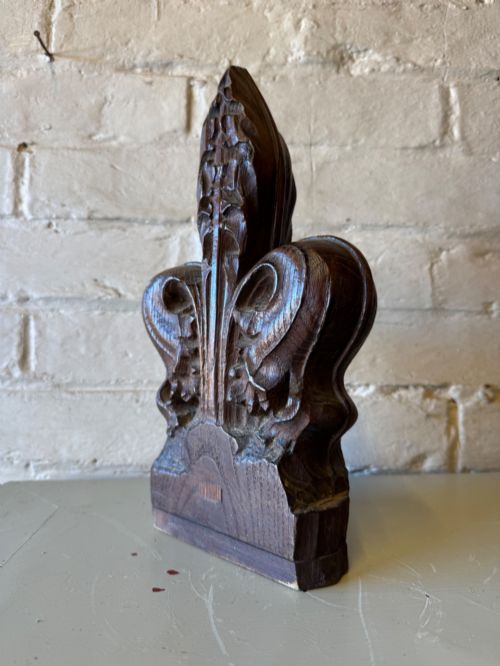
The skill of the maker shows in the proportion of trestle ends, the snugness of the joints, and whether decorative elements like carved poppy heads or Gothic tracery remain crisp and unaltered.
Brown & Lamont·Falkirk Foundry·Norris London
The Vintage Timber Benches Glossary
- Settle
- A wooden bench with a high back, solid arms, and often a storage box beneath the seat. This form protected sitters from draughts in older English and European homes.
- Refectory bench
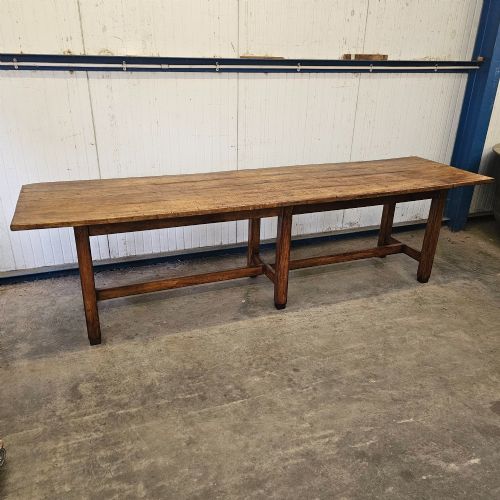
- A long, narrow seating form traditionally paired with a communal dining table. These pieces display sturdy stretcher bases designed to handle heavy daily use.
- Patina
- The deep sheen and surface texture developed on wood and metal through age, handling, and exposure to light. Collectors value this visual record of history.
- Faux bois
- A decorative technique mimicking wood grain, seen on garden benches cast from iron to resemble gnarled branches. French makers produced notable examples of this style.
- Mortise and tenon
- A traditional woodworking joint where a protruding tongue fits tightly into a square cavity. This method creates strong, durable connections without relying on metal fasteners.
Vintage Timber Benches: Frequently Asked Questions
Can I leave a teak bench outside all year?
Teak contains natural oils that resist moisture and decay, making it well-suited for outdoor conditions through changing seasons.
Over time, exposure to weather turns the rich brown wood into an even silver-grey colour without weakening the structure.
How do I clean an old pine bench?
Dust the timber gently with a dry cloth and apply a traditional beeswax to nourish the dry wood fibres.
Avoid using harsh chemical detergents or soaking the surface, as this strips away the historic patina.
Are these benches sturdy enough for daily seating?
Most solid hardwood and heavy pine examples offer robust construction designed for heavy use in halls, kitchens, or gardens.
Checking the joints and trestle bases ensures the frame remains stable before placing it into regular service.
How do I date an antique wooden bench?
Tool marks, timber species, type of joinery, and the style of carved supports provide clear clues regarding the manufacturing period.
Comparing the wear patterns around the footrests and seat edges helps confirm whether the piece dates to the nineteenth century or earlier.