







Vintage Timber Bed
A vintage timber bed brings warmth and period character to a bedroom through traditional cabinetmaking and rich natural grain.
Vintage Timber Bed
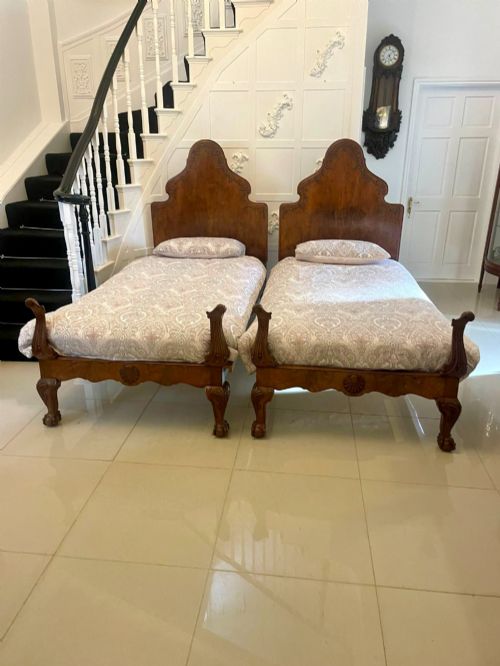
A vintage timber bed encompasses a wide variety of sleeping furniture and daybeds spanning from the nineteenth century into the twentieth century. These pieces reflect historical design movements including Victorian, Edwardian, Arts and Crafts, and Art Deco styles.
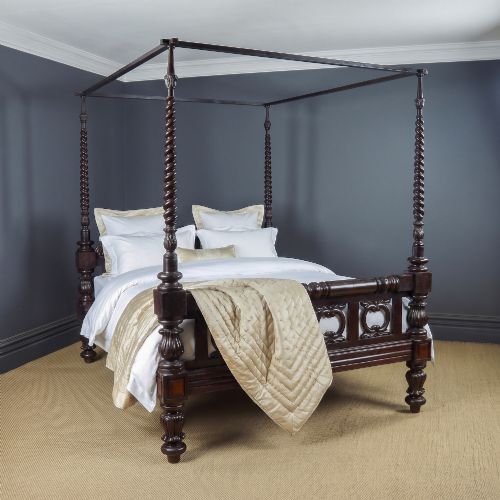
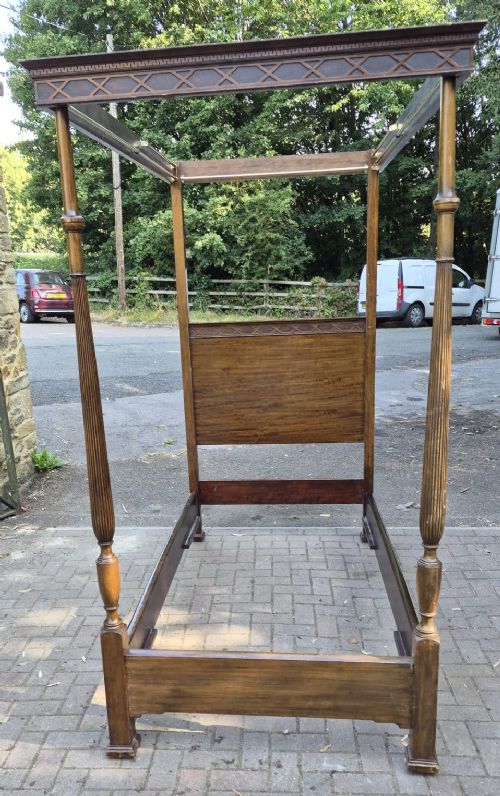
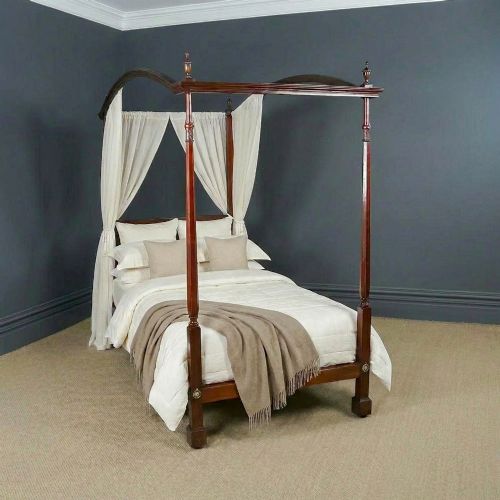
The most common forms encountered here are double and king size bedsteads alongside single beds and daybeds. Regional European and English workshops produced everything from simple panelled frames to elaborate four-poster constructions.
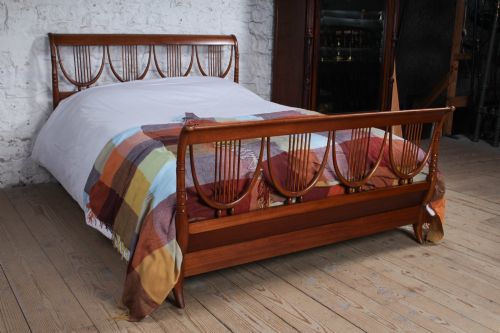
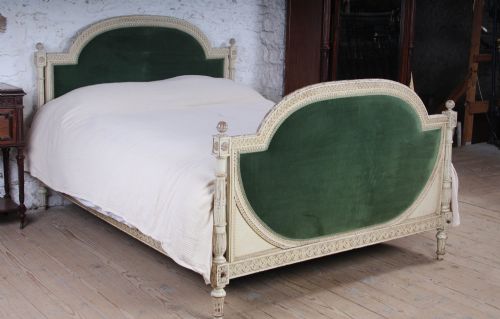
Makers utilised distinct regional aesthetics, ranging from French painted cane daybeds to sturdy English mahogany and walnut bedframes. Each piece demonstrates the domestic carpentry standards and sleeping requirements of its respective decade.
Materials and construction methods
Cabinetmakers constructed these frames using solid hardwoods and decorative veneers such as mahogany, walnut, burr walnut, cherry wood, sweet chestnut, and fruitwood. Carpenters frequently paired these primary timbers with secondary woods for internal structural supports.
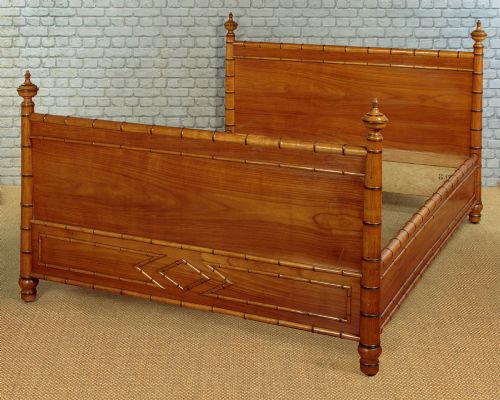
Joinery techniques relied on traditional cabinet construction, incorporating panelled headboards, turned posts, and carved details executed by hand. Surface finishes ranged from polished French polishes to painted treatments and decorative faux bamboo carving.
Vintage Timber Bed Retail Price Guide 2026
Typical asking prices for vintage timber bed among the pieces listed under this phrase on Sellingantiques today, from the lower quarter to the upper quarter. They describe what is for sale here now, not the wider market.
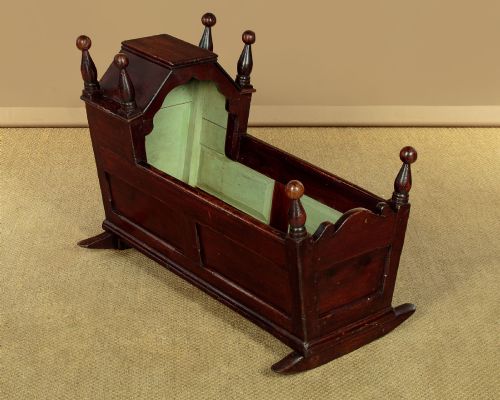
The selection includes specialised forms such as rocking cradles, dog beds, and intricate folk-art bedpost figures.
Assessing quality and execution
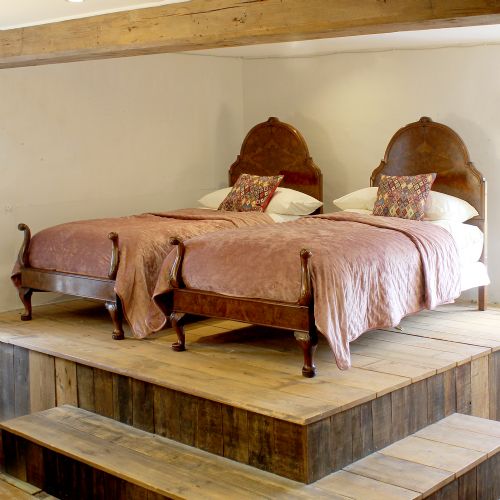
Quality in a vintage timber bed rests upon the selection of timber figures and the crispness of any hand carving or turned elements. Superior examples display book-matched burr veneers or deeply figured grain that demonstrates careful material selection by the maker.
Structural integrity and the retention of original mounting hardware differentiate standard production items from workshop pieces created by notable designers. The harmony of proportions and the fidelity of historical style revivals further elevate the standing of a bedstead.
Stanley Webb Davies·Oliver Morel·Heals of London·Howard and Sons·Betty Joel
The Vintage Timber Bed Glossary
- Bedstead
- The framework of a bed consisting of headboard, footboard, and rails designed to support a mattress base. This term specifically refers to the structural wooden or iron frame rather than the bedding itself.
- Four poster bed
- A bed featuring four vertical columns that support an upper canopy or tester frame. These grand frames often reflect Georgian or Victorian design idioms.
- Daybed
- A piece of furniture combining the functions of a sofa and a bed, suitable for reclining during daytime hours. Examples range from French canapé styles to simpler frames.
- Half tester bed
- A bed featuring a partial canopy that extends only over the head portion of the mattress rather than the full length. This configuration originated to catch drafts while maintaining an open feel.
- Burr walnut
- Timber taken from the wart-like growths on walnut trees, producing highly decorative and swirling grain patterns. Cabinetmakers sliced this wood into thin veneers for statement headboards.
Vintage Timber Bed: Frequently Asked Questions
How do I measure for a vintage bed?
Older beds often follow historical sizing standards that differ slightly from modern mattress dimensions. Measure the interior clearance between the side rails carefully to ensure your intended mattress fits the frame.
Account for the height of the headboard and footboard within your room layout, particularly if you have low ceilings or windows positioned near the bed placement.
Are vintage beds compatible with modern mattresses?
Many vintage wooden bedsteads accommodate modern mattresses with the addition of a suitable slatted base or modern support foundation. Some nineteenth-century frames may require minor, reversible adjustments to support contemporary mattress depths.
Consult the specific rail configuration of each bed to determine whether standard slats or a low-profile box spring will integrate cleanly within the side timbers.
How do I care for wooden bed frames?
Maintain timber surfaces by dusting with a soft, dry cloth and avoiding silicone-based polishes that build up over time. Feed the wood periodically with traditional beeswax to preserve the moisture and natural lustre of the finish.
Protect the finish from direct sunlight and extreme humidity fluctuations to prevent timber movement or veneer lifting across large headboard panels.
How can I identify the period of a bed?
Examine the construction methods, joint types, and timber preparations visible on the inner frame and reverse of the headboard. Tool marks, screw types, and fastener styles often provide reliable clues regarding the decade of manufacture.
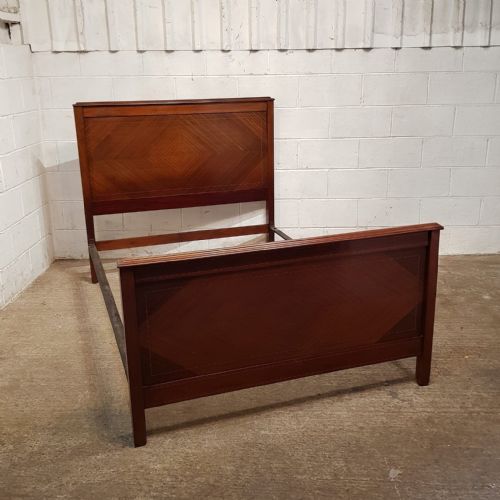
Compare the decorative vocabulary, such as Art Deco geometric lines or Victorian carved motifs, with established historical design periods represented in the woodwork.