





Vintage Timber Bed Frame
A vintage timber bed frame grounds a bedroom with character, offering solid construction and period detail that modern manufacturing simply cannot replicate.
Vintage Timber Bed Frame
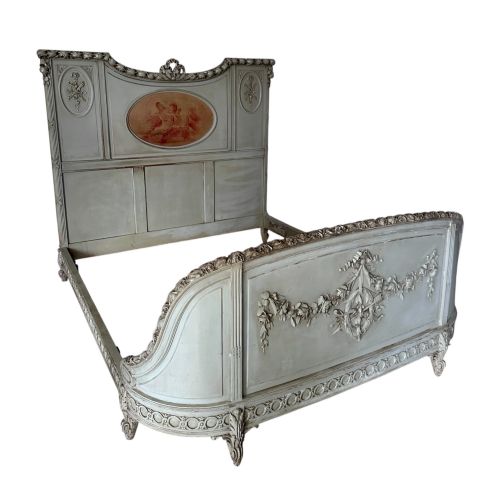
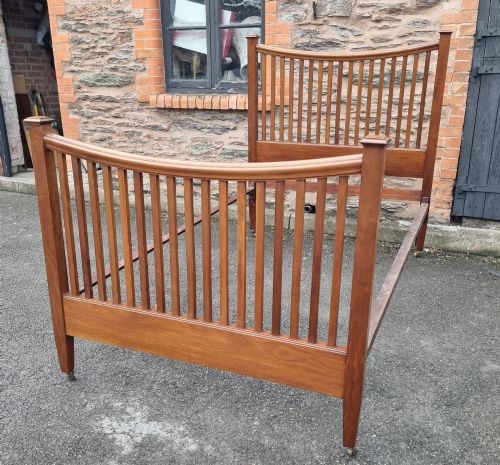
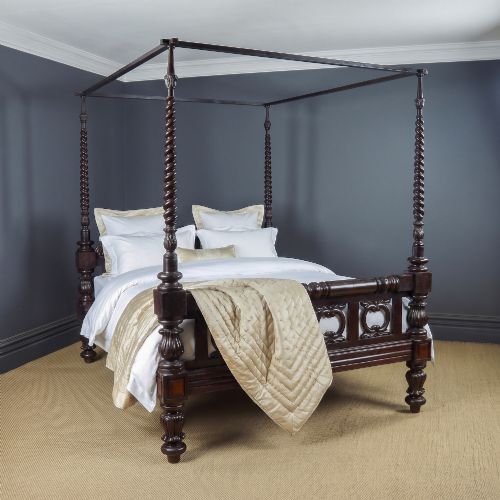
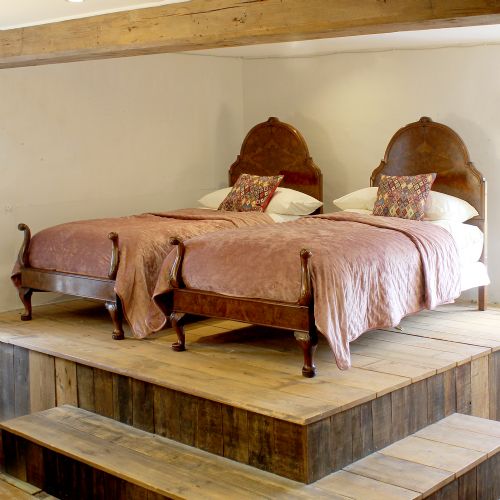
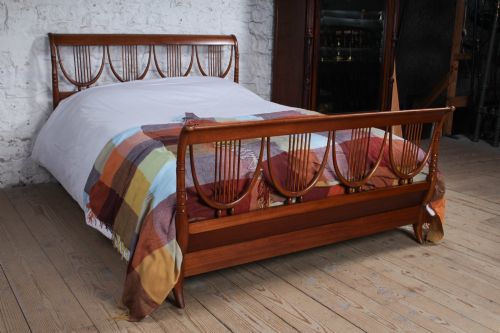
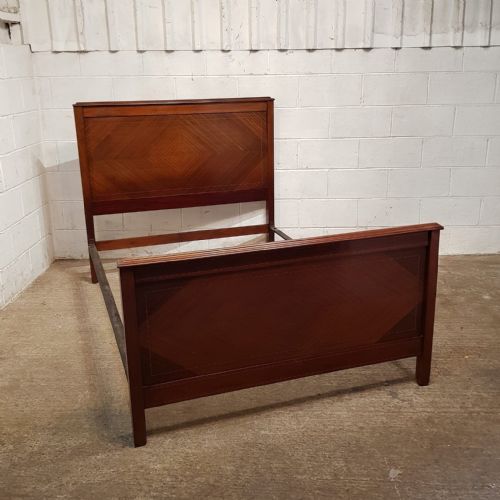
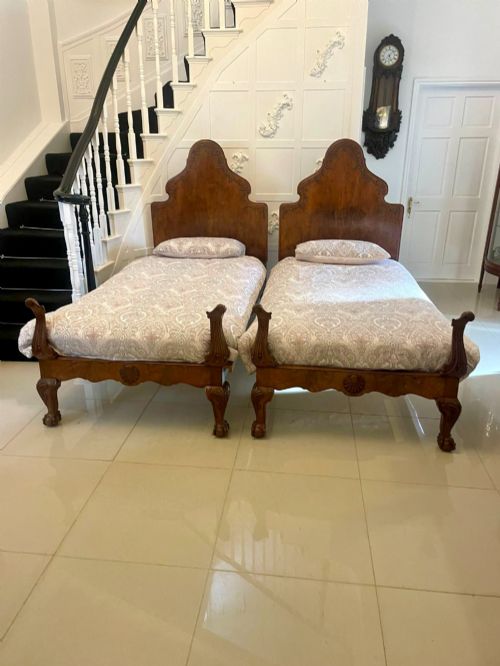
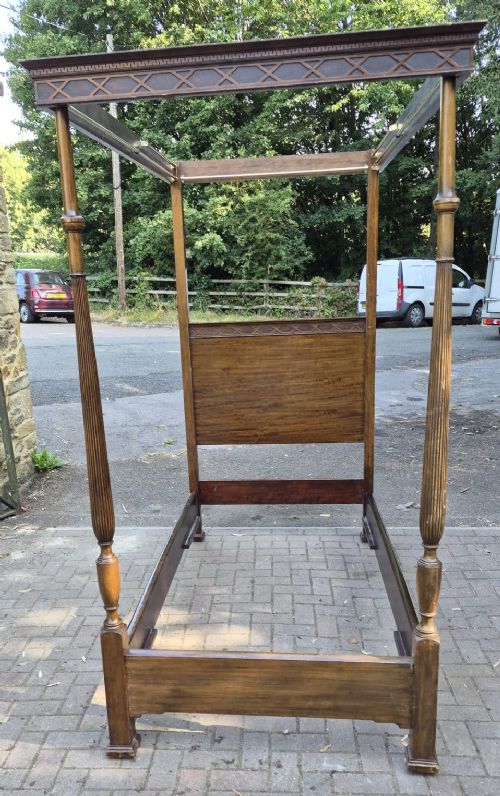
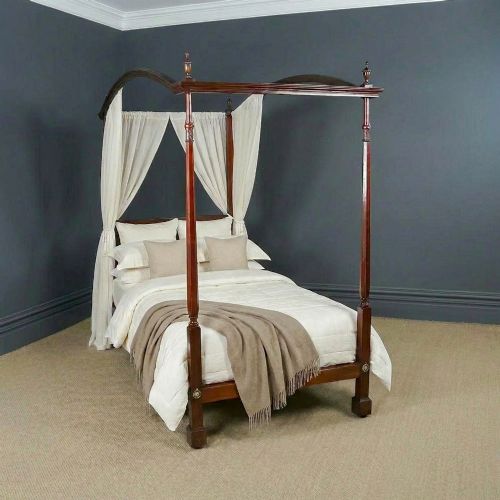
When you search for a vintage timber bed frame, you encounter a wide span of historic periods, ranging from nineteenth-century pieces through Edwardian and Art Deco designs to nineteen-thirties modernist works. The selection includes double beds, single beds, king-size proportions, and four-poster bedsteads built across various European and English traditions.
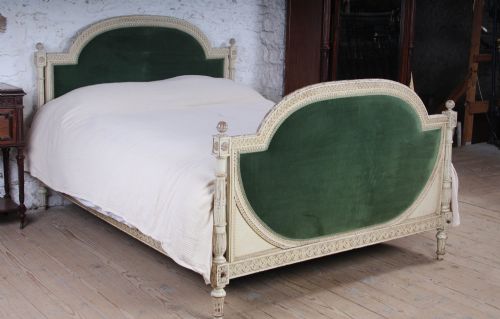
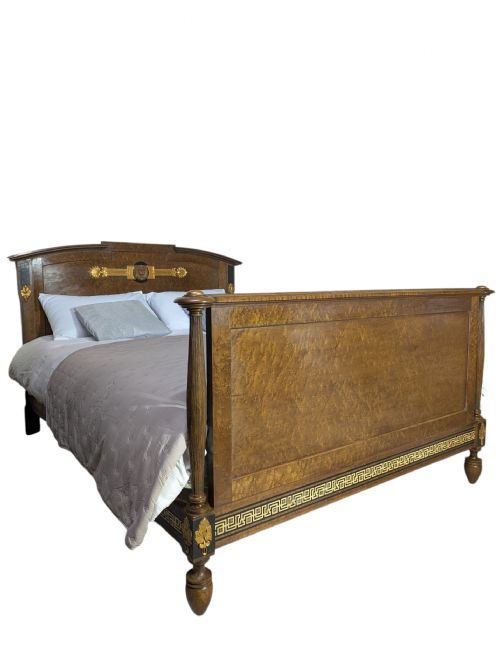
You are most likely to meet walnut, mahogany, and pine structures reflecting styles such as Victorian, Edwardian, Queen Anne, and French regional aesthetics. These pieces range from simple panelled headboards to intricately carved French chateau and empire frames.
Daybeds and chaise longues also appear alongside standard bedframes, offering alternative sleeping and lounging forms from the same historical eras.
Materials and construction methods
Carpenters utilised dense hardwoods like walnut, mahogany, cherry, and sweet chestnut, often selecting burr walnut or plum pudding mahogany veneers for decorative surfaces. These timbers were joined using traditional framing techniques and reinforced with iron or brass brackets depending on the period.
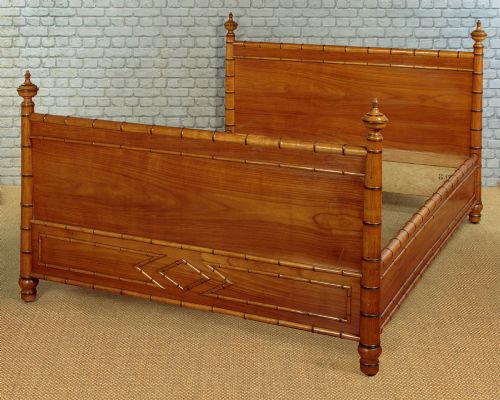
Surface ornamentation involved hand-carving, faux bamboo turning, and painted finishes sometimes complemented by applied brass detailing. Upholstered headboards and original fabric panels complete the construction of specific French and Louis-style frames.
Vintage Timber Bed Frame Retail Price Guide 2026
Typical asking prices for vintage timber bed frame among the pieces listed under this phrase on Sellingantiques today, from the lower quarter to the upper quarter. They describe what is for sale here now, not the wider market.
Materials represented include solid walnut, mahogany, burr walnut, pine, iron, brass, and painted wood.
Distinguishing quality across the range
Quality rests upon the selection of timber and the ambition of the joinery, distinguishing standard factory production from pieces commissioned from notable makers or workshops. Figured veneers such as burr walnut require superior skill to apply and maintain over decades.
The integrity of the structural joints and the crispness of hand-carved details dictate the standing of an individual bedstead. Original fittings and integrated slats or base systems also influence how well a piece survives and functions today.
Stanley Webb Davies·Oliver Morel·Heals of London·Howard and Sons·Betty Joel
The Vintage Timber Bed Frame Glossary
- Bedstead
- The complete framework of a bed, consisting of headboard, footboard, and side rails. Unlike modern divans, these require separate mattress supports.
- Four poster
- A bed with four vertical columns that support an upper tester or canopy frame. These architectural pieces often reflect Georgian or Edwardian revivals.
- Faux bamboo
- Wood turned and carved to imitate natural bamboo stalks. This technique gained popularity during the late nineteenth century.
- Veneer
- A thin layer of finely figured wood applied to a secondary timber base. Burr walnut and plum pudding mahogany are typical examples found on these frames.
- Daybed
- A form combining seating and sleeping functions, often styled with a single raised end or backrest. They appear in Regency and turn-of-the-century contexts.
Vintage Timber Bed Frame: Frequently Asked Questions
How do I choose the right size?
Historic bed frames often differ from modern mattress dimensions by a few centimetres. Measure your available bedroom space carefully and check the internal frame measurements before purchasing.
Keep in mind that older rails and footboards can restrict total length, so verify that your chosen mattress will fit comfortably inside the wooden perimeter.
Are these beds easy to assemble?
Most vintage timber bed frames utilise traditional bolt-together side rails or slot-in joints. They dismantle into manageable components for transport.
Having two people makes assembly straightforward, though you should check that all metal bolts and fixing brackets are secure before placing a mattress on the base.
How do I care for timber finishes?
Dust the wood regularly with a dry, soft cloth and avoid placing the frame near direct heat sources or strong sunlight. These precautions protect older polishes and veneers from drying out.
Apply a quality beeswax periodically to nourish the timber surface and maintain the natural lustre of walnut and mahogany.
Can I use a modern mattress?
Many vintage frames accommodate standard modern mattress sizes, but you should verify the internal width and length first. Some nineteenth-century pieces were built to bespoke dimensions.
You may also need to check whether the existing wooden slats or dropped base provide adequate support for contemporary pocket-spring or foam mattresses.