



Vintage Tiles
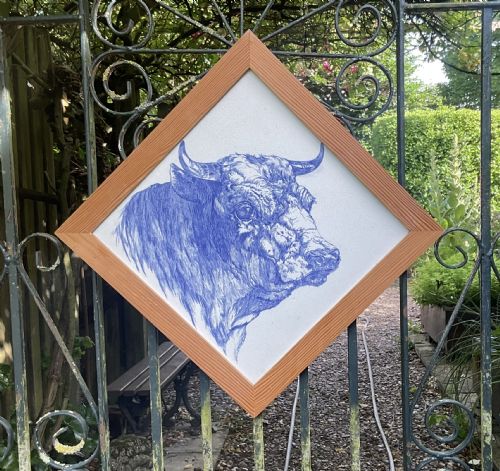
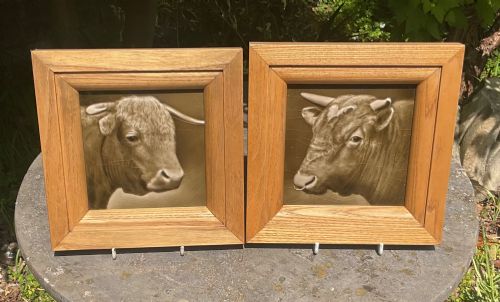
These vintage tiles bring rich ceramic colour and pattern into living spaces, whether mounted as wall art or set into sturdy oak furniture.
Vintage Tiles
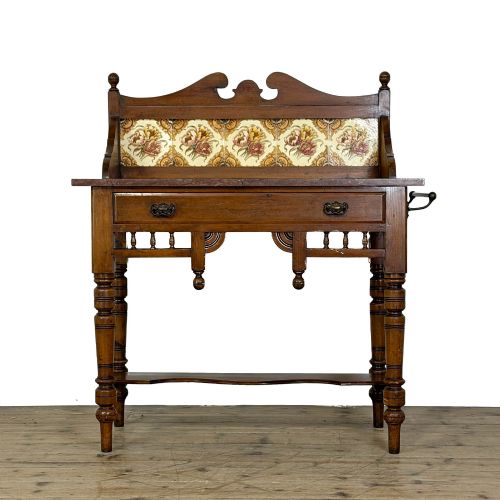
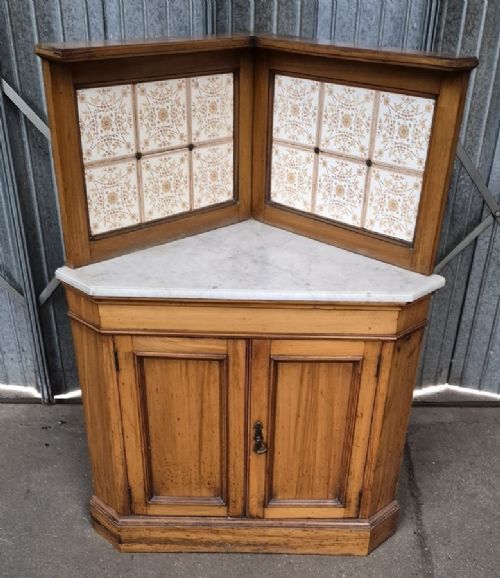
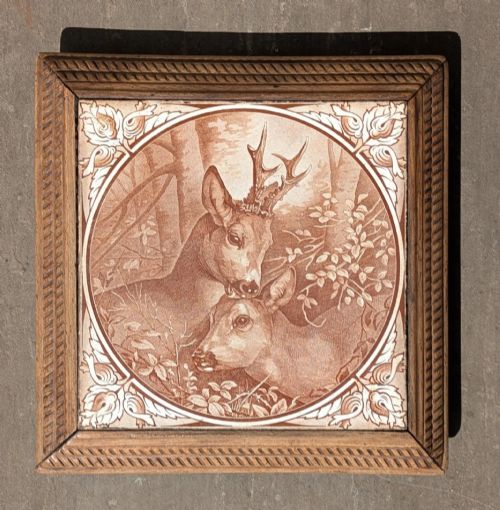
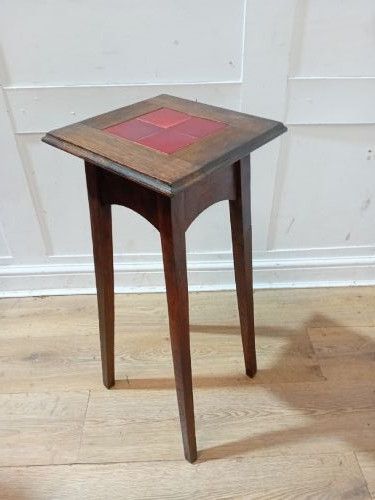
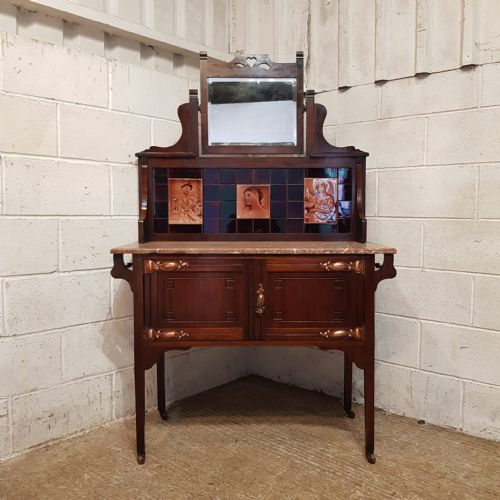
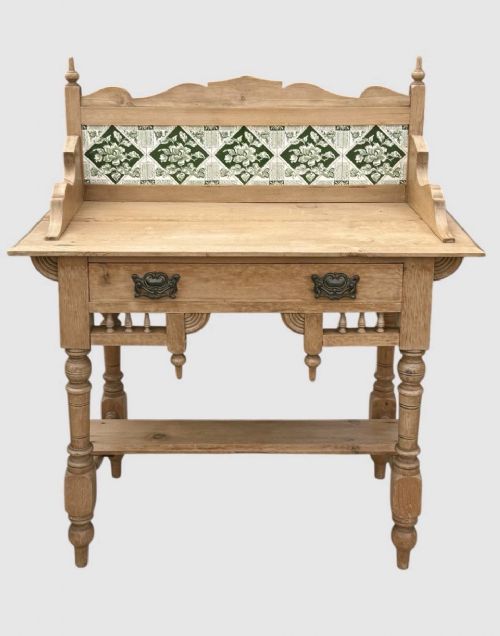
Vintage tiles encompass individual decorative ceramic pieces, framed panels, and functional furnishings such as washstands, side tables, and kitchen dressers inset with glazed panels. The pieces encountered here span from the late nineteenth century through the Edwardian era, the Arts and Crafts movement, and the Art Nouveau period, reflecting the shifting aesthetic tastes of those decades.
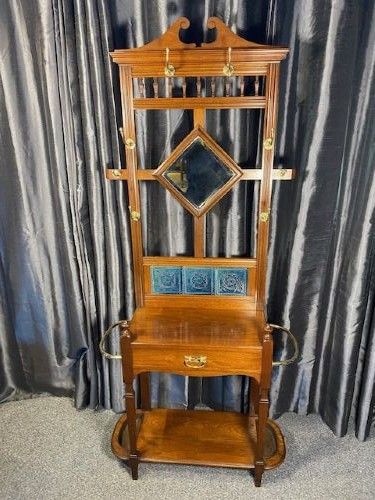
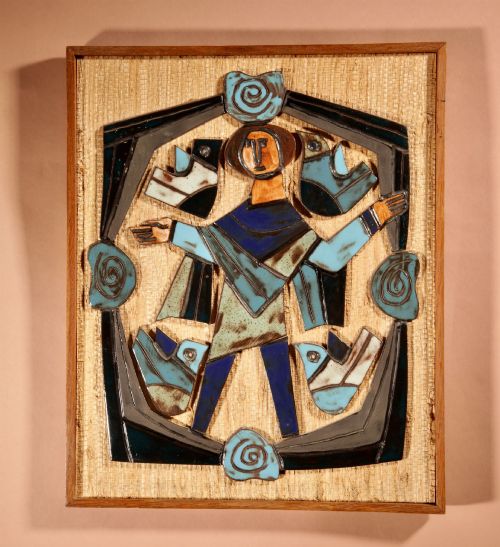
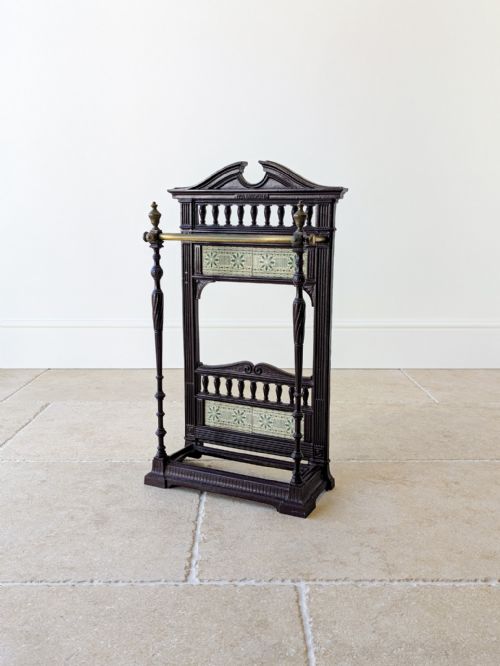
Buyers seeking vintage tiles will discover both standalone ceramic art and integrated architectural elements. Many examples serve as decorative accents within furniture like hall stands and umbrella holders, while others appear as framed wall art, relief paintings, and specialised items including butcher shop displays and calendar panels.
How they were made
Production techniques varied from factory-led output by notable potteries to specialised artistic workshops creating bespoke wall reliefs. Glazing methods imparted deep colour variations, particularly in manganese and polychrome finishes designed to catch the light.
Vintage Tiles Retail Price Guide 2026
Typical asking prices for vintage tiles among the pieces listed under this phrase on Sellingantiques today, from the lower quarter to the upper quarter. They describe what is for sale here now, not the wider market.
Materials span glazed earthenware alongside supportive structures in oak, walnut, mahogany, and cast iron.
What varies in quality
Quality in these pieces rests upon the crispness of the ceramic moulding and the depth of the glaze. Finer examples display meticulous attention to detail in the brushwork or relief work, ensuring the design holds visual strength from a distance.
The standard of the surrounding framework significantly influences the overall character of integrated pieces. Well-joined timber cabinetry or secure, period-appropriate framing elevates the ceramic work it houses, distinguishing standard utility items from exceptional decorative pieces.
Coalbrookdale·Sherwin and Cotton·Mintons·Minton Hollins·Longwy
The Vintage Tiles Glossary
- Arts & Crafts
- A design movement prioritising traditional craftsmanship, simple forms, and natural motifs. It heavily influenced furniture and ceramic production around the turn of the twentieth century.
- Art Nouveau
- A style characterised by organic, flowing lines, floral motifs, and stylised depictions of flora and fauna. This aesthetic appears frequently in decorative tiles and surface patterns from the period.
- Aesthetic Movement
- A nineteenth-century movement promoting art for art's sake, often featuring stylised natural subjects such as birds and foliage. Pottery tiles from this period display refined artistic composition.
- Manganese
- A dark metallic element used to create deep purple, brown, or black tones in ceramic glazes. It is frequently seen in early Dutch and historical tile work.
- Washstand
- A piece of bedroom furniture designed to hold a basin and pitcher, often topped with marble and inset with decorative tiles to protect the wall from splashes.
Vintage Tiles: Frequently Asked Questions
How do I clean vintage tiles?
Wipe glazed ceramic surfaces gently with a damp cloth and mild soap to preserve the original finish. Avoid harsh chemical cleaners that can damage the glaze or vintage mortar.
For tiles set into wood furniture, take care to keep moisture away from the surrounding timber joints. Dry the surface thoroughly after cleaning.
Where were vintage tiles used?
These pieces originally served both functional and decorative roles in Victorian and Edwardian interiors. They appeared in kitchens, bathrooms, and hallways as splashbacks, hearth surrounds, and furniture insets.
Many were also framed as standalone artworks or incorporated into washstands and umbrella stands. Today, they are primarily used as decorative wall panels or integrated into interior design schemes.
How do I date vintage tiles?
Dating relies on stylistic clues, manufacturer marks on the reverse, and the context of the piece. Arts and Crafts and Art Nouveau designs point firmly to the late nineteenth and early twentieth centuries.
Examining the manufacturing technique, clay body, and framing materials also helps establish the period. Marked pieces from potteries like Mintons provide a clearer chronological anchor.