



Vintage Tiled Table
These vintage tiled table pieces combine functional frames with decorative ceramic surfaces, offering a practical touch of period design.
Vintage Tiled Table
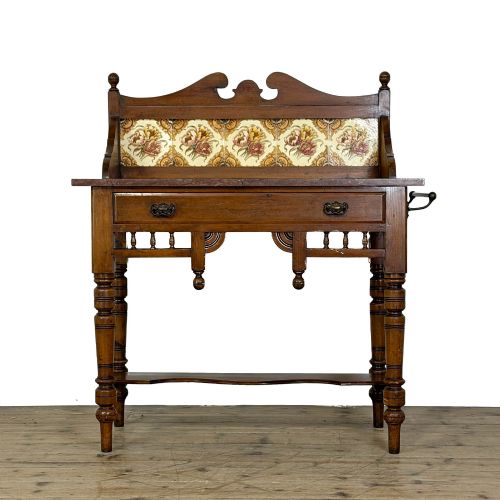
A vintage tiled table brings together wooden frames and inset ceramic tiles, creating a durable surface suited to daily use. The selections here draw from periods spanning the nineteenth century through the Edwardian era and into the mid-twentieth century.
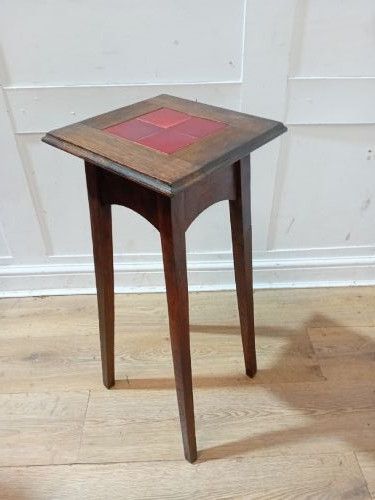
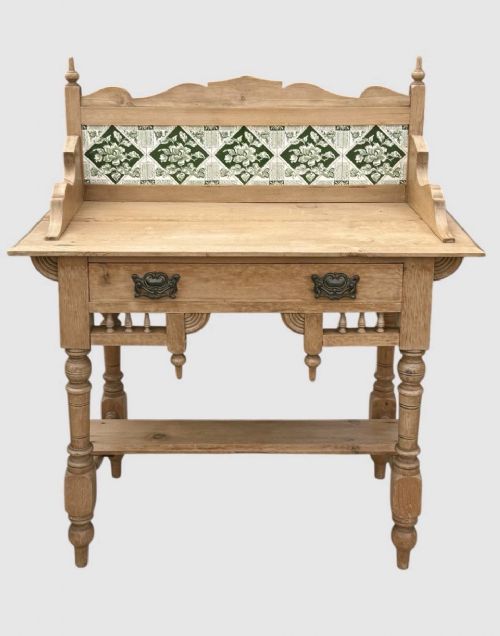
Buyers frequently encounter washstands, side tables, and coffee tables featuring glazed tiles alongside plant stands and bistro formats. These forms serve practical roles in hallways, living spaces, and kitchens while displaying distinct period aesthetics.
Origins range across British, continental, and Mediterranean traditions, reflecting diverse craft practices. The incorporation of decorative tiles allows these tables to withstand moisture and heat better than plain timber tops.
How they were made
Makers utilised solid timbers such as oak, mahogany, and pine to construct the foundational frames and cabinetry. These woods were joined using traditional framing techniques to support the heavy weight of inset ceramic materials.
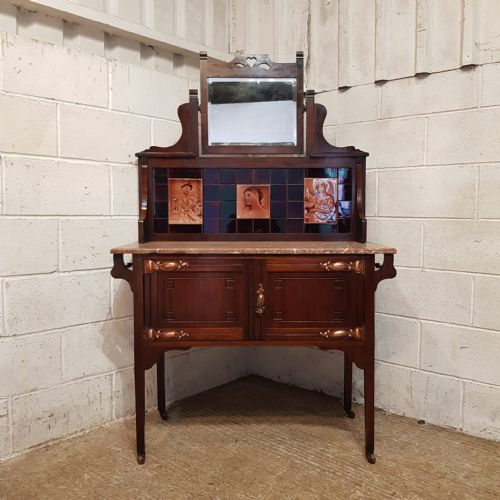
Ceramic and terracotta tiles form the primary upper surfaces, often fixed within rebated wooden surrounds or marble slabs. Glazing processes protect the tile designs from wear while introducing rich colour and pattern to the piece.
Vintage Tiled Table Retail Price Guide 2026
Typical asking prices for vintage tiled table among the pieces listed under this phrase on Sellingantiques today, from the lower quarter to the upper quarter. They describe what is for sale here now, not the wider market.
Some tables share construction methods with nineteenth-century washstands once used for splashing cold water about before breakfast.
What varies in quality
The sophistication of the ceramic tile work largely determines the distinction between standard examples and finer pieces. Hand-painted or specialised artistic tiles reflect higher design aspirations than mass-produced alternatives.
Cabinetry construction and timber selection also shape the overall standard of the object. Robust joinery and well-figured woods indicate careful workshop production.
Ellen E. Houghton of Minton
The Vintage Tiled Table Glossary
- Tile top
- A tabletop surface inset with ceramic, porcelain, or mosaic tiles designed to resist heat and moisture. This construction method became particularly popular during the late nineteenth and early twentieth centuries.
- Art Nouveau
- A decorative style characterised by flowing, organic lines and floral motifs. Tiled surfaces in this manner frequently display stylised plant or animal patterns.
- Washstand
- A functional piece of furniture originally designed to hold a basin and ewer for personal washing. Many examples feature marble or tiled tops to protect the wood from water splashes.
- Jardiniere stand
- A tall pedestal or small table intended to display potted plants and flowers. These stands often incorporate tiled surfaces to prevent water damage from plant pots.
Vintage Tiled Table: Frequently Asked Questions
How do I clean a tiled table?
Use a damp cloth with mild soap to wipe the glazed ceramic surface, avoiding harsh abrasives that might scratch the tile or grout.
Dry the wooden frame thoroughly afterwards to prevent moisture damage to the surrounding timber.
Are these tables waterproof?
The ceramic tiles and their glazed finishes offer strong resistance to water and spills, making them practical for everyday use. However, the wooden frames and grout lines require care to prevent moisture penetration.
Promptly wipe up standing liquids to protect the timber joints and mortar.
What periods do these pieces date from?
The listings span the nineteenth century through the Edwardian period and into the nineteen-thirties. Victorian and Edwardian examples represent a significant portion of the available inventory.
Earlier nineteenth-century pieces often reflect utilitarian washstand forms, while later examples include occasional coffee tables.
Can I use a washstand as a side table?
Washstands adapt well to modern living spaces as decorative side tables or hallway furniture. Their surface height and built-in storage make them practical for contemporary homes.
Ensure the proportions suit your room layout before placing them in living areas.