




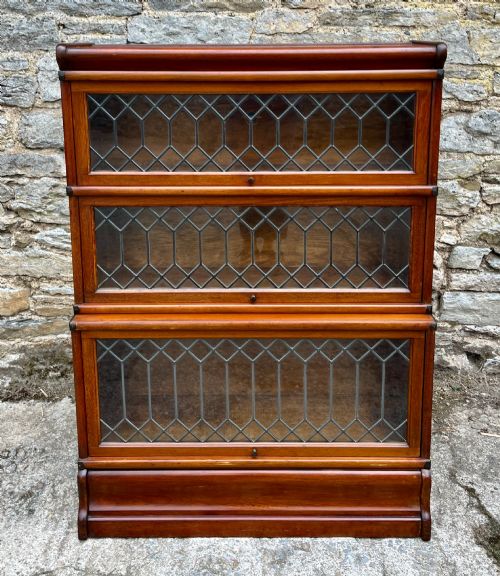
Vintage Three Tier Display
These tiered pieces for display bring tiered vertical organisation to a room, offering graduated surfaces for books, plants, and decorative objects.
Vintage Three Tier Display
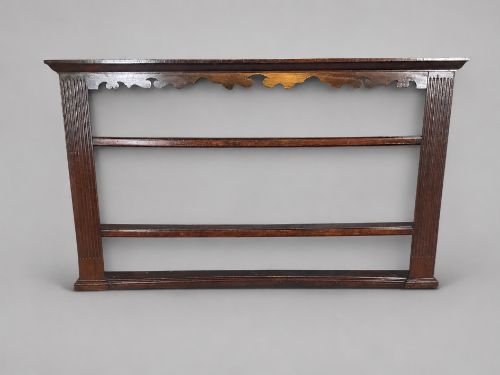
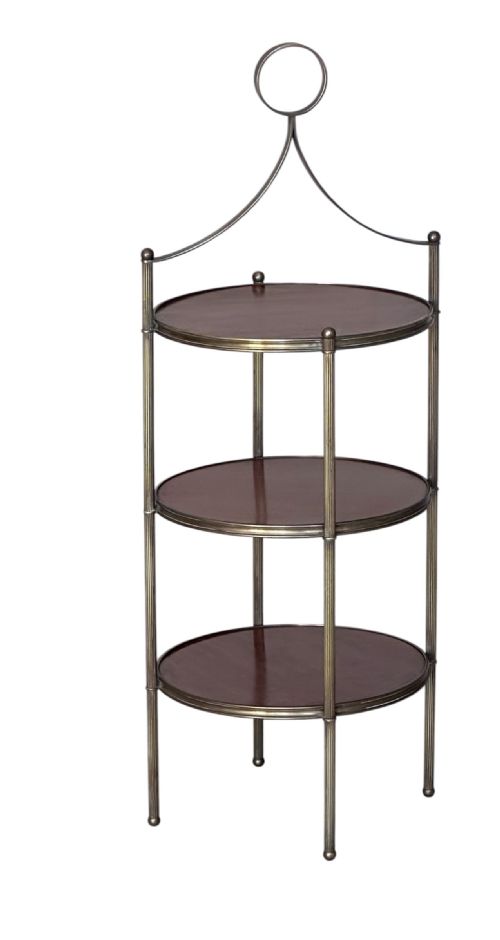
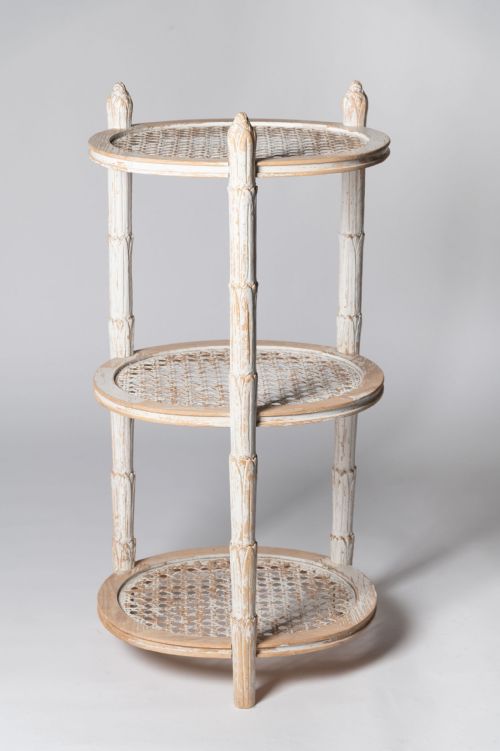
A vintage three tier display encompasses a practical group of tiered furnishings designed to hold items across multiple levels, ranging from floor-standing étageres and whatnots to wall-hanging shelves and cake stands.
The pieces appearing here span the Victorian, Edwardian, and Art Deco periods, alongside 19th-century interpretations and later styles like French Provincial and Arts and Crafts.
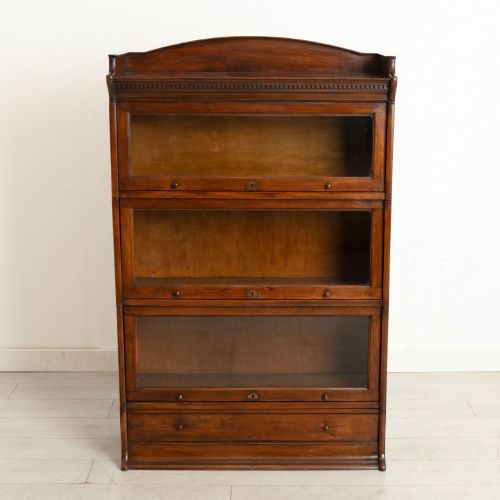
Forms vary from rotating sectional bookcases and narrow corner whatnots to occasional centre tables and wirework or cast iron plant stands.
How they were made
Construction relies heavily on traditional timber framing using mahogany, oak, walnut, rosewood, and satin birch, often shaped with turned legs or barley twist supports.
Vintage Three Tier Display Retail Price Guide 2026
Typical asking prices for vintage three tier display among the pieces listed under this phrase on Sellingantiques today, from the lower quarter to the upper quarter. They describe what is for sale here now, not the wider market.
Object forms span bookcases, wall shelves, cake stands, plant stands, side tables, étageres, and whatnots.
What varies in quality
Quality rests on the selection of timber veneers, such as burr walnut, and the precision of joinery in sectional bookcases and tiered frames.
Refinement shows in the crispness of turned wooden supports, inlaid parquetry details, and the integrity of brass hardware or glass panels.
Gunn·Lebus·Globe Wernicke·Samson and Son
The Vintage Three Tier Display Glossary
- Étagère
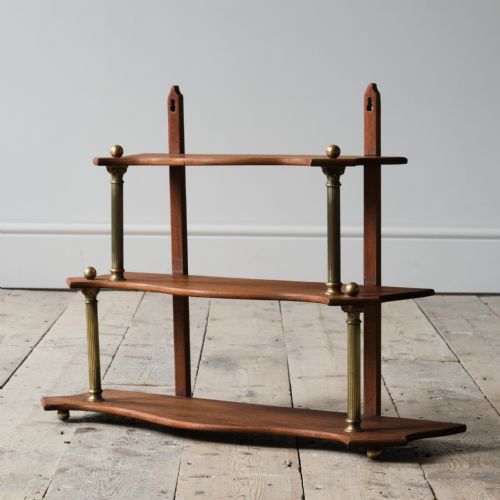
- A piece of furniture consisting of a set of open shelves for displaying small objects. They often feature slender upright supports and multiple tiers.
- Whatnot
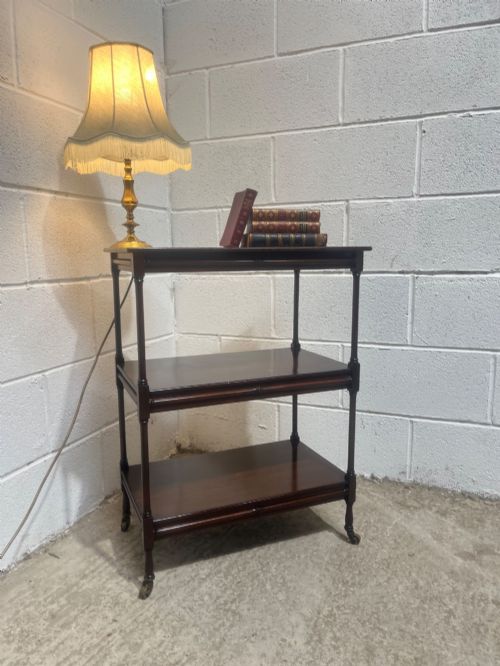
- An open set of shelves used for displaying ornaments or books. Examples typically stand on legs and feature three or more levels.
- Barrister's bookcase
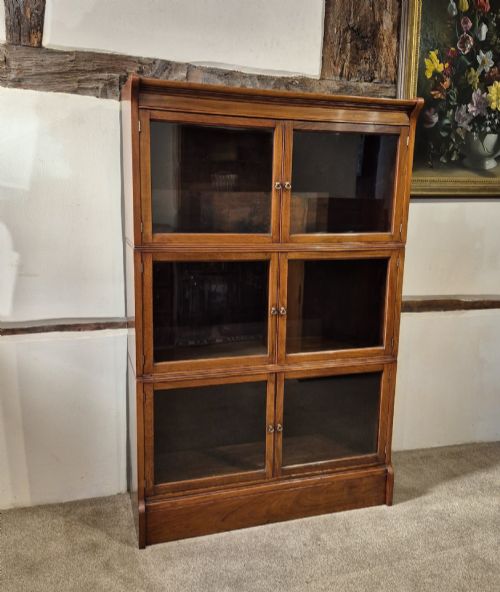
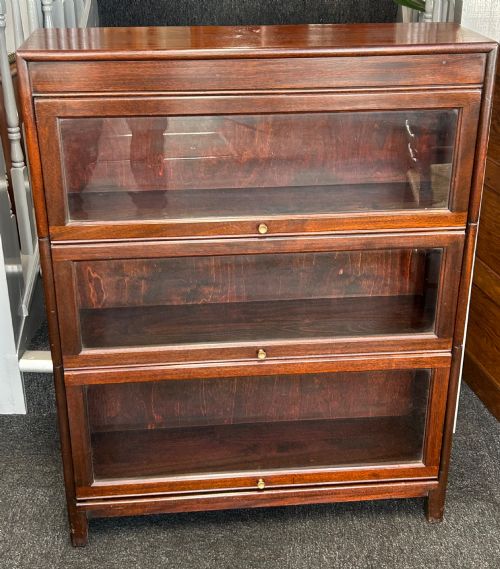
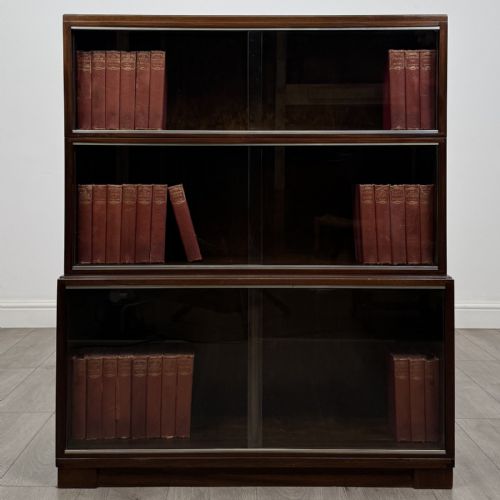
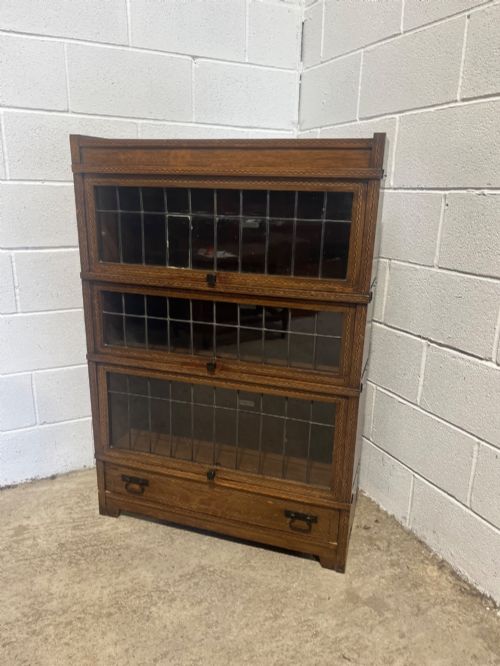
- A sectional bookcase fitted with glass doors that lift and slide upwards into the cabinet. This design protects books while allowing modular stacking.
- Cake stand
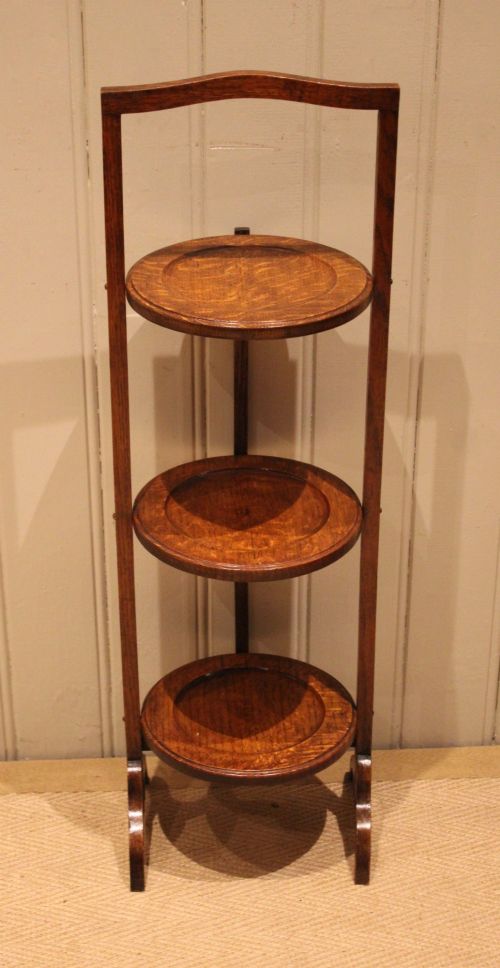
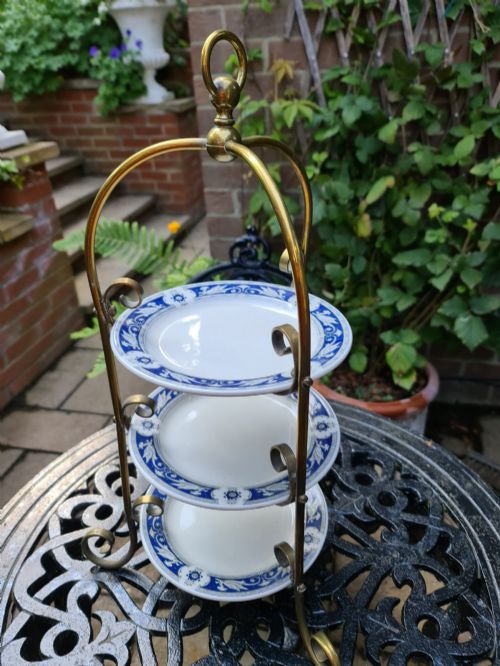
- A tiered stand traditionally used for serving baked goods or holding small displays. Versions often feature folding mechanisms or graduating circular wooden tiers.
- Barley twist
- A carved wooden furniture leg or support shaped in a spiral twist. This decorative turning technique appears frequently on Victorian supports.
Vintage Three Tier Display: Frequently Asked Questions
What is a whatnot?
A whatnot is an open shelving unit designed to display ornaments, books, or small collections across several tiers. They emerged as popular household furnishings during the 19th century.
These pieces fit easily into corners or against walls, utilising vertical space without overwhelming a room.
How do sectional bookcases work?
Sectional bookcases consist of individual stacking modules with glass doors that lift and slide into the cabinet above each shelf. This modular approach allowed owners to expand their shelving as their library grew.
They appear frequently in mahogany and oak from the late 19th and early 20th centuries.
Where should I place an etagere?
An etagere works well in living rooms, hallways, or bedrooms where you want to display decorative objects from multiple angles. Their open framework keeps rooms feeling light and spacious.
Freestanding versions look effective positioned against plain walls or used to divide space gently.
Are cake stands suitable for display?
Vintage cake stands provide compact tiered surfaces that suit the display of small plants, ceramics, or collections. Their graduating tiers create height in restricted spaces.
Many folding designs offer flexibility if you need to store them away between uses.