





Vintage Theatrical Art
These vintage theatrical art pieces capture the life of the stage through portraits, scenery boards and performance prints.
Vintage Theatrical Art
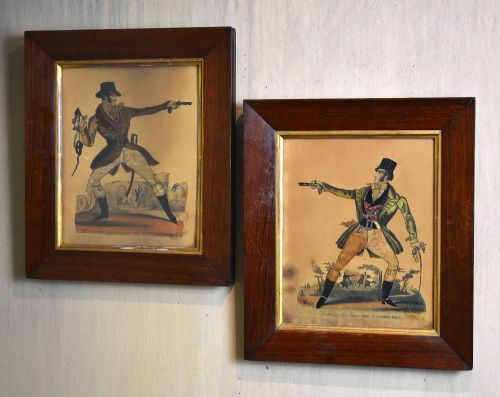
Vintage theatrical art brings together works that document the stage, circus and performance halls across multiple centuries. Buyers looking for vintage theatrical art find a diverse collection ranging from Regency framed tinsel prints to mid-century circus portraits.
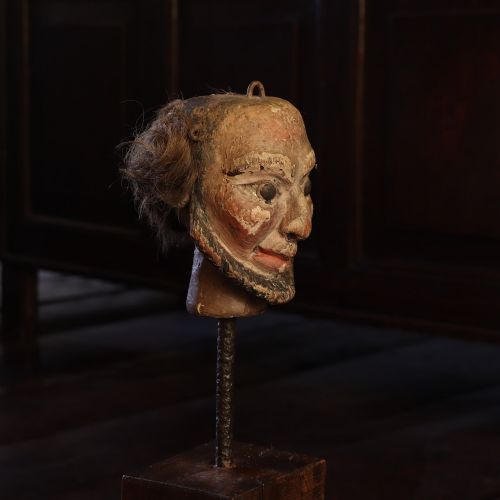
The pieces appearing most often on this page span the nineteenth century up to the nineteen-fifties. They take forms such as framed prints, oil paintings, watercolours, and carved wooden marionettes.
Subjects stretch from classical actresses and opera posters to commedia dell'arte scenes and fairground animal trainers. Each item preserves a fragment of performance history through paint, paper or iron.
Materials and construction methods
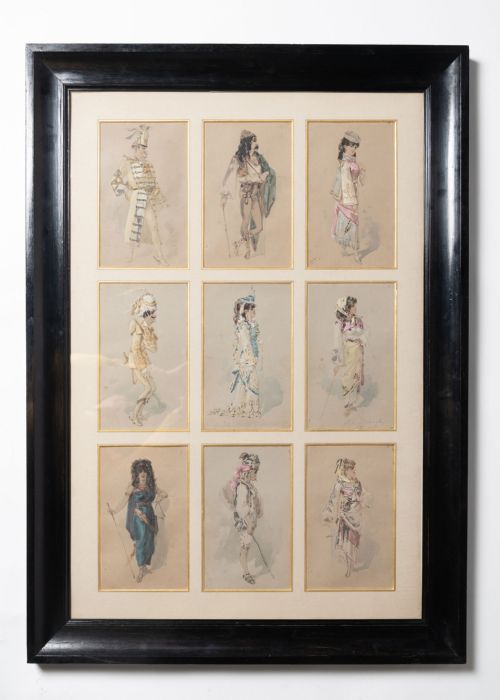
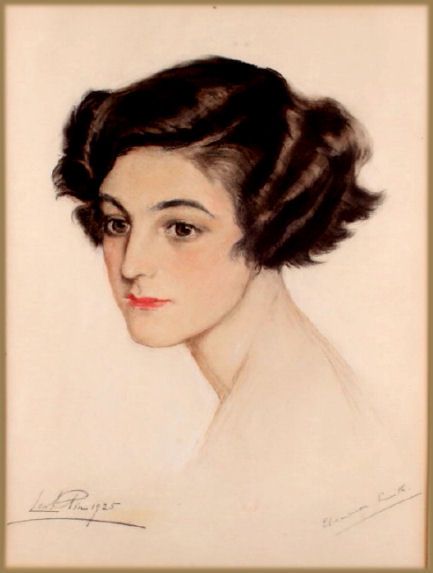
Artists and makers utilised paper, canvas and wood as the primary foundations for these works. Watercolour, oil paint, gouache and pastel bring colour and depth to the portraits and scene depictions.
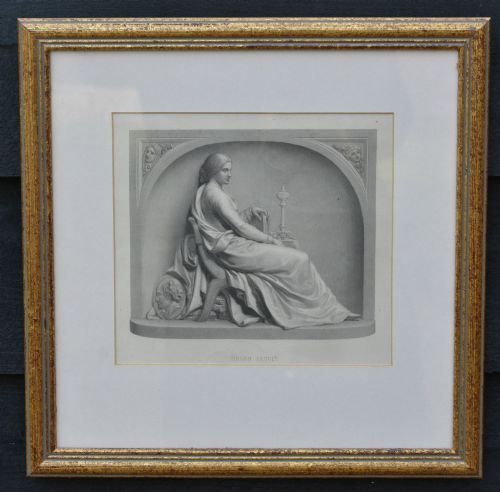
Printmakers employed lithography and engraving techniques to produce multiple impressions of theatrical performers and popular melodrama scenes. Frame makers often combined wood and glass to protect these delicate paper goods.
Vintage Theatrical Art Retail Price Guide 2026
Typical asking prices for vintage theatrical art among the pieces listed under this phrase on Sellingantiques today, from the lower quarter to the upper quarter. They describe what is for sale here now, not the wider market.
Distinctions in quality
Quality rests upon the skill of the draughtsman or painter and the authenticity of the period materials used. Works executed by named artists or reputable illustrators carry greater artistic weight than anonymous decorative pieces.
The survival condition of paper items, watercolours and oil on canvas dictates the overall appeal. Crisp line work in engravings and well-preserved pigments in pastels and watercolours elevate certain examples above standard decorative prints.
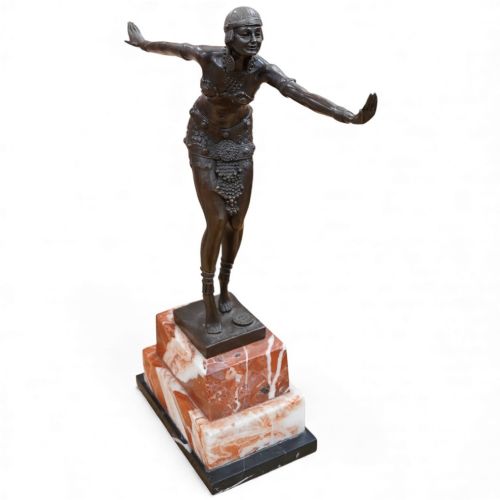
D.H. Chiparus·Richard Geiger·Lucy Kemp-Welch·Henry Bird·Leo Klin
The Vintage Theatrical Art Glossary
- Lithography
- A printing technique using a flat stone or metal plate on which image areas are greased to attract ink. This method allowed makers to produce detailed theatrical posters and scene prints in multiple colours.
- Gouache
- An opaque water-based paint that provides solid, flat areas of colour. Artists combined gouache with watercolour and pencil for rich theatrical portraits.
- Tinsel print
- A popular nineteenth-century print embellished with scraps of tinsel, fabric and sequins. These decorative items portrayed actors in their most famous stage roles.
- Commedia dell'arte
- A theatrical form characterised by masked stock characters that originated in Italy. Paintings and drawings from the early twentieth century frequently depicted performers from these troupes.
Vintage Theatrical Art: Frequently Asked Questions
What is vintage theatrical art?
Vintage theatrical art comprises paintings, prints, posters, and sculptures depicting stage actors, dancers, operas, and circus performers. These works date from the nineteenth century through to the mid-twentieth century.
They capture the atmosphere of live performance through various mediums including watercolour, oil on canvas, and lithography.
How were theatrical prints displayed?
Many theatrical prints and watercolours were framed behind glass to protect the paper from dust and moisture. Regency tinsel prints and Victorian engravings often hung in domestic parlours as tributes to favourite actors.
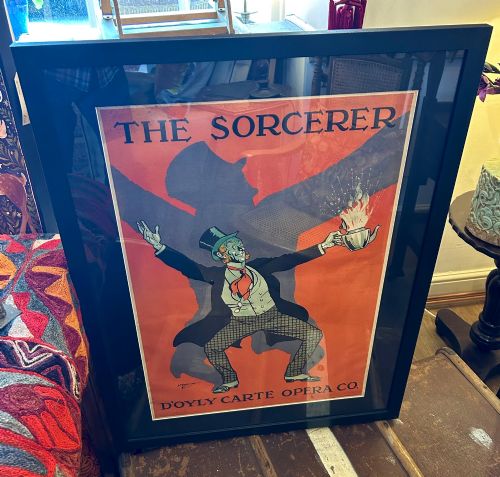
Posters for opera companies and theatrical productions were typically pasted to hoardings before ending up in private collections.
How do I date these pieces?
Dating relies on stylistic markers such as Art Deco geometric lines or Victorian portrait conventions, alongside artist signatures and publisher imprints. Materials like early twentieth-century paper and mid-century pastel board also help establish the era.
Historical records of depicted actors or specific stage productions provide exact chronological anchors.