




Vintage Terrier Art
Vintage terrier art captures the spirited character of working dogs through traditional oils, watercolours, and metalwork.
Vintage Terrier Art
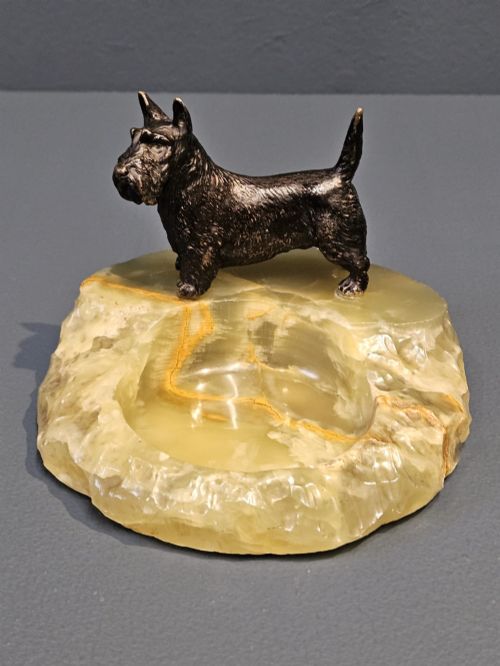
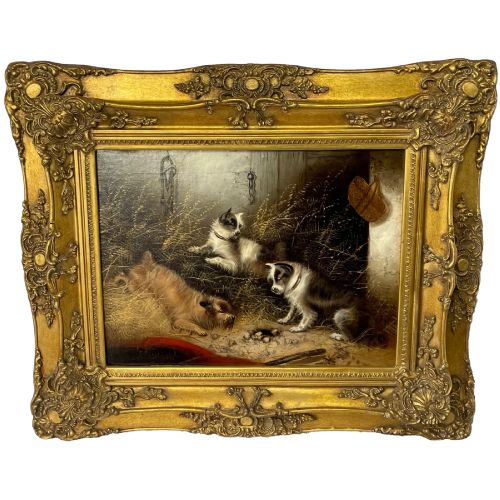
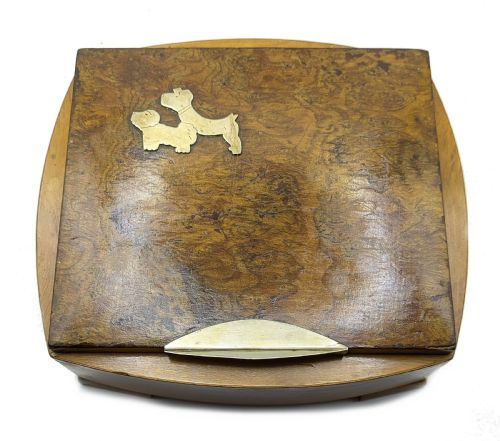
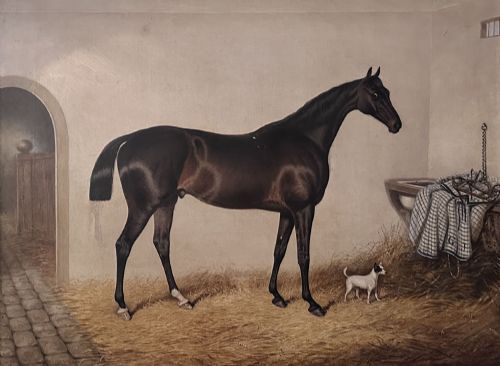
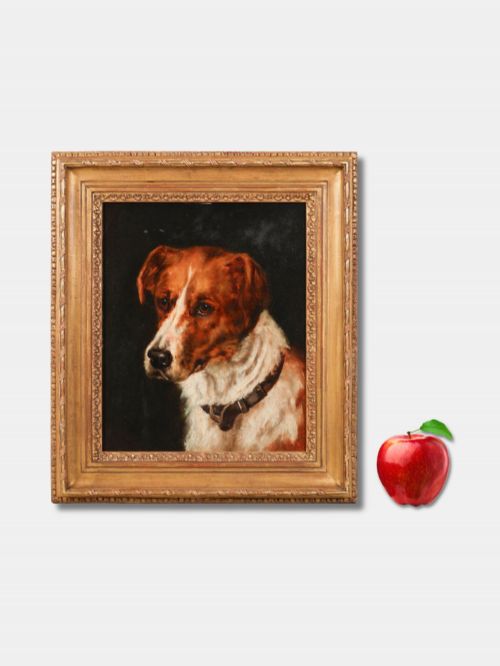
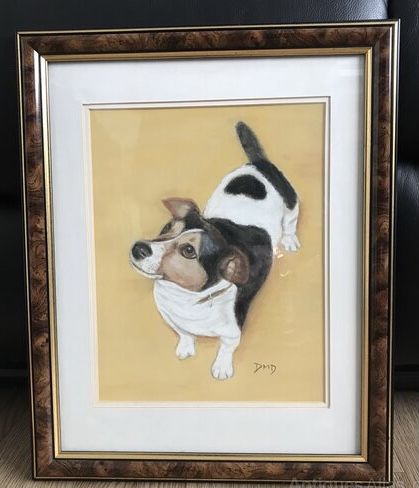
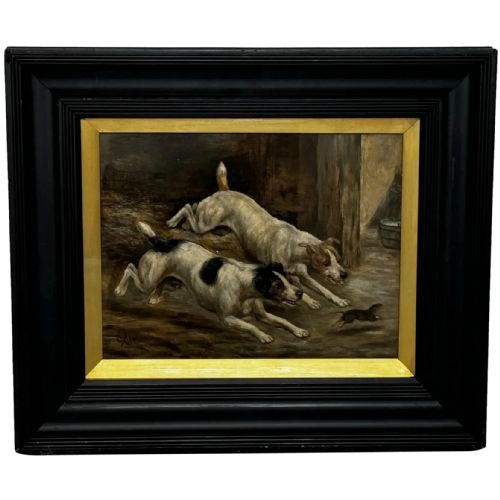
Vintage terrier art encompasses painted portraits, etchings, and functional desk accessories that depict breeds such as Jack Russells, Scottish terriers, and Cairns. These works range from formal nineteenth century oil paintings on canvas to twentieth century watercolours and novelty items.
Buyers encounter a mixture of traditional sporting art and decorative domestic pieces produced across the Victorian, Edwardian, and Art Deco eras. The selection balances detailed studies of working dogs on farms with charming depictions of pet terriers in domestic settings.
Materials and construction
Artists relied primarily on oil paint applied to canvas or wood panels, alongside pastel, watercolour, and ink on paper. Printmakers utilised etching techniques on paper to produce detailed monochrome canine scenes.
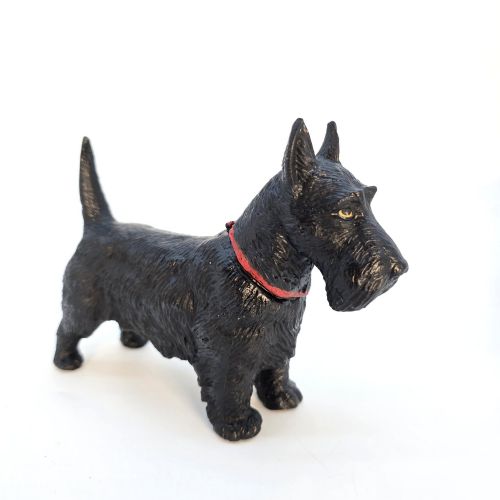
Metal objects such as table lighters, desk tidies, and bookends employ cast metal, brass, and cold painted bronze. Frames are frequently fashioned from giltwood or timber to complement the artwork.
Vintage Terrier Art Retail Price Guide 2026
Typical asking prices for vintage terrier art among the pieces listed under this phrase on Sellingantiques today, from the lower quarter to the upper quarter. They describe what is for sale here now, not the wider market.
Object types span fine art paintings, etchings, bookends, table lighters, and decorative desk accessories.
Evaluating quality and execution
Quality rests in the anatomical accuracy of the dog, the expressiveness of the brushwork, and the fidelity of the canine portrait. Superior pieces capture the distinct alertness and texture of a terrier coat through confident handling of the medium.
In sculptural objects and desk accessories, quality is evident in the crispness of the metal casting and the preservation of original hand painted surfaces. Finer works display deliberate composition rather than generic mass production.
Edward Armfield·Herbert Dicksee·John Emms·Mabel Gear·Samuel Fulton
The Vintage Terrier Art Glossary
- Etching
- A printmaking process where lines are bitten into a metal plate with acid before being inked and pressed onto paper. This technique allows for fine, intricate lines suitable for detailed animal fur.
- Cold painted bronze
- A method where bronze figures are painted with cold paint rather than fired in a kiln. This finish is characteristic of decorative nineteenth and twentieth century animal sculptures.
- Oil on canvas
- Pigments bound in a drying oil applied to a woven fabric stretched across a frame. It remains a primary medium for historical animal portraits.
- Sporting art
- Artwork depicting field sports, hunting dogs, and livestock. This genre places emphasis on the correct conformation and working ability of the animals portrayed.
Vintage Terrier Art: Frequently Asked Questions
What periods do these pieces date from?
The selection spans from the Victorian era through the Edwardian period into the mid twentieth century. Pieces range from nineteenth century oil paintings to Art Deco metal accessories.
Specific decades represented include the eighteen sixties, nineteen twenties, and nineteen thirties. Each period brings distinct artistic styles and materials to the depiction of terriers.
How were terrier paintings originally displayed?
Paintings of dogs were traditionally hung in country houses, studies, and drawing rooms alongside sporting and landscape art. Giltwood frames elevated the status of the canine portrait within domestic interiors.
Smaller works on paper and framed etchings often decorated hallways or personal chambers. They reflected the owner's affection for specific working or companion breeds.
How do I care for oil paintings and paper prints?
Oil paintings require stable indoor humidity and protection from direct sunlight to prevent the canvas from sagging and the pigments from fading. Dusting should be done gently with a dry, soft brush.
Works on paper and watercolours under glass must be kept away from damp environments and direct heat sources. Archival framing helps protect delicate watercolours and etchings from environmental degradation.