









Vintage Tekke Rug
When you search for a vintage tekke rug, you are exploring the structured tribal weaving traditions of Central Asia.
Vintage Tekke Rug
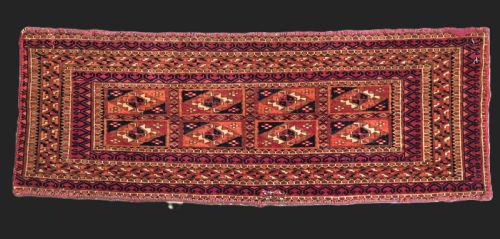
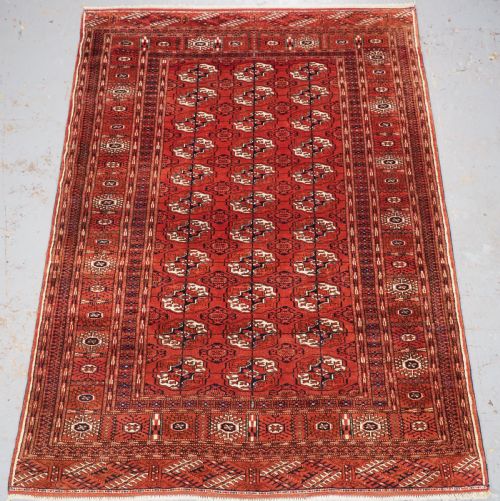
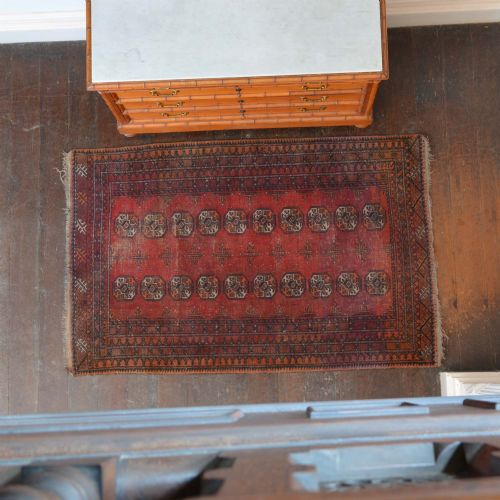
A vintage tekke rug represents the traditional weaving output of the Turkmen tribes from Central Asia. These textiles encompass floor carpets, runners, tent bands, and dowry storage bags such as chuvals and torbas.
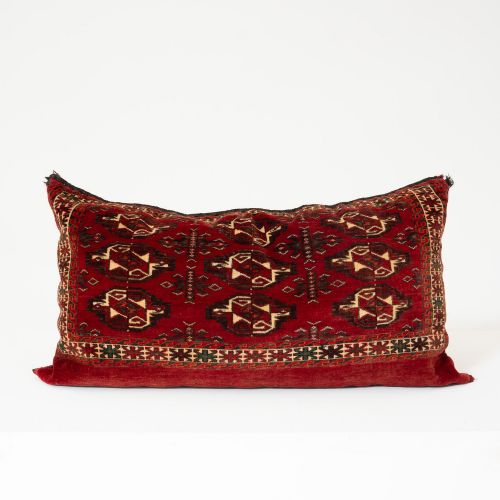
The most common formats encountered on this page date from the nineteenth and early twentieth centuries. Pieces range from complete main carpets down to smaller cushion faces and wall hangings.
How they were made
Weavers constructed these pieces using wool, cotton, and occasional silk highlights. Natural fibres formed the foundation and pile of the rugs and bags.
The construction relies on dense knotting techniques designed to produce hard-wearing textiles for nomadic and domestic life. Plain weave backs and hanging loops frequently accompany the pile faces.
Vintage Tekke Rug Retail Price Guide 2026
Typical asking prices for vintage tekke rug among the pieces listed under this phrase on Sellingantiques today, from the lower quarter to the upper quarter. They describe what is for sale here now, not the wider market.
Listings span periods from the mid-nineteenth century through to the early twentieth century, utilising wool, cotton, and silk.
What varies in quality
Quality in these textiles depends on the density of the weave and the precision of the tribal motifs. Finer weaves and well-preserved structural integrity distinguish the upper tier of pieces.
The depth of colour and the presence of secondary materials like silk highlights also influence the character of an individual rug or storage bag.
The Vintage Tekke Rug Glossary
- Gul
- The primary octagonal medallion motif repeated across Turkmen carpets and bag faces. This geometric emblem forms the core of the traditional design vocabulary.
- Chuval
- A large tent storage bag used by nomadic families. These pieces often survive as flat bag faces complete with rows of guls.
- Torba
- A smaller storage bag compared to the chuval, traditionally hung inside the yurt. They frequently feature detailed border work and specialised gül arrangements.
- Engsi
- A specialised rug hung over the doorway of a yurt. They display a characteristic quartered design layout.
- Mafrash
- A rectangular storage container or mattress bag used in nomadic transport. The faces appear frequently as individual collector fragments.
Vintage Tekke Rug: Frequently Asked Questions
What is a tekke rug?
A tekke rug is a woven textile produced by the Tekke tribe of Turkmen people in Central Asia. These pieces are identified by their repeating geometric gul motifs and disciplined tribal layouts.
They were traditionally utilised for domestic flooring, tent decoration, and household storage within nomadic communities.
How were these rugs used?
Nomadic families used these textiles as floor coverings, wedding dowry items, and functional storage bags inside tents. Large main carpets lined the yurt floor, while smaller bags stored blankets and clothing.
Doorway hangings and tent bands served both structural and decorative purposes in daily tribal life.
How do I live with a tribal rug?
Living with these textiles involves placing them in low-traffic areas or mounting them on walls to preserve the pile. Using a quality underlay helps prevent slipping and reduces physical wear on old foundations.
Keep them away from direct sunlight to protect the natural dyes used in the wool.
How can I tell the age of a piece?
Age is typically assessed by examining the materials, structural wear, and dye characteristics. Nineteenth-century examples often display softer wool and subtle variations in natural colour.
Later pieces from the early twentieth century frequently show different structural densities and chemical dye introductions.