


Vintage Teapot
A vintage teapot brings centuries of social ritual to the table, offering warmth and utility through enduring forms crafted from silver plate, copper, brass, and porcelain.
Vintage Teapot
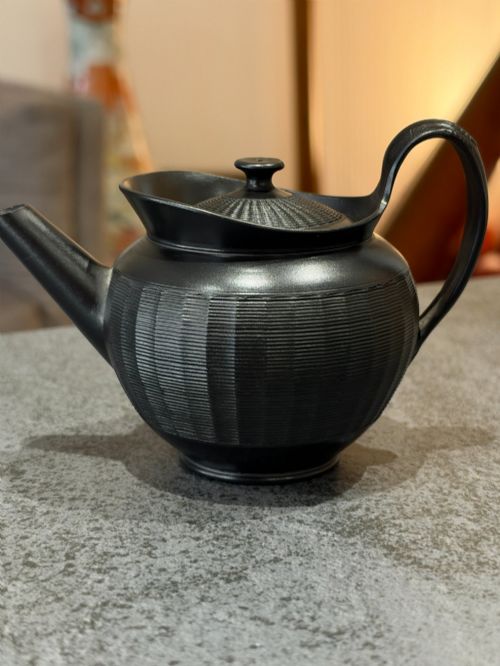
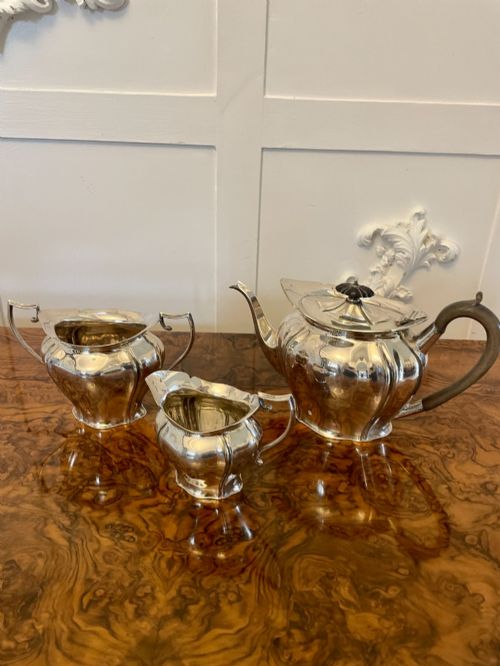
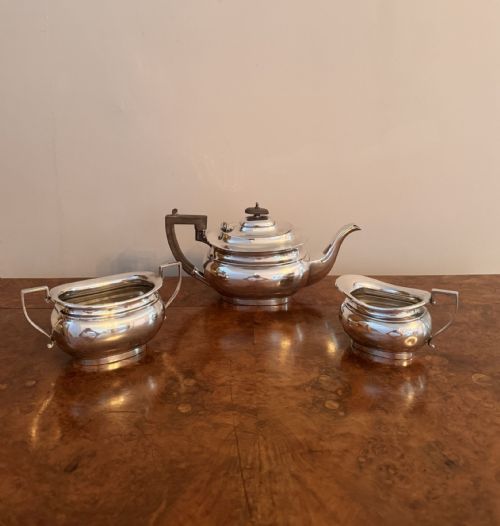
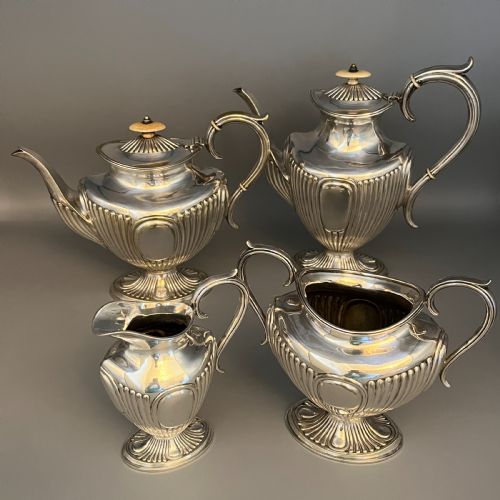
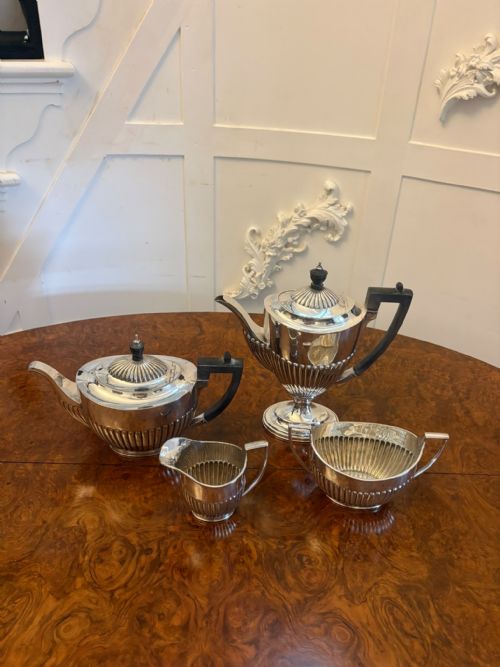
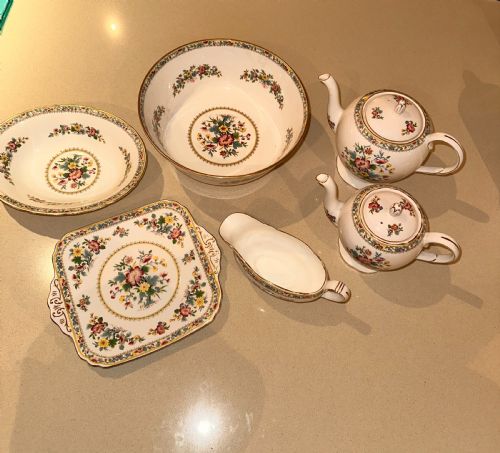
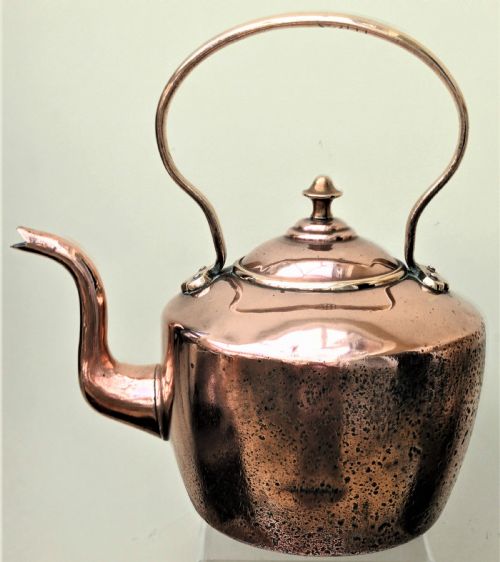
When searching for a vintage teapot, collectors encounter a diverse array of vessels spanning the eighteenth, nineteenth, and twentieth centuries. These pieces range from simple copper kettles and ceramic tea services to elaborate silver-plated sets originating from the Georgian, Victorian, and Edwardian eras.
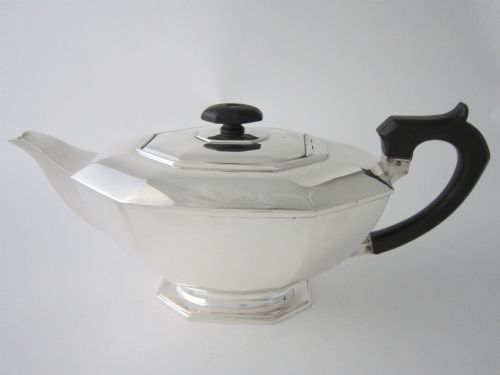
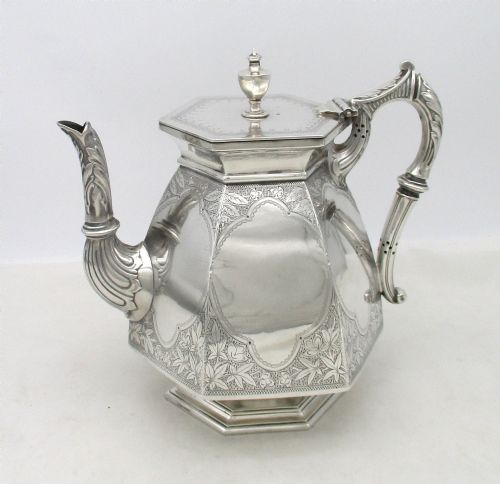
The most common examples on this page are Edwardian and Victorian silver-plated teapots and sets, alongside copper kettles and porcelain wares. Pieces cross various styles such as Aesthetic Movement, Art Deco, and Meiji Period designs, reflecting global tastes in tea consumption.
Forms include standalone pots, kettles with burners on stands, and multi-piece tea and coffee services. Origins stretch from English potteries to Japanese workshops and Chinese export studios.
How they were made
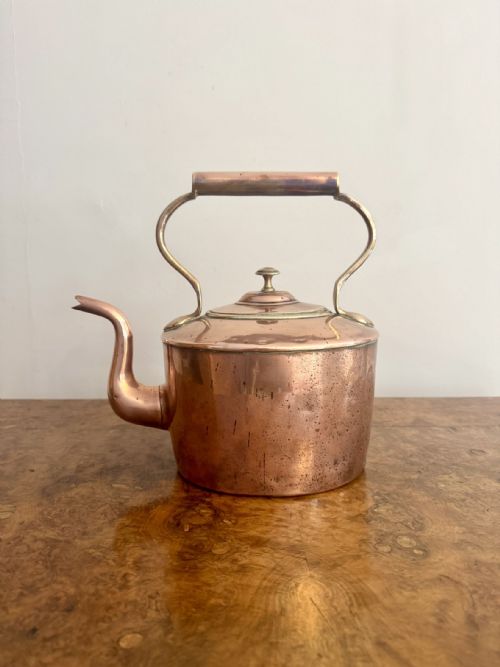
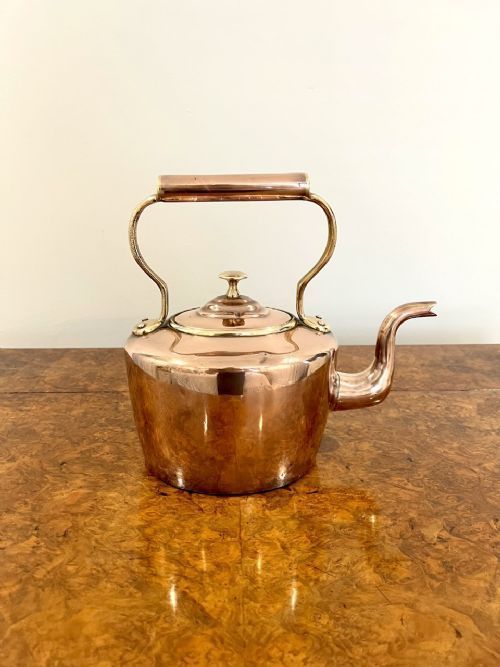
Metals such as copper, brass, pewter, and sterling silver are shaped through hammering, casting, and silver-plating techniques. Many metal kettles and teapots feature ebonised wood handles and applied details.
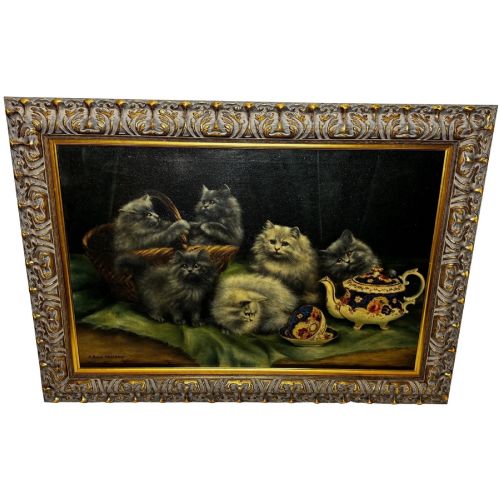
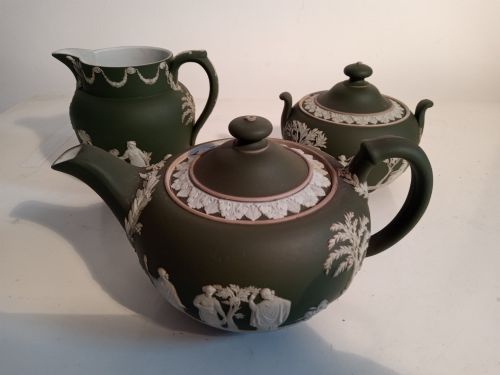
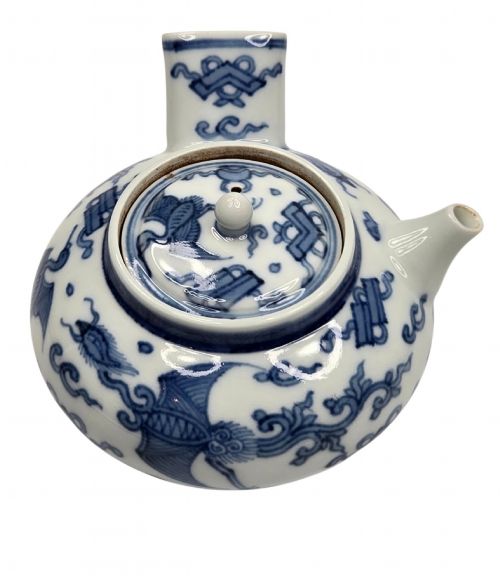
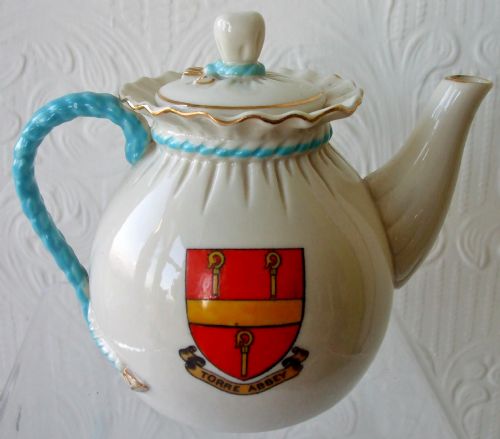
Ceramic and porcelain pieces utilise hand-painted glazes, agateware bodies, and specialist techniques seen in Wedgwood, Old Paris, and Japanese Sometsuke ceramics. Wicker cases and woven handles occasionally accompany specialised oriental vessels.
Vintage Teapot Retail Price Guide 2026
Typical asking prices for vintage teapot among the pieces listed under this phrase on Sellingantiques today, from the lower quarter to the upper quarter. They describe what is for sale here now, not the wider market.
Materials range widely across these listings, encompassing sterling silver, silver plate, copper, brass, pewter, and fine porcelain.
What varies in quality
The standard of a vintage teapot rests on the crispness of its casting, the weight and gauge of its metal, and the precision of its hand-painted ceramic decoration. Makers known for high production standards impart superior balance to handles and spouts.
Completeness dictates standing within matched sets, where multi-piece services retain their original trays, sugar bowls, and cream jugs. The integrity of silver plating and the preservation of original surface patinas also differentiate standard production from superior examples.
Joseph Rodgers & Sons·Walker and Hall·Armada Pewter·W.H. Goss·Kibundo
The Vintage Teapot Glossary
- Silver Plate
- A thin layer of silver fused to a base metal such as copper or brass. This technique allowed makers to produce durable tableware that possessed the appearance of solid silver at a lower cost.
- Agateware
- Pottery made from blended clays of different colours to produce a marbled grain pattern resembling natural stone. It gained popularity on decorative vessels during the nineteenth and early twentieth centuries.
- Tetsubin
- A traditional Japanese cast iron kettle used for boiling water. These vessels often feature detailed exterior textures and handle designs from makers in regions like Kyoto.
- Famille Rose
- A palette of Chinese porcelain enamel colours dominated by opaque pink or rose. Originating in the eighteenth century, this style decorated export teapots with floral and figural scenes.
- Aesthetic Movement
- A late nineteenth-century design style emphasising decorative arts for their own beauty. Pieces from this movement often display stylized natural motifs and disciplined forms.
Vintage Teapot: Frequently Asked Questions
How do I date a silver plated teapot?
Dating relies on maker marks, style traits, and manufacturing methods recorded on the base or body. Victorian and Edwardian examples often display specific registry numbers or maker stamps that link directly to production years.
Examining the handle insulation rings, hinge construction, and weight helps narrow the period between nineteenth-century styles and later twentieth-century iterations.
Are copper kettles safe to use?
Most antique copper kettles were lined with tin to prevent the copper from reacting with water and food. Inspecting this internal lining determines whether a kettle remains suitable for boiling water.
Many collectors utilise these pieces purely for display or decorative hearth settings rather than daily kitchen service.
What is the difference between a teapot and a kettle?
A kettle is designed specifically for boiling water on a heat source and often includes a fixed handle over the top. A teapot is built solely for steeping loose leaves and serving brewed tea, featuring a side handle and a lid.
Spirit kettles sit on dedicated metal stands with burners beneath to keep water hot throughout a prolonged tea service.
How do I care for antique ceramic teapots?
Hand washing in warm water with mild soap protects delicate glazes and hand-painted enamel details. A soft cloth prevents scratching on fragile surfaces like old porcelain or delicate earthenware.
Harsh dishwashers and abrasive cleaning pads strip away historic patinas and weaken centuries-old ceramic bodies.