



Vintage Tea Table Console
A vintage tea table console brings versatile folding surfaces and rich timber character into modern rooms.
Vintage Tea Table Console
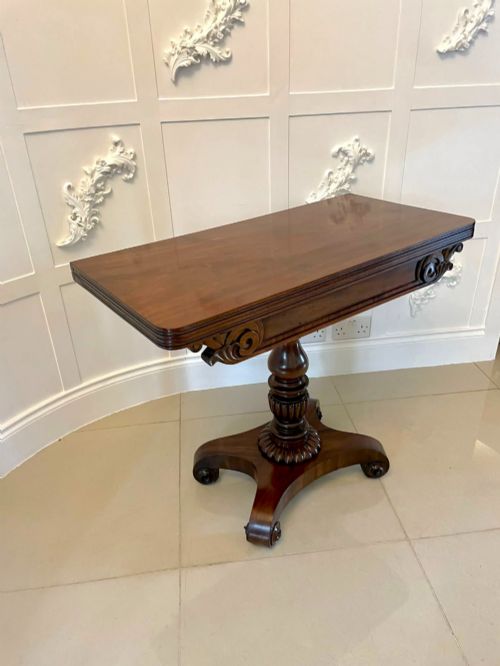
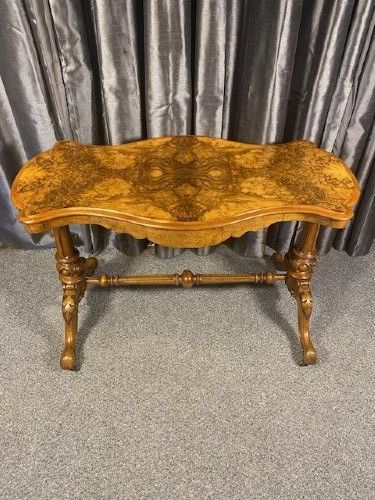
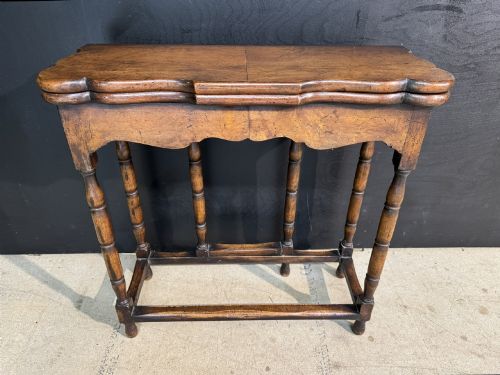
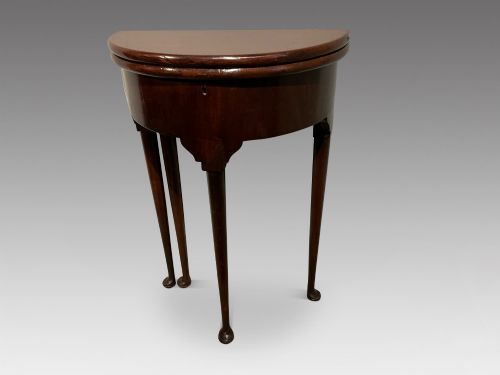
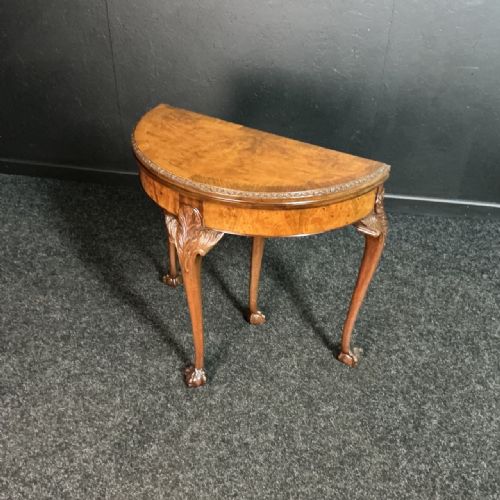
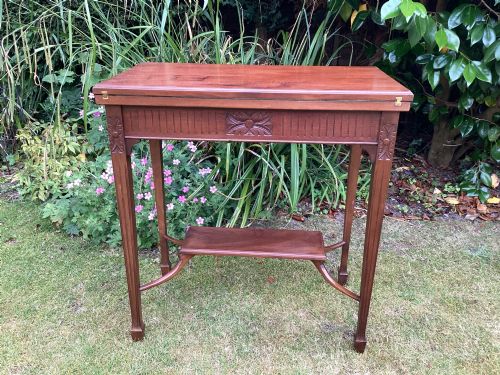
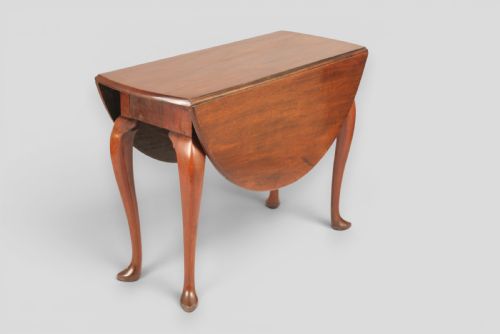
A vintage tea table console bridges several related forms, encompassing folding card tables, games tables, and demi-lune occasional surfaces. When exploring this selection, buyers encounter pieces spanning the eighteenth century through to the nineteen-twenties, reflecting changing domestic habits across multiple design periods.
Mahogany and walnut dominate the offerings, appearing in both solid timbers and figured veneers across Georgian, Victorian, and Edwardian periods. Many pieces incorporate clever dual-action mechanisms, allowing a compact side table to unfold into a larger surface for tea or card games.
Materials and construction
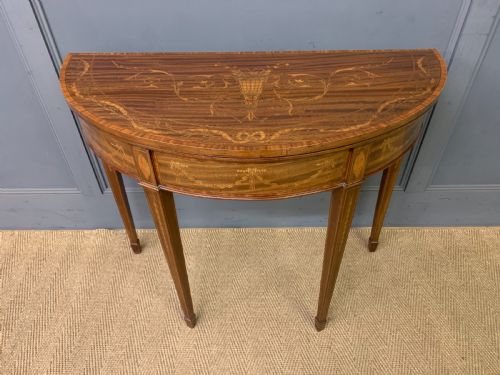
Cabinetmakers utilised dense hardwoods like mahogany and walnut, frequently selecting burr veneers and satinwood for decorative contrast on tabletops. Boxwood stringing and delicate inlay work often edge the folding leaves, showing precise hand-joinery across the friezes and legs.
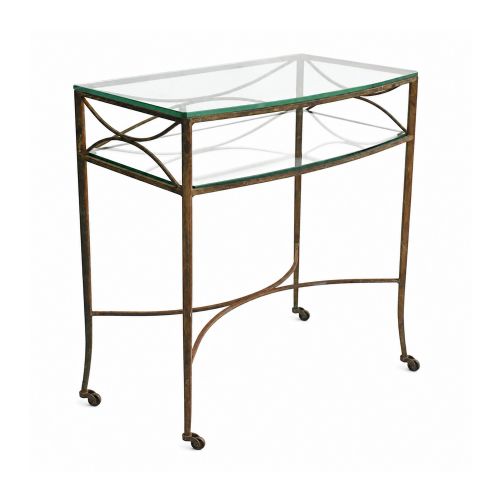
Internal gate-leg actions, swivel tops, and folding mechanisms required robust carpentry to support the weight of the hinged leaves safely. Brass hinges and cast-iron components appear on specific folding variants, ensuring smooth daily transformation between console and table.
Several tables hide secret compartments beneath their folding tops once used for storing small coins and gaming markers.
Markers of distinction
The degree of refinement in the timber figure and the crispness of carved details dictate the standing of individual tables. Tables displaying highly figured burr walnut or intricate satinwood inlay set themselves apart from plainer, utilitarian examples.
The integrity of the folding mechanism and the alignment of the top when closed reveal the skill of the original workshop. Superior examples retain their original hinges, smooth-running actions, and balanced proportions when fully extended.
Epstein and Co
The Vintage Tea Table Console Glossary
- Demi-lune
- A half-moon shaped table designed to sit flat against a wall as a console before pulling out or folding open.
- Sutherland table
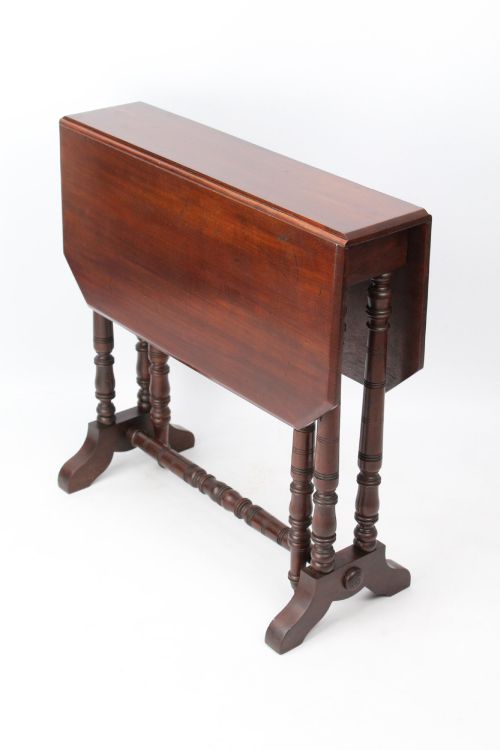
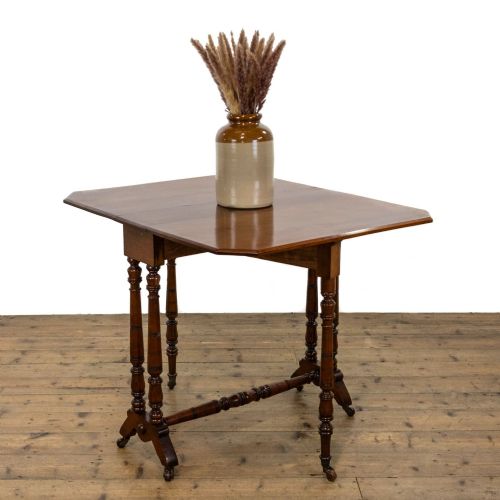
- A narrow drop-leaf table with exceptionally slim drop leaves supported by swinging gate-legs.
- Card table
- A specialised folding table, frequently lined with baize, designed for evening gaming.
- Inlay
- A decorative technique where contrasting woods like satinwood or boxwood are set into the primary timber surface.
- Frieze
- The horizontal band running directly beneath the tabletop, sometimes ornamented with drawers or carved edging.
Vintage Tea Table Console: Frequently Asked Questions
How were tea table consoles used historically?
These tables served a dual purpose in period homes, functioning as decorative console tables against a wall when folded.
When guests arrived, the hinged top opened to provide a stable surface for serving tea or setting out cards.
What is a demi-lune table?
A demi-lune is a half-circle table that fits neatly flush against a wall to save space in smaller rooms.
Many examples feature a folding flap that doubles the surface area when pulled away from the wall.
How do I date a mahogany card table?
Dating relies on observing the leg style, timber selection, and construction methods used in the frieze and hinges.
Georgian pieces often display straight or cabriole legs, while Edwardian revivals employ lighter satinwood inlay and softer polished finishes.
Can these tables fit in modern hallways?
Their narrow closed profiles make them ideal console surfaces for narrow entryways and corridors.
They offer a compact landing space for daily items without blocking household traffic.