


Vintage Tea Storage
Vintage tea storage comprises timber caddies and silver canisters that preserve loose leaf blends with period grace.
Vintage Tea Storage
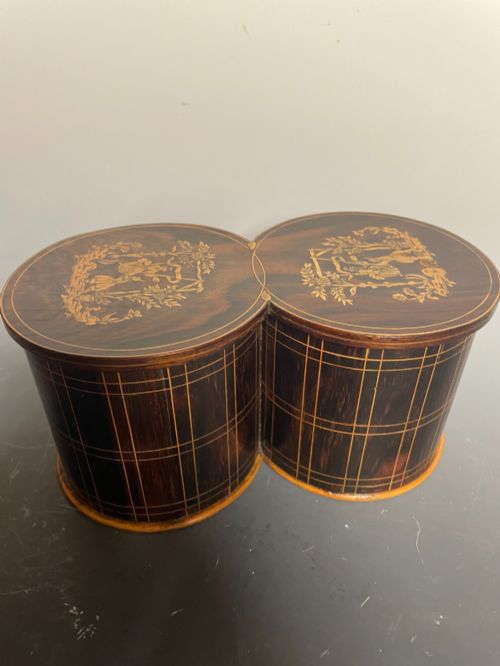
Vintage tea storage primarily takes the form of caddies, canisters, and decorative boxes designed to keep dried leaves dry and aromatic. The selection spans Georgian, Regency, and Edwardian periods, reflecting changing domestic habits around infusion.
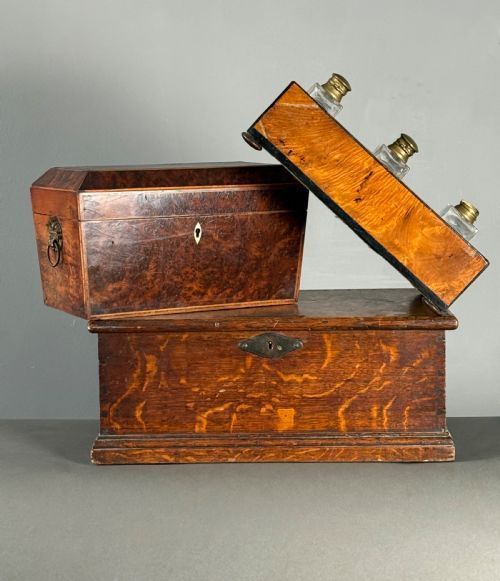
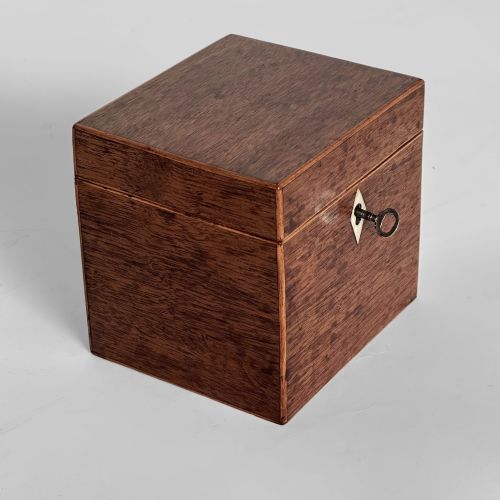
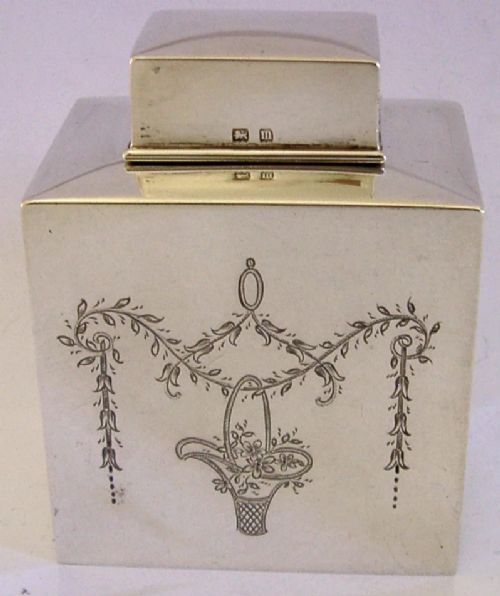
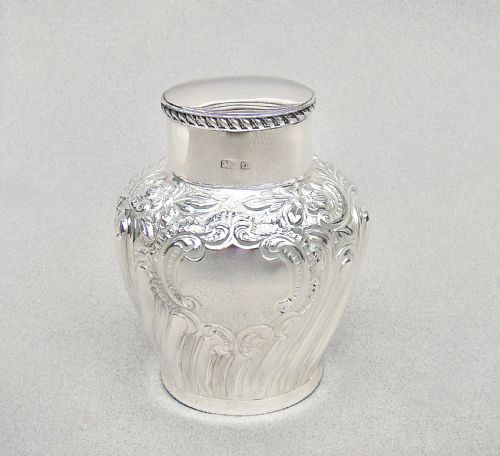
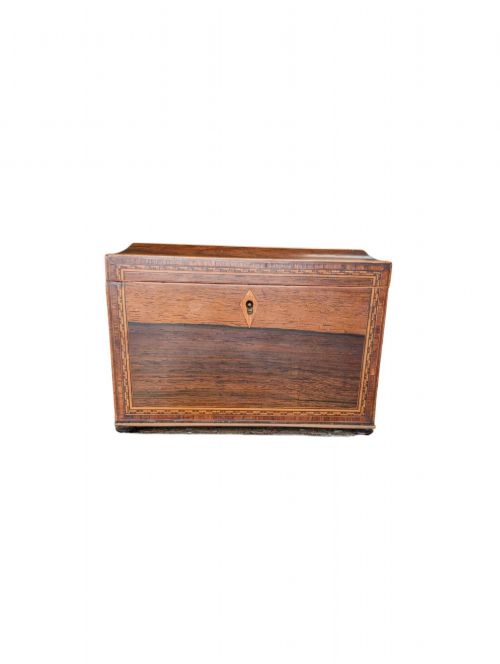
Wooden caddies in mahogany, rosewood, and satinwood dominate the listings, alongside solid sterling silver and silver-plated containers. Buyers encounter lidded boxes with compartment dividers as well as cylindrical canisters and toleware tins.
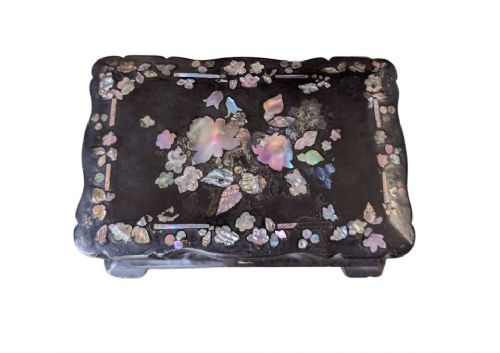
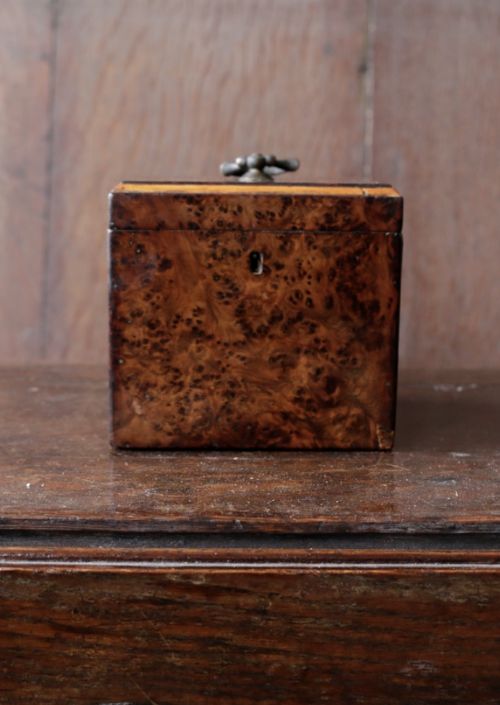
The most common examples are wooden tea caddies dating from the eighteenth and nineteenth centuries, often featuring inlaid bone, mother of pearl, or contrasting veneers. These items served households that bought tea in bulk and stored it securely under lock and key.
How they were made
Cabinetmakers constructed wooden caddies using dense timbers like mahogany, walnut, and rosewood, frequently applying decorative veneers such as burr yew, satinwood, and burr maple. Intricate surface detail relied on Tunbridge ware, brass stringing, and mother of pearl inlay set into the timber.
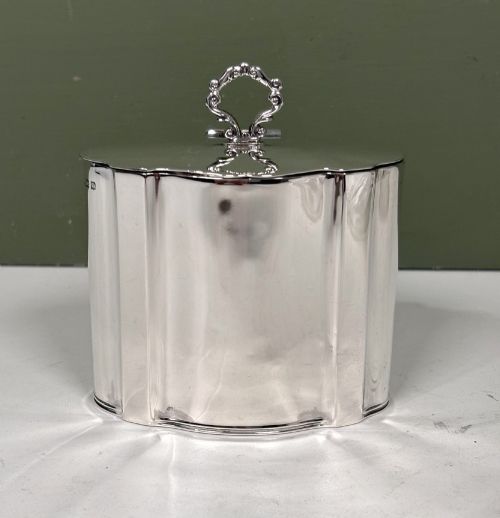
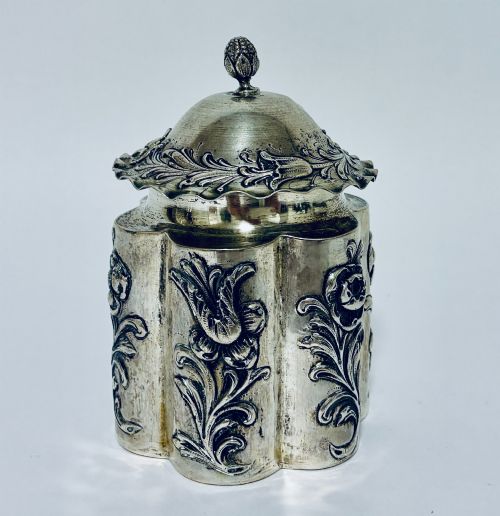
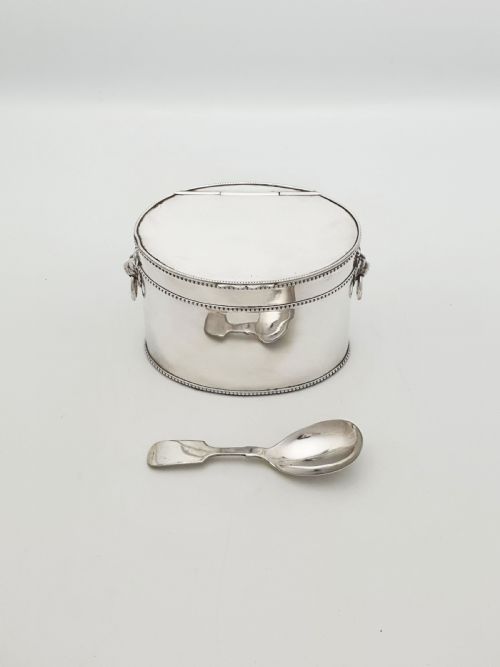
Silver and metal containers utilised sterling silver or silver plate, shaped through spinning, casting, or hammering, often bearing hallmarks from makers in Birmingham and London. Toleware canisters brought painted decoration onto metal surfaces, while papier mâché examples utilised layered paper pulp cured and varnished into rigid forms.
What varies in quality
Quality rests upon the choice of timber figure, the precision of the marquetry or stringing, and the integrity of internal fittings such as mixing bowls and foil linings. Master craftsmen selected highly figured burr veneers and executed delicate bone or mother of pearl inlay with exact alignment.
Metal vessels derive their standing from the crispness of chased decoration, the weight of the silver, and the clarity of maker marks. Well-preserved original locks, keys, and interior lids distinguish superior examples from those altered or stripped of their internal components over time.
Zimmermann·Thomas Hayes·Mappin & Webb·William Hutton·Ernest Druiff & Co
The Vintage Tea Storage Glossary
- Tea caddy
- A small box or jar designed for storing loose tea leaves. Early versions included lockable lids to protect expensive leaves.
- Toleware
- Enamelled and painted metalware popular for utilitarian containers. It brings colour and pattern to storage vessels.
- Marquetry
- Decorative veneer work forming geometric patterns or pictures on wooden surfaces. Craftsmen used contrasting woods to create visual depth.
- Tunbridge ware
- Wood mosaic work characterised by tiny mosaic tiles forming pictorial or geometric designs. It is characteristic of nineteenth-century Regency production.
- Sterling silver
- An alloy of silver containing ninety-two point five percent pure silver. It forms durable tea containers bearing official assay office hallmarks.
Vintage Tea Storage: Frequently Asked Questions
What were tea caddies used for?
Tea caddies served as secure containers for storing expensive loose leaf tea in the home. Because tea was a costly commodity, these boxes were often fitted with locks to prevent domestic pilfering.
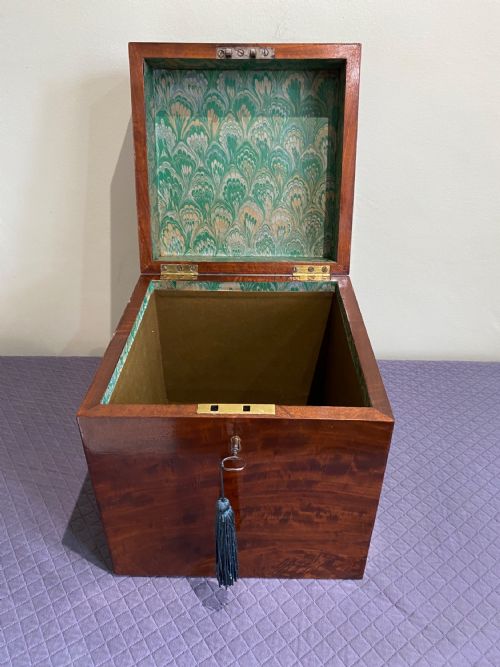
Inside, many caddies featured divided compartments to separate different varieties of black and green tea leaves. Some also contained glass or crystal mixing bowls where blends could be combined before brewing.
How do I date a wooden tea caddy?
Dating relies on examining the timber species, construction methods, and hardware styles. Georgian and Regency pieces frequently employ mahogany, satinwood, or rosewood with delicate stringing and brasses.
Interior layout and escutcheon design offer further clues. Early boxes often show hand-cut dovetails and secondary woods like pine or oak hidden beneath fine exterior veneers.
Are silver tea caddies marked?
Silver examples usually bear British hallmarks indicating the assay office, standard of metal, and year of manufacture. Makers stamp their sponsor marks directly onto the metal surface.
Unmarked metal items are typically silver-plated rather than solid sterling. These plated pieces often record the manufacturer name on the base.
How should I clean my antique tea caddy?
Wooden surfaces require gentle dusting and occasional application of appropriate wax to nourish the grain. Moisture and harsh chemical cleaners must be avoided to protect old finishes and veneers.
Silver canisters benefit from specialised non-abrasive polish applied sparingly to preserve engraved details and hallmarks. Original interior linings should be treated with care to maintain their historical fabric.