




Vintage Tea Accessories
Vintage tea accessories comprise the small silver implements, caddies, and vessels used for service, bringing period craftsmanship directly to the table.
Vintage Tea Accessories
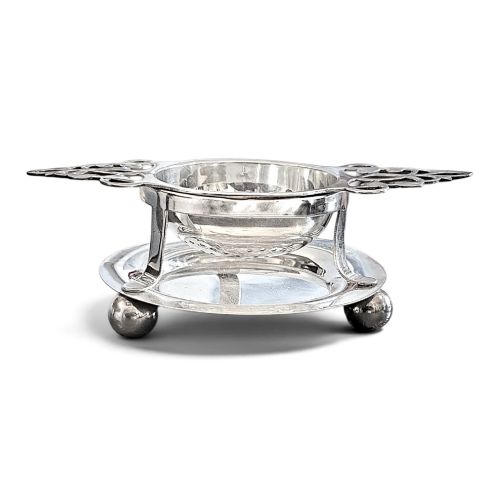
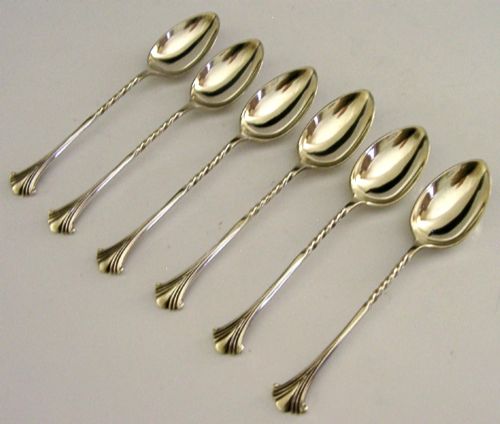
Vintage tea accessories span centuries of social ritual, encompassing caddy spoons, sugar tongs, strainers, and storage boxes. These implements reflect the changing habits of domestic life from the Georgian era through the Art Deco period.
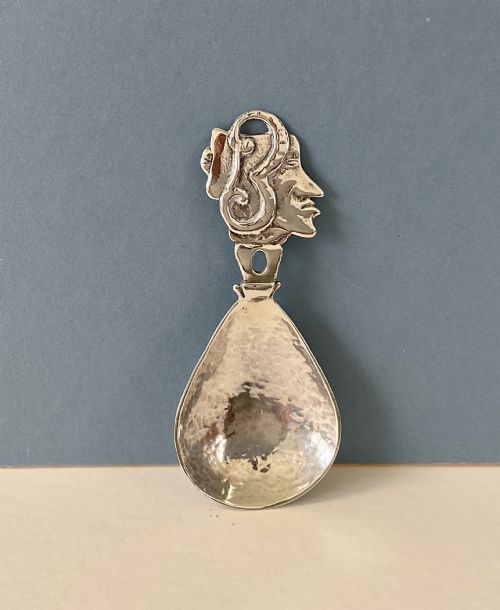
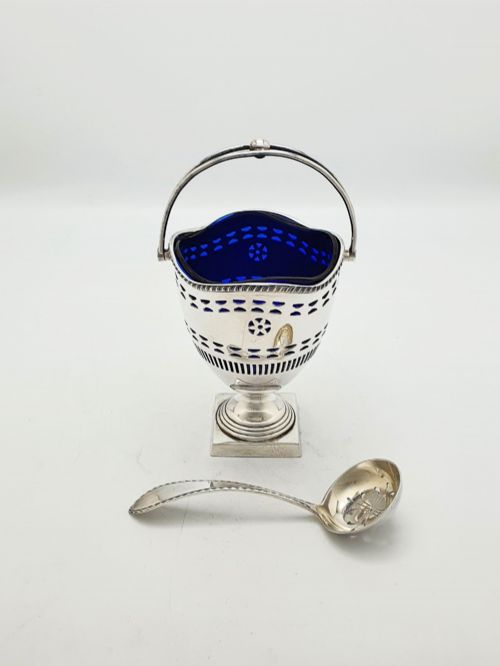
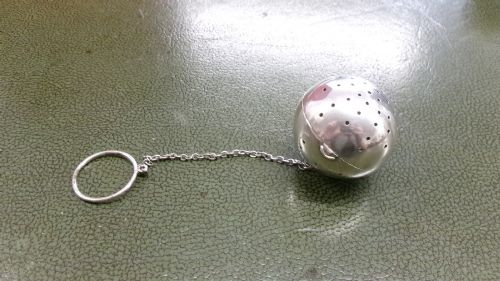
The objects take many forms, including mahogany tea caddies, brass kettles, silver infusers, and biscuit barrels fitted with cobalt glass liners. Caddy spoons and sugar nips appear frequently among these selections.
Origins stretch from English workshops to Danish studios, incorporating styles such as Arts and Crafts, Edwardian design, and Georgian revival. Each piece serves a specific function within the traditional tea service.
Materials and methods
Makers shaped sterling silver and silver plate through casting, piercing, and hammering, often adding decorative hallmarks. Copper and brass appear in larger vessels like kettles, utilising traditional sheet metal techniques and coopered construction.
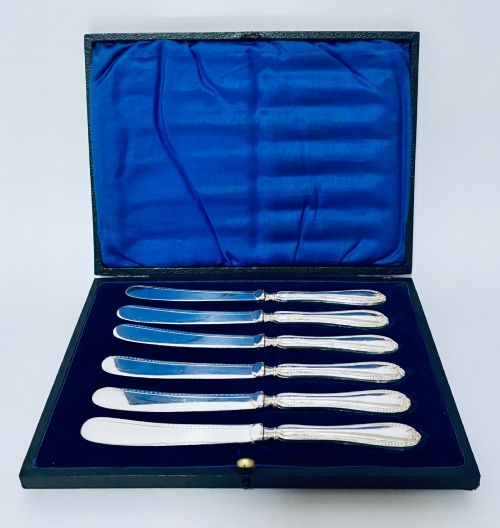
Woodworking skills define storage pieces, seen in mahogany tea caddies featuring inlaid details and brass banding. Specialised items incorporate contrasting elements like steel blades, mother of pearl handles, and cobalt glass liners.
Distinctions in quality
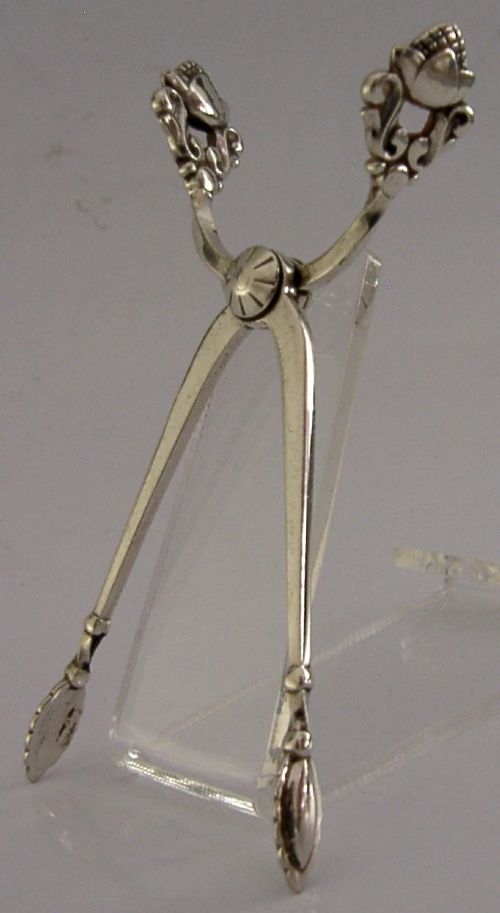
The calibre of execution shows in the crispness of cast details on sugar tongs and the weight of solid sterling silver boxes. Hand-engraved patterns and pierced work require precise manual skill that separates standard items from exceptional ones.
Maker attribution and London or provincial hallmarks provide clear markers of origin and standard. The preservation of original surface finishes and integrated glass liners also influences the standing of individual pieces.
Zimmermann·Bateman Family·Georg Jensen·Josiah Williams And Co·Mappin And Webb·Asprey
The Vintage Tea Accessories Glossary
- Caddy spoon
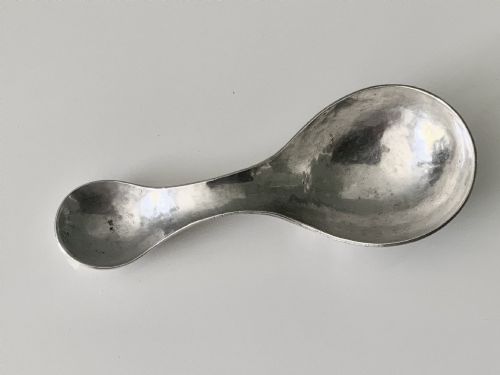
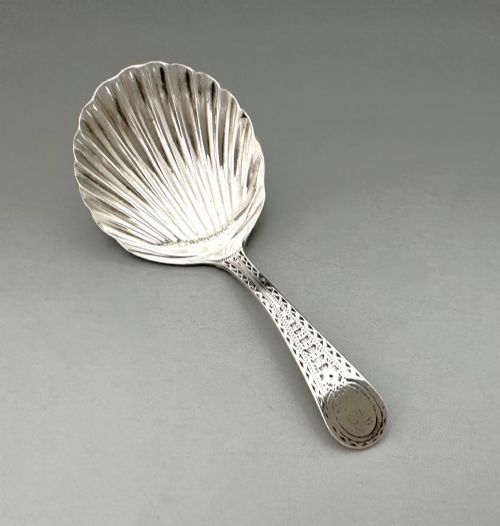
- A short-handled spoon specifically designed for measuring loose tea leaves from a caddy. They often feature figural bowls or pierced handles reflecting period styles.
- Sugar nips
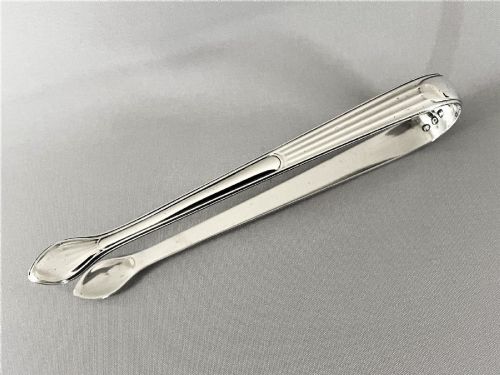
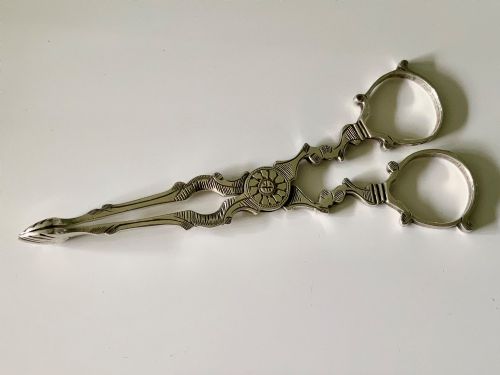
- Spring action tongs used for grasping sugar lumps during tea service. They frequently display ornate casting or delicate scissor mechanisms.
- Tea caddy
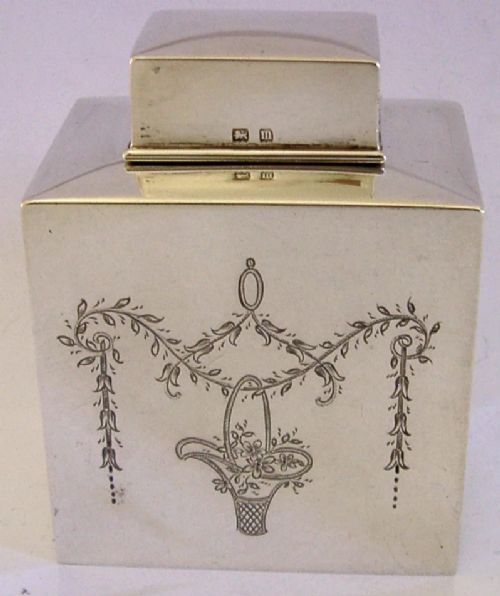
- A box or jar manufactured to store tea leaves securely away from light and air. Examples range from mahogany wood boxes to solid silver caddy boxes.
- Biscuit barrel
- A covered vessel designed to hold biscuits or small cakes on the tea table. They often combine silver plated mounts with cut glass bodies or ceramic inserts.
- Electroplated nickel silver
- A base metal alloy coated with a layer of pure silver through an electrical process. This technique offered an accessible alternative to solid silver during the nineteenth and twentieth centuries.
Vintage Tea Accessories: Frequently Asked Questions
How do I clean antique silver tea accessories?
Antique silver accessories require gentle washing with warm water and mild soap to remove daily residue. Soft cloths prevent scratching the delicate surfaces and chased details.
Harsh chemical dips strip the natural patination built up over decades. Proper storage in dry environments minimises the need for frequent polishing.
What is the difference between sugar tongs and sugar nips?
Sugar tongs usually feature a simple U-shaped spring mechanism formed from a single strip of metal. They pick up sugar lumps using plain or pierced grip ends.
Sugar nips often employ a scissor action or more complex pivoted joints. They originated earlier and provide a firm pinch for irregularly shaped sugar loaves.
How can I date an antique silver tea strainer?
Dating relies heavily upon the set of hallmarks stamped directly onto the metal. These small symbols indicate the assay office, the maker's mark, and a specific year letter.
Stylistic cues also help narrow the period, moving from geometric Art Deco forms back to ornate Victorian piercing or classical Georgian symmetry.
What was a biscuit barrel used for?
A biscuit barrel served as a lidded container placed on the drawing room table during afternoon tea. It kept sweet biscuits crisp and dry inside a protective enclosure.
Wealthier households utilised silver plated frames fitted with cut glass cylinders or ceramic bodies. They represent the formal hospitality customs of the Victorian and Edwardian eras.