


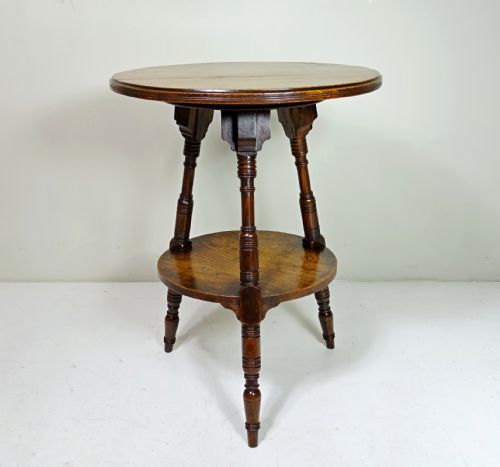


Vintage Tavern Side Table
A vintage tavern side table brings the robust utility of historical drinking houses directly into modern domestic spaces.
Vintage Tavern Side Table
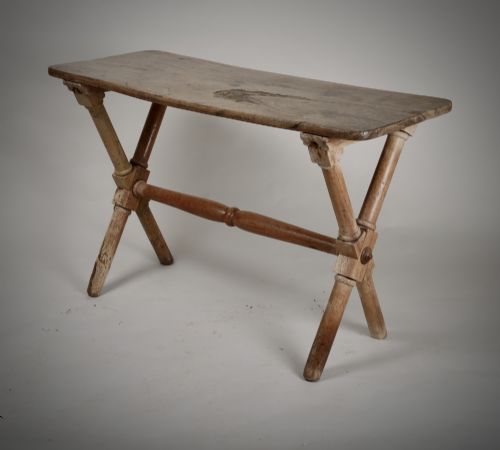
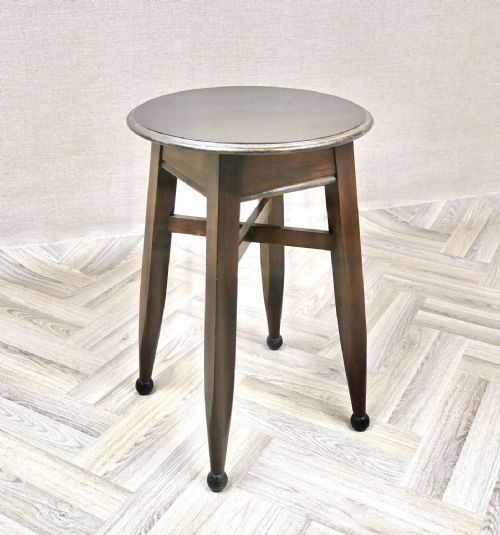
A vintage tavern side table represents the utilitarian furniture historically found in public houses, inns and rural domestic settings. Buyers searching for this phrase encounter sturdy side pieces, occasional tables and pub tables that date from the Victorian period through to the early twentieth century.
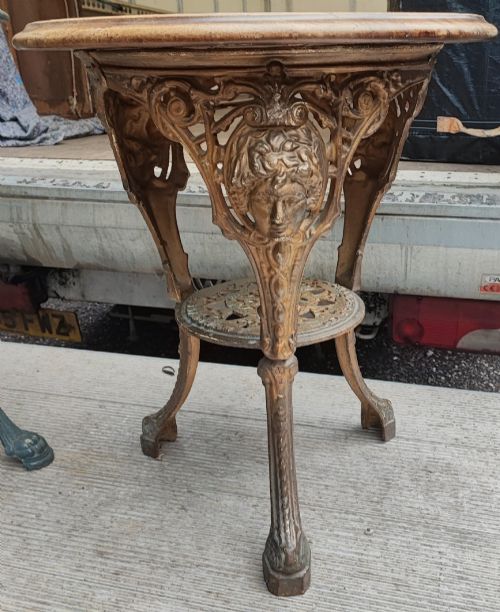
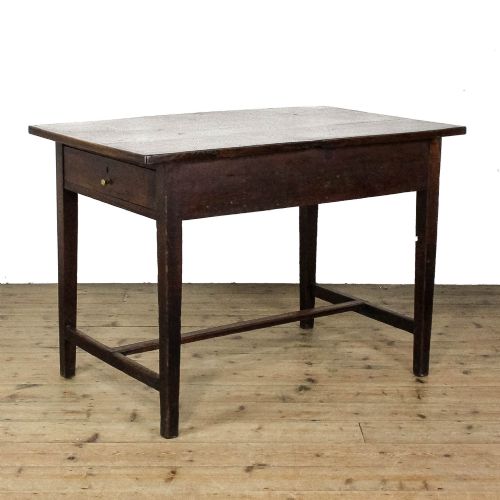
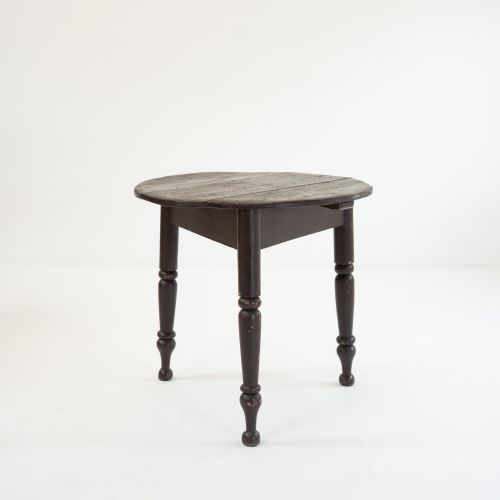
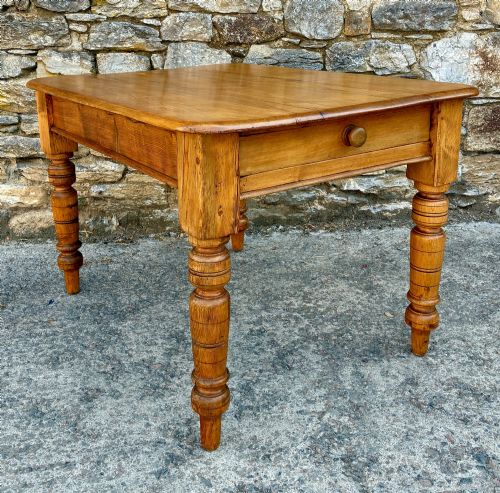
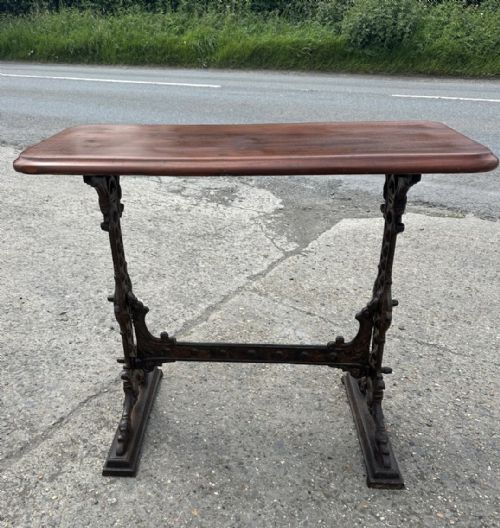
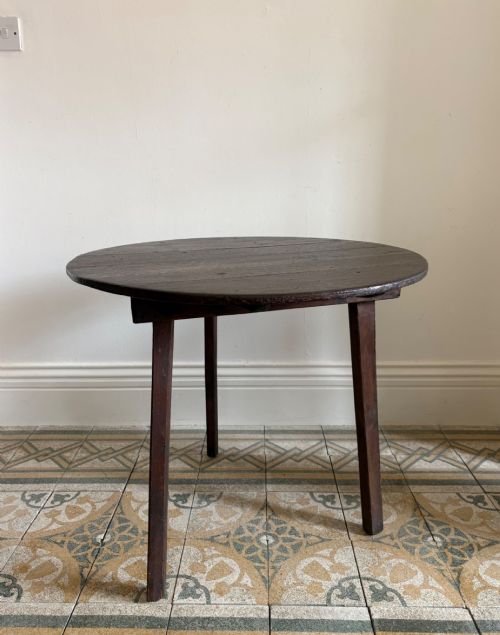
The selection on this page relies heavily on nineteenth-century examples, featuring robust forms such as cricket tables with three legs and heavy pub tables built for continuous daily use. Materials span from simple pine and elm to more finished mahogany tops paired with cast iron bases.
Originating from British vernacular and rustic farmhouse traditions, these tables offer compact proportions suited for smaller rooms or hallways. Their appeal lies in honest construction and clear signs of historical use rather than delicate ornamentation.
How they were made
Construction methods prioritize durability above all else, utilising thick oak, pine and elm plank tops joined securely to sturdy wooden frames or heavy cast iron supports. Many examples incorporate metal pedestal bases, notably the Britannia design, which provided stability and ballast in busy drinking establishments.
Carpenters and ironfounders employed straightforward joinery and robust casting techniques to ensure these tables withstood heavy wear in public spaces. Surfaces often bear the marks of historical paint or retain the aged grain of unadorned timber such as mahogany and stained hardwood.
Listings span the Victorian and Edwardian eras, utilising oak, pine, mahogany, elm and cast iron.
What varies in quality
Quality in a vintage tavern side table rests upon the integrity of the original materials and the degree of historical preservation. Tables retaining their initial timber tops paired with crisp, undamaged cast iron or turned wooden bases stand apart from heavily altered examples.
The character of the surface timber - whether it shows deep patination on an oak plank top or honest wear on a painted pine base - defines the aesthetic standing of each piece. Superior examples maintain structural firmness without losing the subtle irregularities of domestic handicraft.
The Vintage Tavern Side Table Glossary
- Cricket table
- A small traditional table featuring three splayed legs designed to stand steady on uneven cottage floors. This form usually incorporates a round wooden top above a triangular framework.
- Britannia metal
- A tin-based alloy frequently used for cast iron or metal pub table bases, offering strength and decorative detail. It became standard in nineteenth-century public house furniture.
- Plank top
- A tabletop constructed from wide boards joined edge to edge rather than veneered sheets. This method provides the heavy, solid surface typical of vernacular furniture.
- Vernacular furniture
- Objects made by local artisans to fulfill specific daily needs rather than following academic design rules. These pieces reflect regional materials and traditional building methods.
- Patina
- The surface sheen and colour developed through decades of handling, cleaning and exposure to light. It serves as a visual record of age and use.
Vintage Tavern Side Table: Frequently Asked Questions
Where were tavern tables used?
These tables served patrons in nineteenth-century public houses, inns and rural taverns where sturdy furniture was an absolute necessity.
They also found a place in farmhouse kitchens and modest domestic interiors for everyday tasks and dining.
How do I clean wooden tops?
Maintenance requires only a soft cloth and occasional applications of beeswax to nourish the dry timber.
Water and harsh modern chemical cleaners should be avoided to protect the historic surface finish.
Are cast iron bases original?
Many pub tables pair heavy metal pedestal bases with original timber tops dating from the Victorian era.
Foundries produced these cast iron supports in quantity to withstand the heavy traffic of commercial drinking establishments.
How do I date a table?
Dating relies on examining the construction marks, nail types, timber species and overall joinery style.
Nineteenth-century pieces often display hand-sawn board marks and traditional peg joinery rather than modern fasteners.