



Vintage Tansu Storage
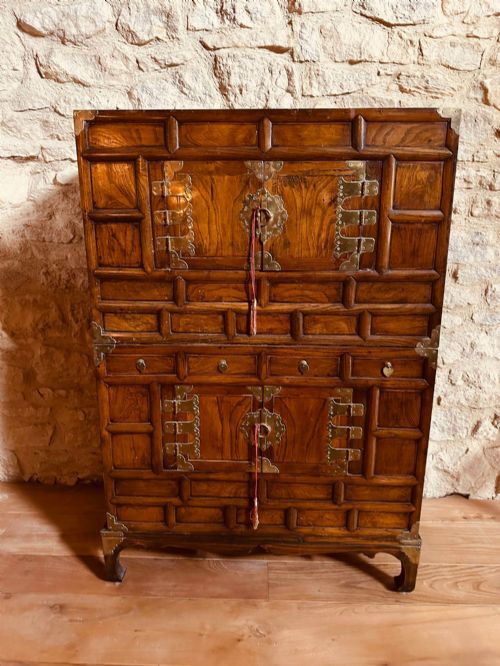
These vintage tansu storage chests are practical Japanese cabinetry built for everyday utility, offering robust timber construction and distinctive iron hardware.
Vintage Tansu Storage
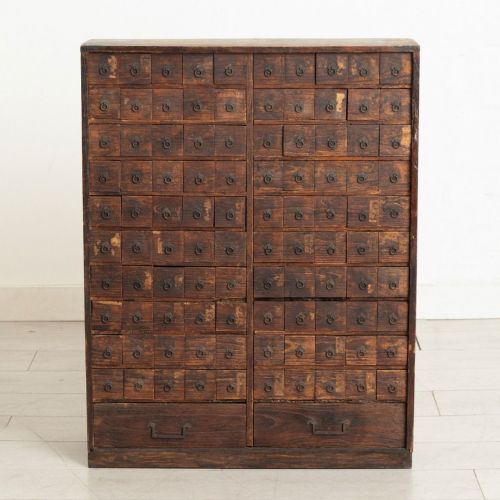
When you search for vintage tansu storage, you encounter traditional Japanese wooden chests built for domestic storage, merchant use, and specific trades. The selection spans the nineteenth century through to the early twentieth century, capturing Meiji, Taisho, and Edo stylistic influences.
You will most frequently meet chests of drawers, apothecary cabinets, and specialised forms like wheeled kuruma-dansu or kitchen mizuya chests. These pieces originate from Japan and combine structural timber frames with striking metal mountings.
The forms range from compact merchant chests designed for portability to large multi-section storage units. Each variant reflects the specific domestic or commercial requirements of its period of origin.
How vintage tansu storage pieces were made
Cabinetmakers constructed these chests using domestic timbers including elm, cedar, cypress, paulownia wood, and keyaki. Wood selection depended on the intended function, balancing structural strength with weight management for transport.
The timber frames incorporate heavy iron and wrought iron hardware, including corner brackets, strap hinges, and elaborate locking plates. These metal fittings reinforced the joints while providing security for the contents.
Vintage Tansu Storage Retail Price Guide 2026
Typical asking prices for vintage tansu storage among the pieces listed under this phrase on Sellingantiques today, from the lower quarter to the upper quarter. They describe what is for sale here now, not the wider market.
Current listings feature nineteenth-century and early twentieth-century examples utilising elm, cedar, cypress, and wrought iron.
What varies in quality
Quality rests in the selection of timbers like keyaki or elm and the complexity of the internal drawer configuration. Finer examples display meticulous joinery that accommodates seasonal timber movement without compromising the structure.
The execution and substance of the wrought iron hardware distinguish regional workshops and higher tiers of production. Heavier, more intricate metalwork combined with polished lacquered finishes indicates greater craftsmanship.
The Vintage Tansu Storage Glossary
- Tansu
- Traditional Japanese mobile cabinetry used for storage, varying by region and purpose. These chests evolved from utilitarian containers into sophisticated domestic furniture.
- Kuruma-Dansu
- A wheeled Japanese chest designed for rapid evacuation during fires. The heavy wooden wheels allowed merchants to roll the storage unit safely away.
- Mizuya
- A Japanese kitchen tansu utilised for storing food, utensils, and culinary equipment. These pieces often feature sliding panels and multiple small drawers.
- Keyaki
- Japanese zelkova wood prized for its dense grain and durability in traditional cabinetmaking. It frequently appears on the facades of high-status merchant chests.
- Meiji Period
- The era of Japanese history lasting from eighteen sixty-eight to nineteen twelve, characterised by distinct craft traditions. Pieces from this time display refined regional woodworking methods.
Vintage Tansu Storage: Frequently Asked Questions
What is a tansu chest?
A tansu is a traditional Japanese mobile storage cabinet built from timber and reinforced with iron hardware. These pieces served various domestic and commercial functions across different regions.
Craftsmen designed them to house clothing, documents, or trade goods, combining functional utility with robust construction.
How do I date a tansu?
Dating involves examining the wood species, the style of the iron hardware, and the construction methods used in the frame. Nineteenth-century examples often display hand-forged ironwork and traditional timber preparations.
Later pieces from the Taisho period incorporate early twentieth-century manufacturing shifts while maintaining traditional Japanese forms.
Where were tansu used?
These storage units originated in Japan within merchant shops, rural farmhouses, and urban merchant dwellings. Specific variants served specialised roles in kitchens, pharmacies, or aboard shipping vessels.
Their modular construction allowed owners to transport them easily between locations when necessary.
How do I care for vintage tansu?
Keep wooden tansu storage pieces away from direct heat sources and dramatic humidity fluctuations to protect the timber and lacquer surfaces. Dust them gently with a dry cloth without applying modern chemical polishes.
Allow the natural grain and iron mounts to age gracefully within a stable indoor environment.