
Vintage Tallboy Dresser
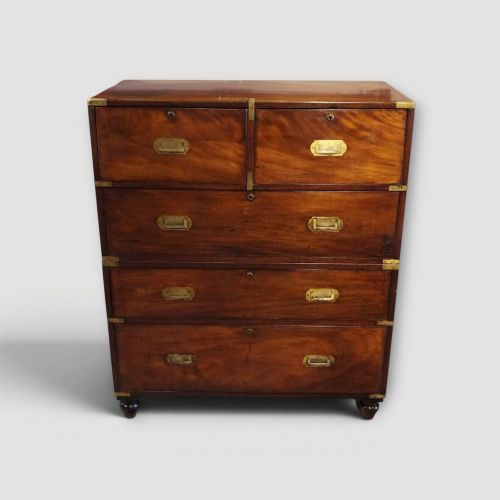
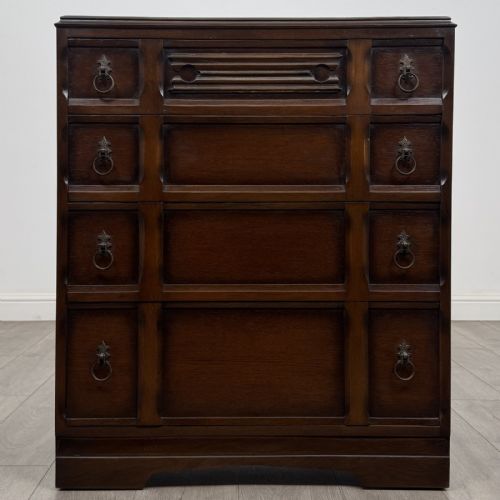
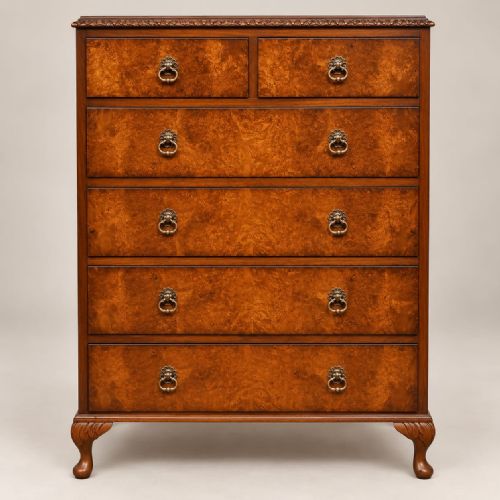
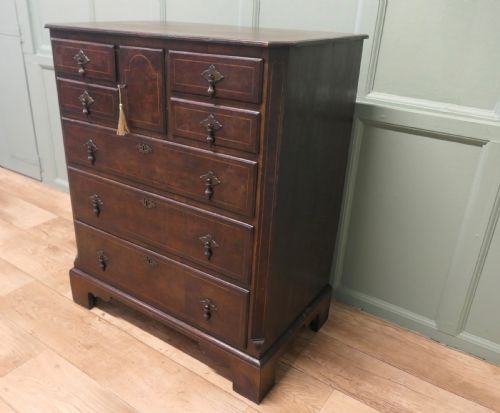
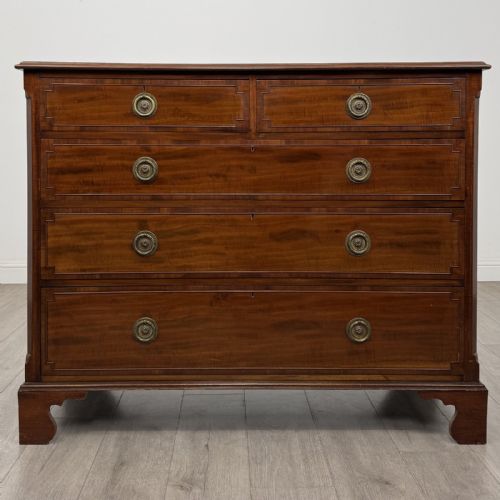
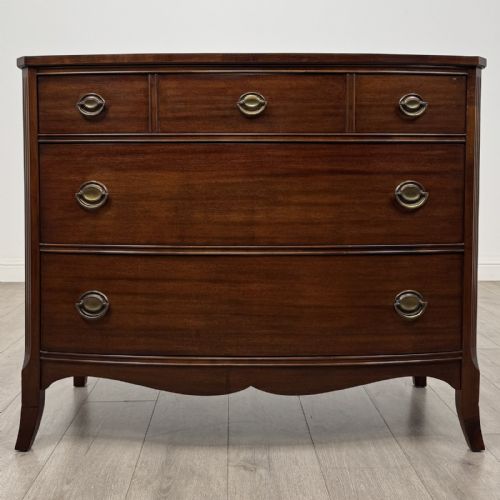
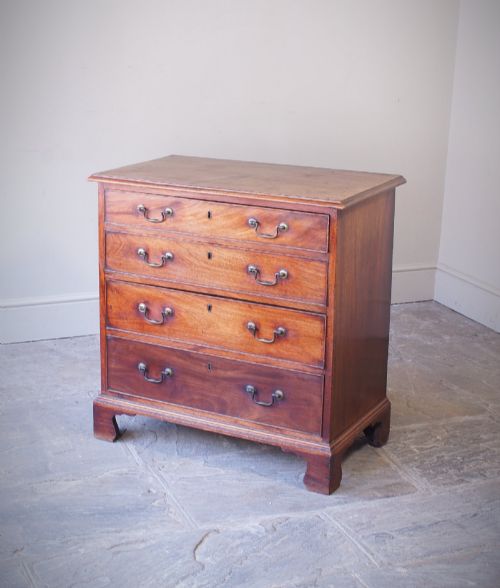
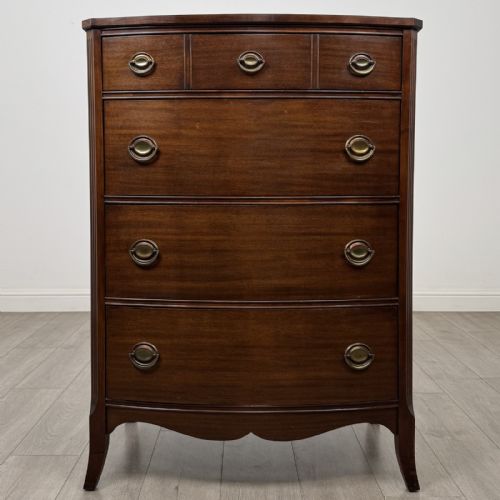
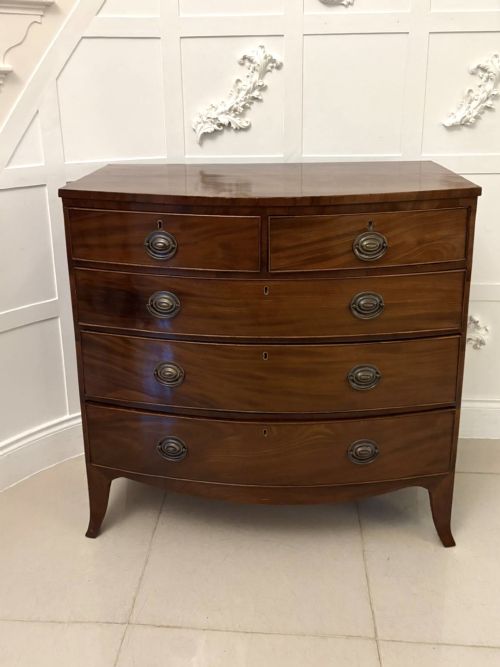
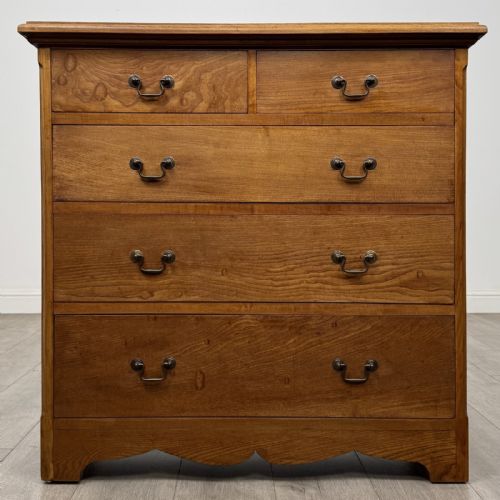
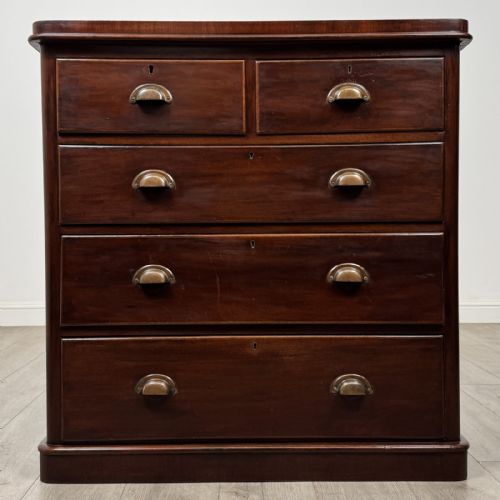
A vintage tallboy dresser provides vertical storage with period presence, offering deep drawers crafted in mahogany, oak, and walnut across Georgian, Victorian, and Edwardian periods.
Vintage Tallboy Dresser
A vintage tallboy dresser satisfies the need for generous bedroom storage without demanding excessive floor space. These vertical chests of drawers originate from periods spanning the eighteenth through to the twentieth centuries.
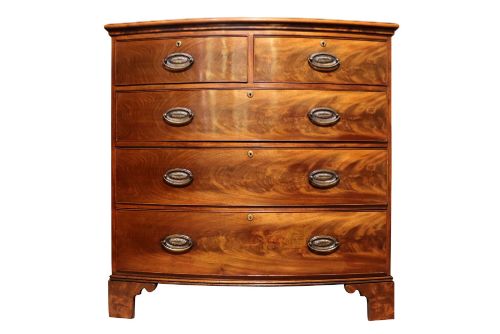
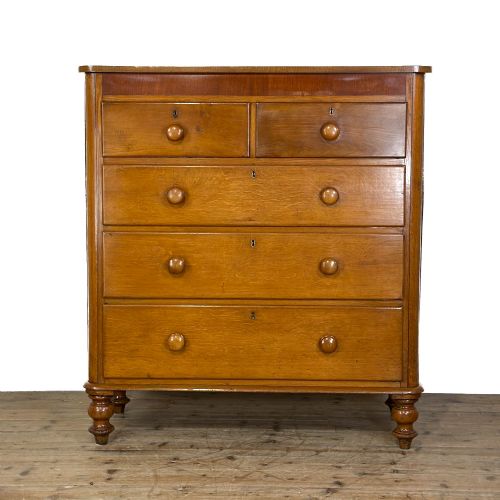
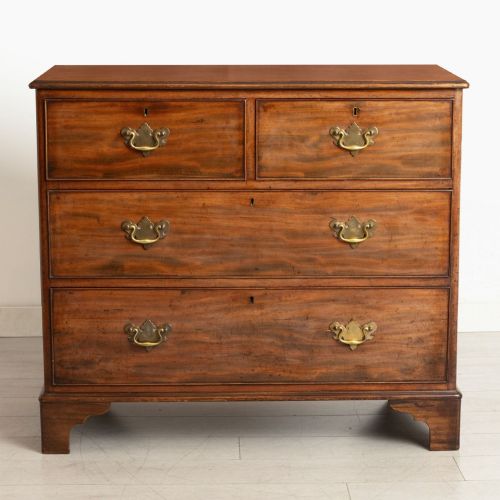
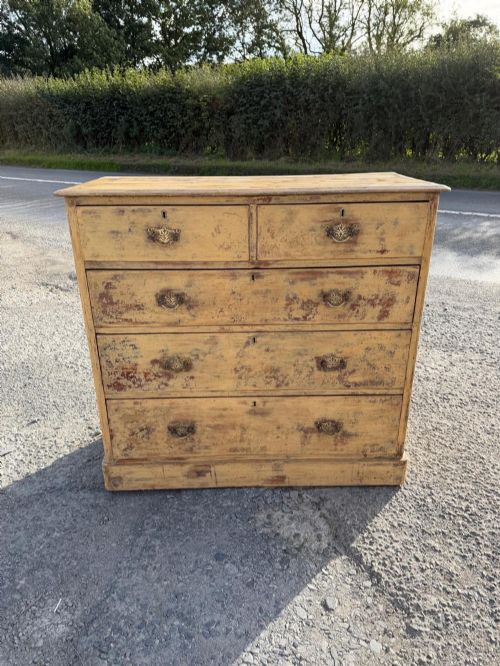
The selections here most frequently manifest as mahogany, oak, or pine chests of drawers and cabinets. Forms range from George III serpentine fronts to Victorian pine pieces and Art Deco burr walnut designs.
Makers and regional workshops throughout Britain and Europe produced these pieces to serve domestic storage requirements. Buyers encounter variations including bow fronts, brushing slides, and bonnet tops.
Materials and construction methods
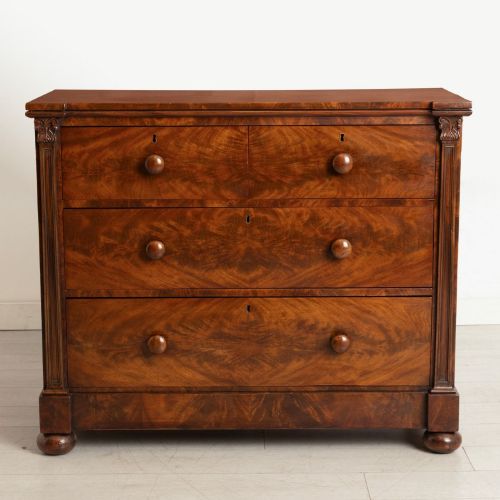
Cabinet makers utilised solid timbers such as oak, pine, and mahogany for structural integrity and drawer carcasses. Flame mahogany veneer and burr walnut provided decorative surfaces on formal pieces.
Brass handles and escutcheons secured drawer fronts, while traditional joinery methods ensured durability. Tongue and groove construction frequently appears on pine interiors and backboards.
Listings feature items spanning the eighteenth, nineteenth, and twentieth centuries, constructed from mahogany, oak, pine, walnut, and yew wood.
Evaluating craftsmanship and condition
Quality rests upon the selection of timber veneers and the precision of the drawer dovetailing. Finely figured mahogany or burr walnut elevates the visual merit of a piece above standard utility furniture.
Original brass hardware and well-proportioned cornices distinguish superior examples from altered items. Structural stability and smooth drawer operation indicate careful preservation over generations.
T & G Seddon·Sir Clough Williams-Ellis
The Vintage Tallboy Dresser Glossary
- Bow front
- A convex curved cabinet or chest front that projects outward at the centre. This style gained popularity during the Georgian and Regency periods.
- Brushing slide
- A pull-out shelf integrated into the upper section of a chest of drawers. It served as a temporary writing or clothes-brushing surface.
- Tallboy
- A tall chest of drawers consisting of one chest stacked upon another, or built as a single tall carcass. It maximises vertical storage capacity.
- Serpentine front
- A cabinet front featuring a concave centre flanked by two convex ends. This fluent contour requires advanced carpentry skills.
- Biedermeier
- A Central European style from the mid-nineteenth century prioritising clean lines and minimal ornamentation. It highlights the natural grain of woods like mahogany and birch.
- Flame mahogany
- Timber cut from the fork of a mahogany tree to produce a flickering, flame-like grain pattern. Cabinet makers used it on prominent drawer fronts during the Regency era.
Vintage Tallboy Dresser: Frequently Asked Questions
What is a tallboy dresser?
A tallboy dresser is a vertical chest of drawers designed to provide substantial storage within a compact floor footprint. These pieces often feature multiple stacked drawers rising higher than standard dressers.
Historically utilised in bedrooms for linen and apparel, they combine practical utility with distinct period aesthetics from the Georgian, Victorian, and Edwardian eras.
How do I style a vintage tallboy in a modern room?
Position the tallboy against a neutral wall to let the timber grain and period hardware stand out as a focal point. The vertical height allows it to fit into tighter corners or alcoves where wide furniture fails.
Keep the top surface uncluttered with minimal decorative items to preserve the clean vertical lines of the piece. Pairing the dark wood tones with contemporary textiles creates a balanced interior scheme.
How do I tell Georgian from Victorian pieces?
Georgian pieces, dating from the eighteenth and early nineteenth centuries, often display restrained classical proportions, premium mahogany veneers, and bracket feet. They frequently include functional details like brushing slides.
Victorian furniture spans the later nineteenth century and tends to utilise heavier proportions, varied timbers including pine and walnut, and sometimes bolder ornamentation such as carved corbels or ceramic knobs.
Were these dressers used only in bedrooms?
While primarily designed for domestic bedrooms and dressing rooms to hold folded garments and linens, taller chests also served in hallways and dressing chambers. Their deep drawers accommodated bulky textiles common to past centuries.
Today, buyers repurpose them in living areas and hallways for versatile household storage.