

Vintage Tall Lamp
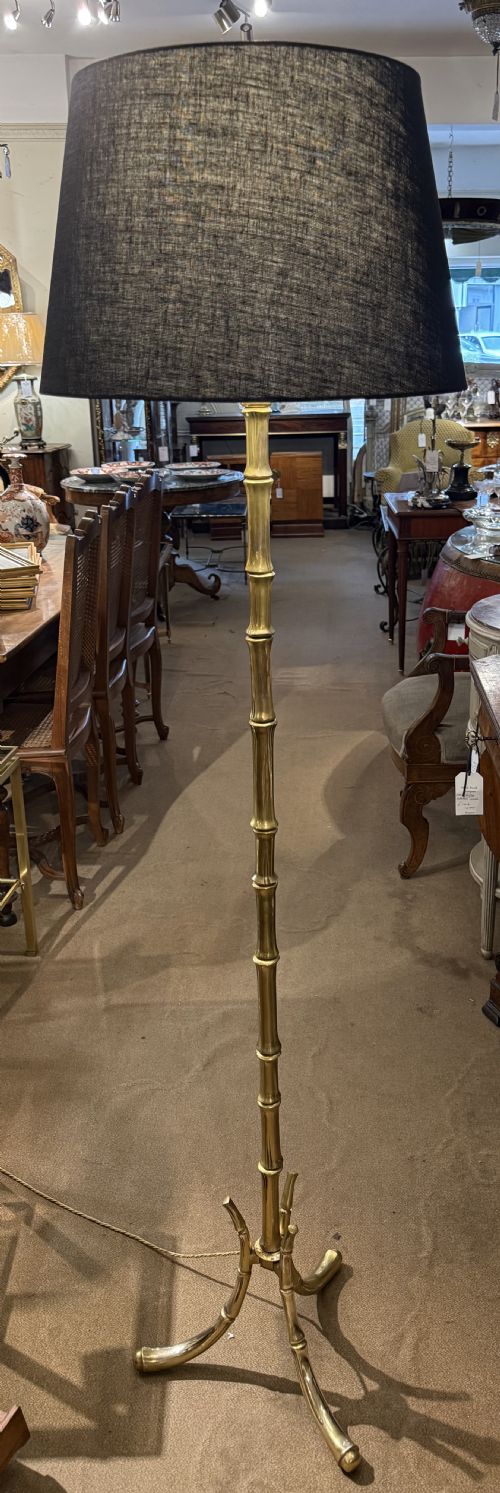
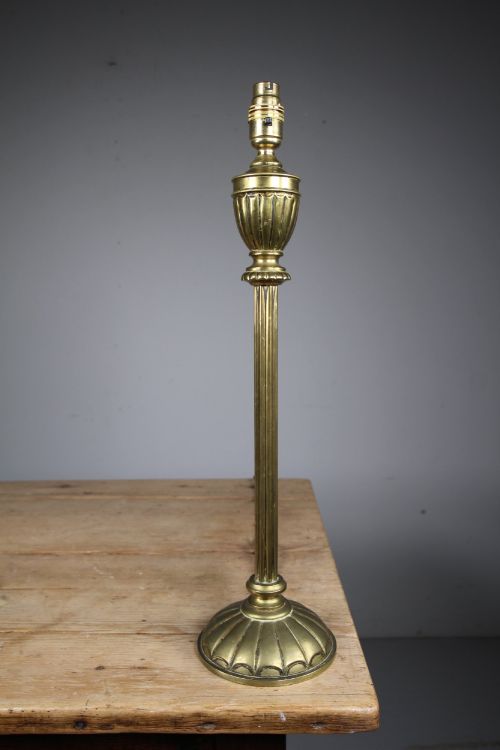
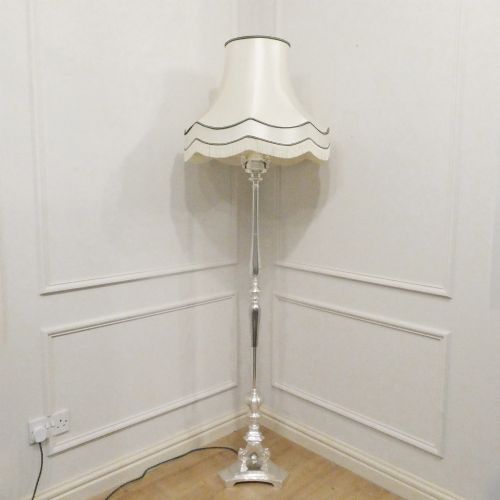
A vintage tall lamp brings immediate height and architectural presence to a room, standing as a functional column of light.
Vintage Tall Lamp
When you search for a vintage tall lamp, you encounter pieces designed to elevate a light source above standard furniture level, predominantly taking the form of standard lamps, floor lamps, and tall table models.
The selections span from the 18th century through the Edwardian era, Victorian period, and into 1930s designs, reflecting diverse stylistic influences including Neoclassical, Arts and Crafts, and Chinoiserie.
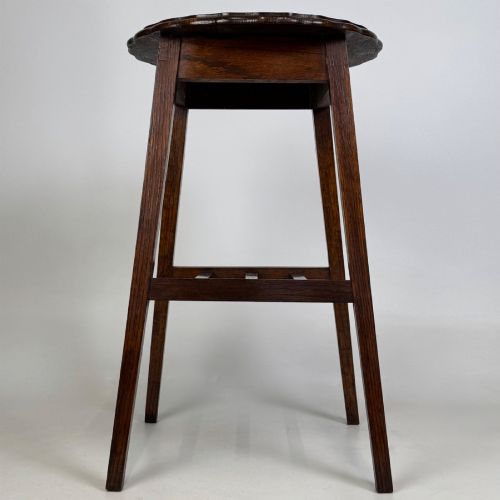
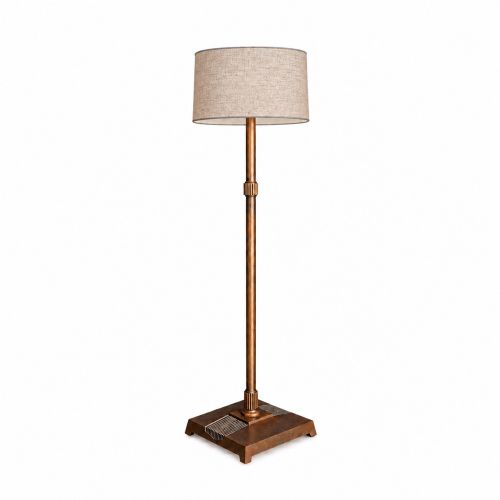
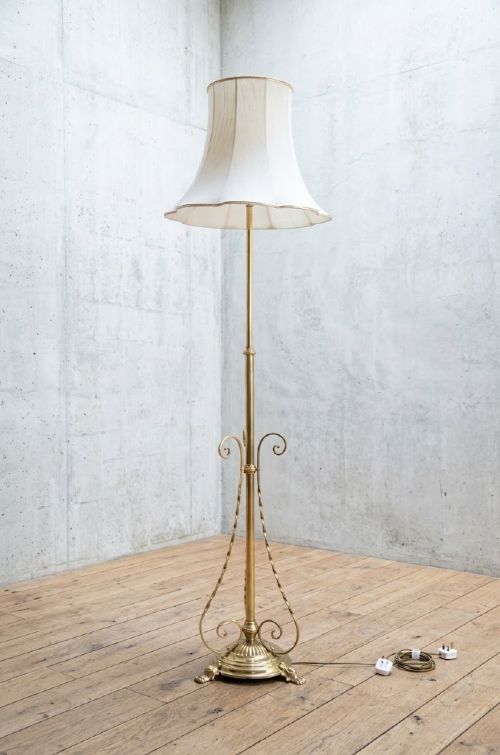
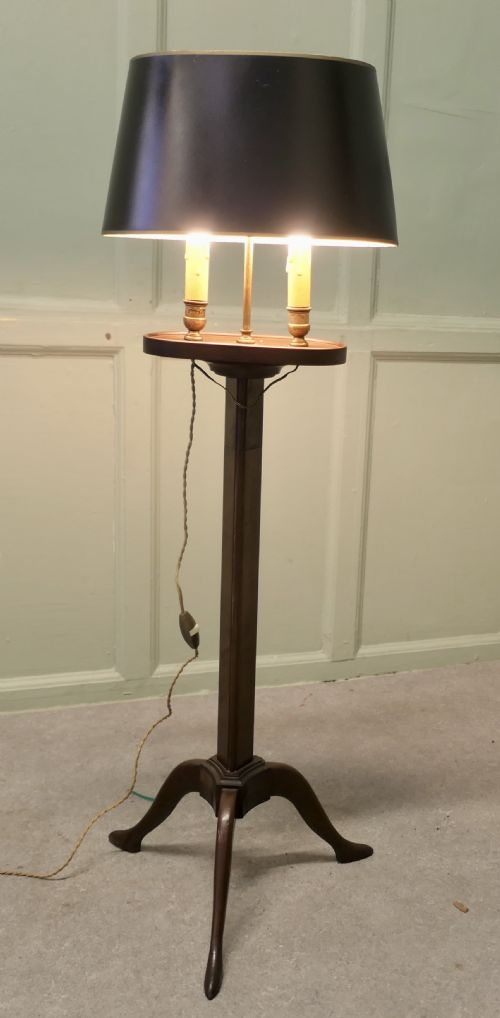
The version you are most likely to meet on this page is a tall standard or floor lamp in brass, oak, or mahogany, often featuring adjustable heights or telescopic columns originating from the late 19th or early 20th century.
How they were made
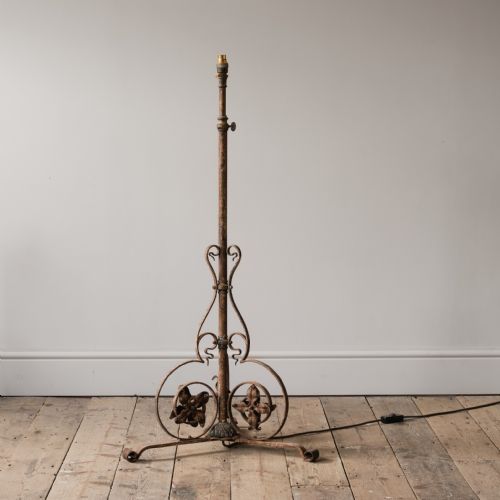
Construction relies heavily on metals such as brass, silver plate, and forged iron alongside dense timbers like mahogany, walnut, and oak.
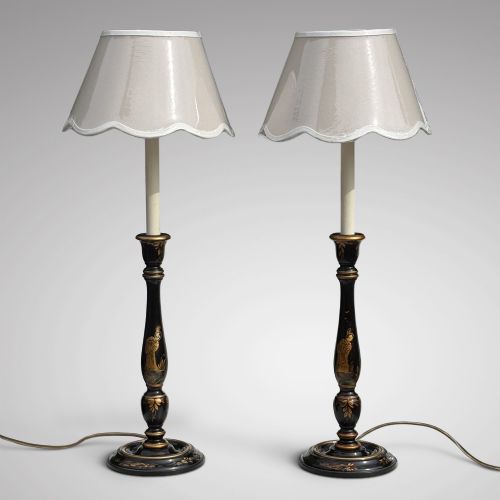
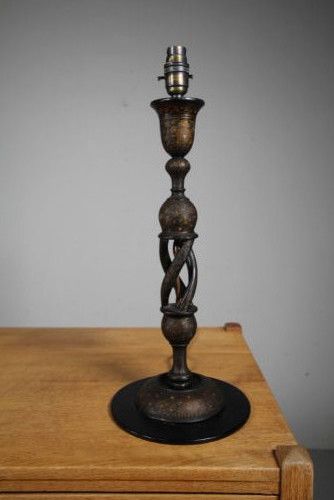
Many standard lamps utilise turned wood or cast metal shafts, whilst decorative examples incorporate hand-painted lacquer, ceramic elements, or applied glass work.
Adjustable mechanisms and telescopic columns require precision engineering in brass or steel to support the weight of the fitting and shade securely.
Materials recorded across the selection include brass, walnut, mahogany, silver plate, and lacquer.
What varies in quality
Quality rests upon the integrity of the materials and the weight of the base, which ensures stability at extended heights.
The refinement of the casting in brass components or the hand-painted execution of lacquered Chinoiserie surfaces distinguishes finer studio output from standard production.
Proportion and balance across the shaft and base dictate the visual poise of the lamp within a room.
Maison Bagues·Druce And Co London
The Vintage Tall Lamp Glossary
- Standard lamp
- A tall floor-standing lamp designed to illuminate a room from a raised height. These pieces often feature heavy weighted bases for stability.
- Telescopic
- Describing a shaft mechanism that allows the height of the lamp to be adjusted up and down. This engineering feature is frequently found in brass floor lamps.
- Chinoiserie
- European decorative style inspired by Chinese artistic traditions, often featuring hand-painted lacquer work. It appears on tall wooden lamps and tables from the early 20th century.
- Corinthian column
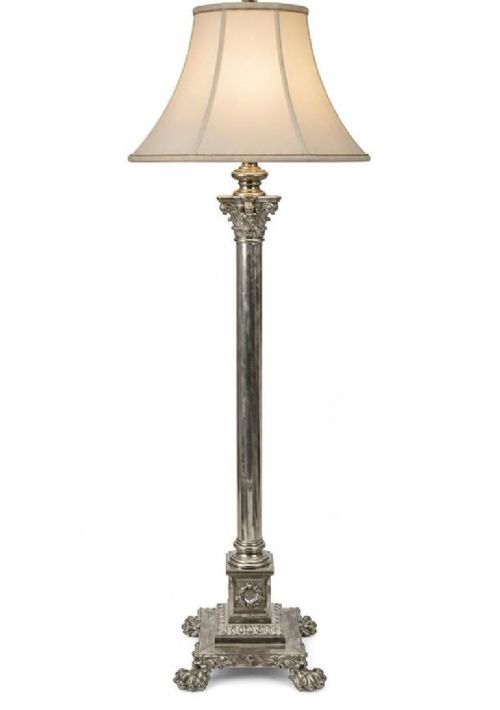
- An architectural column style featuring ornate acanthus leaf capitals, frequently adapted for the stems of tall brass and oak lamps. This classical form is rooted in Neoclassical revival design.
- Duplex burner
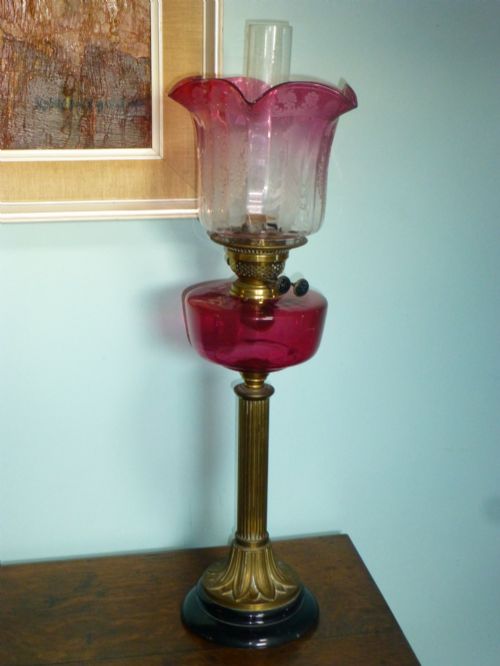
- A double-wick oil lamp mechanism that provides a brighter flame than single-burner models. These are found on 19th-century oil lamp conversions.
Vintage Tall Lamp: Frequently Asked Questions
How do I choose the right height for a floor lamp?
Consider the ceiling height of your room and the surrounding furniture scale. Taller telescopic models allow you to adjust the elevation to suit the space.
Ensure the light source sits at a comfortable level relative to seating so the bulb is not directly in your line of sight.
What is the difference between a standard lamp and an oil lamp?
A standard lamp is built specifically to hold electrical wiring and a lightbulb from its creation or via later conversion. An oil lamp was originally designed to burn liquid fuel using burners and wicks.
Many period oil lamps are now adapted for electricity whilst retaining their original reservoirs and burners.
How do I care for lacquered or painted wooden lamps?
Dust gently with a soft, dry cloth to protect delicate surfaces like Chinoiserie lacquer. Avoid chemical polishes and keep them away from direct sunlight.
Maintaining a stable indoor humidity prevents wood movement and preserves painted finishes over time.