

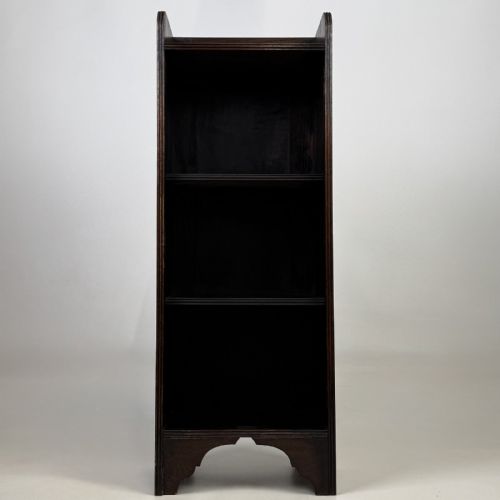
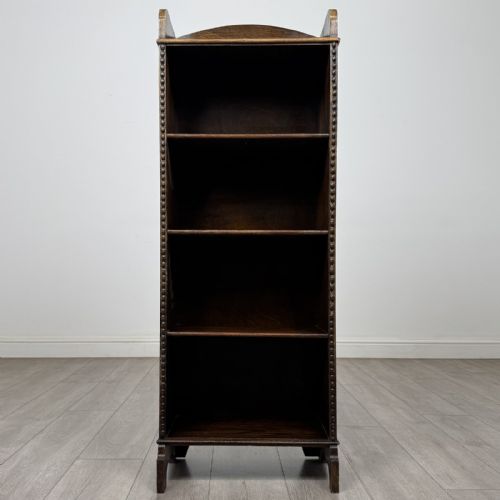
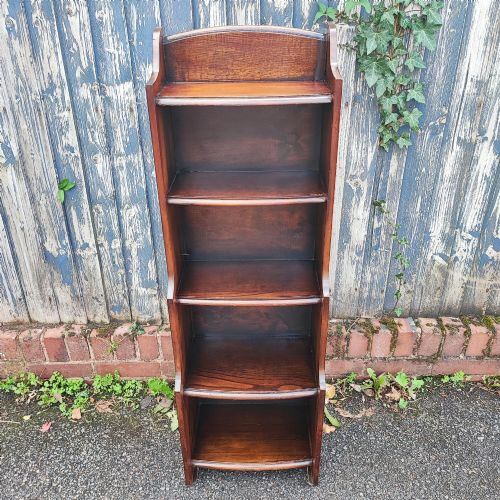
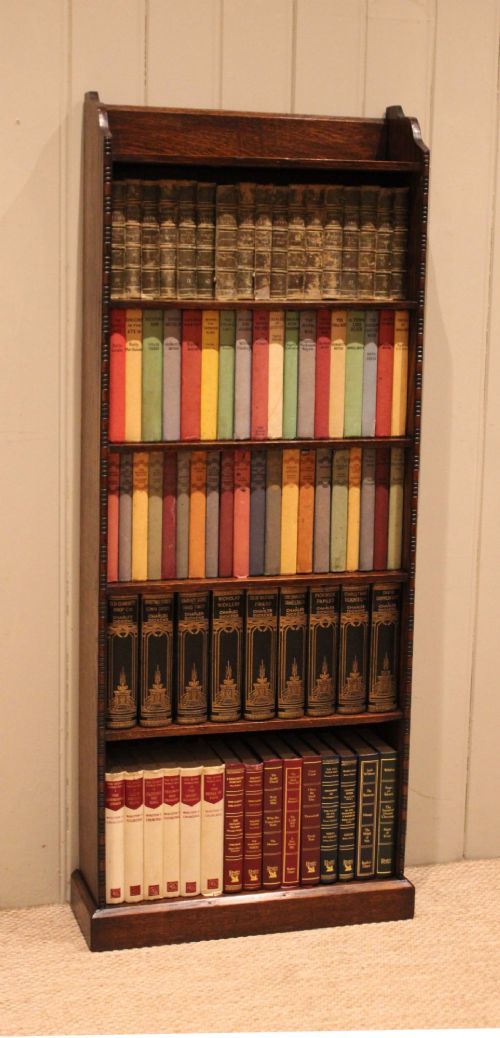
Vintage Tall Bookcase
A vintage tall bookcase organises a room with vertical presence, holding libraries while bringing period timber and proportion into the home.
Vintage Tall Bookcase
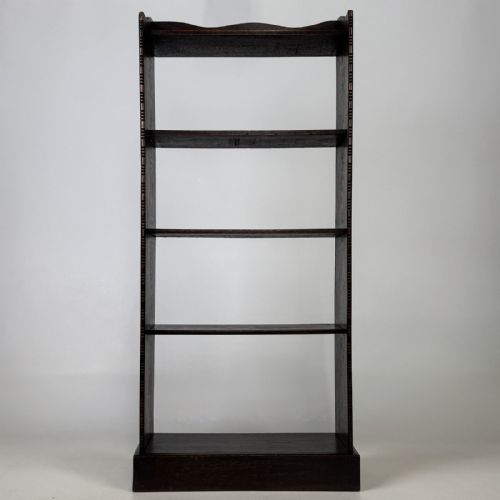
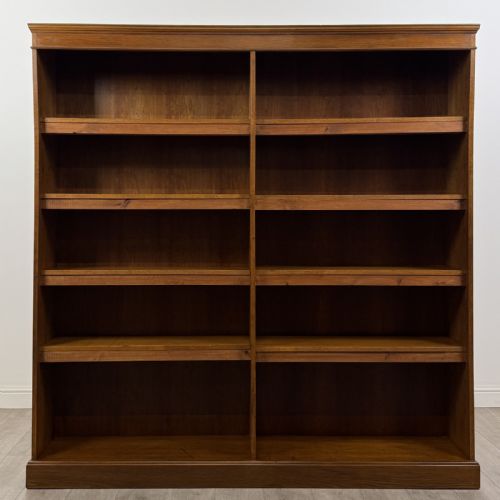
A vintage tall bookcase provides substantial vertical shelving for collections, combining utilitarian storage with the architectural presence of nineteenth and early twentieth century furniture. Pieces meeting this description span formal library furniture to domestic upright shelving units.
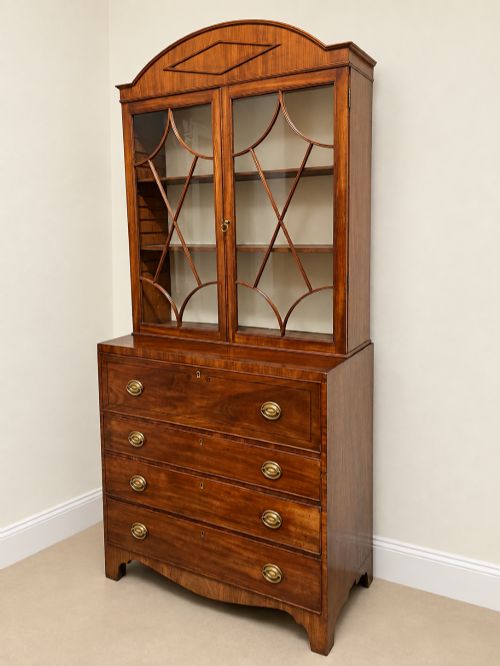
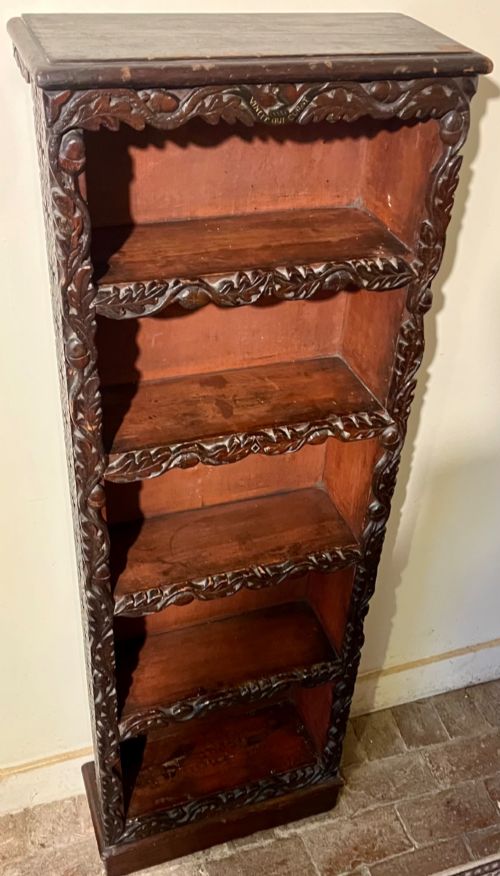
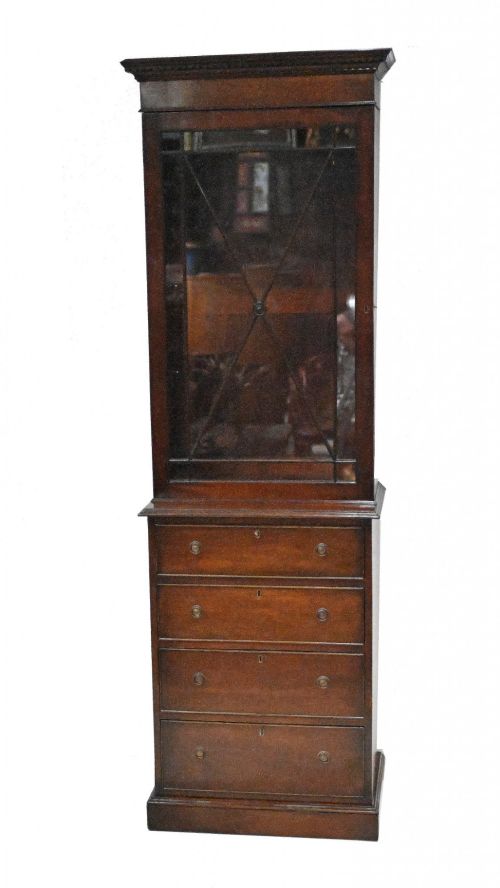
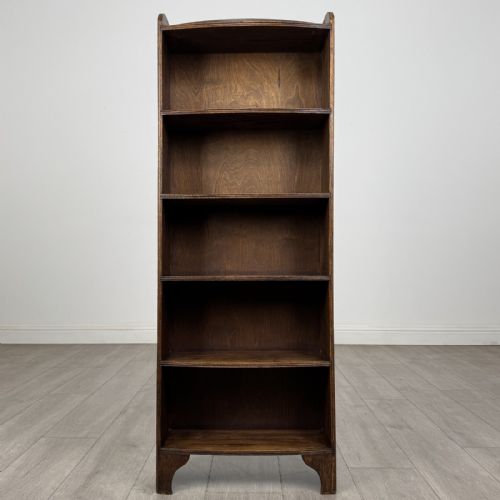
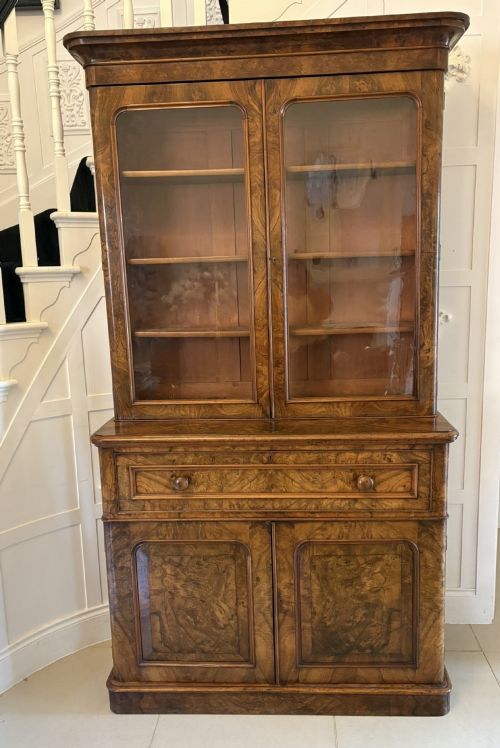
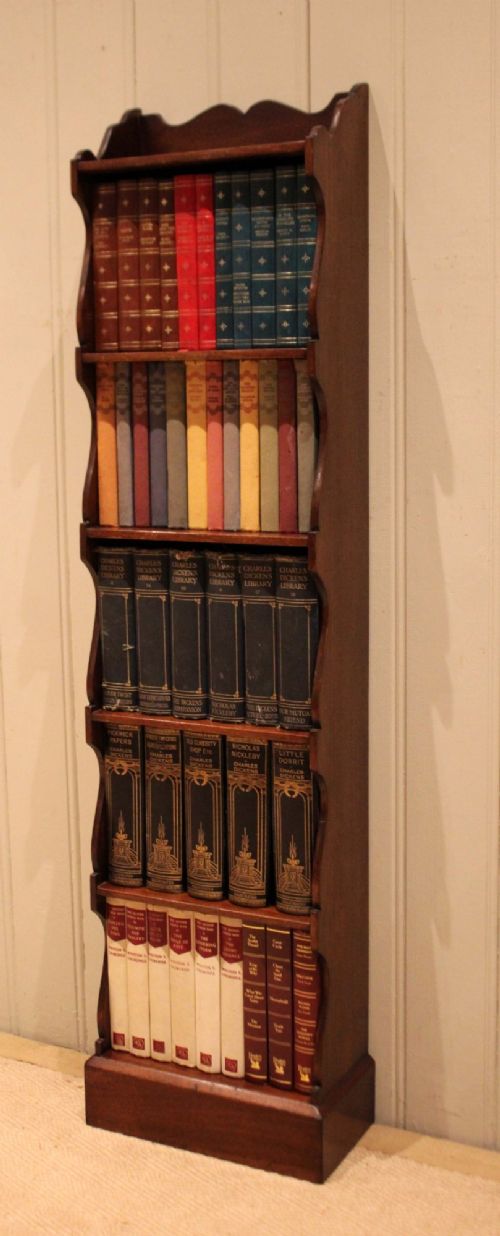
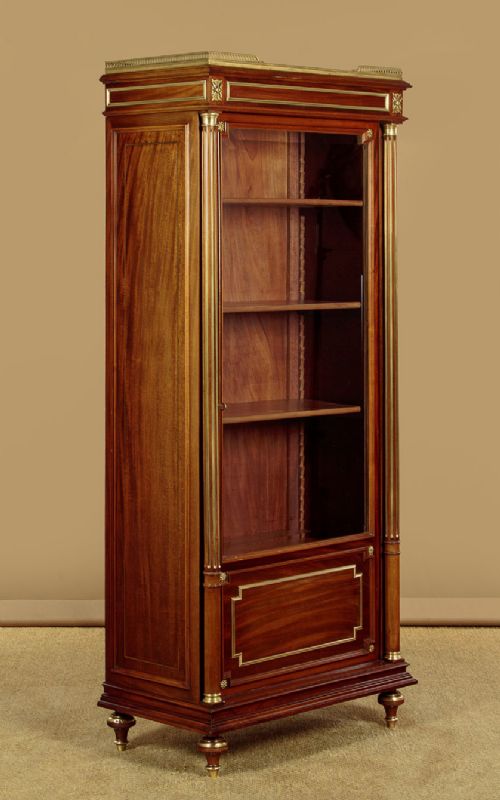
Edwardian and Victorian examples dominate the selection, often taking the form of open mahogany shelving or glazed display cabinets with adjustable internal boards. Oak also appears frequently, from school library volumes to carved Arts and Crafts designs.
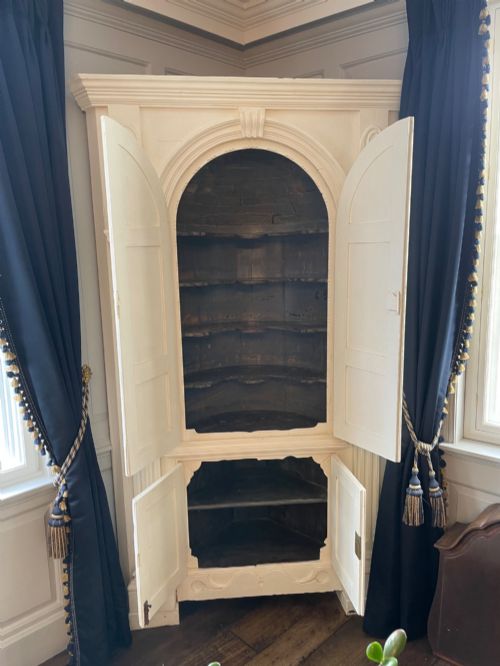
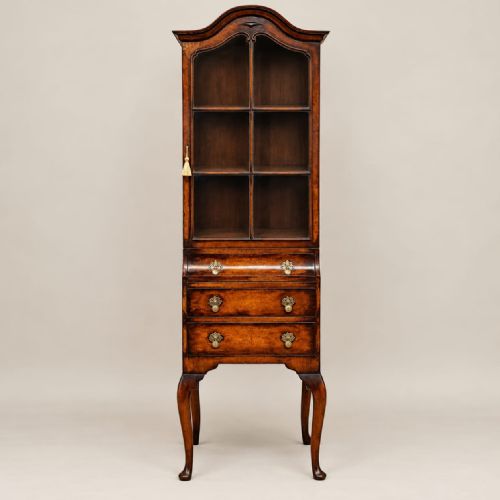
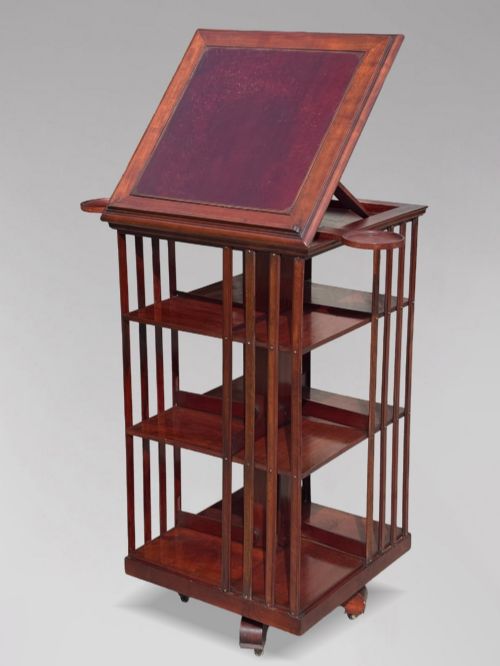
The category encompasses specialised hybrid forms alongside standard open shelves, including bureau bookcases, secretaire variants with drop-down writing surfaces, and corner cabinets. Proportions tend towards the slender and tall to maximise storage without dominating floor space.
How they were made
Cabinetmakers relied on dense timbers such as mahogany, oak, walnut, and satinwood, often selecting figured veneers for focal panels and solid boards for structural uprights. Pine serves as a secondary wood for internal framing and backing boards.
Construction techniques balanced stability with utility, incorporating adjustable wooden or brass pin shelving systems alongside fixed partitions. Glazed doors utilised astragal bars to secure individual panes of glass, while decorative additions involved brass embellishments, painted finishes, and inlaid stringing.
Vintage Tall Bookcase Retail Price Guide 2026
Typical asking prices for vintage tall bookcase among the pieces listed under this phrase on Sellingantiques today, from the lower quarter to the upper quarter. They describe what is for sale here now, not the wider market.
School libraries contributed some of the sturdiest oak shelving units, having spent decades holding heavy textbooks before retiring to domestic sitting rooms.
What varies in quality
The standard of a piece rests on timber selection and grain continuity, particularly where burr walnut or figured mahogany veneers cover primary surfaces. Finer examples display precise inlay work, well-fitted brass hardware, and carefully mitred glazing bars.
Structural integrity differentiates simpler utility pieces from bespoke cabinet work, showing in the thickness of solid shelves and the smoothness of adjustable mechanisms. Proportion and restraint in decorative carving also signal superior workshop origins.
Wylie Lochhead of Glasgow·E.A. Taylor
The Vintage Tall Bookcase Glossary
- Secretaire bookcase
- A tall cabinet featuring a hinged writing drawer that drops down to reveal internal compartments and small drawers above lower shelving or cupboard space. It combines a writing desk with a traditional library storage unit.
- Astragal glazed door
- A door fitted with slender wooden mouldings that divide the glass pane into smaller geometric sections. This technique creates a lighter visual appearance while securing the window panels.
- Arts and Crafts
- A design movement prioritising visible construction, solid oak materials, and honest craftsmanship over excessive machine-made ornamentation. Pieces often highlight hand-planed surfaces and simple structural joinery.
- Inlay
- A decorative technique where contrasting timbers, such as satinwood or lighter veneers, are fitted into recessed channels on the primary wood surface. It frequently outlines shelves, friezes, and cabinet doors.
- Adjustable shelves
- Shelving supported by movable wooden pegs, brass pins, or notched interior vertical strips rather than fixed partitions. This mechanism allows the internal height to adapt to various book sizes.
Vintage Tall Bookcase: Frequently Asked Questions
Are the shelves adjustable?
Many examples incorporate movable shelf supports using traditional wooden pins or adjustable side notches. This allows the internal layout to accommodate larger volumes and varied book heights.
Check individual descriptions to confirm whether the shelving is fully movable or fixed in place by original construction.
How do I distinguish Edwardian from Victorian?
Victorian pieces from the mid to late nineteenth century often employ heavy mahogany or walnut timbers with deeper carved mouldings and darker finishes. Edwardian furniture from the early twentieth century tends to feature lighter oak, satinwood inlay, and airier proportions.
Construction details and timber choice usually clarify the transition between these two distinct periods.
What is a bureau bookcase?
A bureau bookcase combines an enclosed sloping or drop-front writing desk with upright shelving or a glazed cabinet above. They provide a compact workspace alongside upper storage for reference volumes.
These hybrid forms suited smaller rooms where a separate desk and bookcase would take up too much floor space.
How do I care for antique timber?
Maintain timber bookcases by avoiding direct sunlight and maintaining stable room humidity to prevent veneer cracking or wood shrinkage. Regular dusting with a dry, soft cloth preserves the polish without building up chemical residues.
Occasional application of traditional beeswax feeds the grain and protects the historic surface finish.