
Vintage Tableware Silver Rings
These vintage tableware silver rings bring character to the dining table, offering solid metal forms designed to mark places with style.
Vintage Tableware Silver Rings
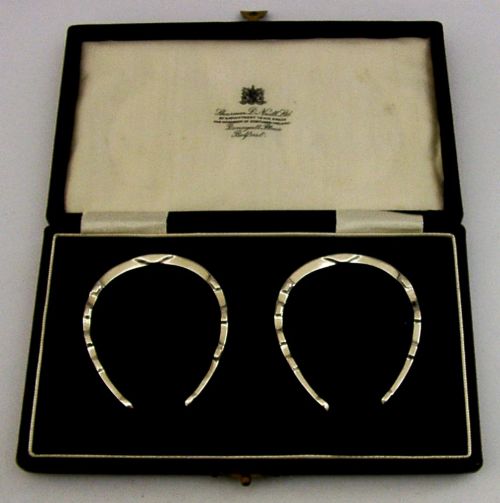
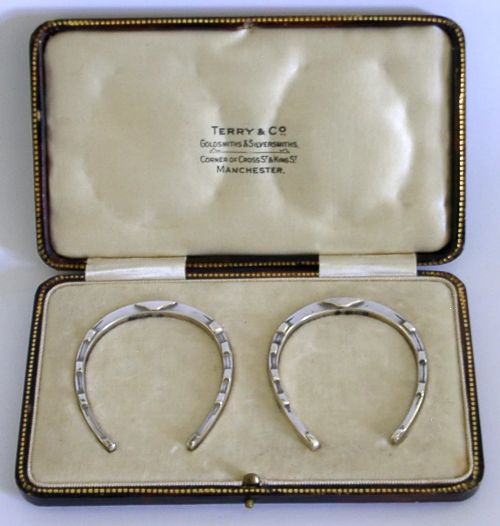
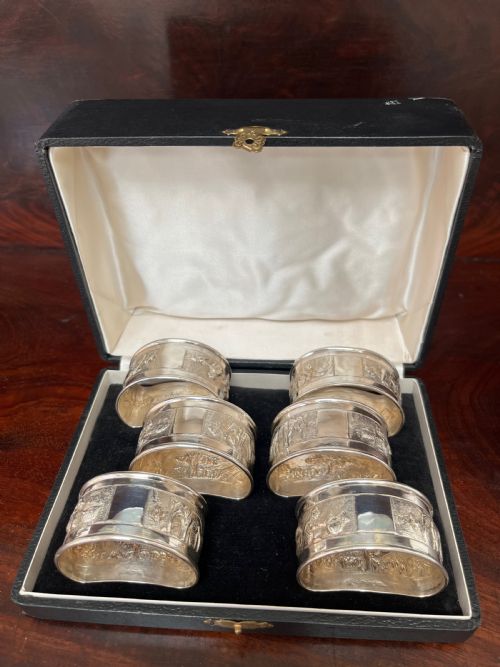
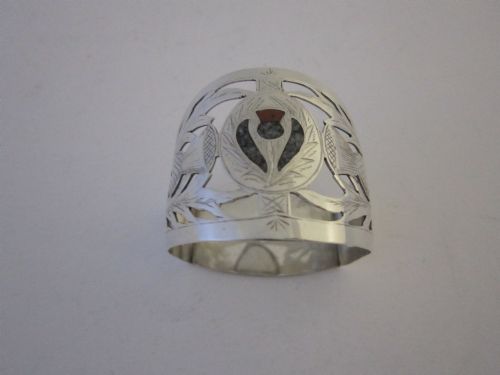
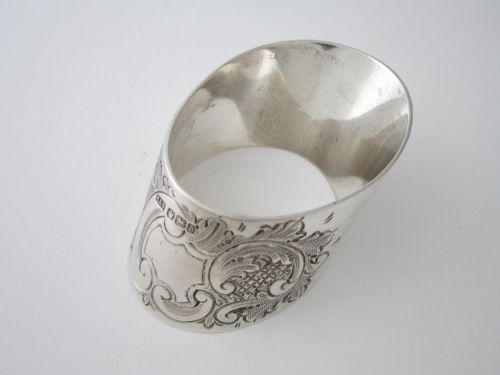
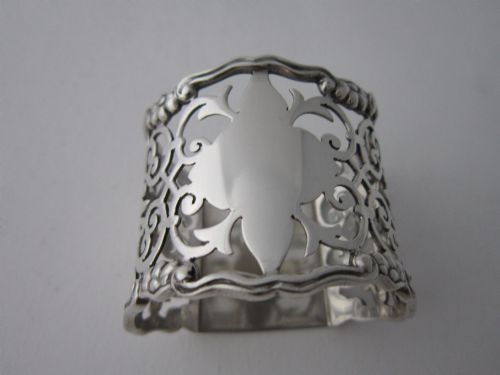
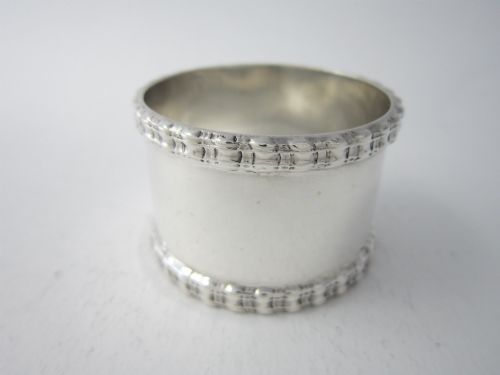
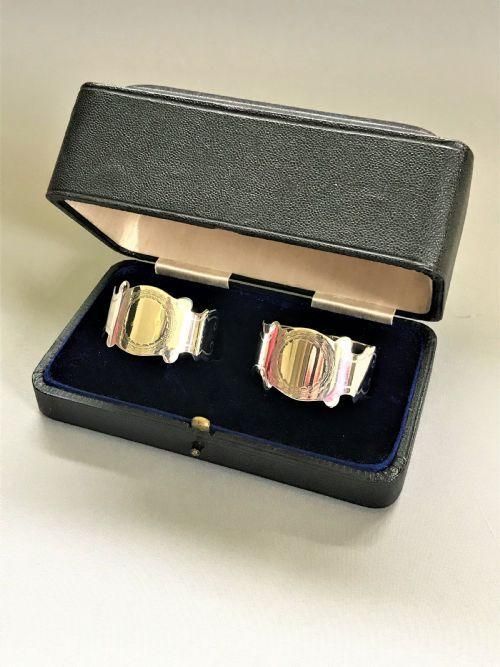
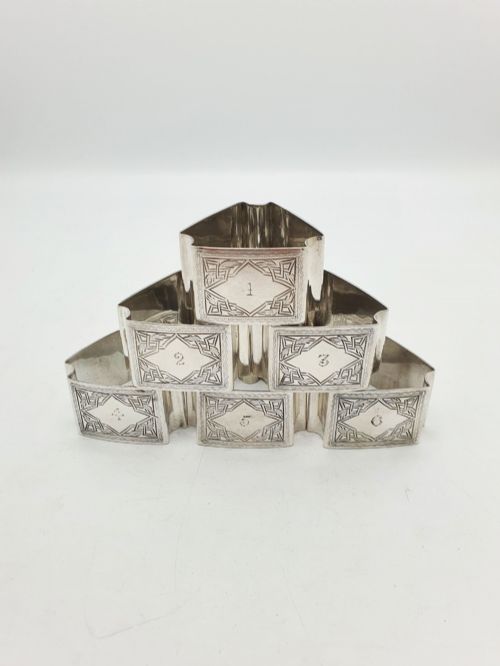
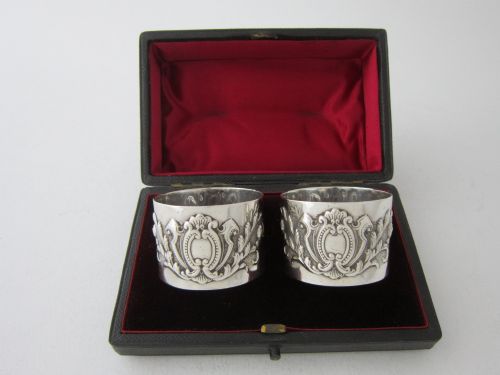
When searching for vintage tableware silver rings, collectors encounter mostly napkin rings alongside occasional skewers, spanning periods from late Victorian through to the mid-century. The selection ranges from plain individual pieces to complete cased sets of six, often housed in original fitted containers lined with silk or velvet.
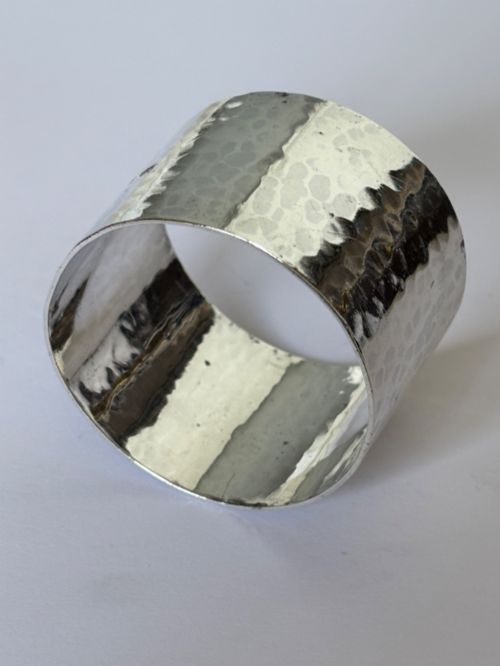
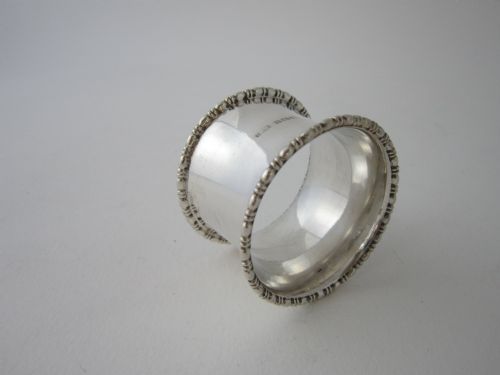
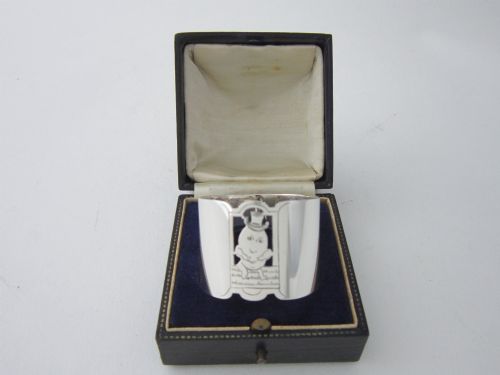
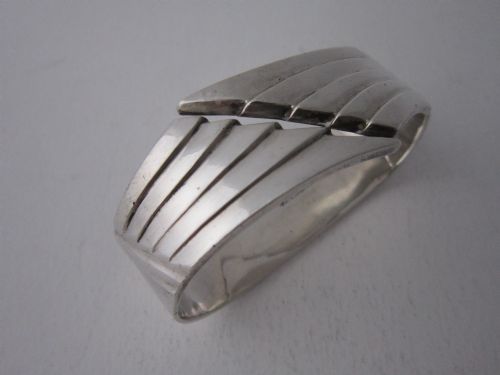
Forms include novelty designs modelled as horseshoes, belt buckles, stirrups and novelty shapes, as well as classic plain bands and hammered surfaces. Styles stretch across Edwardian, George V, Art Deco, Arts and Crafts, and Mid-Century Modern aesthetics, reflecting changing tastes across several decades.
How they were made
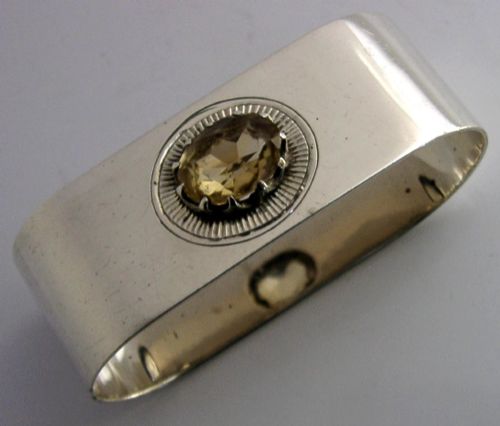
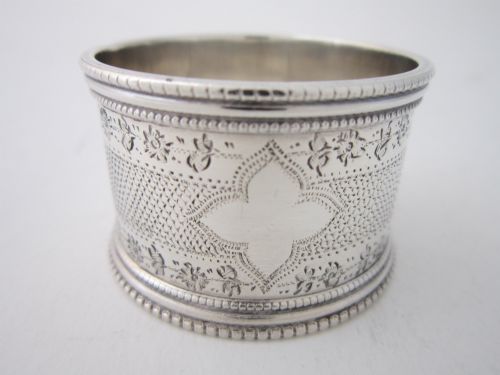
Pieces are fashioned primarily from solid sterling silver or silver plate, utilising techniques such as hammering, casting into novelty forms, and applying surface embellishments. Makers also employed silver gilt, pewter, and guilloche enamel, sometimes incorporating stones like citrine and agate into the design.
Presentation cases utilise protective outer layers of leatherette or leather paired with delicate interior linings of silk or velvet to cradle each ring securely. Numbered sets and matched pairs indicate careful workshop production and coordinated silversmithing.
The listings span periods from Victorian and Edwardian eras to Mid-Century Modern, utilising sterling silver, silver plate, pewter, and enamel.
What varies in quality
Quality rests in the weight of the metal and the crispness of the detailing on novelty motifs like horseshoes, stirrups and belt buckles. Substantial gauge sterling silver provides a more satisfying tactile feel in the hand compared to lighter plated alternatives.
The survival of original fitted presentation cases lined with silk or velvet distinguishes superior sets from loose pieces. Additionally, the clarity of hallmarks and the prestige of the maker elevate certain items above standard workshop production.
Albert Edward Jones·R. E. Stone·Georg Jensen·Hermes Paris·C. T. Burrows and Sons·Mappin and Webb·Cartier·Liberty and Co·David Andersen·Henry Wilkinson
The Vintage Tableware Silver Rings Glossary
- Sterling silver
- An alloy containing 92.5 percent silver and 7.5 percent other metals, typically copper, used widely for durable tableware.
- Silver gilt
- Silver objects that have been coated with a thin layer of gold on the surface, adding a warm two-tone appearance.
- Guilloche enamel
- Decorative enamel applied over a mechanically engraved metal background, creating intricate geometric patterns visible beneath translucent colour.
- Hallmark
- An official stamp applied to precious metals indicating the standard of purity, the assay office, and the year of manufacture.
- Cased set
- A matched group of items sold together inside a custom-fitted protective box designed specifically for storage and presentation.
Vintage Tableware Silver Rings: Frequently Asked Questions
What periods do these silver rings cover?
The pieces span from the late Victorian and Edwardian eras through the George V period and Art Deco years up to the mid-century.
Craftsmanship evolves across these decades from traditional plain bands to inventive novelty shapes and enamelled surfaces.
Are these napkin rings usually found in sets?
Listings feature both individual items and matched sets of six, frequently accompanied by their original fitted presentation cases.
Many sets include numbered rings designed to help guests identify their proper places at the dining table.
What materials are used besides sterling silver?
While solid sterling silver dominates the selection, some items utilise silver plate, pewter, and silver gilt with guilloche enamel.
Decorative elements occasionally incorporate stones such as citrine and agate alongside novelty structural forms.
How should I store my vintage silver rings?
Original cased sets lined with silk or velvet provide ideal protection against tarnish and physical knocks when not in use.
Keeping pieces in dry, dark storage preserves both the metal finish and the delicate interior fabrics of the presentation boxes.