
Vintage Tableware Dishes
These vintage tableware dishes bring historical dining forms and precious metals to the table, offering practical service pieces with distinct period character.
Vintage Tableware Dishes
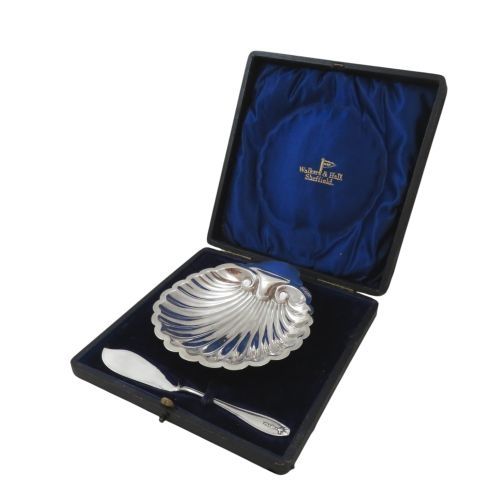
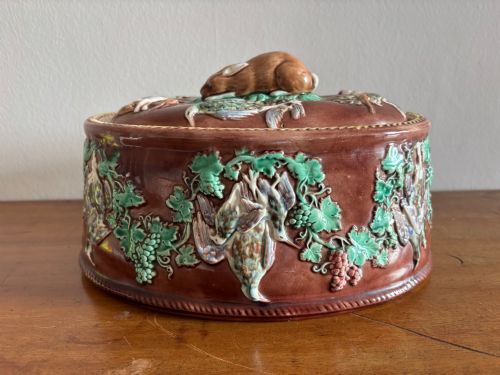
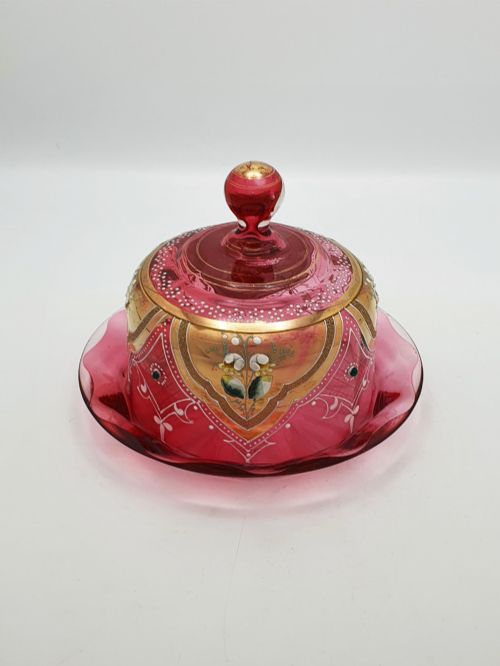
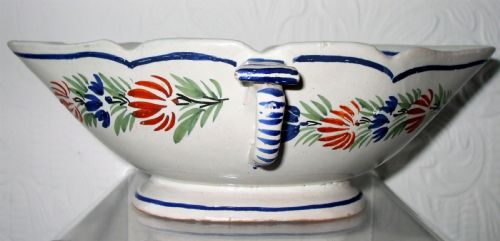
When you search for vintage tableware dishes, you encounter a diverse assortment of utilitarian and decorative vessels designed for historical dining. The selection spans utilitarian butter dishes, cheese dishes, and tureens alongside decorative bowls, plates, and salt cellars.
Most examples originate from the Victorian and Edwardian eras, stretching back through the nineteenth century into Georgian and eighteenth-century periods. Forms range from heavy earthenware meat platters to delicate sterling silver condiment stands and crystal salt cellars.
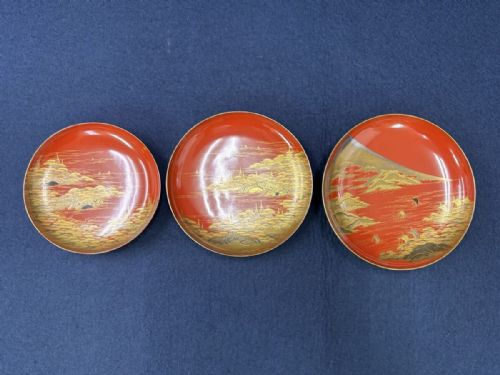
Makers utilised traditional regional methods across English, continental European, and Japanese workshops. Buyers select these items to furnish traditional dining settings or incorporate functional antique serveware into daily use.
Materials and construction
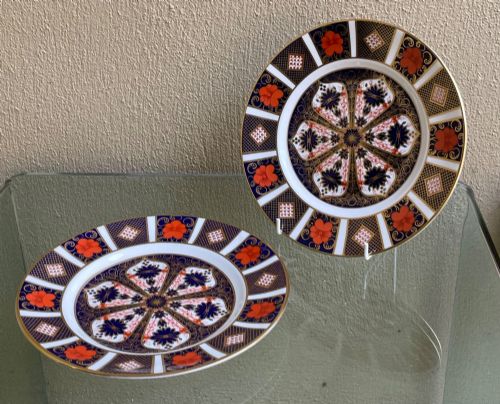
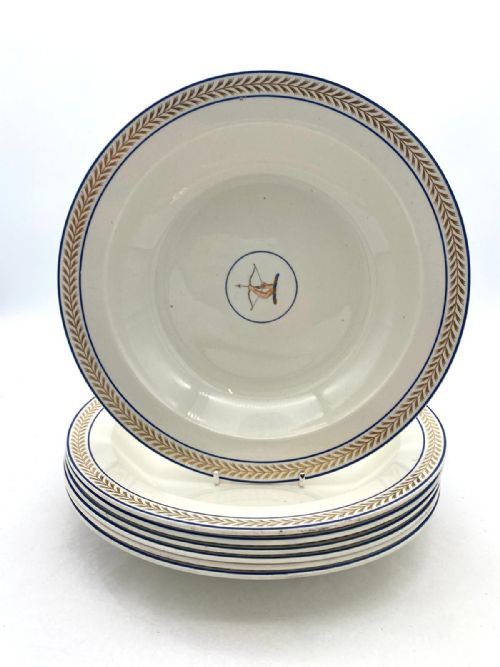
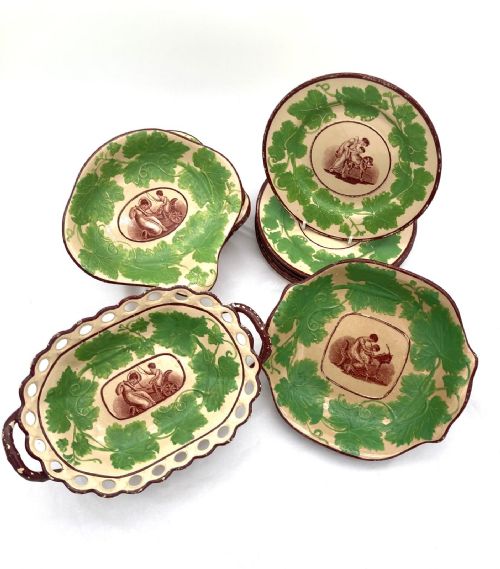
Ceramic forms rely on earthenware, creamware, porcelain, and ironstone bodies finished with glazes, enamel, or blue and white transfer printing. Transfer printing enabled crisp, repeatable patterns on utilitarian vessels like vegetable tureens and meat platters.
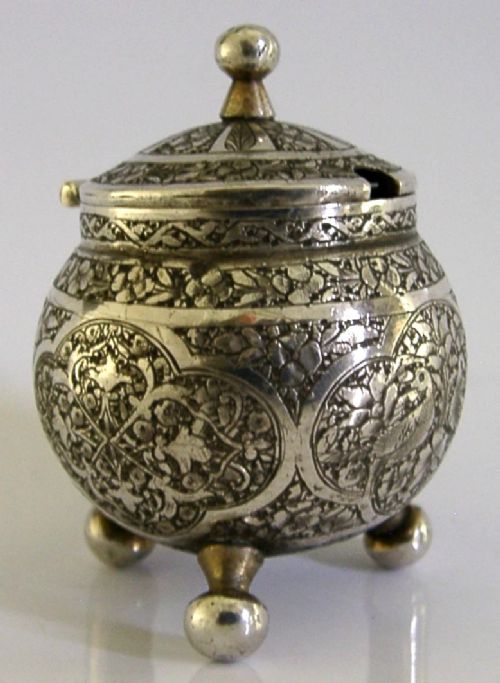
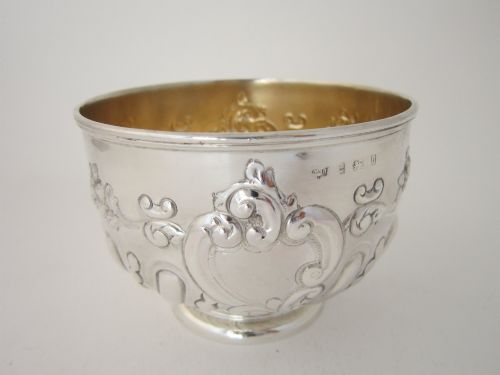
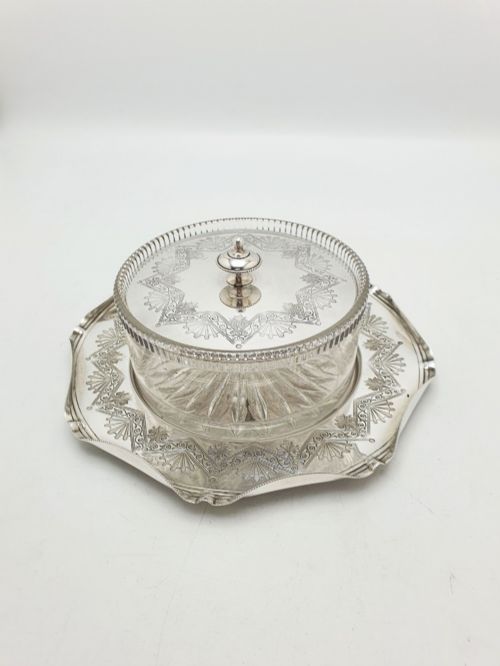
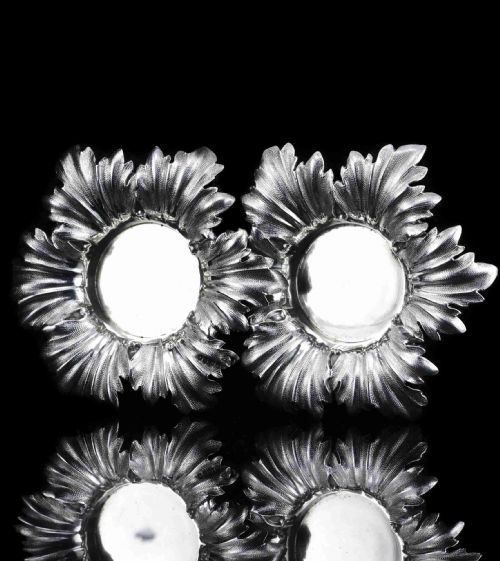
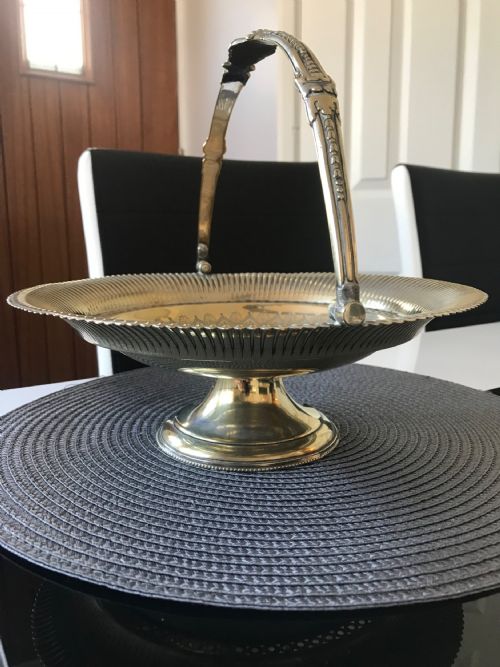
Metal items combine sterling silver and silver plate with glass liners, crystal, and pewter. Silversmiths employed techniques such as foliate chasing on solid silver salt dishes and manufacturing revolving lids for butter and preserve service.
One exceptional silver preserve pot takes the precise form of an apple, complete with a stem and leaf.
Distinctions in craftsmanship
Quality emerges in the crispness of surface decoration, whether hand-painted details on porcelain dinner services or deep foliate chasing on silver salt cellars. Substantial metal weight and precise fitting between ceramic covers and bases indicate superior manufacture.
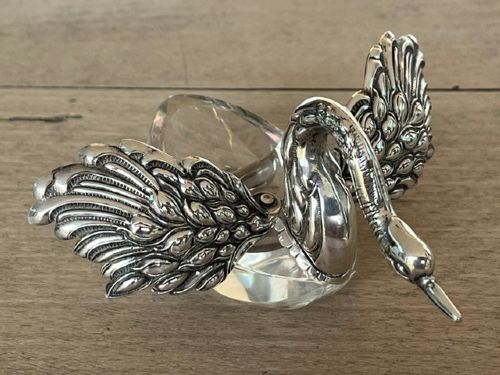
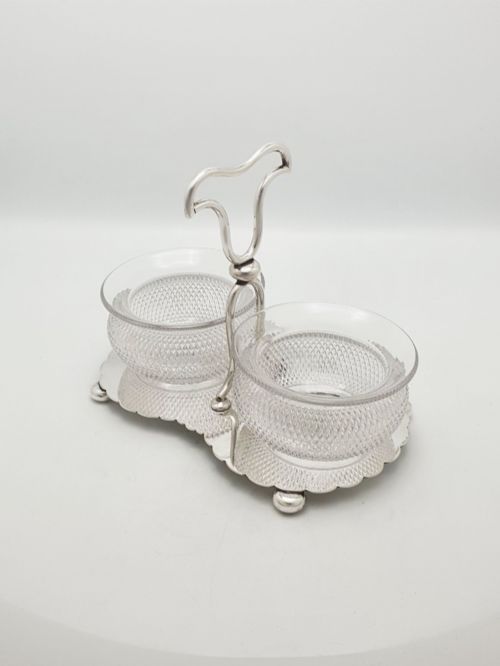
The integration of mixed materials, such as clear glass liners fitted neatly into silver-plated frames or crystal components paired with movable silver wings, separates standard production from finer workshop output.
Royal Crown Derby·Barnards·John and Richard Riley·Hukin and Heath·T and H Compton·Müller Volkstedt
The Vintage Tableware Dishes Glossary
- Tureen
- A deep, covered bowl used for serving soups, vegetables, or sauces at the dining table.
- Salt cellar
- A small open vessel or container holding salt for individual or shared table use.
- Transfer print
- A decorative technique applying engraved designs to ceramics via a paper transfer from a copper plate.
- Creamware
- A refined, cream-coloured earthenware developed in the eighteenth century with a transparent lead glaze.
- Quaich
- A traditional Scottish two-handled drinking vessel, occasionally produced in silver during the Edwardian period.
Vintage Tableware Dishes: Frequently Asked Questions
How do I use vintage cheese dishes?
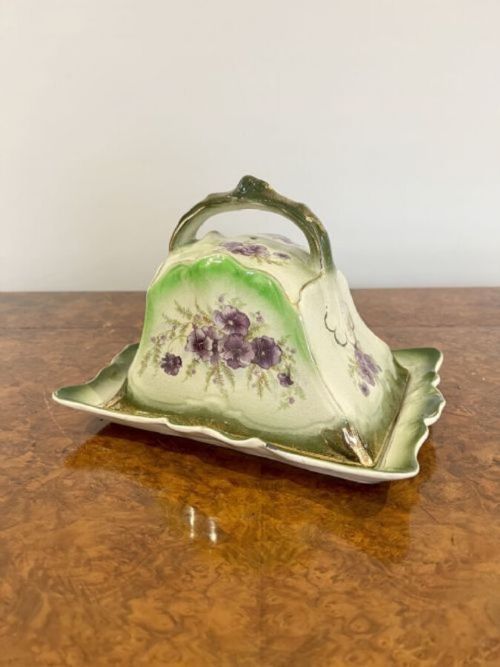
Cheese dishes feature a fitted cover designed to retain moisture and keep cheese fresh on the dining table. They serve as striking centrepieces during cheese courses or after-dinner dining.
Ensure the ceramic or glass base is cleaned gently without abrasive materials to protect historical glazes and transfer prints.
What are silver plated entree dishes used for?
These lidded rectangular or oval vessels kept hot food warm as it moved from the kitchen to the dining table. They offer generous capacity for serving roasted items or vegetables.
Many examples include sturdy loop handles and removable covers that double as secondary serving trays.
How can I date transfer printed tableware?
Transfer printed patterns on earthenware and creamware often reflect the reigning taste of the nineteenth century. Examining the registry marks, ceramic body, and named patterns like Europa provides clues to the manufacturing decade.
Blue and white palettes remained popular across Georgian and Victorian periods, evolving in tone and glaze composition over time.