





Vintage Tabletop Display Cabinet
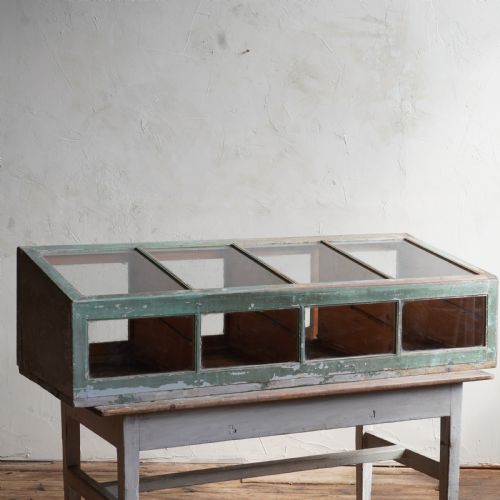
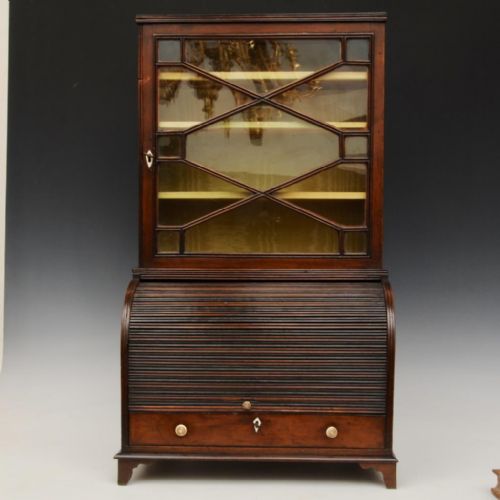
A vintage tabletop display cabinet sits on a counter to show off small treasures through glass.
Vintage Tabletop Display Cabinet
A vintage tabletop display cabinet brings shop counters and studies into the domestic interior for showcasing small collections. When searching for a vintage tabletop display cabinet, buyers encounter forms ranging from shop shopkeepers' glazed cases to domestic smokers' boxes.
The pieces span from the nineteenth century through the Edwardian era into the nineteen-twenties and nineteen-thirties. Oak and mahogany examples dominate, often taking the form of countertop display cabinets or small haberdashery units with drawers.
Commercial pieces built for confectioners and watchmakers appear frequently alongside domestic variants lined in velvet or fitted with brass frames. These compact structures sit easily on desks or sideboards while offering glass visibility from multiple sides.
How they were made
Frames rely predominantly on solid timbers such as oak, mahogany, pine and ebonised wood, joined with traditional cabinetry methods to support heavy glass panels. Brass hardware, including hinges, handles and corner brackets, provides structural reinforcement and decorative contrast.
Interior surfaces often feature mirror glass backs or velvet linings designed to reflect light onto displayed items. Glazing consists of clear fitted glass panes held in place by wooden rebated frames or metal channels.
Vintage Tabletop Display Cabinet Retail Price Guide 2026
Typical asking prices for vintage tabletop display cabinet among the pieces listed under this phrase on Sellingantiques today, from the lower quarter to the upper quarter. They describe what is for sale here now, not the wider market.
Listings feature oak and mahogany woodwork spanning from the Victorian period through the nineteen-thirties.
What varies in quality
Construction standards depend heavily on the timber selection and the precision of the joinery framing the glass. Finer pieces display tight corner joints, unblemished mirror plates and original brasswork rather than later replacements.
Commercial provenance elevates certain pieces, particularly those bearing original brand lettering for chocolate or pharmaceutical makers. The clarity of the glass and the smoothness of any integrated drawers distinguish standard utility boxes from superior display furniture.
Manoah Rhodes & Sons Ltd·Cadbury's·Frys Chocolate
The Vintage Tabletop Display Cabinet Glossary
- Countertop
- A descriptive term for a cabinet designed to rest upon a shop counter or table rather than stand on the floor. These pieces generally feature glass on top or sides to allow customers to view goods from above.
- Ebonised
- Wood treated with a chemical stain or finish to imitate ebony. This dark, formal treatment appears frequently on nineteenth and early twentieth century display pieces.
- Haberdashery
- A style of small compartmentalised cabinet featuring multiple shallow drawers originally used for selling sewing notions. Collectors prize these for organising small items.
- Rebate
- A recess or groove cut into the edge of a timber frame to hold a glass pane securely in place. Clean rebates indicate careful historical workshop practice.
Vintage Tabletop Display Cabinet: Frequently Asked Questions
Where were these cabinets used?
Most of these cabinets served inside Edwardian and interwar shops to display confectionery, tobacco, and jewellery to passing customers.
Others functioned in domestic settings as smoking cabinets or miniature bookcases for personal collections.
How do I date a cabinet?
Dating relies on timber types, construction methods, and stylistic cues such as Edwardian mahogany framing or Art Deco geometry.
Branding or maker inscriptions also help anchor the piece to a specific decade.
Can I wall mount them?
These cabinets are engineered as tabletop or countertop structures resting on a flat base rather than hanging hardware.
Placing them on a desk or sideboard provides the necessary weight distribution.
What fits inside them?
The compact interior dimensions suit pocket watches, small silver items, medals, and mineral specimens.
Velvet-lined bases protect delicate objects from rolling or scratching.