




Vintage Table Ware
These vintage table ware items bring functional British and continental craftsmanship into daily settings, offering distinct utility and period character.
Vintage Table Ware
When searching for vintage table ware, buyers encounter a diverse selection of furnishings, lighting, and decorative vessels spanning the nineteenth and early twentieth centuries. The assortment includes occasional tables, spirit kettles, trays, and ceramic wares originating from English, French, Italian, and Japanese makers.
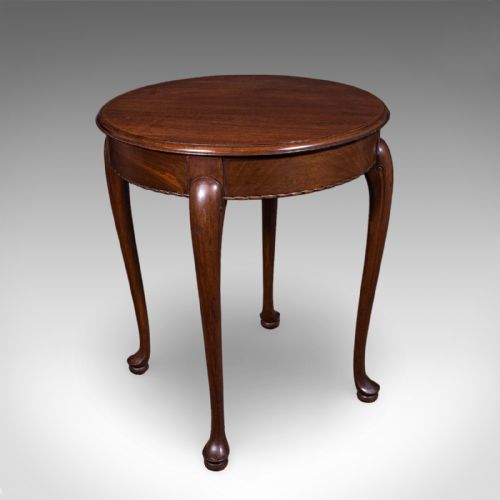
Italian Sorrento pieces feature prominently, alongside Edwardian and Victorian furnishings in walnut and mahogany. Buyers also find practical serving items and decorative objects that reflect the distinct domestic habits of past decades.
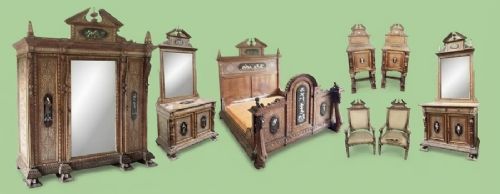
The objects serve varied functions across dining and living spaces, ranging from folding travel mirrors and egg cup stands to larger side tables and bedroom suites. These pieces combine decorative appeal with the practical utility expected of period household goods.
Materials and construction
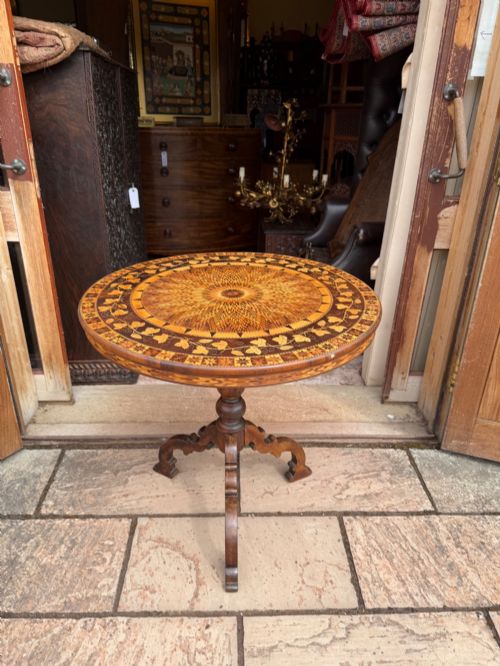
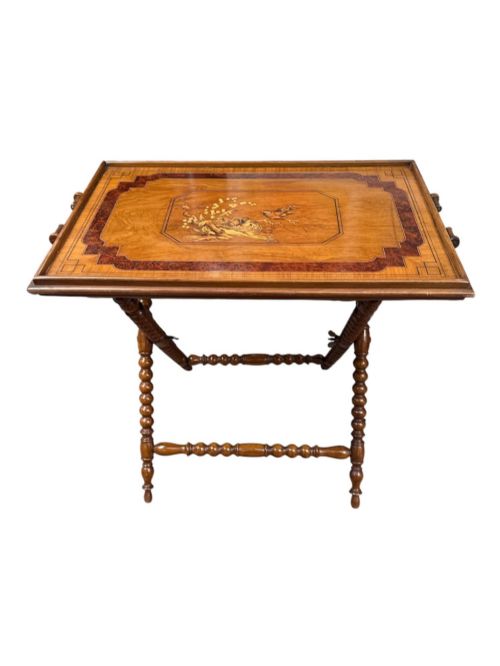
Maker craftsmanship relies on traditional timber selection, notably walnut, mahogany, and olive wood, frequently enhanced by intricate marquetry and inlay techniques. Sorrento items showcase detailed wood marquetry, while English cabinetmakers utilise rich grains for tables and desks.
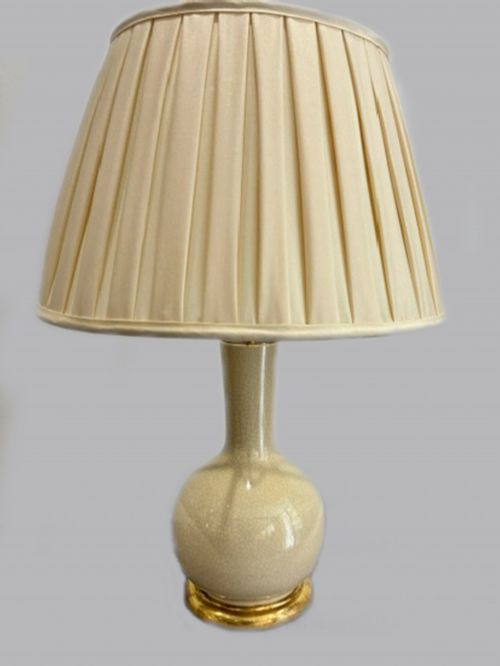
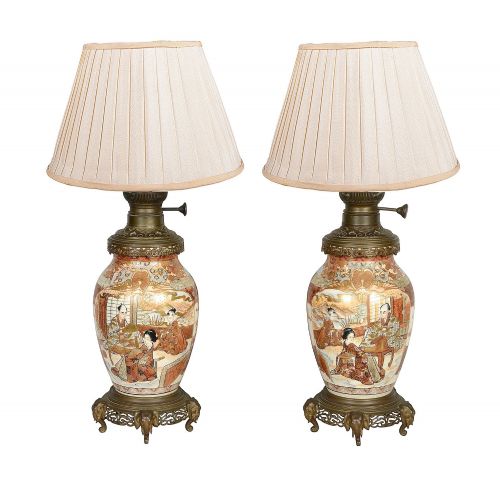
Ceramic and porcelain pieces demonstrate specialised firing and glazing methods, seen in Satsuma ware, Kutani plates, Paris ware porcelain, and crackle ware lamps. Metal items incorporate brass and silver plating, particularly in spirit kettles and stands.
Vintage Table Ware Retail Price Guide 2026
Typical asking prices for vintage table ware among the pieces listed under this phrase on Sellingantiques today, from the lower quarter to the upper quarter. They describe what is for sale here now, not the wider market.
Listings feature periods spanning from the 1880s through the 1930s, incorporating materials such as walnut, porcelain, brass, and silk.
Distinctions in quality
Quality rests upon the precision of the woodwork inlay, the clarity of hand-painted ceramic glazes, and the structural integrity of the original joints and mounts. Superior examples maintain crisp detail in marquetry panels and well-preserved surface patination.
Makers known for established workshops contribute to higher standards of construction, visible in the stability of furniture frames and the careful execution of decorative motifs on porcelain and metalware.
Waring & Gillow·Charlotte Rhead·Denby Ware
The Vintage Table Ware Glossary
- Marquetry
- The art of applying pieces of veneer to a structure to form decorative patterns. This technique defines much of the Sorrento ware found in nineteenth-century pieces.
- Satsuma ware
- A type of Japanese pottery traditionally characterised by a ivory-coloured crackle glaze and ornate polychrome enamel decoration. These items were frequently converted into table lamps.
- Spirit kettle
- A water kettle mounted on a metal stand with an integrated spirit burner underneath. They provided hot water for tea service in Edwardian and Victorian drawing rooms.
- Treen
- Small handmade wooden household objects. Items such as revolving egg cup stands showcase domestic woodworking skills from the period.
- Crackle ware
- Pottery featuring a network of fine cracks in the glaze, intentional in styles like Chinese and French decorative vessels. It adds texture and visual depth to lamps and vases.
Vintage Table Ware: Frequently Asked Questions
What counts as vintage table ware?
Vintage table ware encompasses items used for dining, serving, and home presentation dating from the nineteenth century through the early twentieth century. It spans ceramic vessels, wooden trays, and metal kettles from various European and Asian traditions.
The category reflects changing domestic customs, grouping functional objects together by their period of manufacture and utility within the home.
How were spirit kettles used?
Spirit kettles sat on side tables or tea carts, heated by a small burner filled with methylated spirit. They kept water hot for guests during afternoon tea without requiring trips to the kitchen.
The stands usually held the vessel securely above the flame, combining metalwork craftsmanship with practical hospitality.
How do I care for inlaid wooden pieces?
Inlaid wooden items require gentle cleaning with a dry or barely damp cloth to protect the delicate veneer and marquetry. Avoid placing them in direct sunlight or near heat sources to prevent the wood from drying out.
Regular application of suitable wax helps maintain the surface sheen and preserves the historical finish of walnut and olive wood.
How do I identify Sorrento ware?
Sorrento pieces are identified by their characteristic wood inlay and marquetry depicting geometric patterns, architectural scenes, or local flora. Originating from Italy in the nineteenth century, they often appear as trays, boxes, and small tables.
The use of olive wood and contrasting veneers forms the visual signature of these tourist and export items.