



Vintage Table Place Card
A vintage table place card brings a touch of character to a dinner setting, spanning periods from Victorian to mid-century.
Vintage Table Place Card
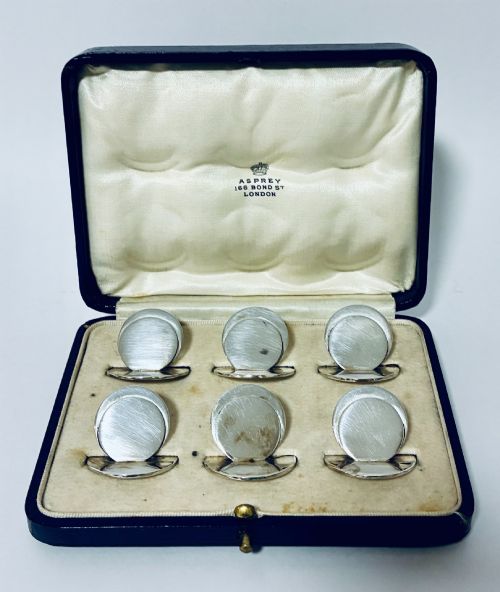
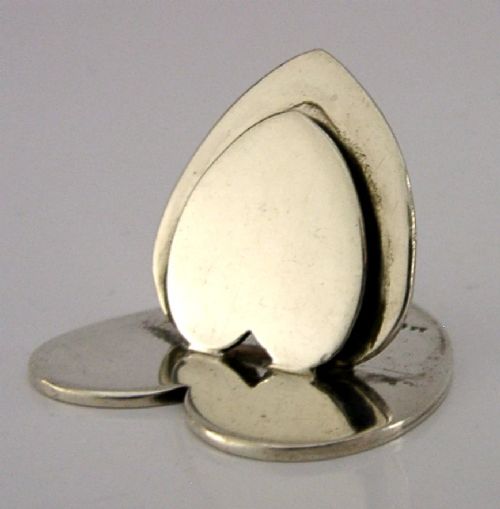
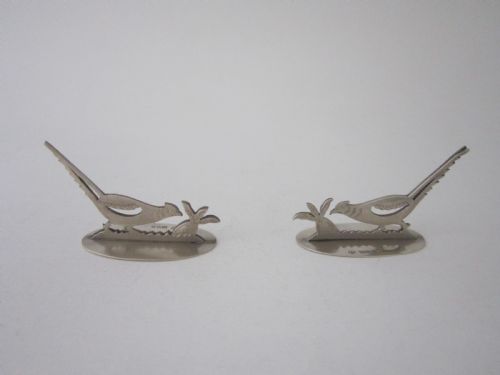
When you search for a vintage table place card, you encounter functional dining accessories designed to hold name cards or menus at formal meals. The selection spans Victorian and Edwardian pieces, progressing through the George V and George VI eras into the mid-twentieth century.
How they were made
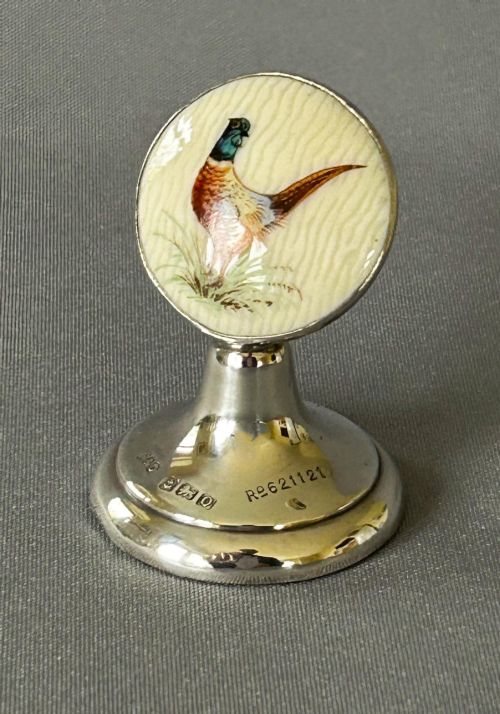
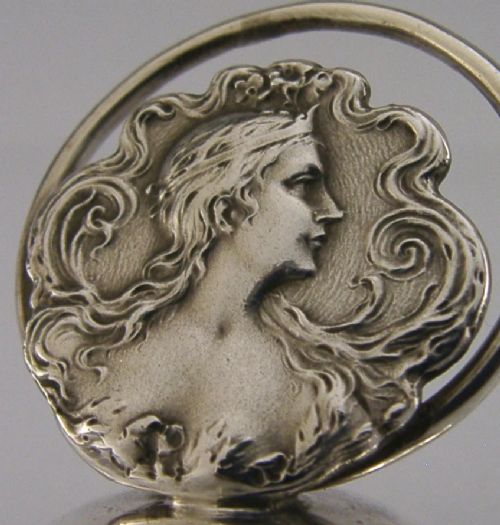
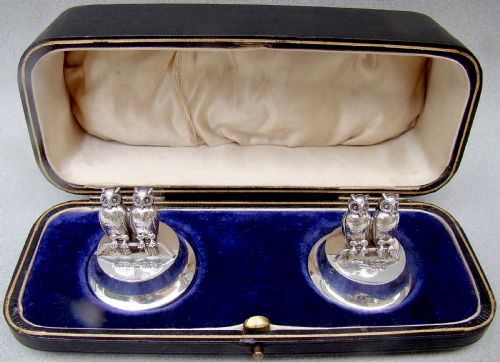
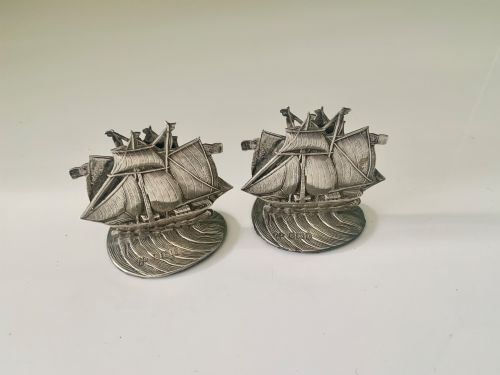
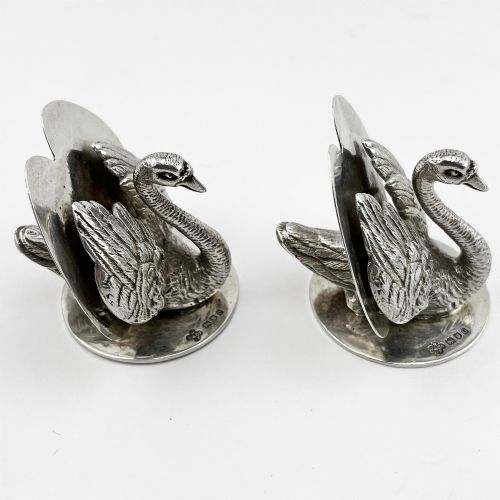
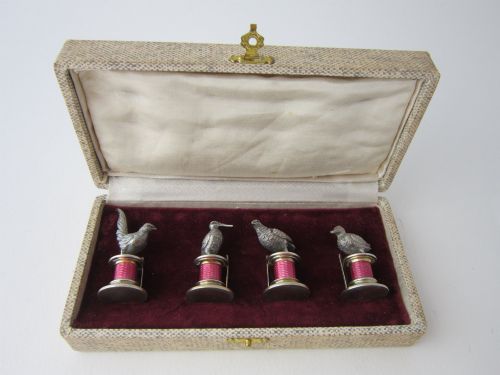
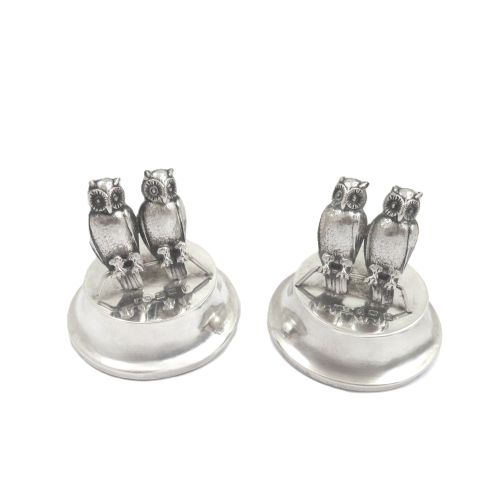
Makers utilised sterling silver and silver plate, often embellishing the metal with coloured enamel, guilloche enamel, velvet, silk and leather details. Pieces were cast and chased to create dimensional forms such as owls, swans, foxes, galleons, horses' heads and military flags.
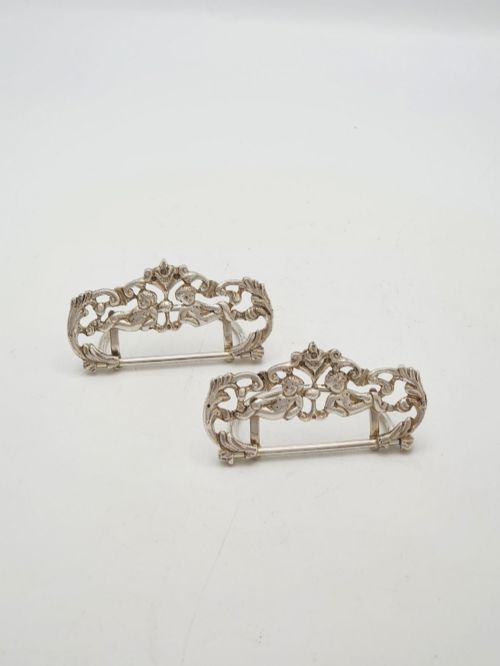
Workshops employed detailed hand-finishing for figurative designs, including Alice in Wonderland characters and cherubs. Hallmarks stamped into the metal record the year of production, the assay office and the maker's mark.
Vintage Table Place Card Retail Price Guide 2026
Typical asking prices for vintage table place card among the pieces listed under this phrase on Sellingantiques today, from the lower quarter to the upper quarter. They describe what is for sale here now, not the wider market.
Listings feature sterling silver and silver plate items spanning the Victorian, Edwardian, George V, George VI and 1950s periods.
What varies in quality
The quality of a vintage table place card rests on the crispness of the casting and the fidelity of the figurative details, whether depicting an animal, a maiden or a military insignia. Pieces with intact enamel work or complex multi-part construction stand apart from simpler stamped designs.
Completeness also dictates standing, as matched sets of four, six or twelve command greater interest than single examples or mismatched groups. The clarity of the hallmarks and the weight of the silver contribute further to the distinction between standard production and finer workshop output.
Sampson Mordan·Levi and Salaman·Asprey·Liberty
The Vintage Table Place Card Glossary
- Sterling silver
- A silver alloy containing 92.5 percent pure silver and 7.5 percent other metals, typically copper. This standard composition is stamped with traditional hallmarks on British items.
- Guilloche enamel
- A decorative technique where intricate geometric patterns are mechanically engraved beneath a translucent layer of coloured enamel. It appears frequently on early twentieth-century accessories.
- Menu holder
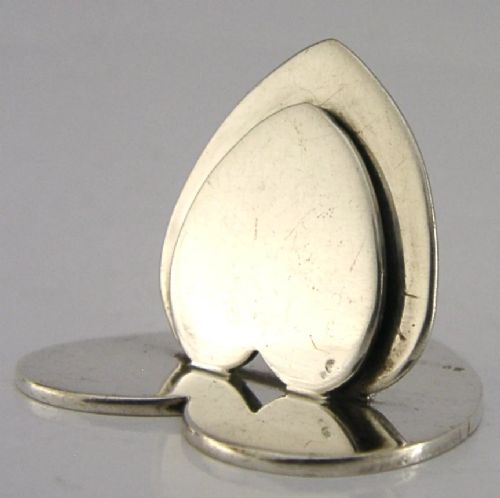
- A table accessory designed to stand upright and support a printed menu card or place card. They share forms with dedicated place card markers.
- Assay office
- A body charged with testing the purity of precious metals and stamping them with official hallmarking symbols. Offices in cities such as London, Birmingham and specific Scottish locations mark these pieces.
Vintage Table Place Card: Frequently Asked Questions
What is a place card holder?
A place card holder is a small decorative desk or table accessory designed to keep a guest's name card upright on a dining table.
They emerged alongside formal dining customs where specific seating arrangements required clear markers for every guest.
How do I date a silver place holder?
You date a silver place holder by examining the hallmarks stamped directly into the metal. These official marks record the assay office, the standard of silver, and a specific date letter corresponding to the year of manufacture.
Stylistic cues such as Edwardian motifs or Art Nouveau lines also provide a broad chronological framework.
Were these used for menus too?
Many examples on this page served a dual purpose as both place card markers and menu holders. Their weighted bases and slotted clips supported stiff cards listing the courses for the meal.
Dining rooms in the Victorian and Edwardian periods often featured matching suites of these table accessories.
How do I clean vintage silver place cards?
Cleaning requires a soft cloth and a gentle silver polish formulated to remove tarnish without abrading the delicate chased details. Care must be taken around enamel, velvet, silk or leather components to avoid liquid damage.
Proper storage in dry conditions helps maintain the finish between uses.